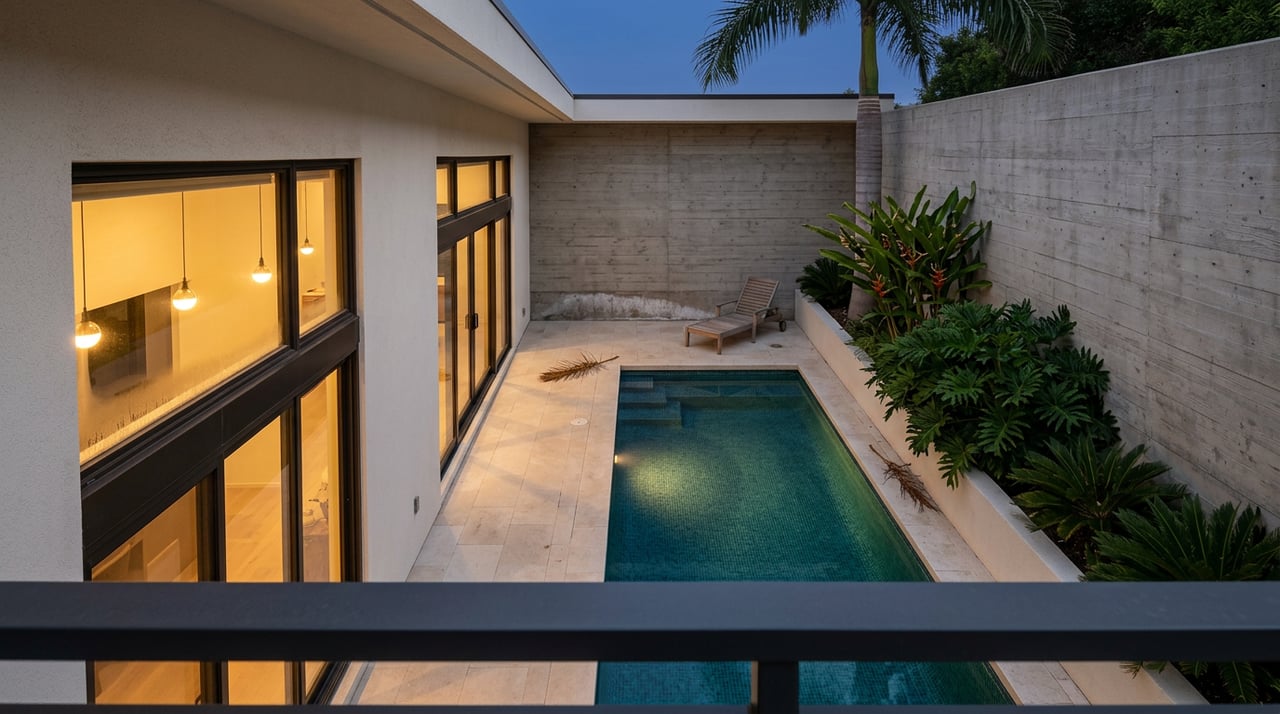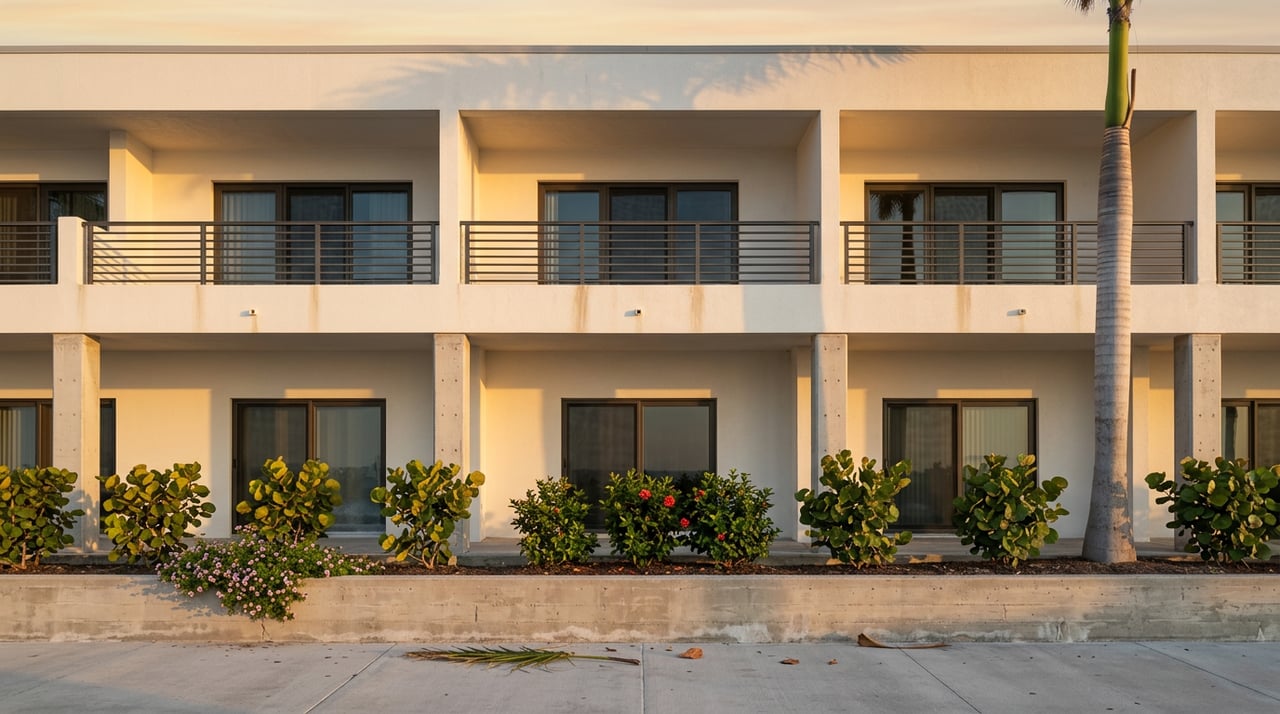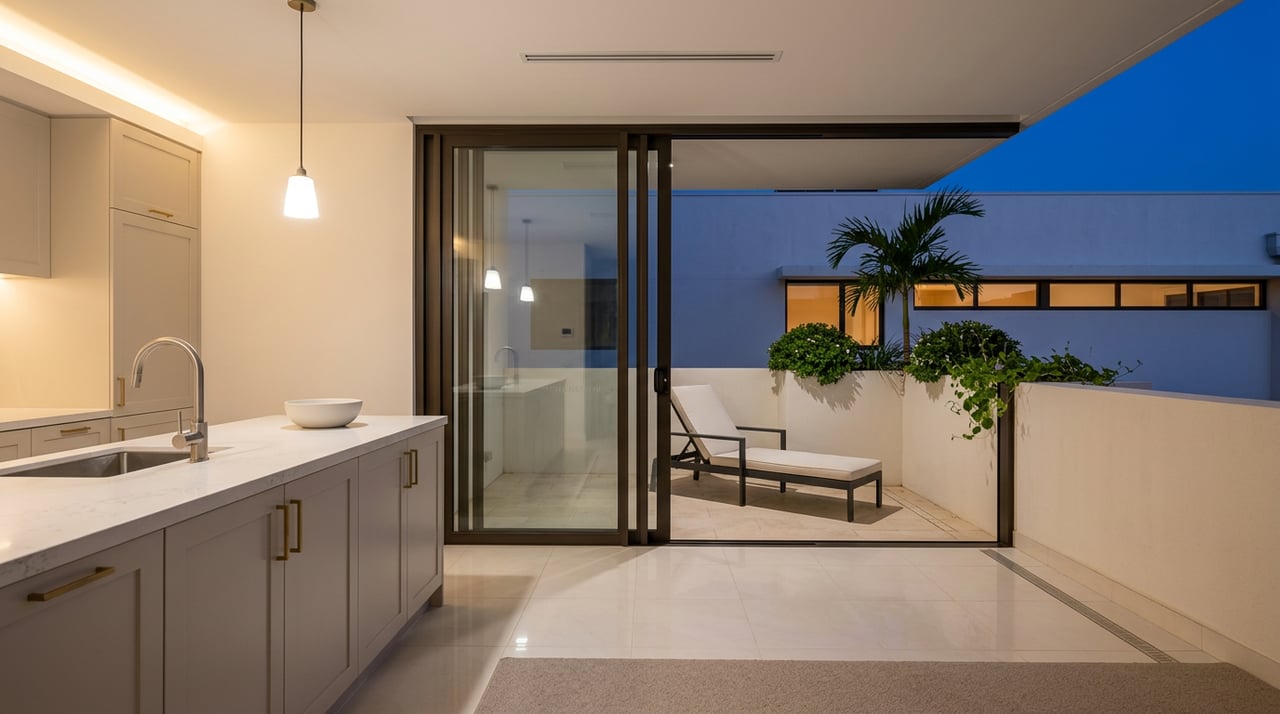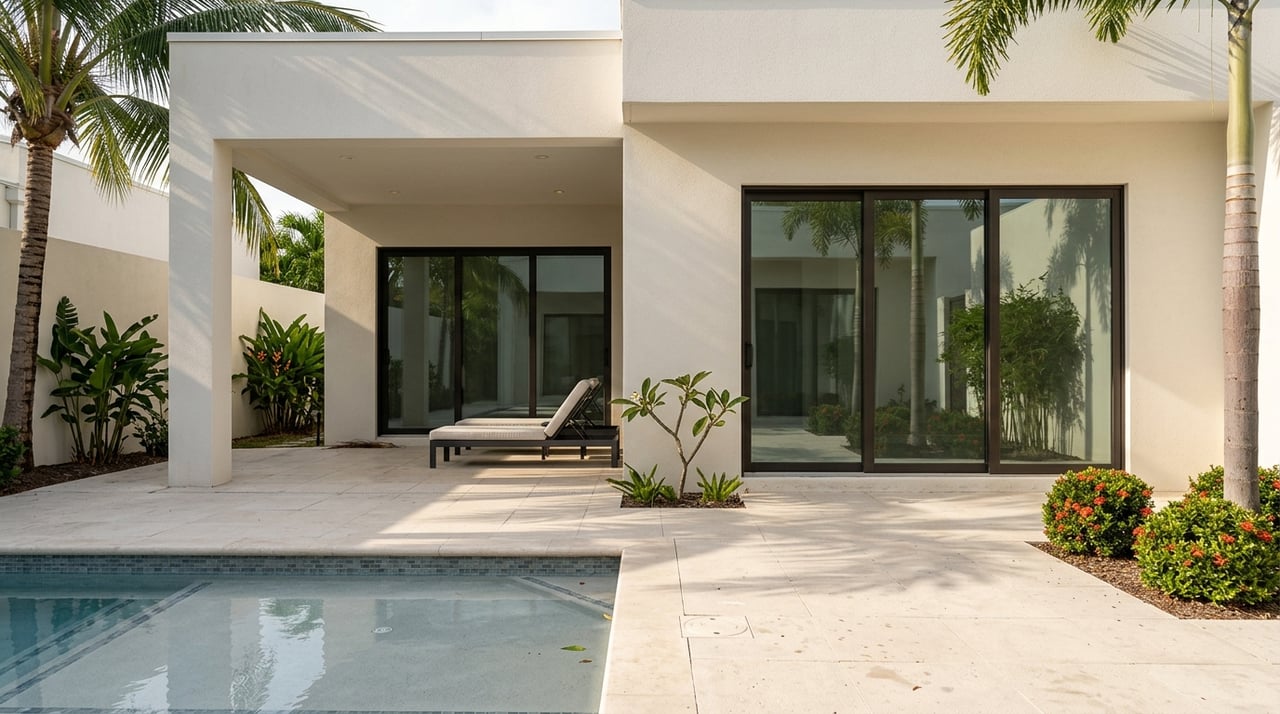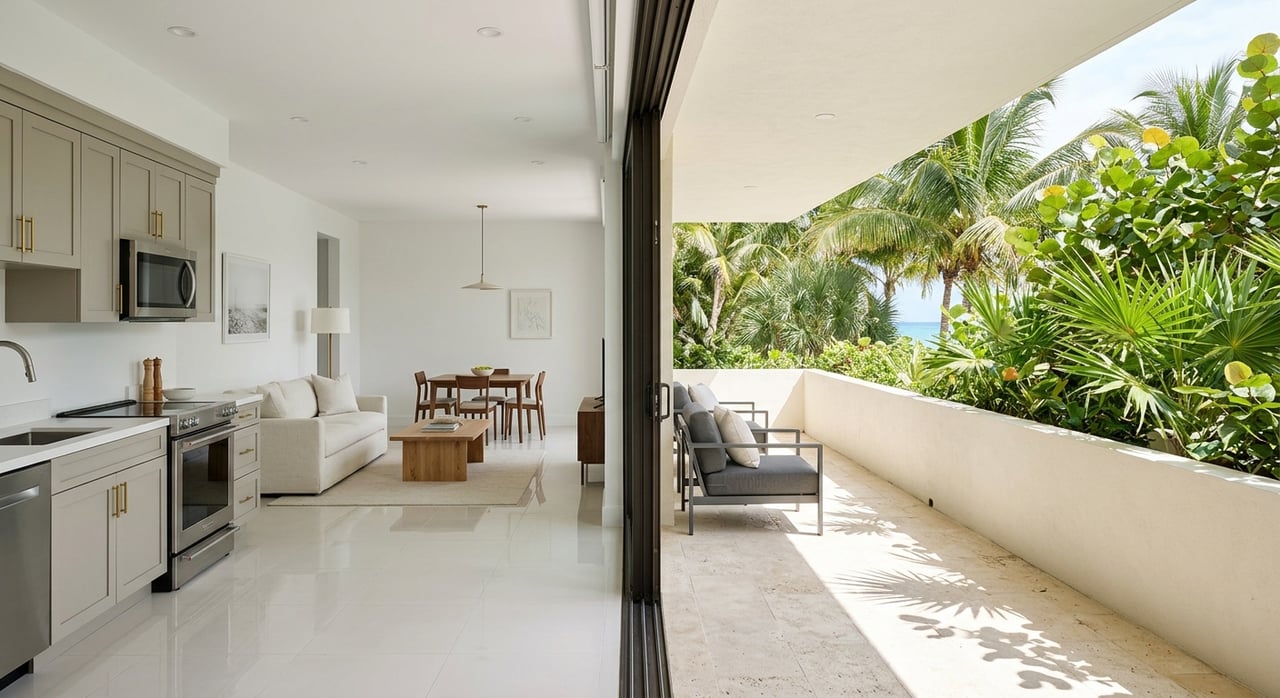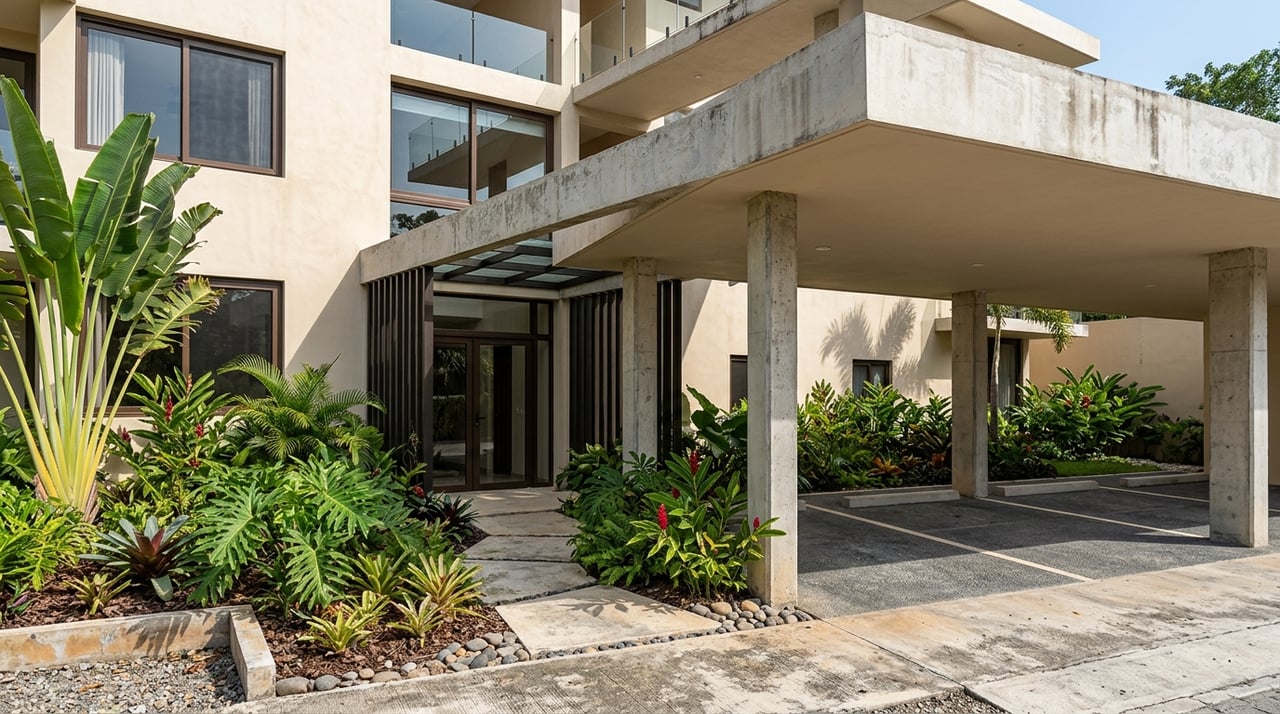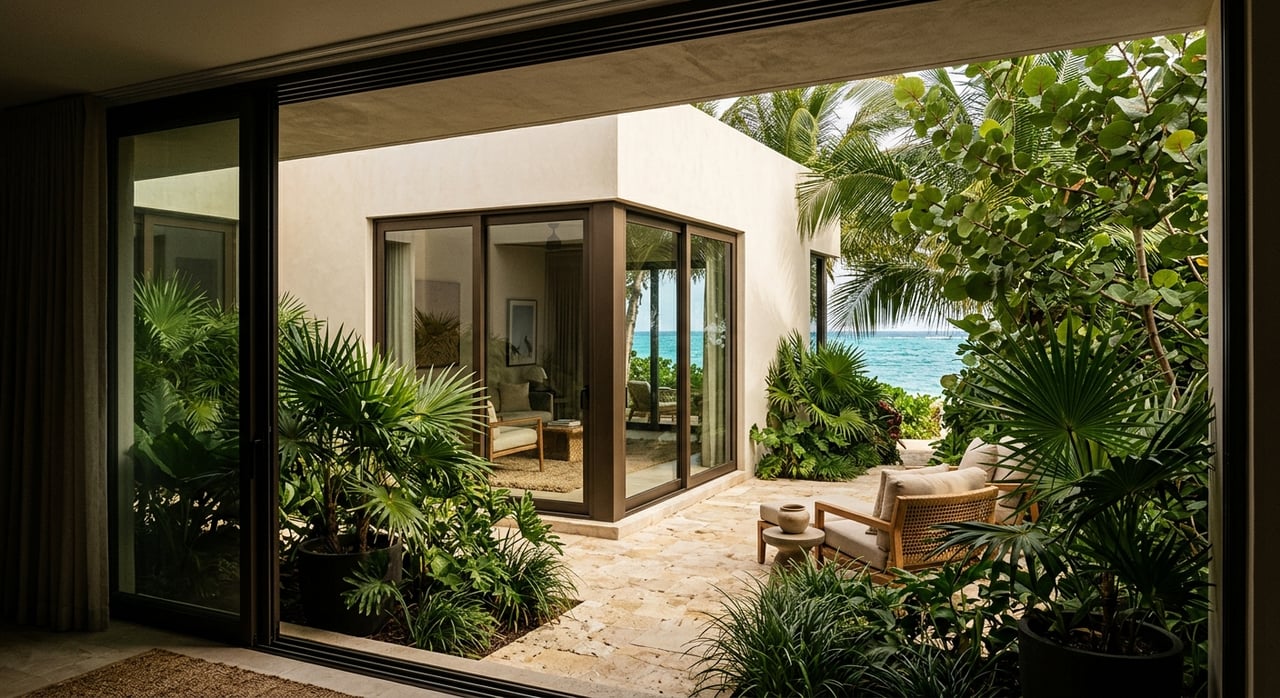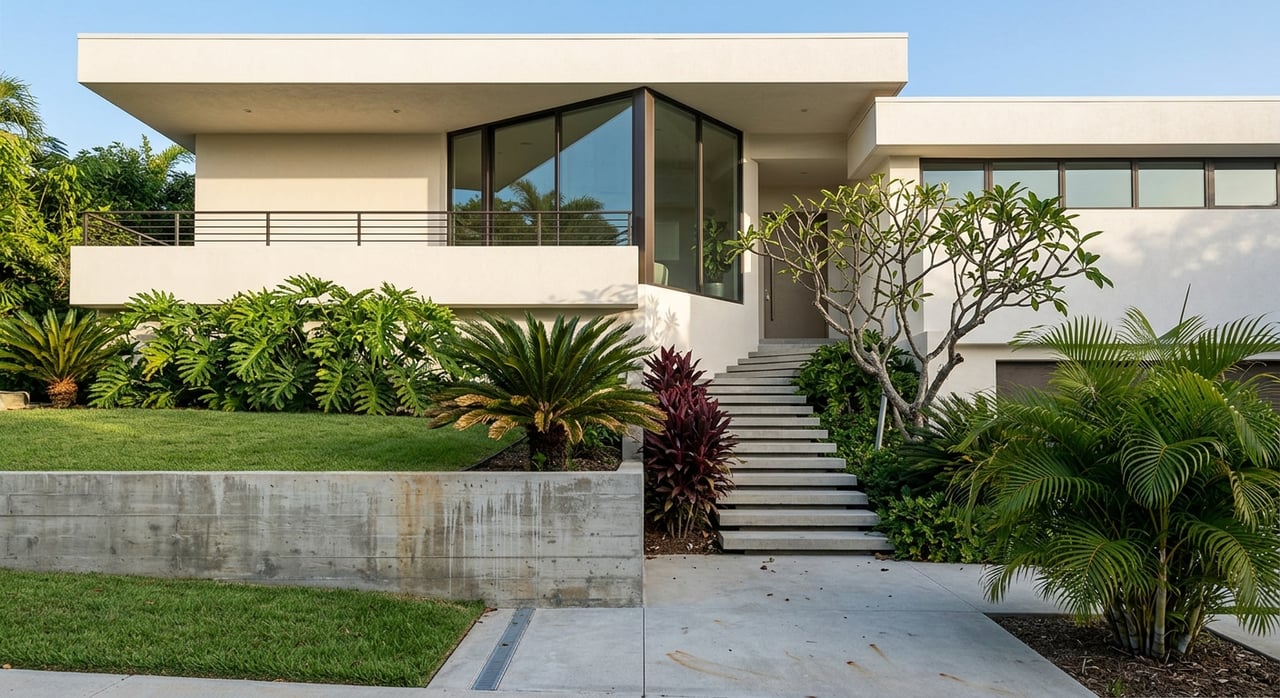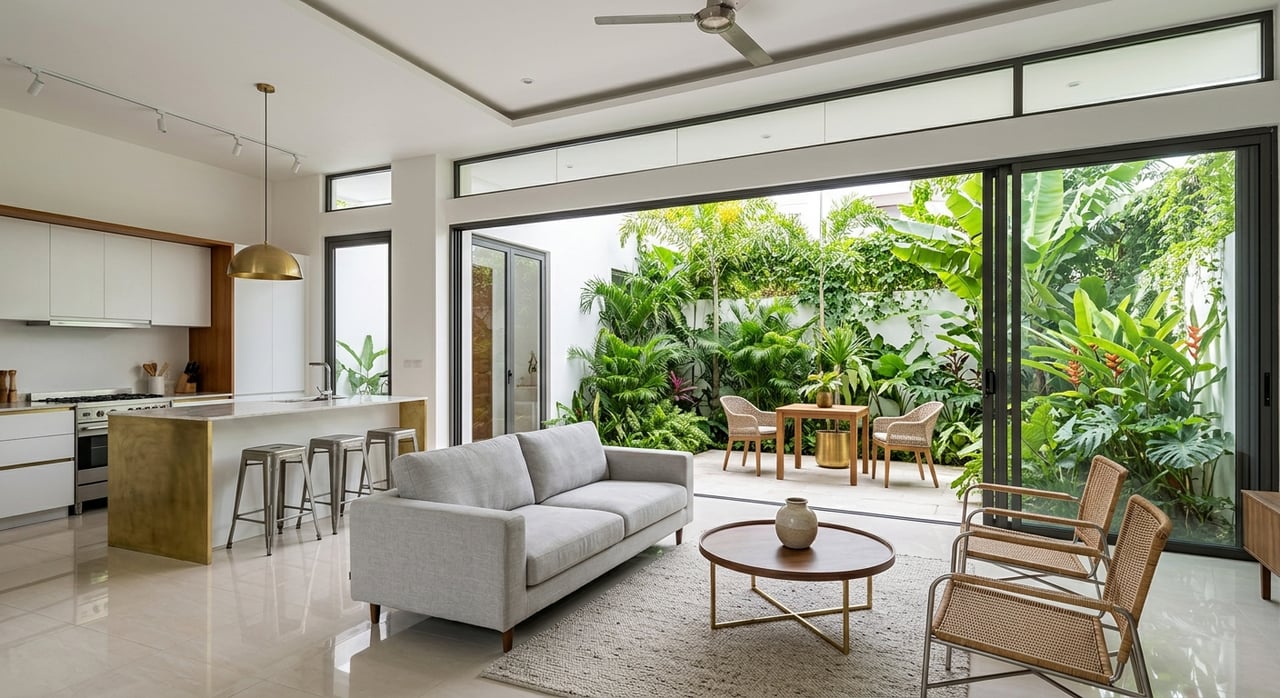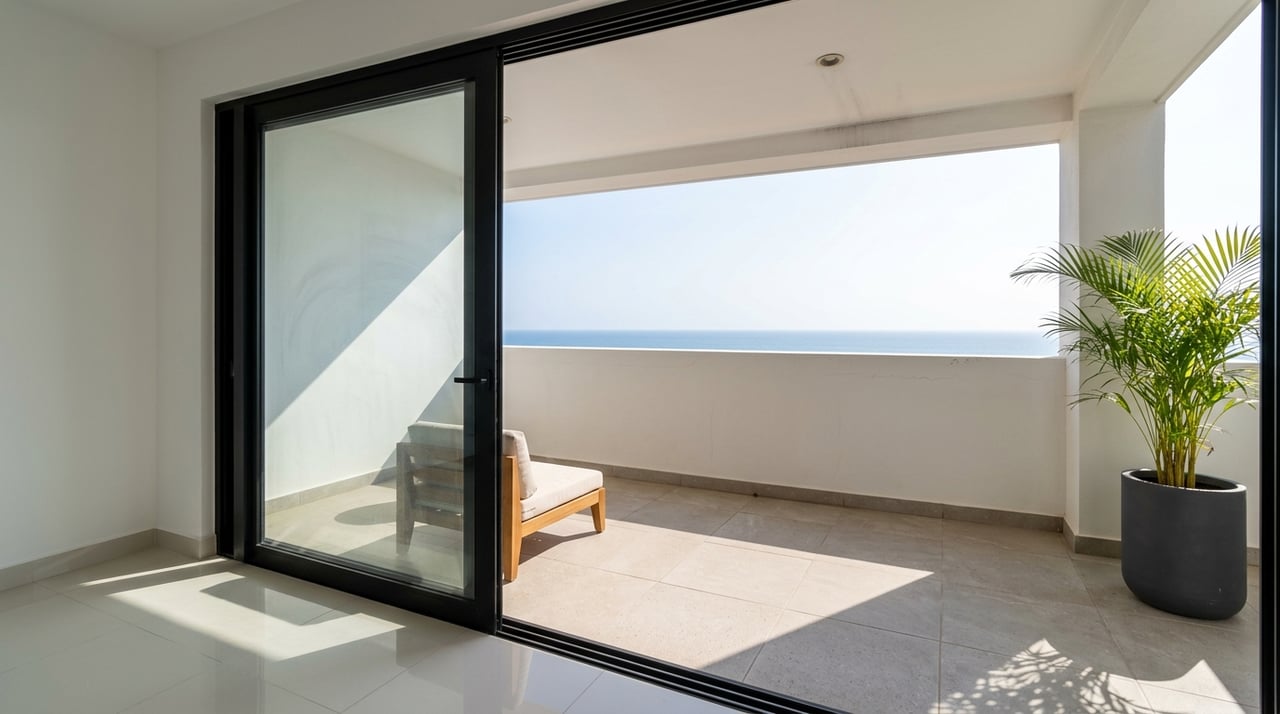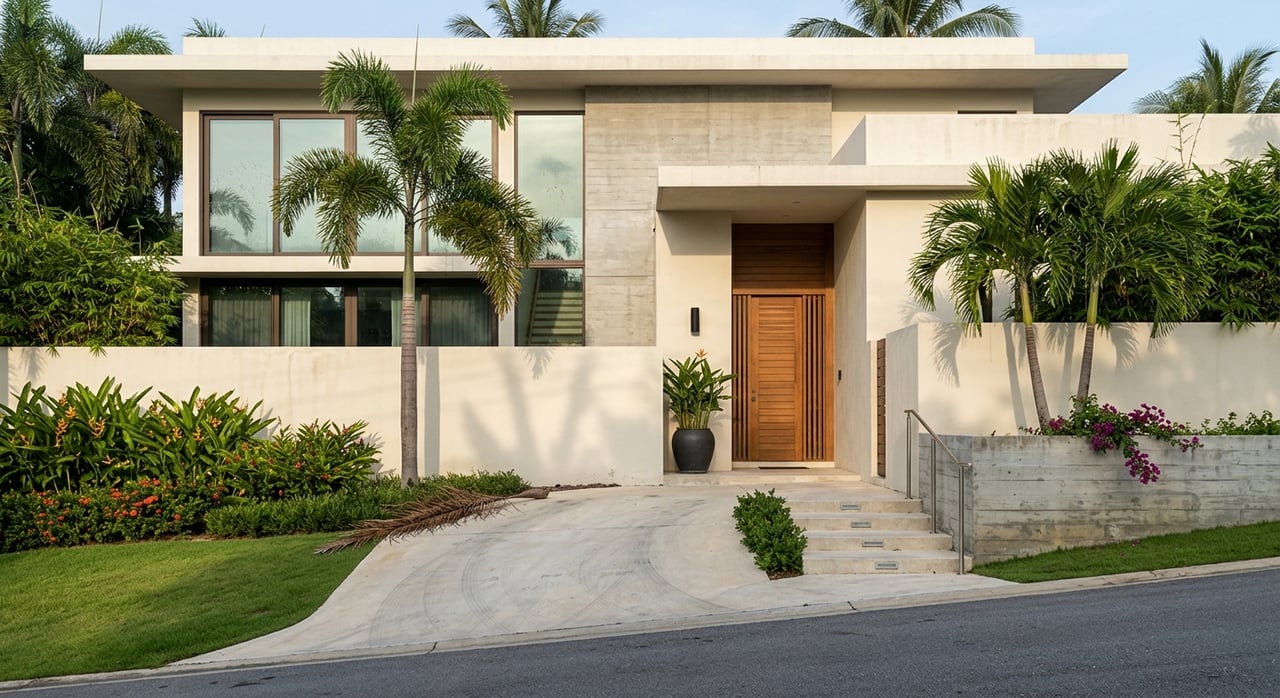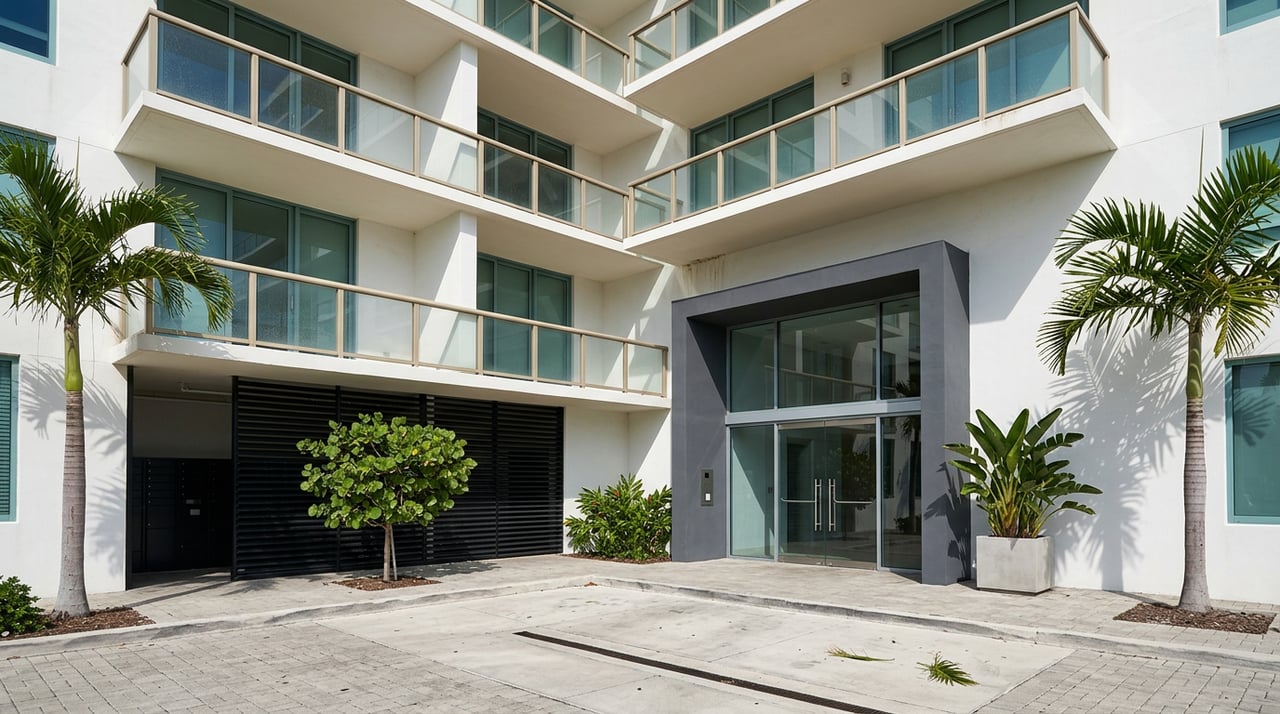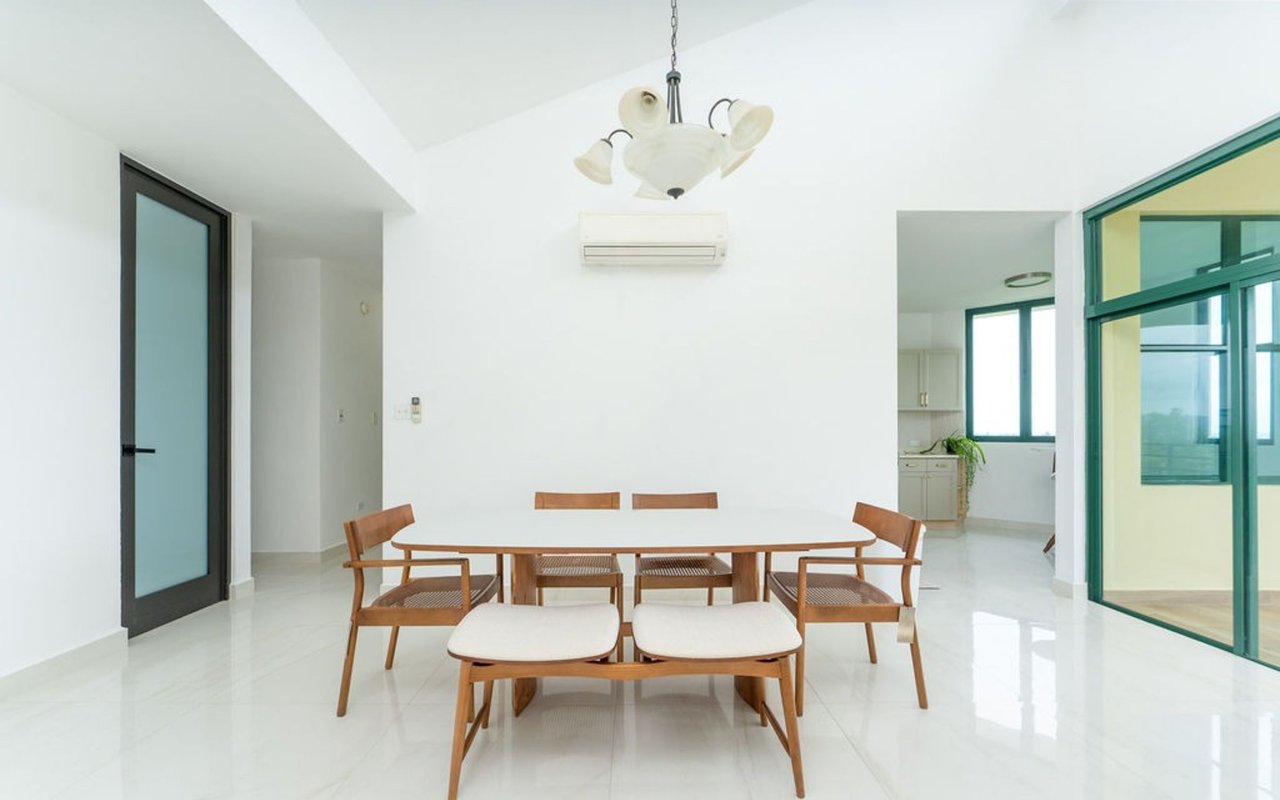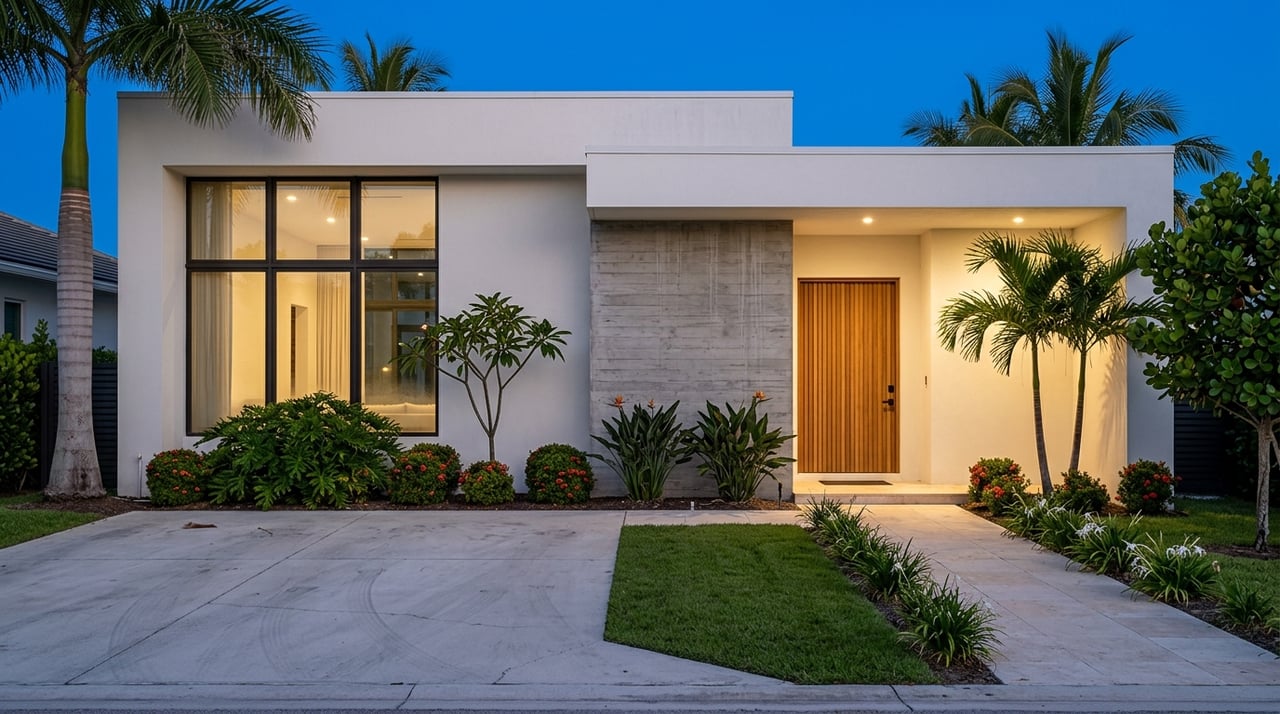
Wondering if a Dorado home can double as a short-term rental and still make financial sense? That question matters more than ever, because in Dorado, a property may look perfect on paper but fall short once you factor in rules, taxes, seasonality, and guest expectations. If you are thinking about buying with occasional rental income in mind, this guide will help you evaluate the opportunity more clearly before you make an offer. Let’s dive in.
Why Dorado draws short-term rental interest
Dorado has a strong tourism identity within Puerto Rico’s north region. Official tourism materials describe it as about 35 minutes from San Juan, with beachfront resorts, golf courses, upscale neighborhoods, and luxury accommodations. That gives the area real appeal for buyers who want a second home with possible short-term rental use.
Visitor data also supports the idea that private accommodations matter in Puerto Rico. The 2023 to 2024 visitor profile says 47% of visitors stayed in private residences, and 20% stayed in short-term rentals. For you as a buyer, that means demand is not limited to hotels and resorts.
At the same time, Dorado is not an empty market with little competition. The Puerto Rico Tourism Company lists a meaningful lodging base in the municipality, including major resort and vacation-club properties. That means your future rental would compete not only with other homes, but also with established hospitality brands.
Start with the legal framework
If you plan to rent a Dorado property for fewer than 90 consecutive days, Puerto Rico treats that use as part of the hospitality system. Rentals under 90 days are subject to a 7% room occupancy tax, and owners must register as an innkeeper with the Puerto Rico Tourism Company.
There is also an ongoing filing requirement. Owners must file a monthly tax declaration by the 10th day of the following month. Before you buy, it is smart to understand whether you are comfortable taking on that compliance work yourself or arranging help.
The key takeaway is simple: a short-term rental is not just a home with guests coming and going. In Puerto Rico, it also operates within a formal tourism framework.
Condo rules can override your plan
If you are looking at a condo or a property within a horizontal property regime, the listing description should never be your final answer on rental use. The master deed, bylaws, and house rules can have a major impact on whether short-term renting is allowed.
Under Puerto Rico’s Condominium Act, short-term rentals cannot be prohibited unless the master deed or bylaws expressly prohibit them or set a minimum rental period. Those same governing documents may also require a minimum night stay.
The bylaws may impose a special monthly fee on owners who rent on a short-term basis, capped at the amount of the maintenance fee. They can also place responsibility on the owner for violations committed by guests. That means your rental strategy has to work not just legally, but also practically within the building’s rules.
Check whether the property is operationally ready
Some buyers focus only on whether short-term rental use is technically allowed. That is not enough. You also need to ask whether the property is prepared to operate in a clean and compliant way.
Puerto Rico Tourism Company program materials show that a more formal operating setup can involve items such as a use permit, sanitary license or inspection certificate, fire inspection certificate, municipal license, and general liability insurance of at least $1 million. If alcohol will be offered, an alcohol license may also apply.
For you, this creates an important due diligence question: are these items already in place, partially in place, or completely absent? A property that can be rented is not always a property that is ready to rent.
Dorado demand may be real, but not flat year-round
Dorado benefits from Puerto Rico’s broader tourism demand, especially around major travel periods. Puerto Rico Tourism Company data reported island-wide hotel occupancy above 90% for New Year’s 2025 to 2026, and specifically noted that Porta Atlántico reached 97.8% on one peak day.
Other travel windows also showed strength. The agency reported an island-wide occupancy estimate of 82% for Memorial Day weekend and more than 82% during Semana Santa 2025. While those figures are not a guarantee of Dorado-specific short-term rental performance, they do suggest that demand rises around holidays and long weekends.
That matters when you build your numbers. Instead of assuming steady occupancy every month, you should test whether the property still works if bookings cluster around peak seasons and slower weeks fill in less consistently.
Underwrite for slower months
A home can look attractive when you estimate holiday pricing and strong winter demand. The picture often changes when you model quieter periods and include the full cost of operating the property.
Before you move forward, stress-test your budget with realistic expenses. Those may include cleaning, platform fees, room occupancy taxes, utilities, insurance, HOA charges, and property management or local support.
If the deal only works during peak dates, you may be buying more risk than you realize. A stronger purchase is one that still feels manageable when occupancy softens.
Think like a hospitality operator
In Dorado, guest expectations can be shaped by the area’s resort-heavy image. Visitors coming for leisure, family visits, or second-home travel may expect a polished experience, especially if they are comparing your property with nearby resorts and condo-hotel options.
That usually means the basics need to work every time. Strong Wi-Fi, reliable air conditioning, clean linens, clear check-in instructions, prompt communication, and fast maintenance response are all part of the guest experience.
This is one reason some buyers overestimate how passive short-term rental ownership will be. Even an occasional rental often requires active coordination and a reliable local plan.
Plan for day-to-day management
Before closing, think through who will handle the moving parts. A short-term rental usually needs cleaning coordination, supply turnover, guest messaging, calendar management, local emergency coverage, and a process for complaints or building issues.
This becomes even more important in a condo or gated setting. If your guests create noise issues or violate building rules, the owner may be held responsible under the governing documents.
If you do not live nearby, the management question becomes even more important. A beautiful property in Dorado can still become stressful if there is no clear system behind it.
Questions to answer before you buy
A good short-term rental decision starts with careful due diligence. Before making an offer in Dorado, make sure you can answer these questions clearly:
- Is short-term rental use allowed by the master deed, bylaws, or house rules?
- Is there a minimum night stay or minimum rental period?
- Are there special monthly fees, assessments, or fines tied to short-term rental use?
- What innkeeper registration, room tax, and monthly filing steps apply?
- Does the property already have the permits, licenses, inspections, or insurance needed for the intended use?
- Who will handle cleaning, check-in, guest issues, and emergency response?
- How much competition is nearby from resorts, condo-hotels, and timeshare-style inventory?
- Will the property still make sense financially during slower periods, not just holiday peaks?
If you can answer those questions early, you will be in a much better position to separate a good opportunity from an expensive surprise.
A smart Dorado STR purchase is all about clarity
Dorado can be a compelling market for buyers who want occasional short-term rental potential. The area has tourism appeal, established visitor demand, and a hospitality profile that supports interest in private accommodations.
But the strongest purchases are usually the ones backed by careful review of building rules, tax obligations, seasonality, operating readiness, and management logistics. When you evaluate the property as both a home and a small hospitality business, you make a more informed decision.
If you are considering a Dorado purchase and want local guidance as you weigh lifestyle, rental use, and resale potential, connect with Mi Corredor for a clear, responsive buying strategy.
FAQs
What counts as a short-term rental in Puerto Rico?
- In Puerto Rico, rentals of fewer than 90 consecutive days are treated as short-term rentals for room occupancy tax purposes.
What taxes apply to a Dorado short-term rental?
- A short-term rental of fewer than 90 consecutive days is subject to a 7% room occupancy tax, and the owner must file a monthly tax declaration with the Puerto Rico Tourism Company.
Can a Dorado condo ban short-term rentals?
- A condominium can prohibit or limit short-term rentals if the master deed or bylaws expressly prohibit them or establish a minimum rental period.
What documents should Dorado buyers review for STR rules?
- You should review the master deed, bylaws, and house rules to confirm whether short-term rentals are allowed and whether there are minimum stays, special fees, or guest-related restrictions.
Is Dorado a competitive market for short-term rentals?
- Yes. Dorado has an established lodging market that includes major resorts, vacation clubs, and condo-hotel inventory, so your property may compete with both homes and branded hospitality options.
Should you buy a Dorado property based only on peak-season income?
- No. It is smarter to evaluate whether the property still works during slower periods after factoring in taxes, utilities, cleaning, insurance, HOA costs, and management expenses.