Thinking about settling just outside San Juan but still staying close to everything? Guaynabo gives you suburban breathing room with quick access to business districts, shopping, and coastal fun. If you want a quieter home base without giving up city convenience, this guide will help you picture daily life. You’ll learn how neighborhoods feel, what commuting looks like, housing choices, and the practical details that shape your routine. Let’s dive in.
Where Guaynabo fits in the metro
Guaynabo sits within the San Juan metropolitan area and functions as a residential and business hub. You’ll see a mix of homes, corporate offices, shopping plazas, and local services throughout the municipality. Most people use Guaynabo as a home base while commuting into nearby employment centers like central San Juan and Hato Rey.
Municipal services are handled locally. Property taxes, permitting, and municipal programs are set at the municipal level, so always confirm current requirements with the town before you buy or renovate. The climate is tropical, which means warm temperatures year-round and a defined wet season. Hurricane season runs from June through November, so it pays to understand flood zones, wind protection, and readiness for severe weather.
Neighborhoods and lifestyles
You’ll find several neighborhood styles in Guaynabo, and each supports a slightly different lifestyle.
Downtown/pueblo core: This area centers on municipal offices, local shops, and casual restaurants. It’s handy for quick errands and civic services. Parking is typically on-street or in small lots, and you can walk between stops for most errands.
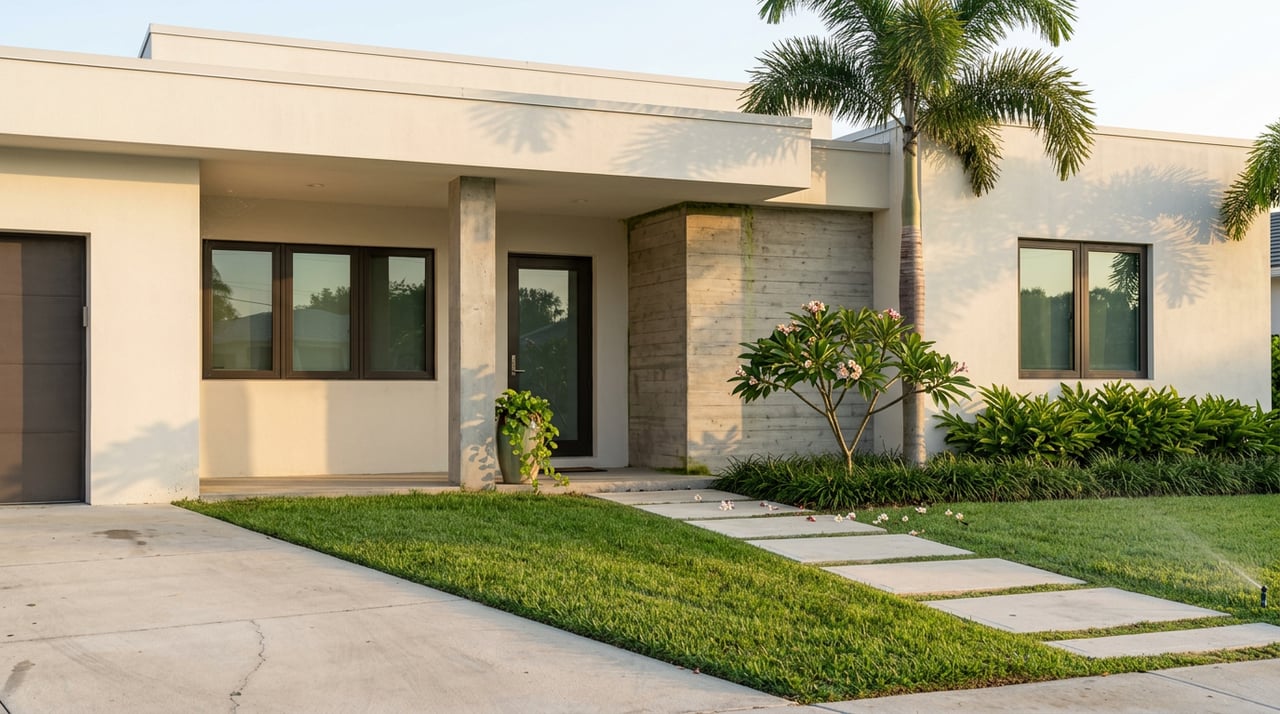
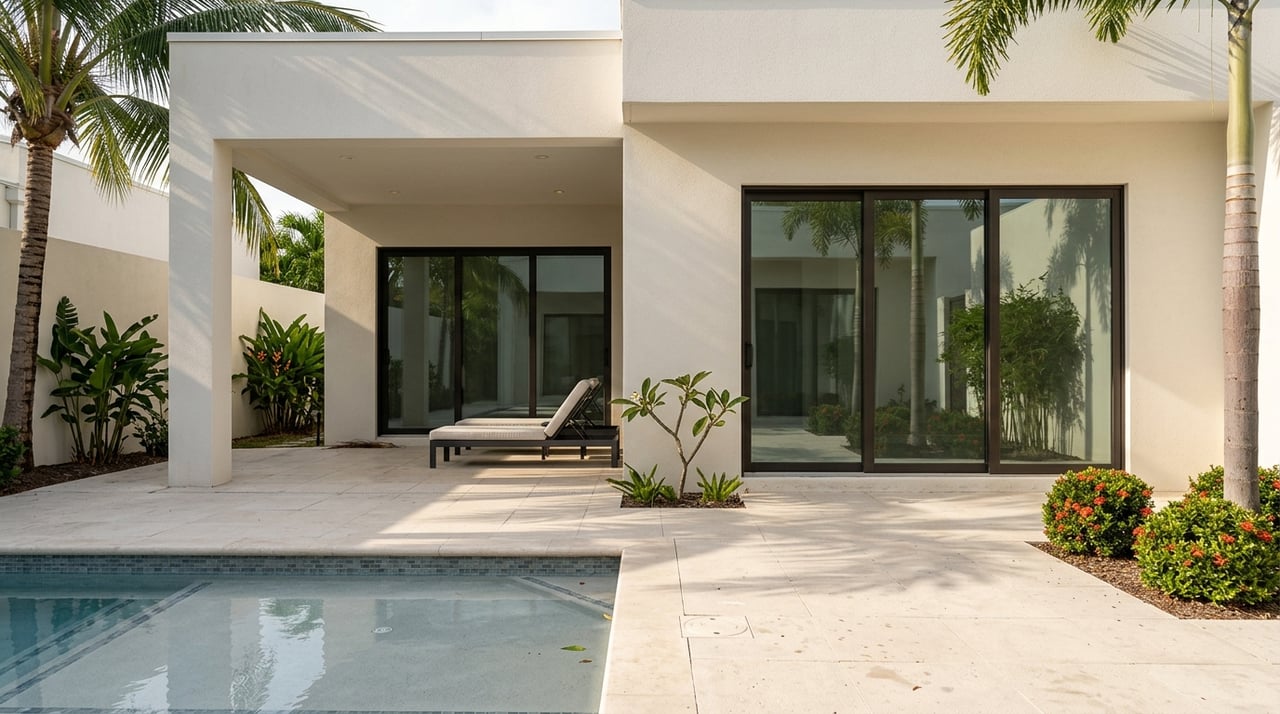
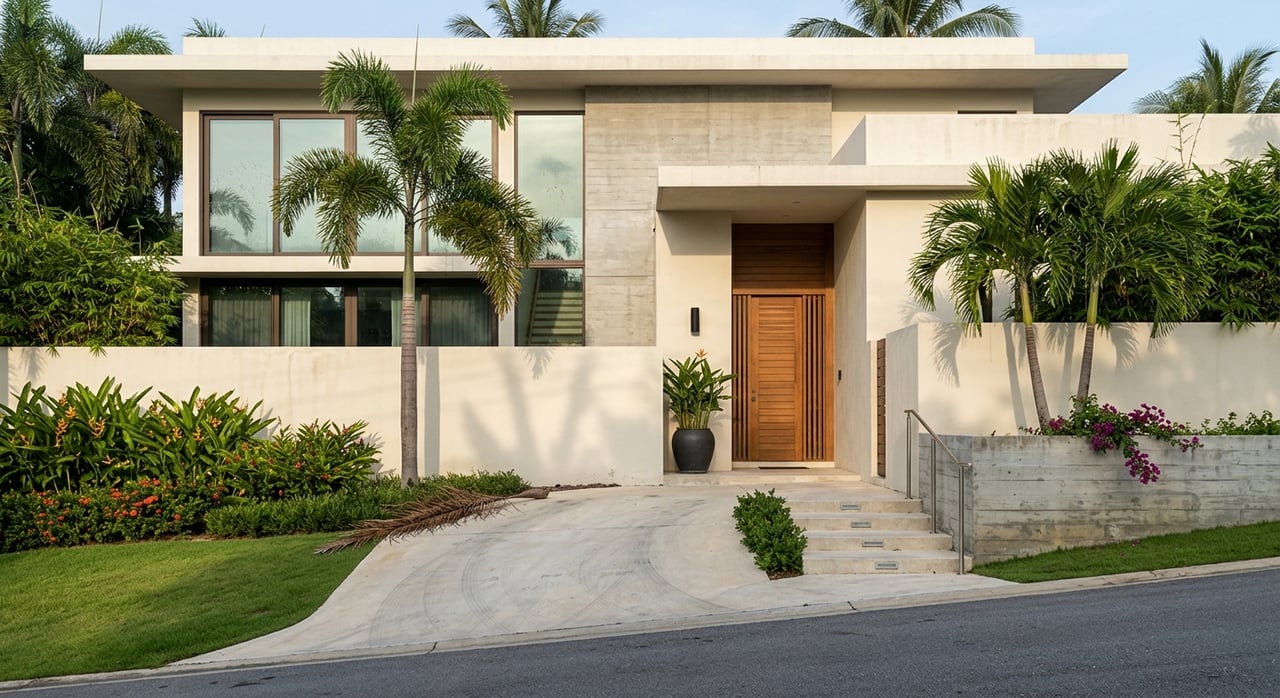
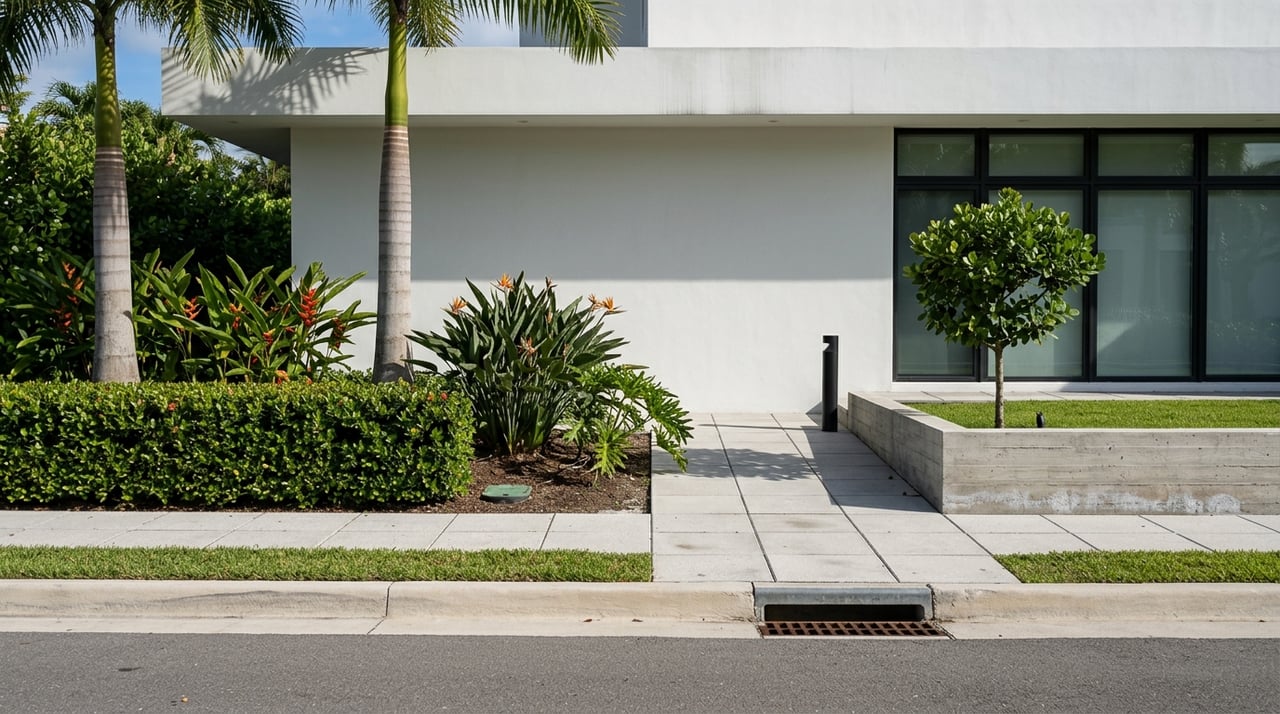
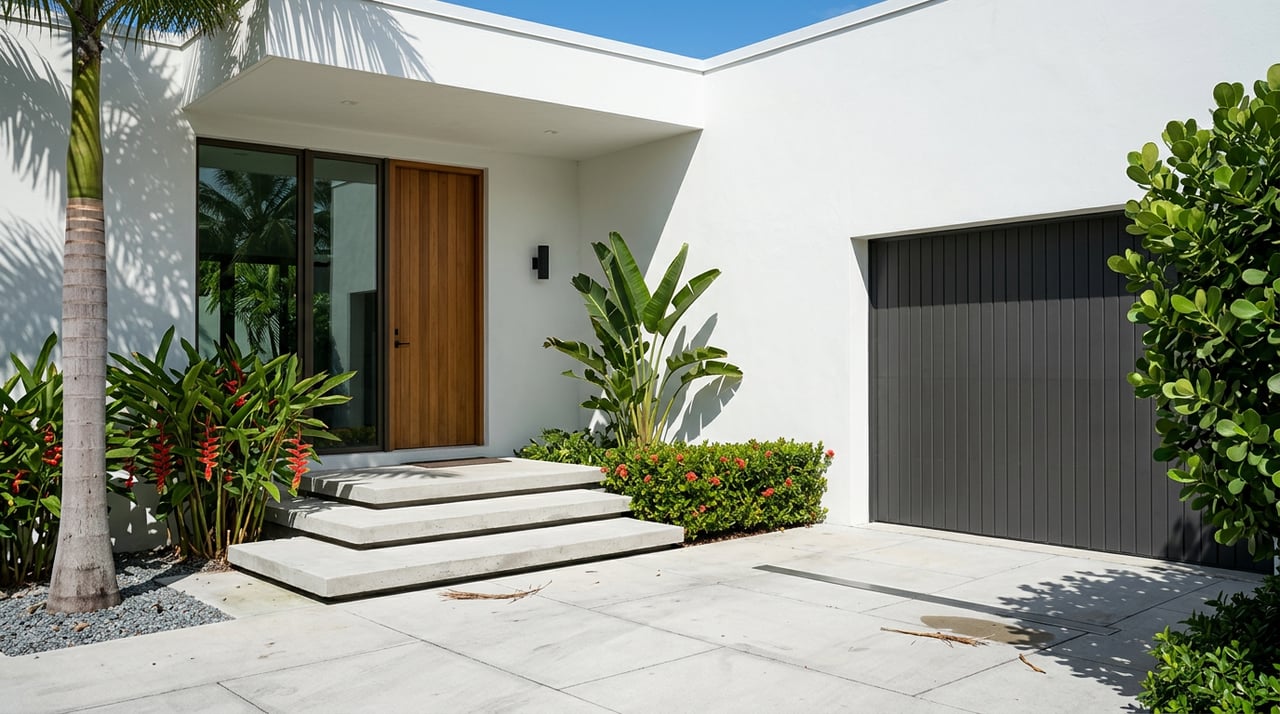
Suburban subdivisions: These are established streets of single-family homes, often with yards and driveways. Many residents choose these for space and predictability. Weekends are quiet, with neighborhood jogs, dog walks, and family gatherings.
Gated communities: Expect controlled entries, shared amenities, and homeowners’ associations. These settings often appeal to those who want privacy, common-area maintenance, and sometimes recreational facilities. HOA rules vary, so review them carefully before you buy.
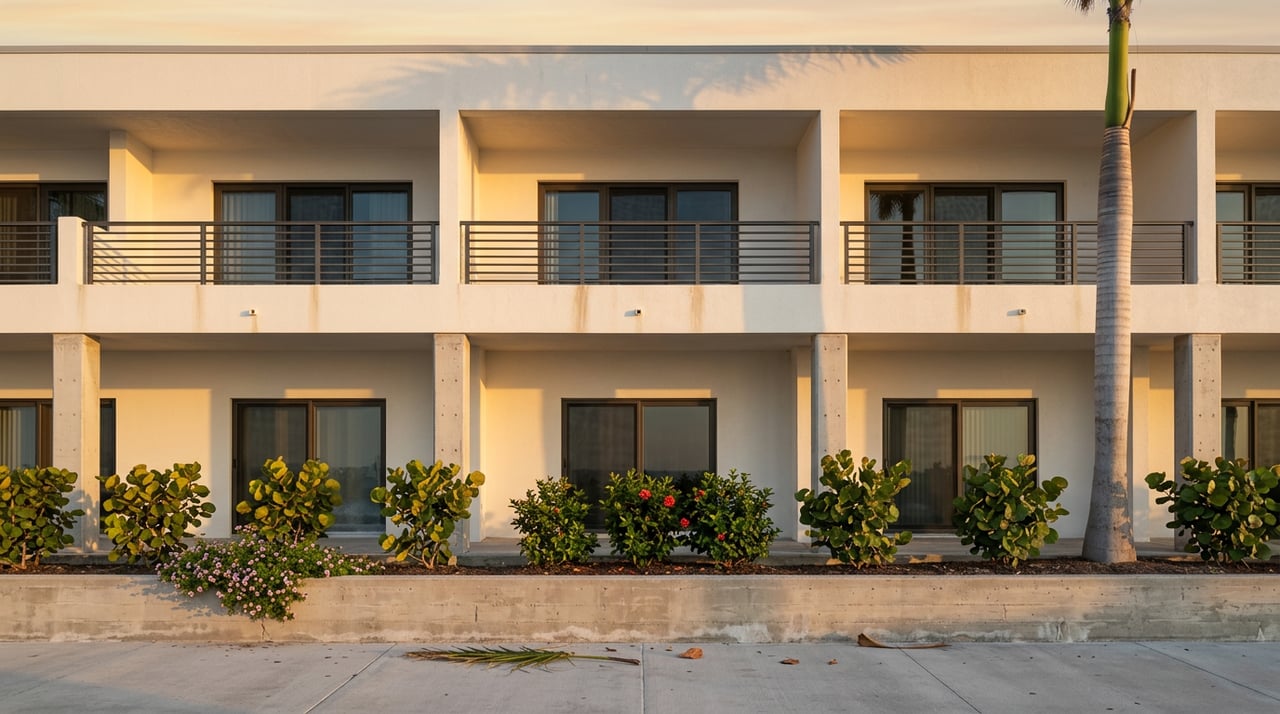
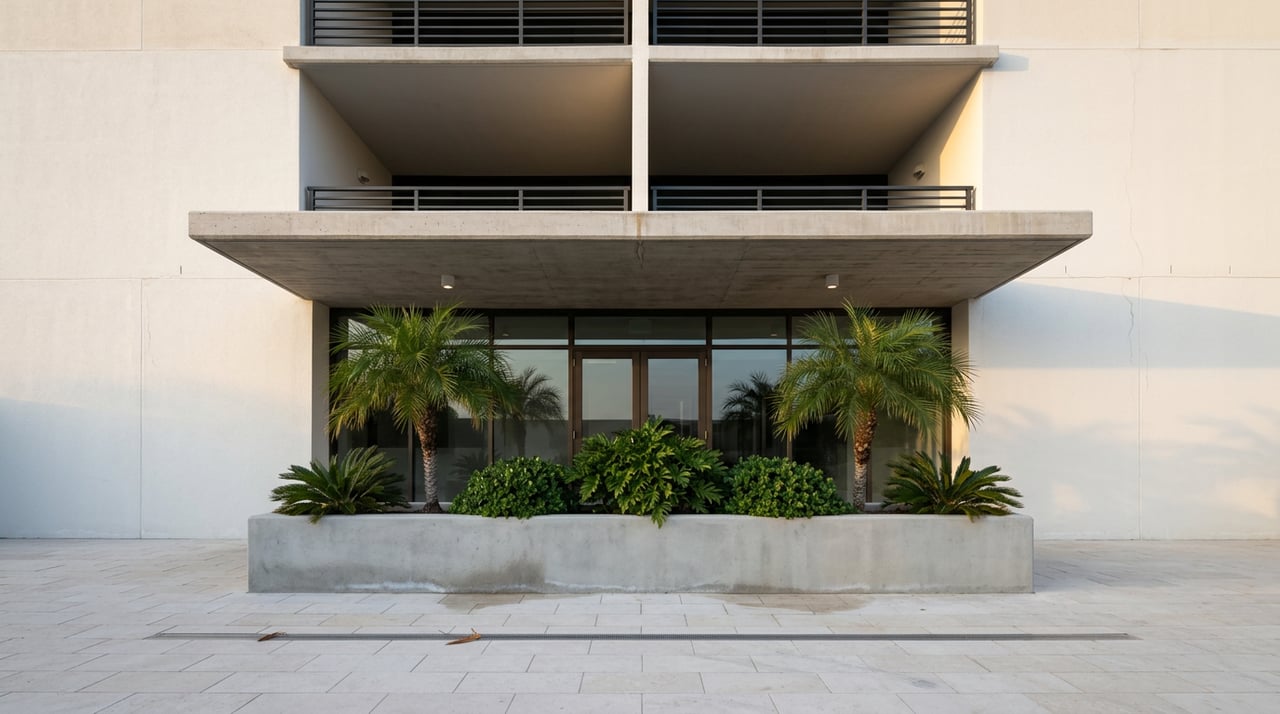
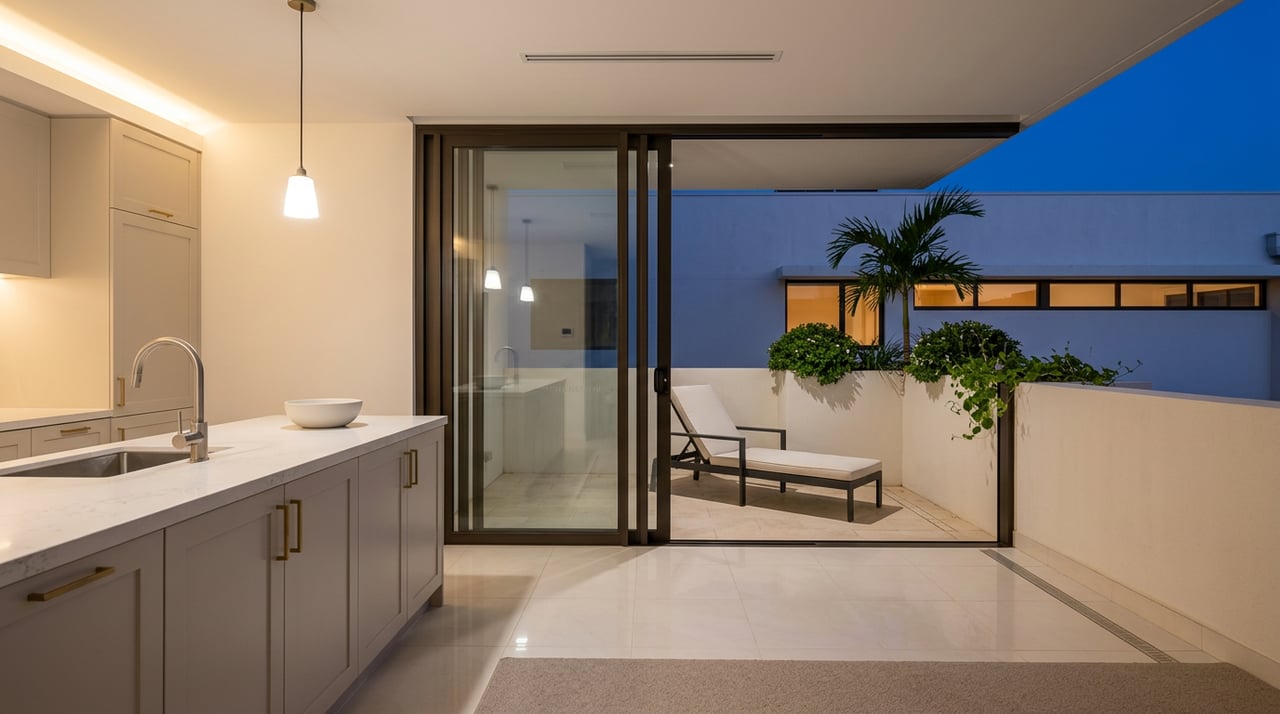
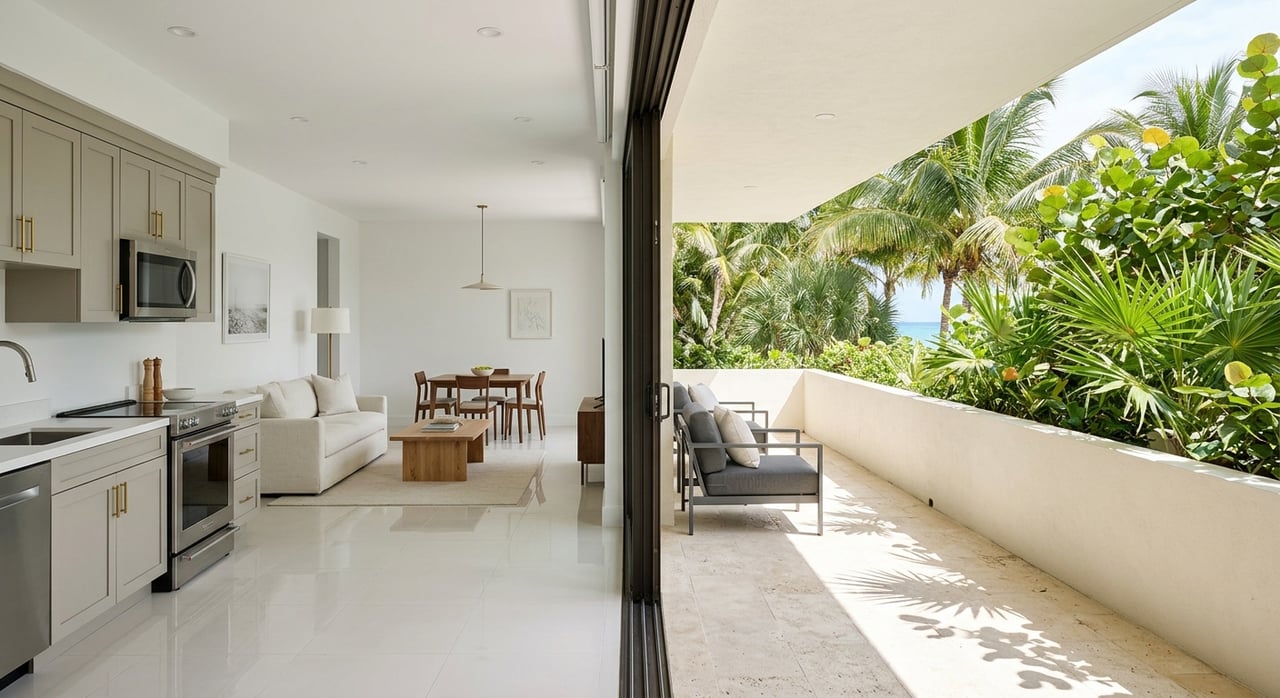
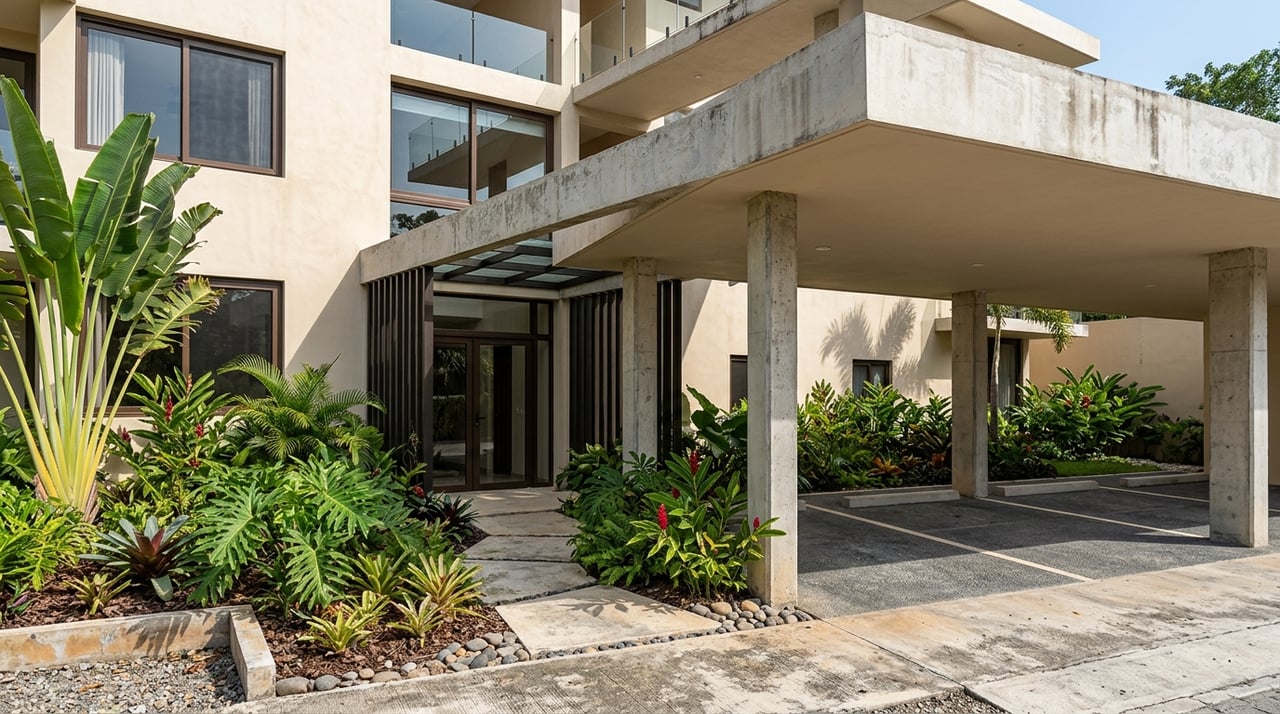
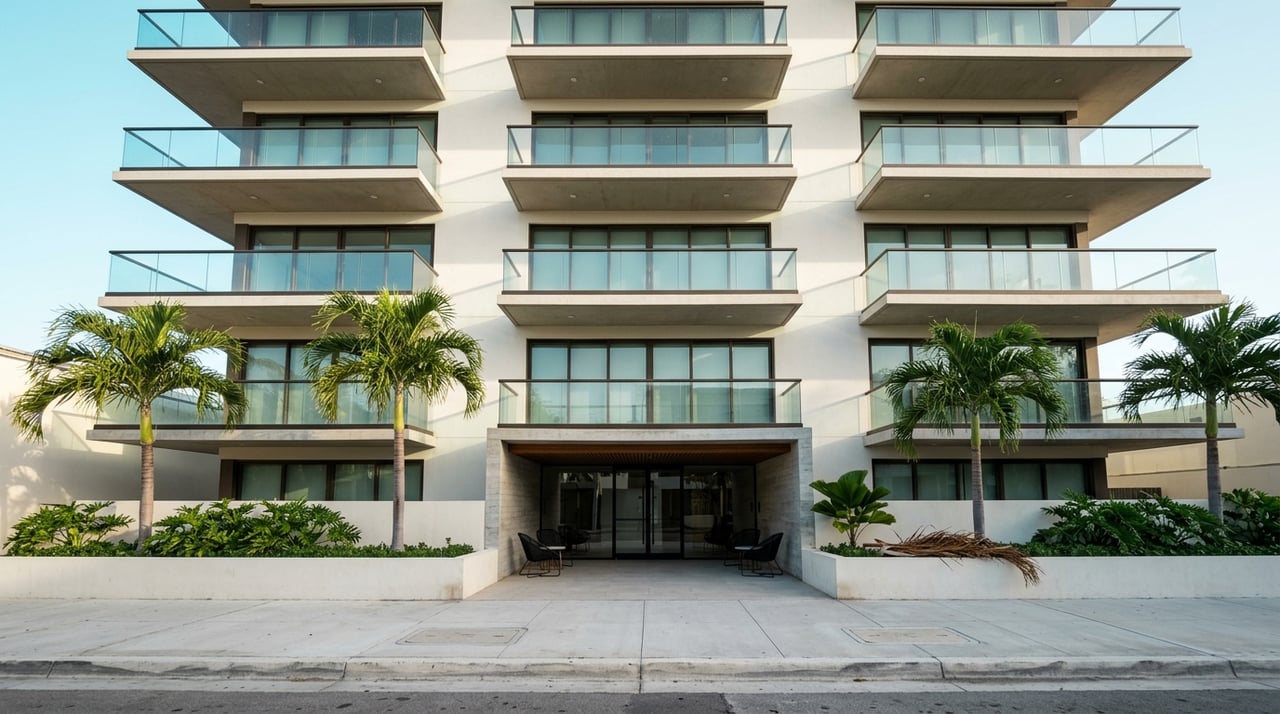
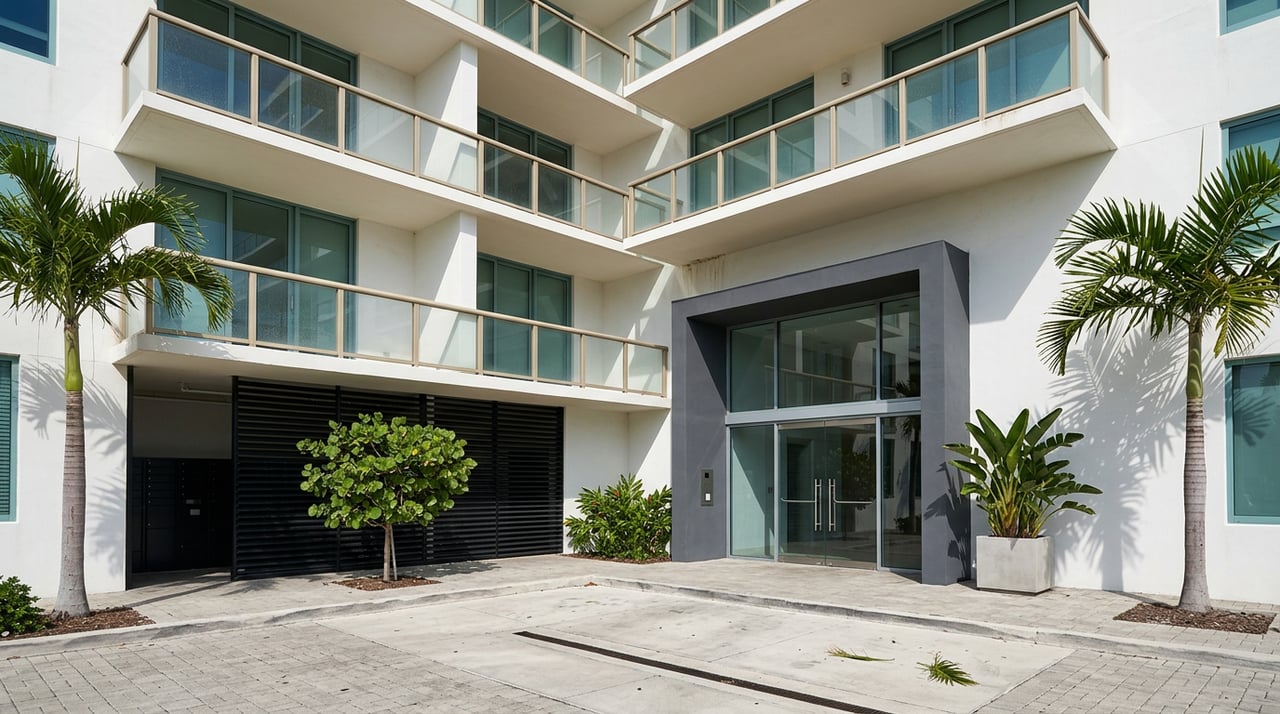
Condos and townhomes: You’ll see these along main corridors and near commercial areas. They offer lower maintenance for commuters and busy professionals. Parking is usually assigned, and you’ll want to check guest-parking rules.
Hilly residential pockets: Some areas sit on higher ground with potential views. If that interests you, check the grade of the access roads and confirm how comfortable you are with steeper drives in daily life.
Spanish is the dominant language in daily routines, and bilingual service is common in many private schools and businesses. You can handle most errands in Spanish or English, especially in banking, medical settings, and corporate environments.
Getting around and commutes
Most residents rely on private vehicles for day-to-day travel. Quick midday errands are simple, and off-peak drives to San Juan are generally straightforward. Peak traffic can be busy. If you commute to central San Juan or Hato Rey, plan extra time during rush hour, and test your route at the times you expect to travel.
Public transit exists but is limited compared with major U.S. metros. Parts of the metro are served by buses and the Tren Urbano, though access from specific Guaynabo neighborhoods varies. Many residents combine driving with rideshare for first or last mile connections when they use transit. If transit matters to you, confirm the closest stations or routes from the exact address you’re considering.
Parking norms vary by neighborhood. Single-family subdivisions and gated communities usually offer driveways or garages, while condo buildings may assign spaces and set guest-parking rules. If you plan to own multiple vehicles, check community policies before you commit.
Housing options and what to expect
Guaynabo offers a full spectrum of housing types:
Single-family homes: Older, tree-lined streets and newer subdivisions are both common. Many buyers prioritize yard space, private parking, and storage.
Gated communities: Often higher-end, with security features and shared amenities. HOA fees reflect those services, so budget for them.
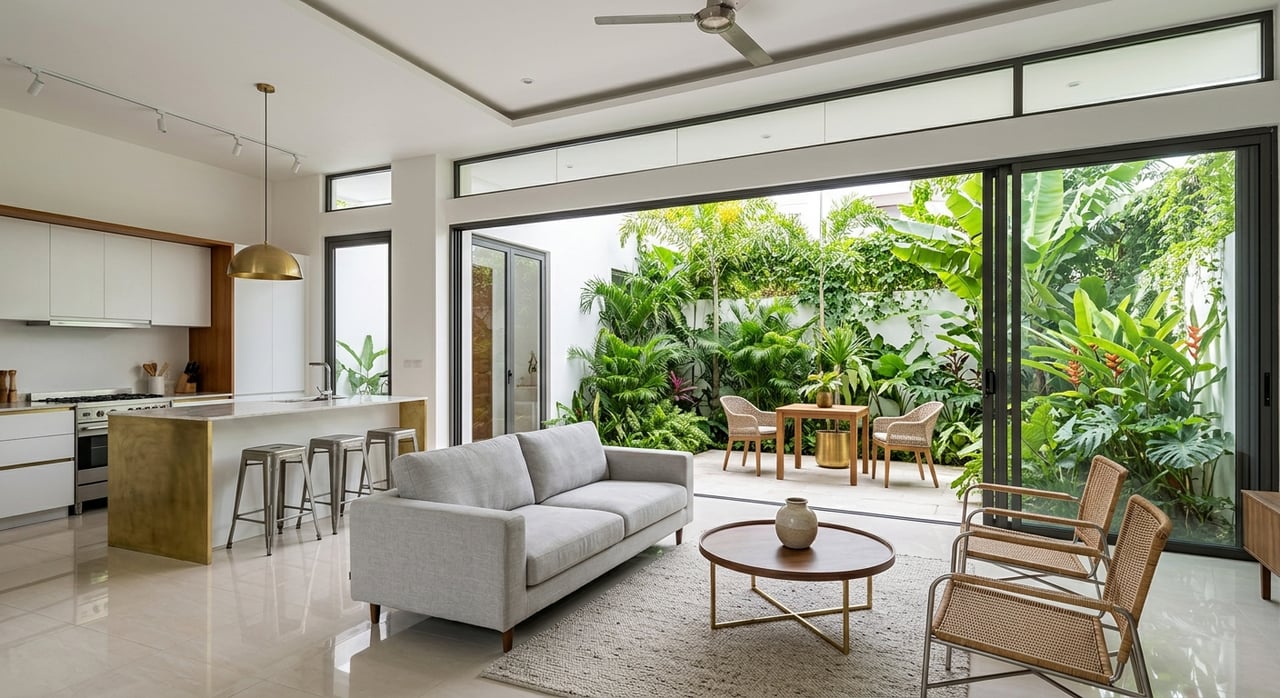
Condos and townhomes: Lower maintenance and centrally located. Expect association rules around renovations, pets, and rentals.
Small apartments and rentals: Good for shorter stays or testing the area before you buy. Availability depends on the season and overall demand.
Guaynabo is traditionally among the higher-priced areas in Puerto Rico relative to the island median. Exact prices depend on location, property type, and condition. Many buyers now prioritize resilience features like impact windows, reinforced roofs, and backup power. When touring, pay attention to roof age, elevation and flood zones, and the presence of storm protections.
Everyday amenities and services
Daily life is convenient. You’ll find supermarkets, pharmacies, hardware stores, and shopping plazas throughout town. Dining ranges from local bakeries and coffee spots to sit-down restaurants. On weekends, many residents mix errands with gym classes, kids’ activities, and meals with friends.
Healthcare is accessible within the greater metro. You can reach primary care, urgent care, and specialized services by car, and many residents travel into core San Juan or Río Piedras for advanced care. If proximity to a specific clinic is important, check drive times during the hours you’ll normally go.
Families can choose among public schools and several private, often bilingual options. School zoning, admissions, and tuition vary by campus, so confirm details directly with each school. When comparing options, consider commute times, transportation, and extracurricular offerings that fit your routine.
Parks and recreation are part of the rhythm here. You’ll see community parks, sports facilities, and fitness studios. Beaches in the San Juan area are within an easy drive, which makes spontaneous afternoon swims or early morning walks a part of life if you plan for traffic.
Utilities, internet, and preparedness
Most properties connect to island-wide services for electricity and water through regional providers. Reliability can vary by neighborhood, so it is smart to ask about service history when you tour a home. For internet, providers and speeds differ by address, especially in hilly areas or along older corridors. Always check availability and speeds at the exact property.
Hurricane readiness is part of homeownership. Many buyers ask about shutters, impact glass, roof condition, drainage, and elevation. If you are considering a home in a lower-lying area, review flood maps and ask about past water intrusion. A quick preparedness checklist helps:
- Confirm roof age, materials, and recent maintenance.
- Ask for any wind-mitigation upgrades or certifications.
- Verify drainage patterns and nearby stormwater paths.
- Review insurance coverage, deductibles, and exclusions.
- Consider backup power and water storage if it suits your lifestyle.
Cost of living snapshot
Outside of housing, living costs are similar to other parts of the San Juan metro. Groceries, gasoline, and imported goods can be higher than many mainland U.S. averages. Local services may be more affordable, and you will see competitive options for dining and personal care.
For a realistic budget, track your top categories: housing payment or rent, HOA fees if applicable, insurance, utilities, internet, and commuting. If you plan frequent trips off-island, add airport parking or rideshare to your monthly forecast.
Who thrives in Guaynabo
Commuting professionals: You can live on a quiet street and still reach San Juan business districts without giving up weeknight dinners out. A condo near main arteries keeps mornings simple.
Growing families: Subdivisions and gated communities offer space, yards, and organized rules that can make everyday life predictable. Proximity to schools and activities reduces weekday friction.
Retirees and downsizers: One-level homes or elevator buildings reduce maintenance. You are close to healthcare and services, with beaches and dining a short drive away.
Smart home shopping tips
Test the commute: Drive your route at typical rush-hour times and once on a weekend. Small differences in location can change your daily routine.
Study the association: If buying in a condo or gated community, review bylaws, budgets, reserves, and any pending assessments. Confirm pet rules, renovation policies, and rental restrictions.
Inspect for resilience: Ask about roof, windows, shutters, drainage, and any documented upgrades since recent hurricane seasons. Look for evidence of maintenance, not just new cosmetics.
Verify costs: Add property taxes, HOA fees, insurance, and utilities to your monthly budget. If you plan to finance, understand how HOA fees and insurance affect your debt-to-income.
Check address-level details: Confirm internet providers and speeds, school zoning, parking allocations, and flood zone status for the exact property.
Is Guaynabo right for you?
If you want suburban calm with easy access to San Juan’s jobs, shopping, and beaches, Guaynabo belongs on your shortlist. You get neighborhood variety, strong everyday amenities, and the flexibility to choose between single-family space or low-maintenance condo living. With thoughtful planning around commute, utilities, and storm readiness, daily life here is comfortable and connected.
Ready to tour neighborhoods and compare options side by side? Call Javi and the team at Mi Corredor for local guidance, on-the-ground insights, and a streamlined path to your next home.
FAQs
What is daily life like in Guaynabo for commuters?
- Most residents drive, with off-peak trips feeling quick and peak hours busier; test routes at your usual travel times to gauge realistic commute windows.
What housing types are common in Guaynabo?
- You’ll find single-family homes in established subdivisions, gated communities with amenities, and condo or townhome options along major corridors.
How should I plan for hurricane season as a homeowner?
- Verify roof condition, shutters or impact glass, drainage, elevation or flood zone, insurance coverage, and consider a backup power plan that fits your needs.
Are there public and private school options nearby?
- Yes, the area offers a mix of public schools and private bilingual options; confirm admissions, transportation, and tuition directly with each school.
What utilities and internet providers serve Guaynabo homes?
- Electricity and water are provided by island-wide utilities, while internet varies by address; always check service availability and speeds for the exact property.