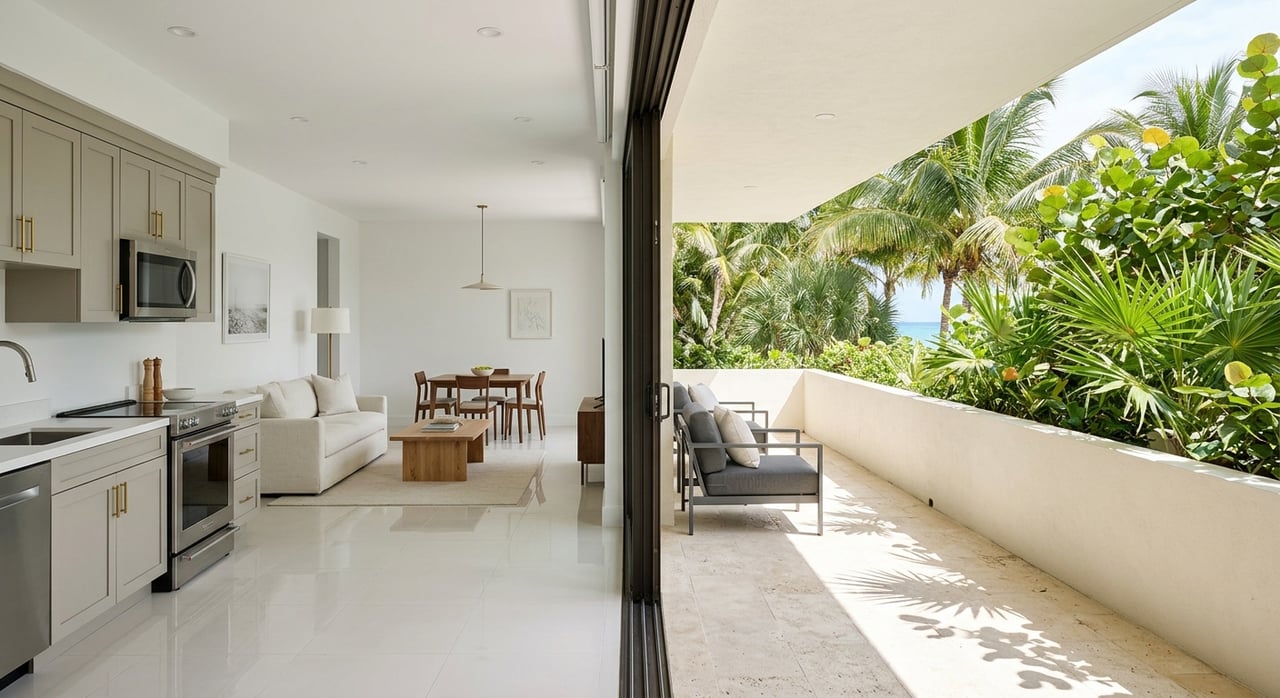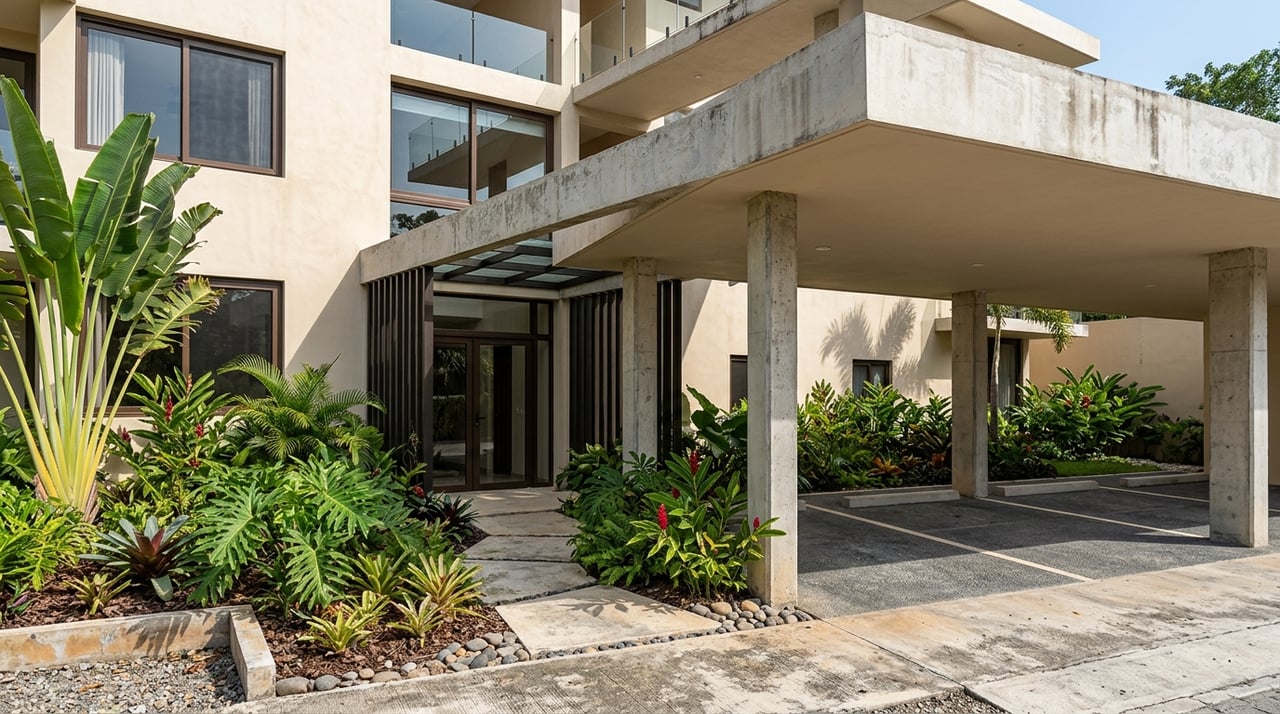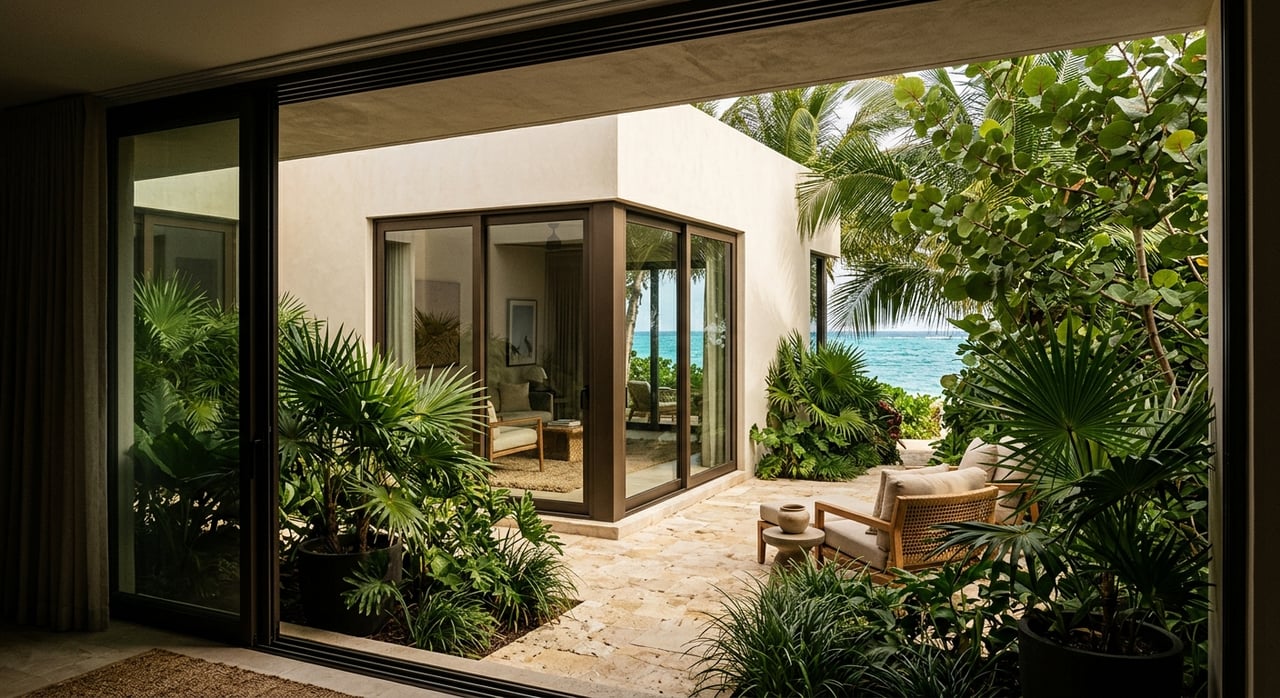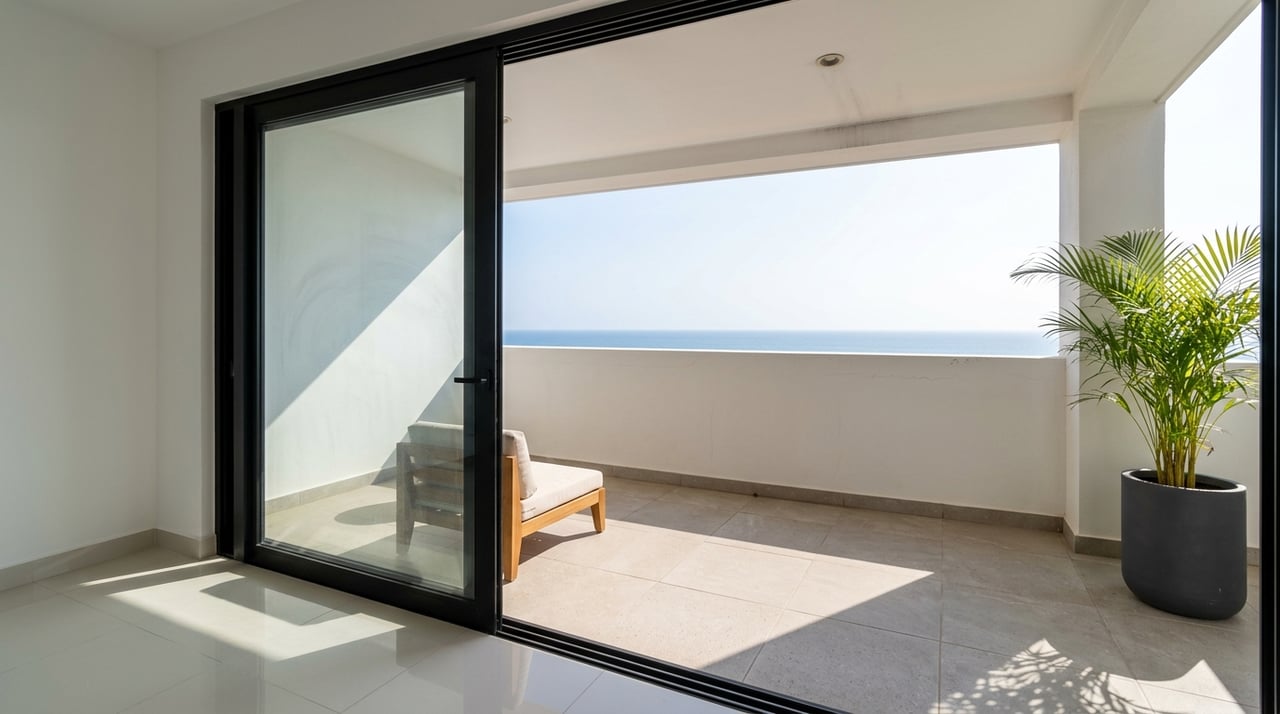
Buying a beachfront condo in Carolina while you are off-island can feel exciting and risky at the same time. You may be picturing ocean views and easy beach access, while also wondering how to verify the building, the flood exposure, the condo rules, and the closing process from a distance. The good news is that much of the transaction can be managed remotely when you have the right local support and a clear plan. Let’s dive in.
Why Carolina beachfront condos need extra care
Carolina’s best-known beachfront corridor is Isla Verde, which the Puerto Rico Tourism Company has described as an iconic high-density tourist area. That helps explain why beachfront condo purchases here often involve more moving parts than an inland condo purchase.
Puerto Rico’s coastal zone extends up to 1,000 meters inland and can extend farther when needed to protect coastal resources. For you as a buyer, that means a beachfront condo in Carolina should be treated as a coastal due diligence case, not just a standard condo purchase.
In practical terms, the unit itself is only part of the decision. You also need to confirm title, encumbrances, flood exposure, condo rules, tax status, and the building’s financial obligations before you commit.
What can be handled remotely
A lot of the back-end work can move forward even if you are not physically in Puerto Rico for every step. Puerto Rico’s Registry of Property is a public government record that shows owners, transactions, charges, and encumbrances, and its digital system has allowed online access 24/7 since 2016.
Carolina’s registry section is part of the metropolitan Santurce hub. The Registry also provides a form for notaries who present documents telematically, which helps a local broker, notary, and title professional keep the process moving while you remain off-island.
CRIM also offers online tools that can support remote due diligence. Through its portal, users can obtain account statements and value certifications, review debt, and submit electronic requests tied to ownership changes, valuation, investigation, segregation, transfer, and related services.
That said, remote does not mean hands-off. The deed, notarial process, registry follow-up, insurance coordination, and lender requirements still need local execution and close oversight.
Build your local team early
When you are buying from afar, speed and communication matter even more. A responsive local team can arrange access, coordinate with the notary and lender, monitor paperwork, and flag issues before they become closing delays.
This is especially important in Carolina’s coastal condo market, where records, building rules, inspections, and insurance details can all affect your timeline and your budget. In a tourism-heavy area like Isla Verde, questions about vacation use, rental rules, and storm exposure often matter just as much as finishes and views.
A strong local team should help you stay informed without overwhelming you. That means clear updates, practical next steps, and prompt follow-through while you focus on the bigger decision.
Check title and public records first
Before you get too far into the purchase, confirm what the public records show. The Registry of Property can reveal ownership history, recorded transactions, charges, and encumbrances that may affect the condo.
This step matters because recorded issues can change the real value and usability of the property. If you are buying remotely, you want those questions answered early, not a few days before closing.
Tax records deserve the same attention. CRIM’s online services can help verify statements, debt, and ownership-related information, but your local team should still confirm that post-closing updates are completed correctly.
Review condo rules before you rely on flexibility
A beachfront condo purchase is not just about your unit. It is also about the condominium regime, the fees you will pay, and the rules that govern how the property can be used.
Puerto Rico’s 2020 Condominium Law makes the Council of Titulares the governing body of the condominium. It also ties owners to common expenses that can include maintenance, insurance premiums, reserve fund contributions, and special assessments.
If you are considering personal use plus occasional rental income, read the declaration, bylaws, fee structure, rental rules, and any history of assessments carefully. Those documents can shape how flexible the property really is and what your total carrying costs may look like.
Under Puerto Rico law, a short-term rental is a rental of less than 90 consecutive days. Short-term rentals generally cannot be prohibited unless the master deed or rules expressly prohibit them or establish a minimum term, and condo rules may regulate how they operate, including special monthly charges that cannot exceed the maintenance fee.
That does not mean every beachfront condo works the same way. You should confirm the exact building rules before assuming the condo can support short-term rental activity or a specific use pattern.
Compare the real monthly cost
Your monthly payment is more than principal and interest. In a beachfront condo, taxes, association dues, insurance, and possible special assessments can materially affect affordability.
When you compare mortgage offers, make sure you are looking at the full picture. The Loan Estimate should include estimated property taxes and condo or HOA dues, which can help you see the true monthly cost rather than just the headline payment.
The Consumer Financial Protection Bureau recommends requesting multiple Loan Estimates. Lenders must provide one within three business days after a complete request, and comparing offers can save about $600 to $1,200 per year.
Inspection and appraisal are not the same
This is one of the most important points for remote buyers. An appraisal and an inspection serve different purposes, and you generally need both.
A lender usually requires an appraisal, but an independent inspection is still critical. The inspection should happen early enough that, if your contract allows, you can renegotiate or cancel based on unsatisfactory findings.
For a beachfront condo in Carolina, this distinction matters even more. Water intrusion, wear, and storm exposure can affect the unit, the building, or both, and an appraisal is not a substitute for a detailed property inspection.
Put flood and insurance review on your must-do list
Flood review should never be treated as an optional extra in a Carolina beachfront purchase. FEMA says flood maps show community flood risk, can affect insurance requirements and building code considerations, and should be reviewed for updates because flood hazards can change over time.
For you, that means checking the flood map, not just relying on a quick flood-zone label from a listing or casual conversation. In a coastal area, map details can influence insurance requirements, lender conditions, and your long-term costs.
Insurance also needs a two-part review. Standard homeowners insurance typically does not cover flood damage, and while condo association fees usually include master insurance for common areas, you still need your own unit coverage.
Flood insurance is available for condos. FEMA also notes that high-risk coastal Zones V and VE carry storm-wave hazards, and in communities that participate in the National Flood Insurance Program, flood insurance is mandatory for federally backed mortgages in high-risk flood zones.
Leave time for final review
Even when everything feels on track, do not rush the final numbers. Mortgage rules give borrowers three business days to review the Closing Disclosure before closing.
Use that time to compare the final terms against the earlier Loan Estimate and ask questions about any changes. This is your chance to catch errors, confirm costs, and make sure the condo dues, taxes, insurance, and lender charges line up with what you expected.
For an off-island buyer, this review window is especially valuable. It creates a built-in pause so you can make decisions carefully instead of reacting under pressure.
A simple remote buying checklist
If you want to keep the process organized, focus on these steps:
- Confirm title, charges, and encumbrances through the Registry of Property
- Review CRIM records for tax statements, debt, and ownership details
- Read the condo declaration, bylaws, fees, reserve obligations, and rental rules
- Compare multiple Loan Estimates, not just one lender quote
- Order an independent inspection and understand how it differs from the appraisal
- Review flood maps and insurance needs early in the process
- Use the three-day Closing Disclosure review period to verify final numbers
- Work with a responsive local team that can coordinate access, paperwork, and follow-up on the ground
Buying a beachfront condo in Carolina from afar is absolutely possible, but it works best when you treat it like a location-specific purchase instead of a generic condo deal. The right process helps you protect your budget, avoid surprises, and move forward with more confidence.
If you are exploring Carolina beachfront condos and want local guidance that is responsive, clear, and hands-on from start to close, connect with Mi Corredor.
FAQs
Can a Carolina beachfront condo purchase be handled remotely?
- Yes. Many back-end steps can be handled remotely because Puerto Rico’s Registry of Property has online access and CRIM offers digital services, but deed, notarial, registry, insurance, and lender steps still require local coordination.
What should you verify before buying a condo in Isla Verde, Carolina?
- You should verify title, encumbrances, tax status, flood exposure, condo rules, common fees, reserve obligations, and any history of special assessments before closing.
How do short-term rental rules work for condos in Puerto Rico?
- Under Puerto Rico’s 2020 Condominium Law, a short-term rental is a rental of less than 90 consecutive days, and it generally cannot be prohibited unless the master deed or condo rules expressly prohibit it or set a minimum term.
Why do flood maps matter for a beachfront condo in Carolina?
- Flood maps matter because they show community flood risk, can affect insurance requirements and building code considerations, and may change over time.
Do you need both an inspection and an appraisal for a Carolina condo purchase?
- Yes. An appraisal is usually required by the lender, while an independent inspection helps you evaluate the actual condition of the unit and building-related concerns.
When do you review final mortgage numbers for a remote condo closing?
- Borrowers get three business days to review the Closing Disclosure before closing, which gives you time to check the final numbers and ask questions.