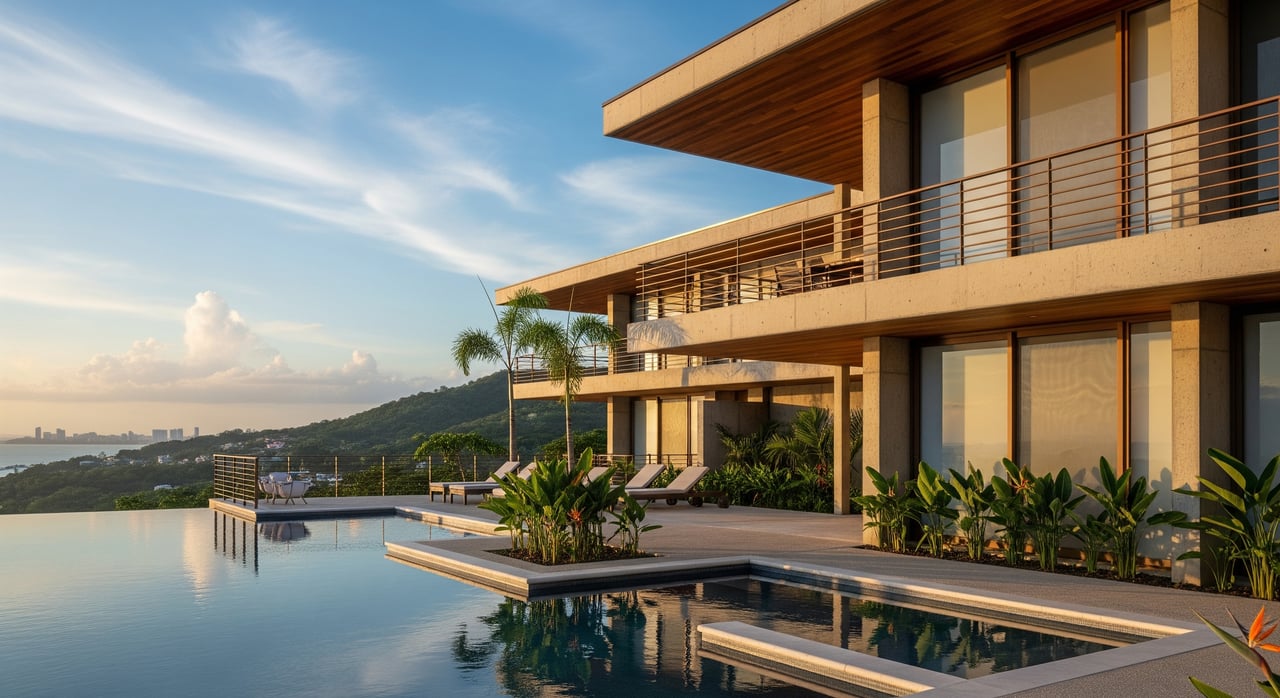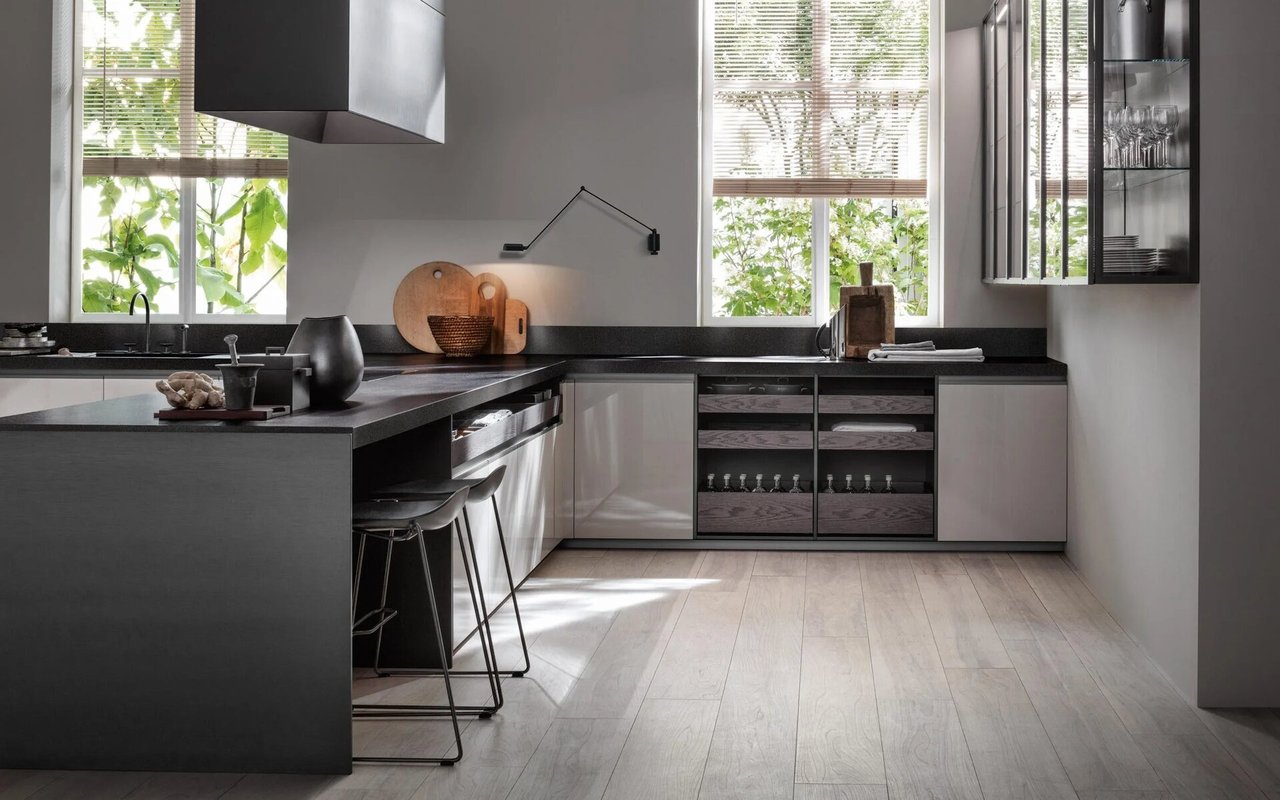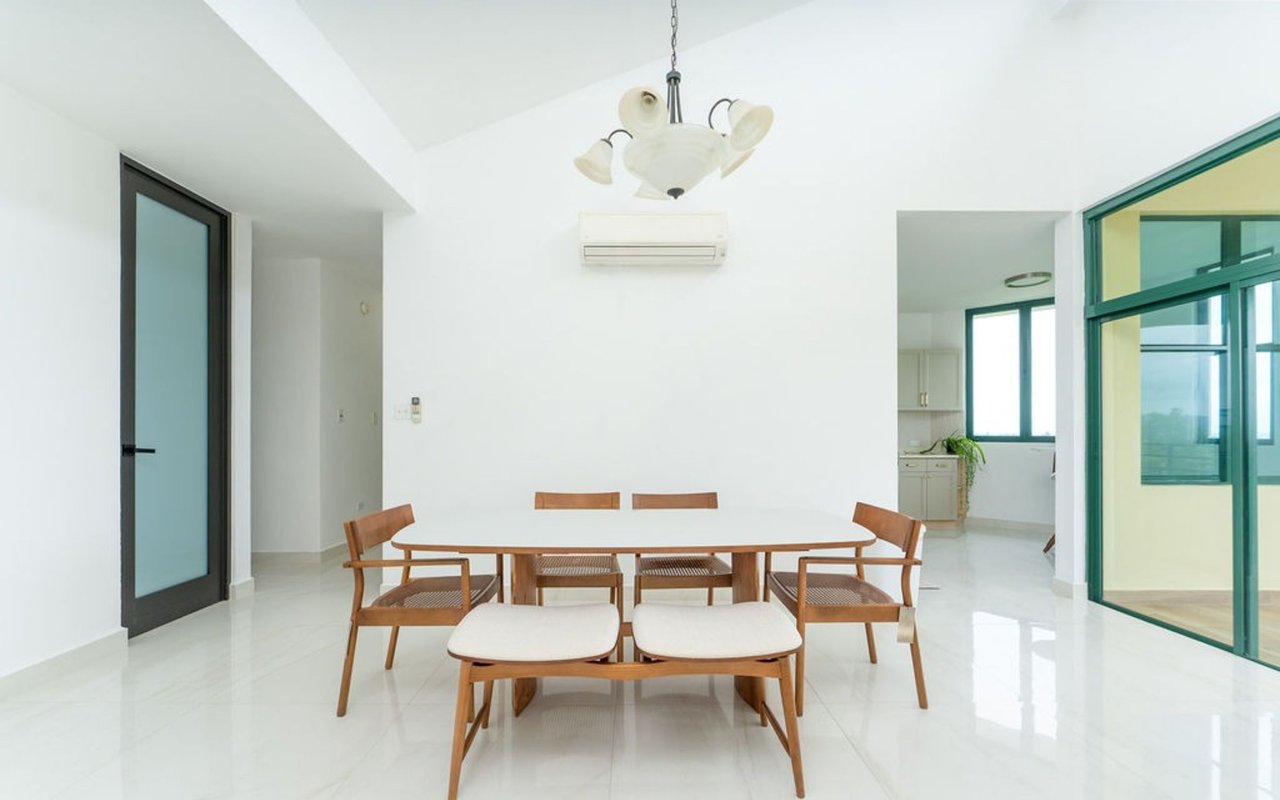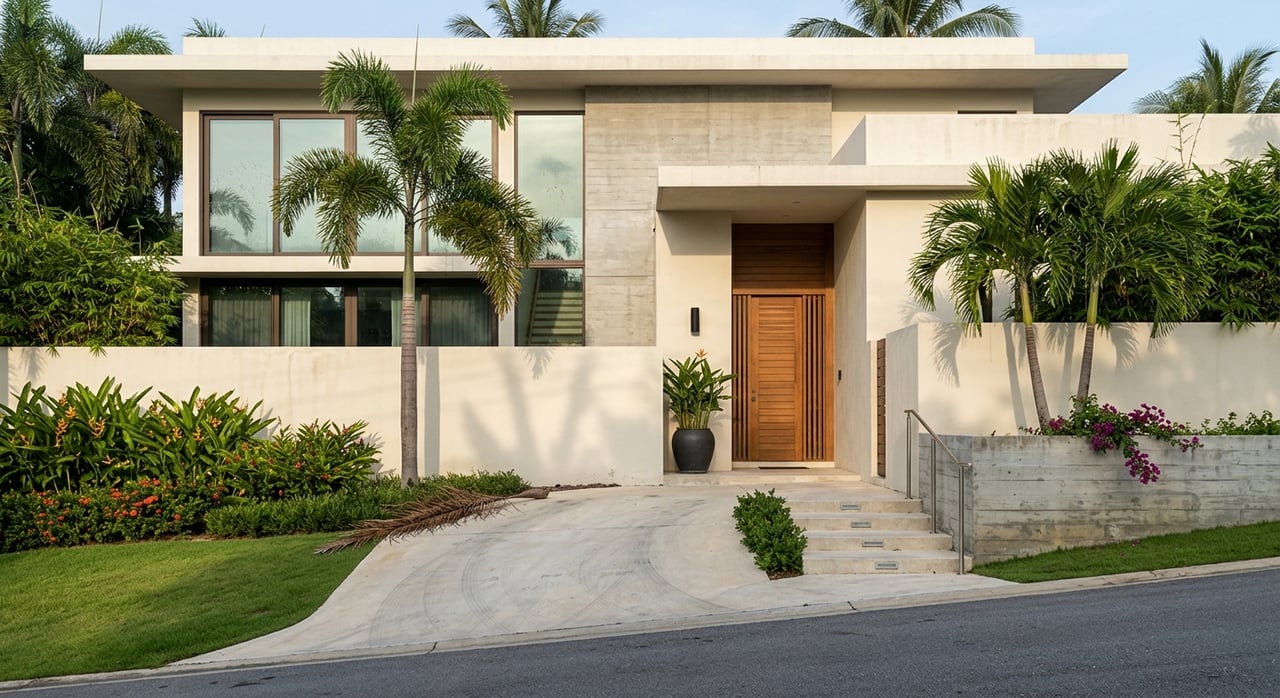
Looking for more privacy without giving up metro convenience? That is exactly why so many buyers look at Guaynabo. If you are trying to understand what “gated community” and “suburban living” really mean here, this guide will help you sort through the options, daily lifestyle, and tradeoffs so you can choose with confidence. Let’s dive in.
What Guaynabo suburban living means
Guaynabo sits within the San Juan metro area, but it does not feel the same in every direction. The municipality includes a mix of urban and suburban environments, with established residential zones spread across 10 barrios and several planned districts such as Centro Tradicional, Esmeralda, Amelia, Hato Nuevo, La Muda, and the Tren Urbano/Torrimar area.
That mix is a big reason buyers are drawn here. You can stay close to San Juan and Bayamón while still finding neighborhoods with a quieter, more residential feel. In practical terms, Guaynabo often appeals to buyers who want access to the metro core but prefer more privacy, more controlled access, and a more settled day-to-day environment.
The numbers support that stable, established feel. Census data shows a 2025 population of 89,055, with 36,309 households, 72.4% owner-occupied housing, and 93.5% of residents living in the same home one year earlier. For many buyers, that suggests a municipality with long-term residents rather than a highly transient market.
What gated communities usually mean here
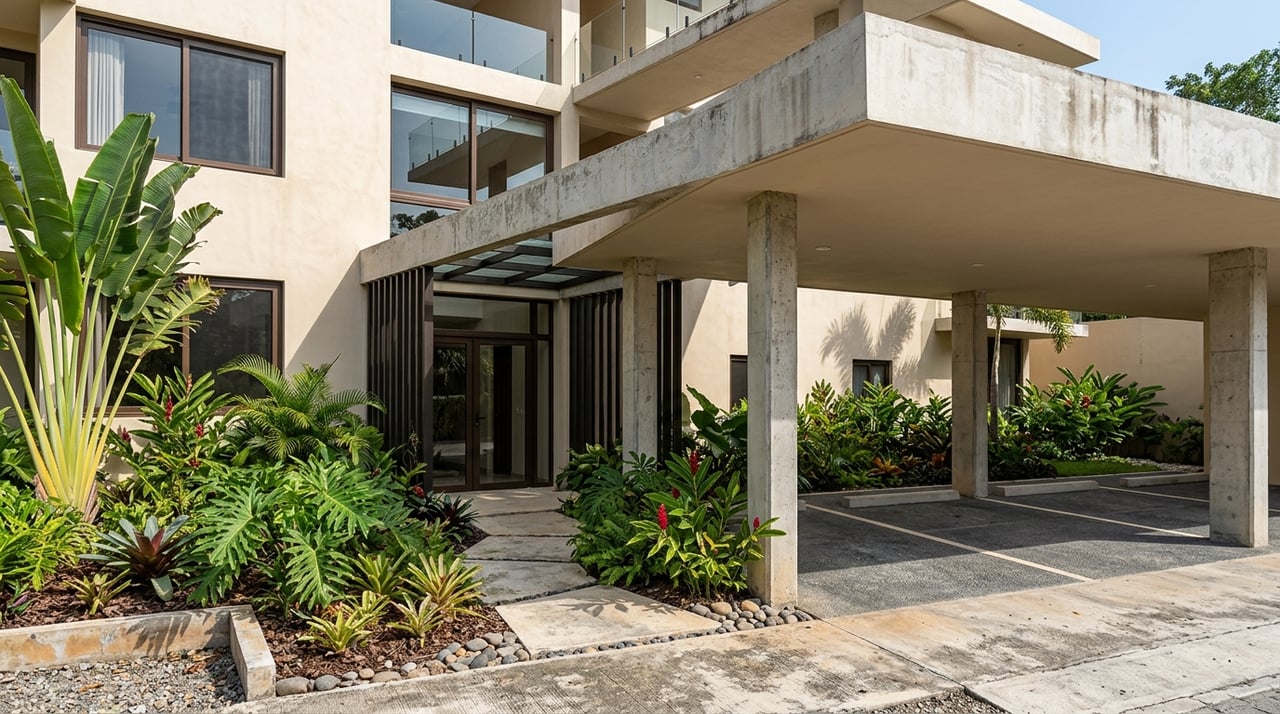
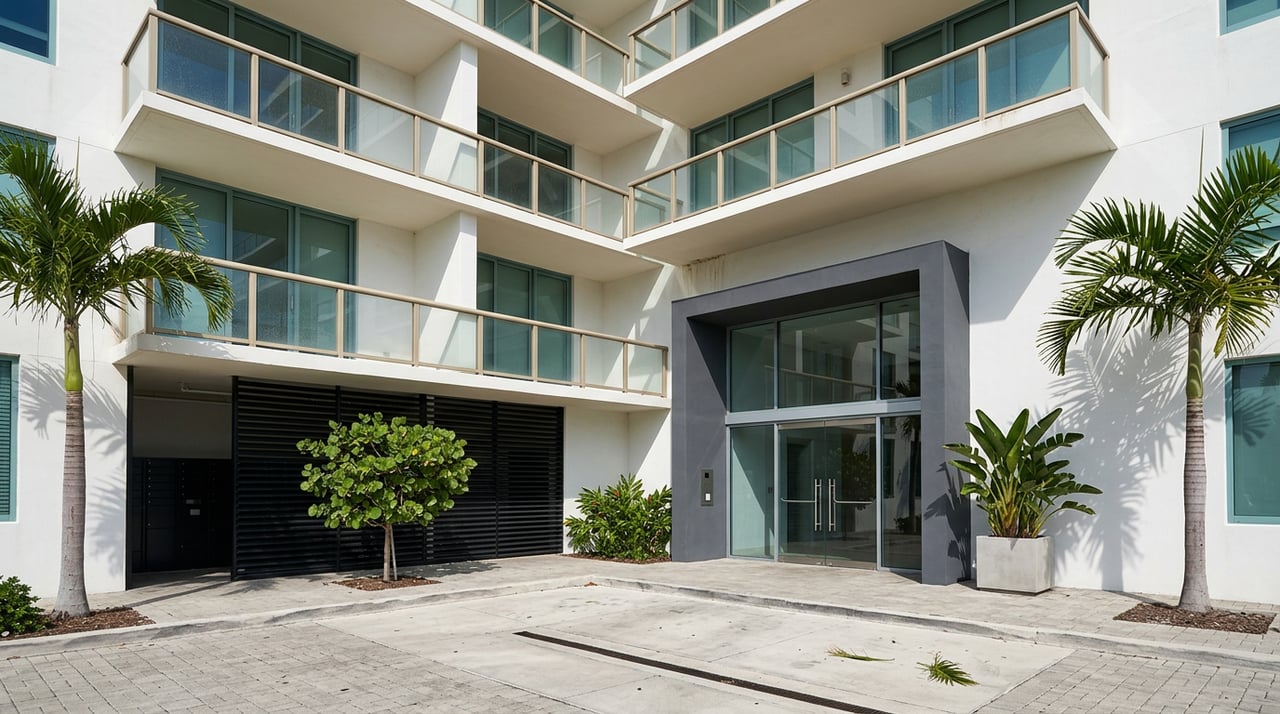
In Guaynabo, a gated community usually means an urbanización or condominium community with some form of access control. It does not automatically mean a resort-style enclave with every amenity bundled in. That distinction matters because buyers sometimes arrive with expectations shaped by other markets.
Municipal planning materials make it clear that controlled-access living is a normal part of Guaynabo’s housing landscape. The planning office offers certifications related to access controls, and local ordinances refer to private properties with gates and established urbanizaciones. In other words, gated living is not unusual here. It is part of the municipality’s regular residential fabric.
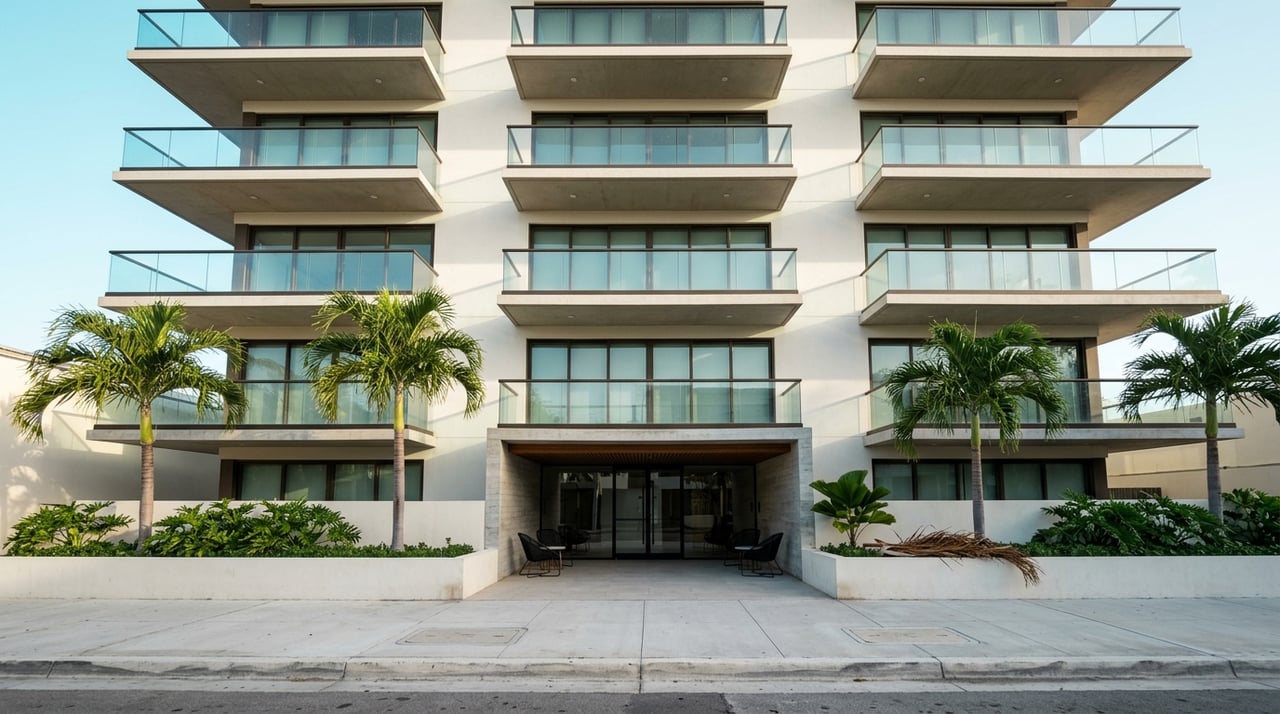
That also means the gated experience can vary a lot from one property to another. Some communities may focus mainly on controlled entry and neighborhood organization, while others may be condo-based and tied to a denser, more vertical lifestyle. The right fit depends less on the word “gated” and more on how you want to live every day.
Guaynabo housing types vary by area
One of the most important things to understand is that Guaynabo is not a one-format market. Municipal analysis identifies 41,927 housing units and describes the city’s residential makeup as a mix of urbanizaciones, condominios, public housing, sectors, and communities.
Condominium-heavy pockets are concentrated in Caparra and San Patricio, with another major concentration near Lomas Verdes and Las Cumbres. That creates a layered market where condo living, controlled-access neighborhoods, and more traditional suburban residential areas exist side by side.
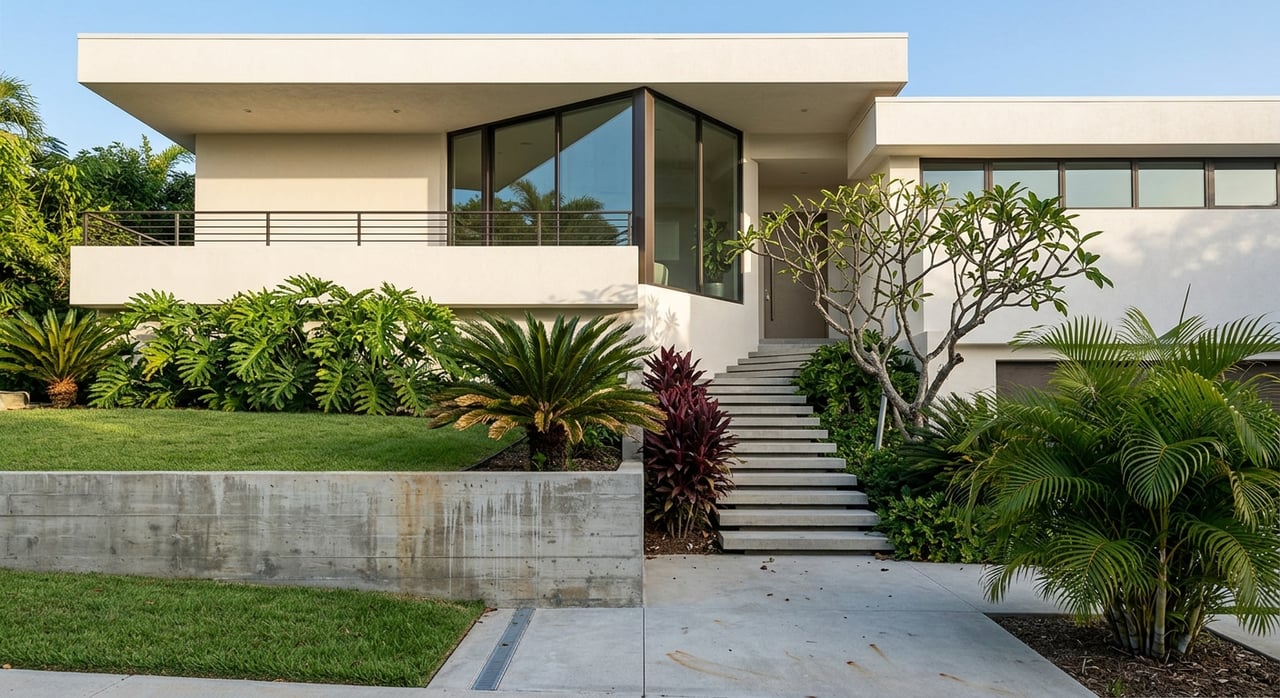
For you as a buyer, that means your search should start with lifestyle priorities, not just property type. If you want lower-maintenance living near services and commercial areas, certain condo-heavy zones may make sense. If you want a more classic suburban setting, other parts of Guaynabo may align better.
Which parts feel more suburban
Density is one of the clearest clues to how an area may feel on the ground. Guaynabo averages 1,255 people per square kilometer, but that number changes sharply by barrio.
Lower-density barrios include Sonadora at 167, Mamey at 429, Hato Nuevo at 475, and Río at 466 people per square kilometer. These areas can offer a more suburban feel compared with denser parts of the municipality. On the other end, Frailes reaches 2,839 and Pueblo 2,135, which often translates to a more built-out environment.
The municipality’s largest housing counts are in Frailes, Pueblo Viejo, and Santa Rosa. So even within Guaynabo, you can move between busier residential corridors and quieter edges without leaving the city. That flexibility is one of Guaynabo’s biggest strengths for buyers who want options.
What price ranges buyers may see
Guaynabo supports a broad range of price points, which is another reason it attracts different kinds of buyers. Municipal 2022 housing data shows the largest share of owner-occupied homes in the $200,000 to $299,999 range.
After that, the next largest shares fall into the $300,000 to $499,999 range and the $500,000 to $999,999 range. There is also a smaller but real $1 million-plus segment. For buyers, that means Guaynabo can work for move-up purchases, higher-end suburban homes, and some luxury opportunities depending on area and property type.
This range also matches Guaynabo’s mixed housing stock. You are not looking at a municipality defined by only entry-level housing or only luxury inventory. Instead, you are looking at a market with multiple paths depending on your goals, budget, and preferred level of privacy.
Daily life in Guaynabo
Guaynabo’s lifestyle is best described as suburban-service oriented. It is less about resort living and more about having practical amenities, recreation, dining, and medical services woven into everyday life.
The municipality highlights places such as La Marquesa Forest Park, which includes trails, views, play areas, and a cable car. It also points to arts programming around the Luis A. Ferré School of Fine Arts, the Amelia waterfront cultural zone, and municipal sports programs. These features add variety to daily life without requiring you to leave the municipality for every activity.
For routine needs, service nodes matter just as much as recreation. Municipal transit and service information show activity clustered around places like Shopping Alejandrino, Plaza del Comerciante, San Patricio Plaza, Garden Hills Shopping, and Hospital Medical Mall. If convenience matters, being near these nodes can make a noticeable difference.
Dining and errands shape convenience
One standout corridor is Avenida Esmeralda. The municipality describes it as Guaynabo’s principal gastronomic center, with more than 30 restaurants offering Puerto Rican, Italian, Mexican, Cuban, Peruvian, Colombian, Asian, and fusion cuisine.
That may sound like a small detail, but it shapes lifestyle more than many buyers expect. In a suburban municipality, easy access to dining, coffee spots, and everyday errands often defines whether an area feels convenient. If you want quick outings and regular options close to home, these service-rich corridors deserve attention.
This is also where local guidance matters. Two neighborhoods can both be in Guaynabo and offer very different patterns for groceries, medical visits, dining, and traffic flow. Knowing how your daily routine maps onto the area is just as important as liking the house itself.
Family support and local services
For households focused on day-to-day logistics, Guaynabo offers a notable municipal support system. The municipality runs Head Start and Early Head Start for 576 children across 13 centers and 30 classrooms.
It also provides school transportation through contracted carriers, including service for special education students. Along with medical infrastructure such as Guaynabo Medical Mall and clinics in Amelia and Hato Nuevo, these services can be meaningful for buyers who are planning around routine care, transportation, and daily structure.
The main takeaway is simple. If you are comparing communities, look beyond the home and ask how municipal services fit your lifestyle. In many cases, those practical details are a major part of Guaynabo’s appeal.
Commuting in Guaynabo
Guaynabo works well for many metro-area commutes, but it is still largely car-first. The municipality operates public transportation Monday through Friday from 6:00 a.m. to 5:00 p.m. and Saturdays from 8:00 a.m. to 4:00 p.m., with routes serving areas such as Amelia, Torrimar, Esmeralda, Santa Rosa, Hato Nuevo, Mamey, Barrio Río, and more.
Several routes connect with the Tren Urbano at Martínez Nadal and with important civic and commercial nodes. The Tren Urbano also links Guaynabo with San Juan and Bayamón, while major corridors such as PR-20, PR-165, PR-177, and PR-199 support regional movement.
Still, the day-to-day reality is suburban. Route choice, parking, and peak-hour traffic matter. If your schedule depends on fast access to a specific part of the metro area, it is smart to evaluate that commute early in your search.
Tradeoffs to think through before you buy
Guaynabo offers real advantages, but every buyer should go in with a clear picture of the tradeoffs. A gated setting may offer more privacy and a more controlled residential environment, but it does not automatically solve every lifestyle need.
Before you decide, verify details such as access-control rules, HOA or maintenance fees, parking, and flood-zone status. Municipal housing information also flags flood and landslide exposure as important factors, so location-specific due diligence matters.
This is especially important because Guaynabo includes both high-density residential pockets and lower-density suburban barrios. Two properties may both be in “Guaynabo,” yet offer very different experiences in terms of traffic, layout, access, and upkeep.
How to choose the right fit
A smart way to narrow your search is to start with your daily priorities. Ask yourself whether you care most about privacy, quick errands, lower maintenance, commute convenience, or access to services.
If walkability and easy errands are higher on your list, transit-adjacent or mixed-use areas may be worth a closer look. If privacy and a more suburban feel matter more, lower-density barrios such as Mamey, Hato Nuevo, Sonadora, and Río may align better with your goals.
You do not need the “best” area in general. You need the area that fits how you actually live. That is where a local, neighborhood-level approach can save you time and help you avoid expensive mismatches.
If you are exploring Guaynabo gated communities or trying to compare suburban pockets within the municipality, working with a local team can help you filter options faster and focus on what fits your lifestyle, budget, and commute. When you are ready to start your search, connect with Mi Corredor for personalized guidance.
FAQs
What does a gated community in Guaynabo usually include?
- In Guaynabo, gated living usually means an urbanización or condominium community with some level of access control, rather than a resort-style development with extensive amenities.
Which parts of Guaynabo feel more suburban?
- Lower-density barrios such as Sonadora, Mamey, Hato Nuevo, and Río generally offer a more suburban feel than denser areas like Frailes and Pueblo.
Is Guaynabo a good choice for commuting into the metro area?
- Guaynabo can work well for metro commutes because of access to the Tren Urbano and major roads like PR-20, PR-165, PR-177, and PR-199, but many daily routines still depend on driving.
What housing types can buyers find in Guaynabo?
- Buyers can find a mix of urbanizaciones, condominiums, sectors, communities, and other residential formats across the municipality.
What should buyers verify before purchasing in a Guaynabo gated community?
- Buyers should confirm access-control rules, HOA or maintenance fees, parking, and flood-zone status before making a decision.
Are there convenient dining and service areas in Guaynabo?
- Yes. Avenida Esmeralda is a major dining corridor, and service nodes include places like San Patricio Plaza, Shopping Alejandrino, Plaza del Comerciante, Garden Hills Shopping, and Hospital Medical Mall.