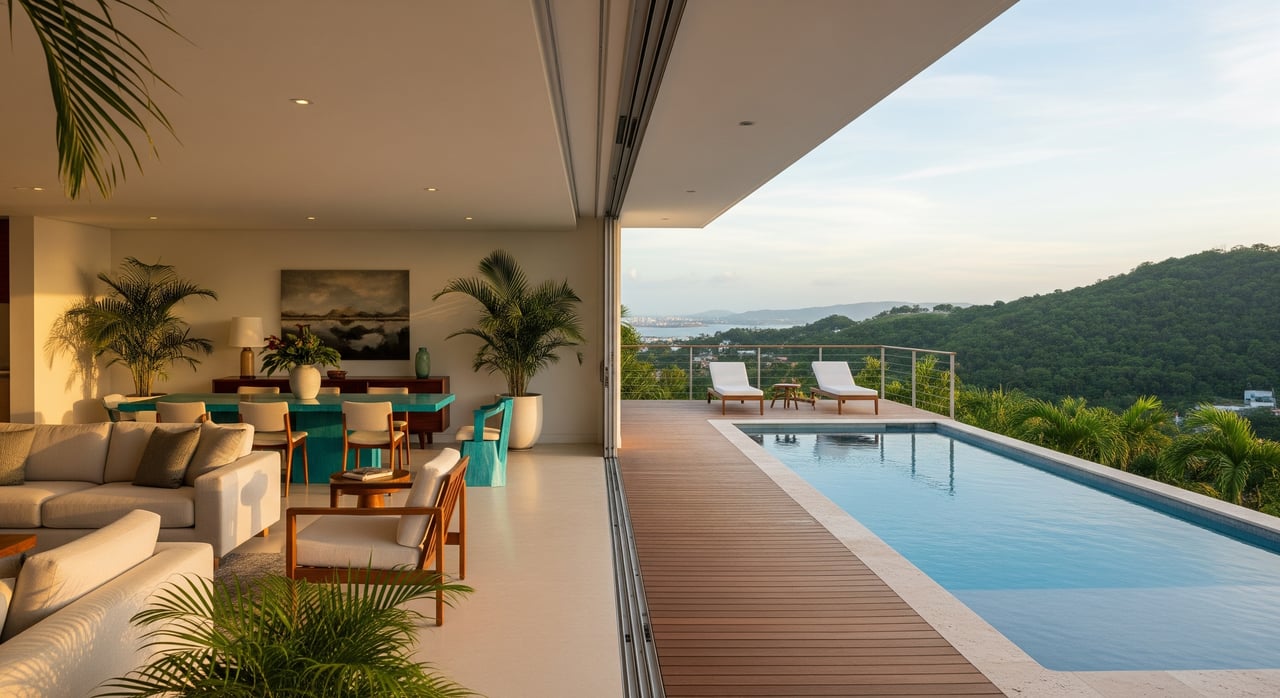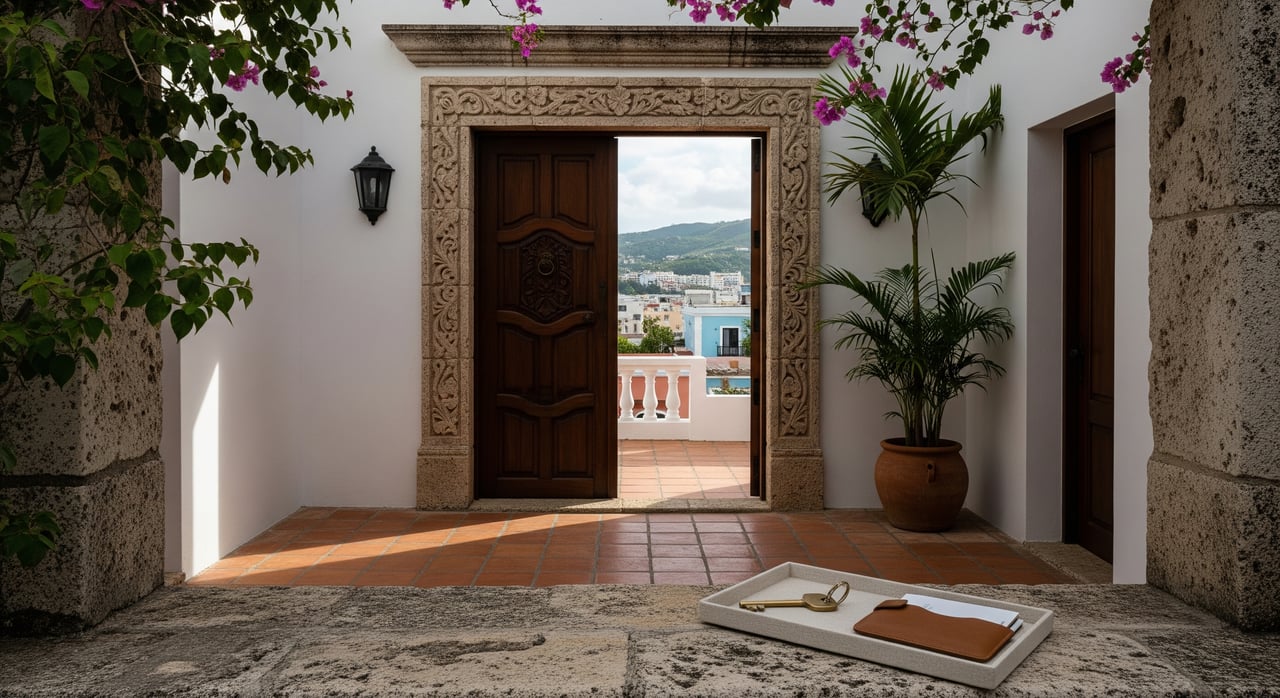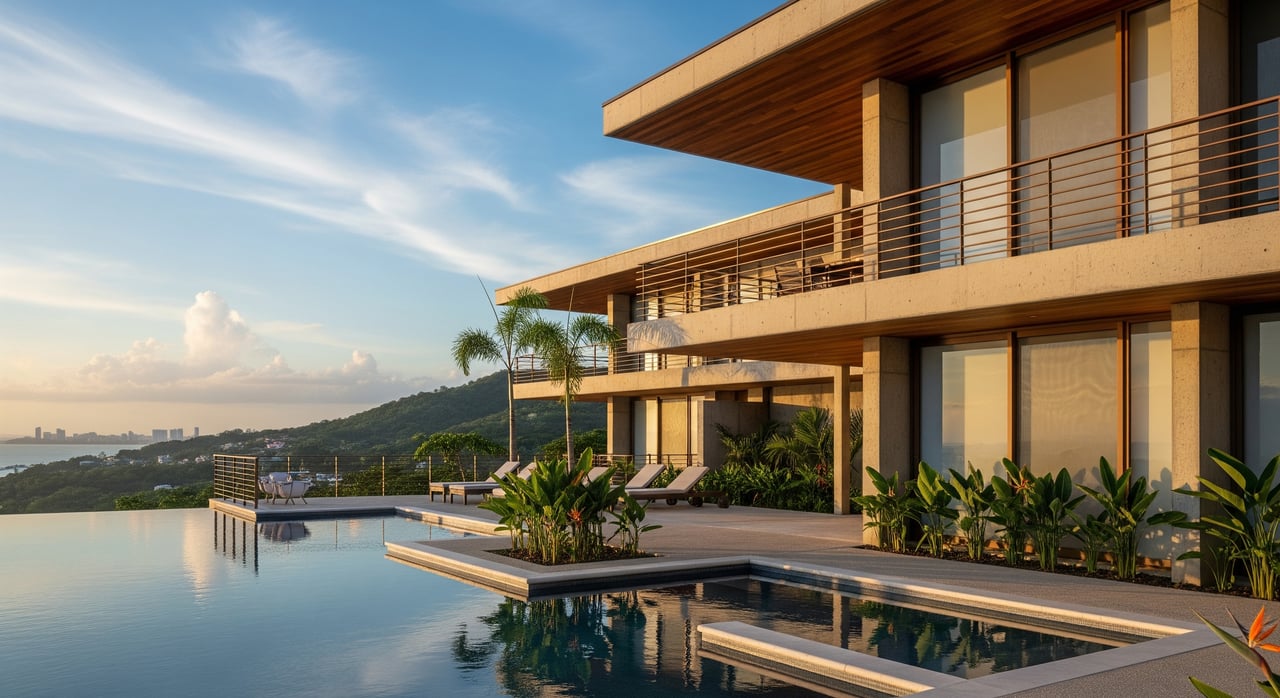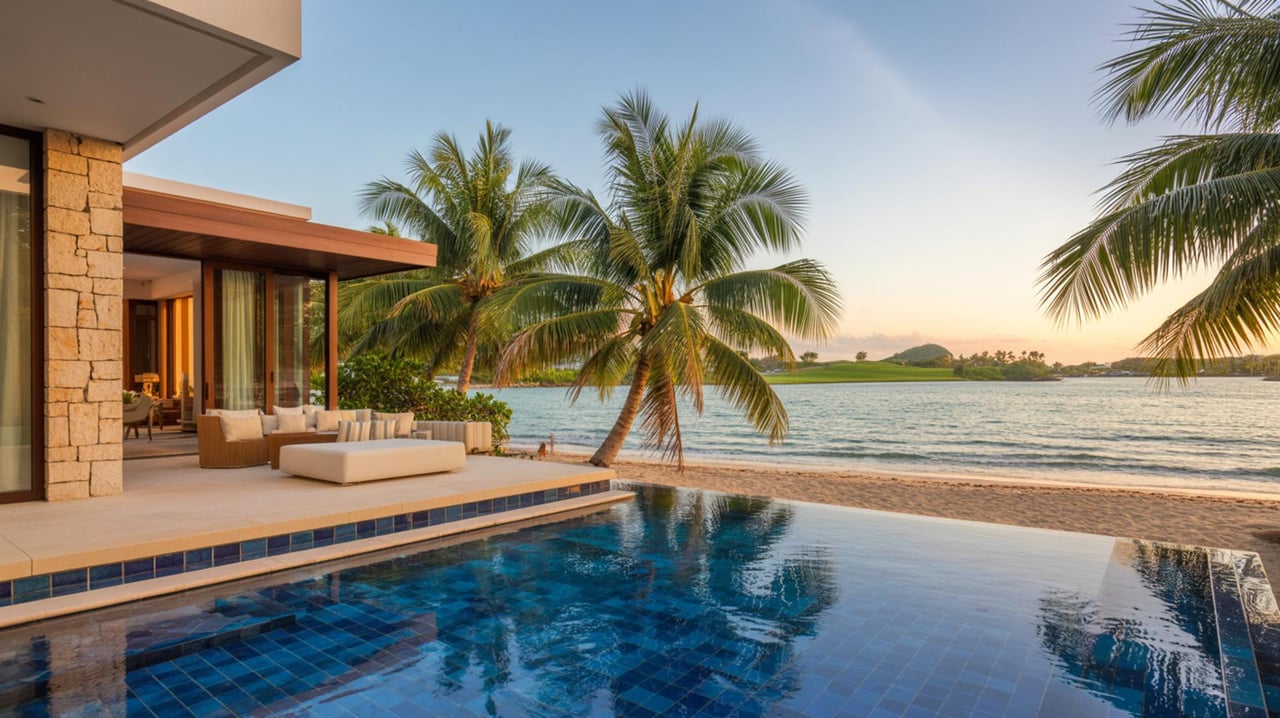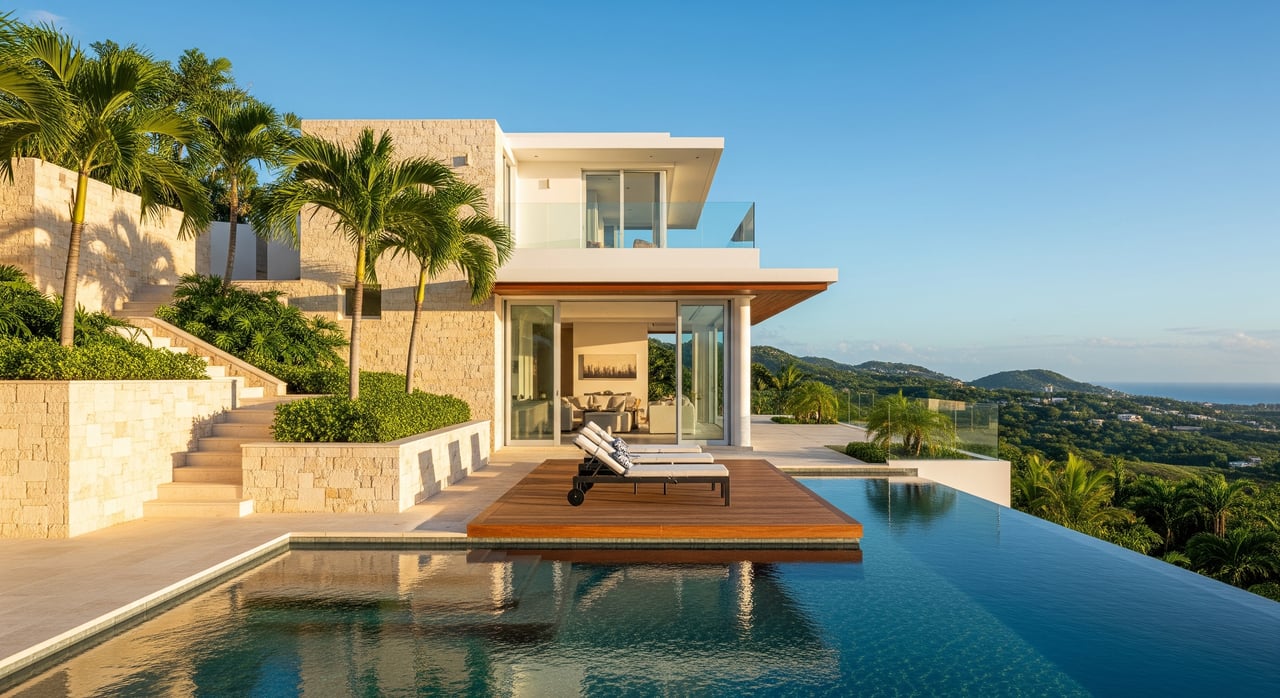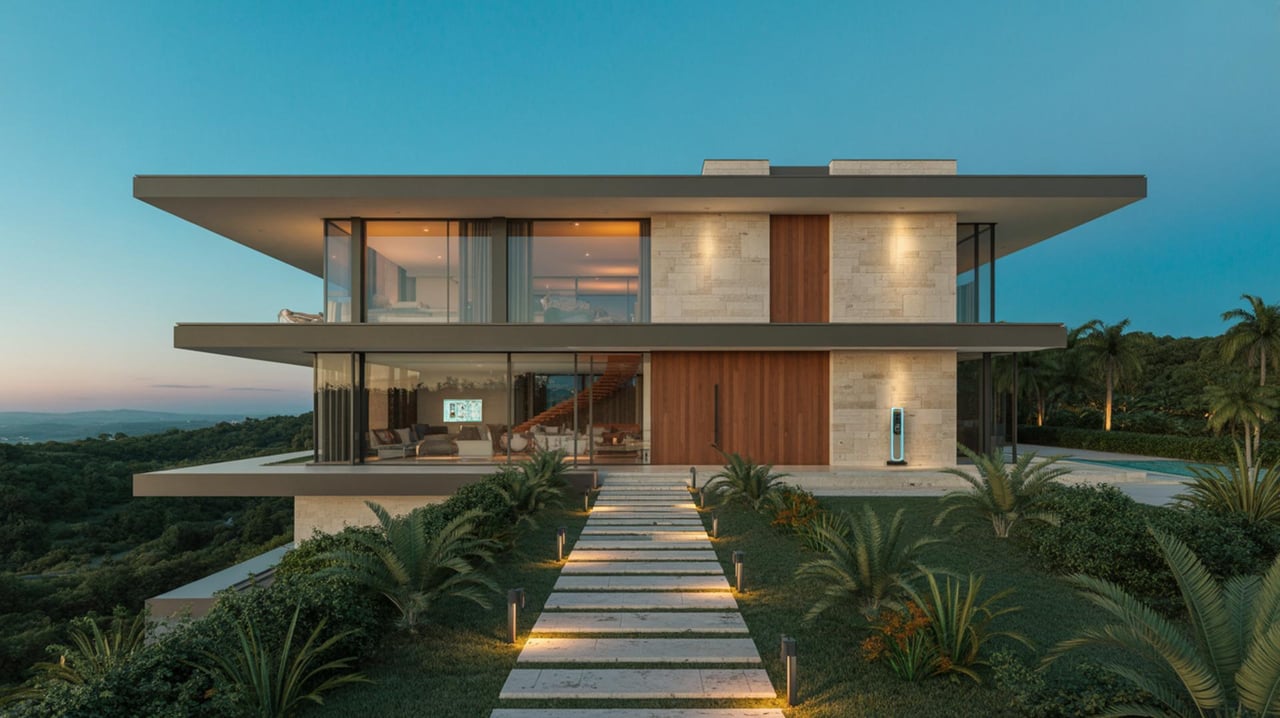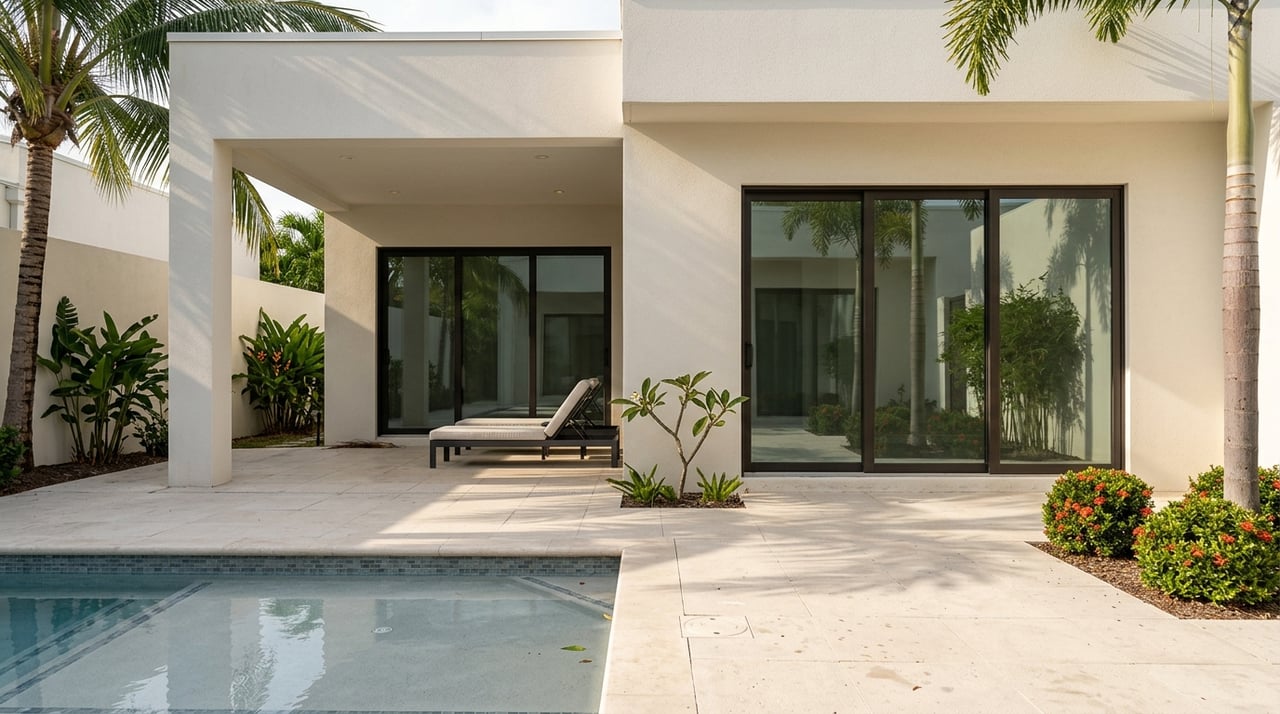
Thinking about buying a second home in Dorado? It is easy to picture the beach days, golf mornings, and quick flights in and out, but seasonal living here works best when you understand the day-to-day reality behind the lifestyle. If you want a home you can truly enjoy without surprises, it helps to know how part-time ownership, upkeep, taxes, and rental use really fit together. Let’s dive in.
Why Dorado appeals to second-home buyers
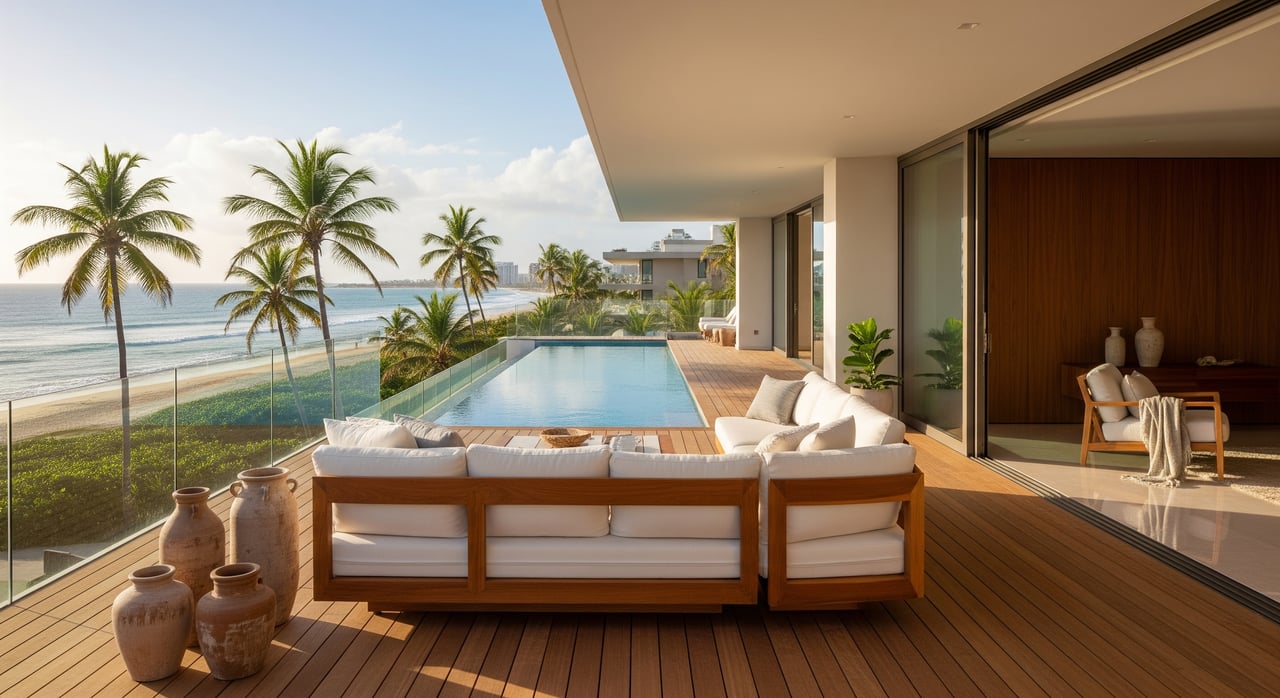
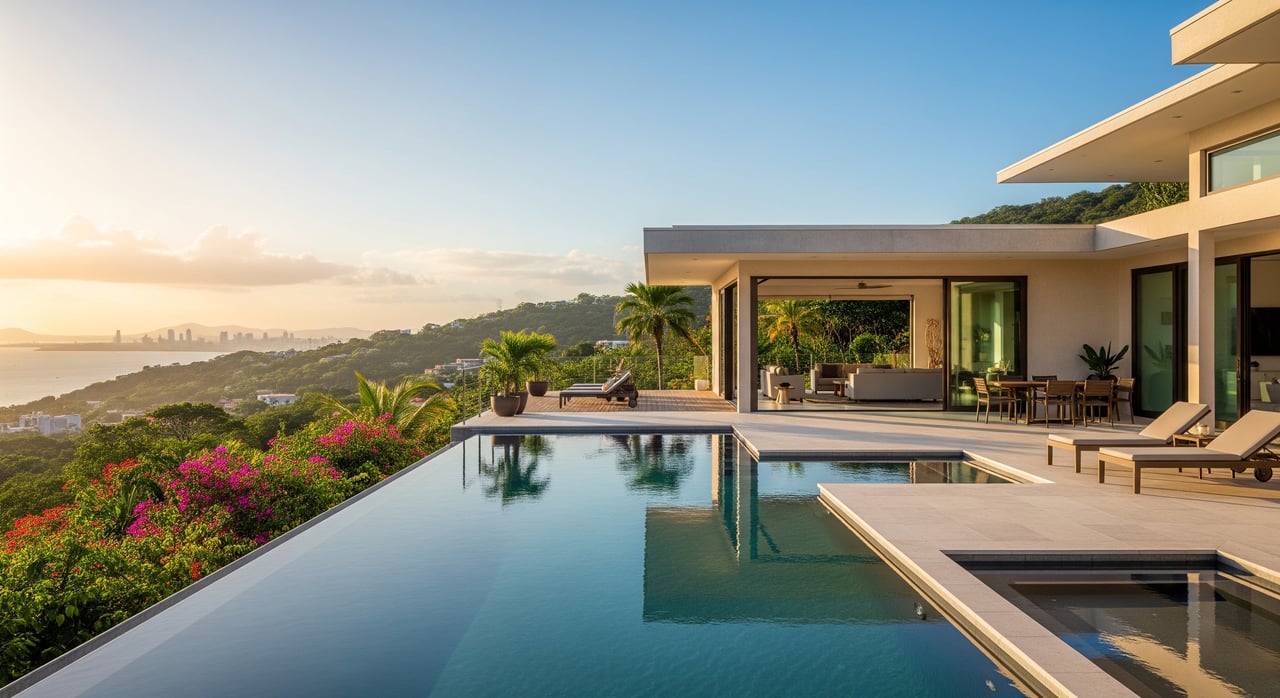
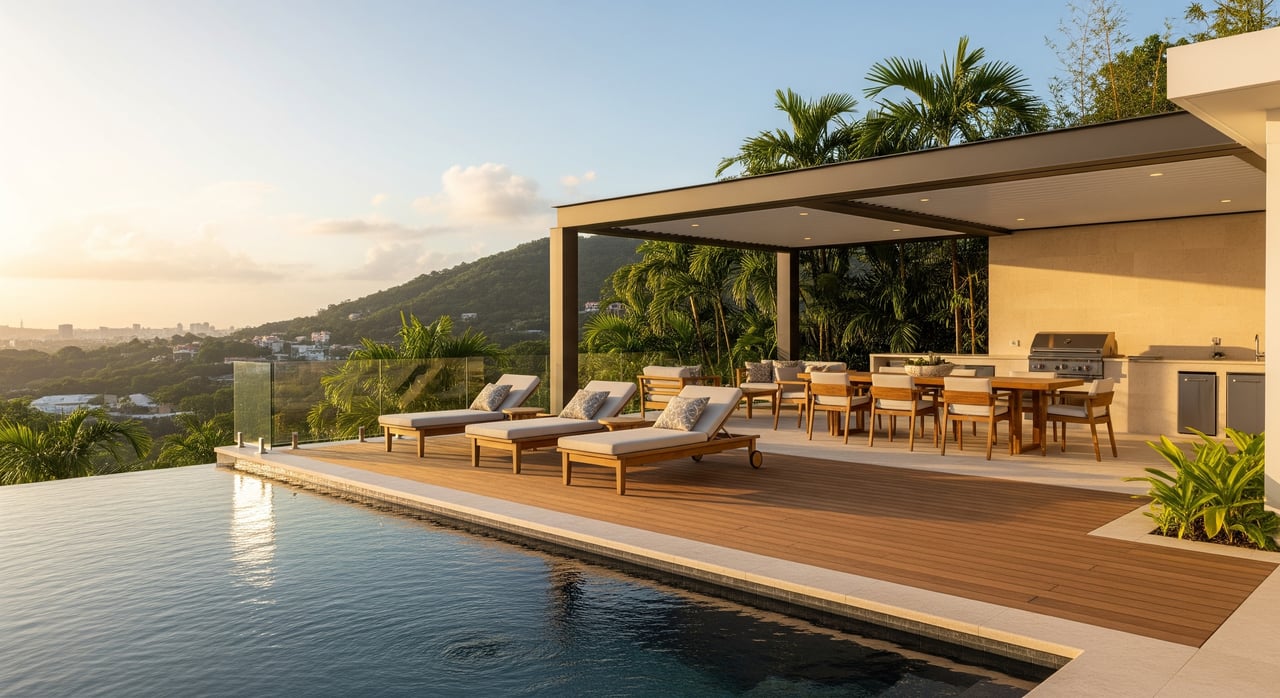
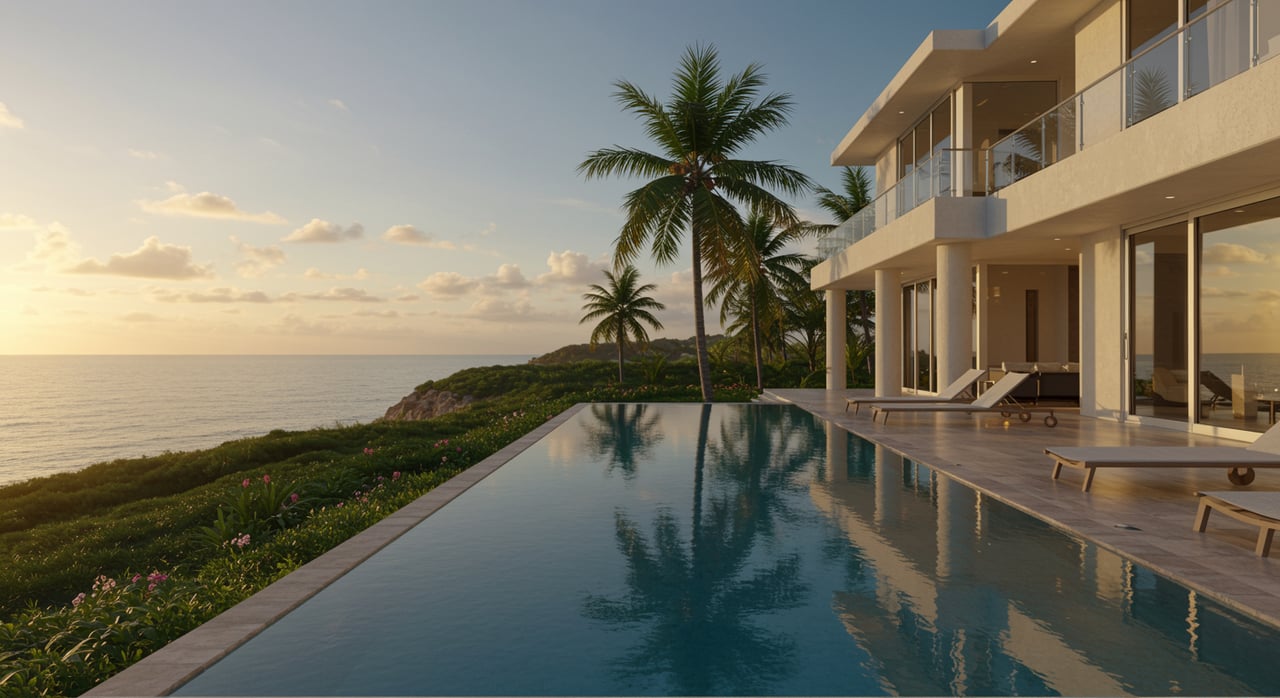
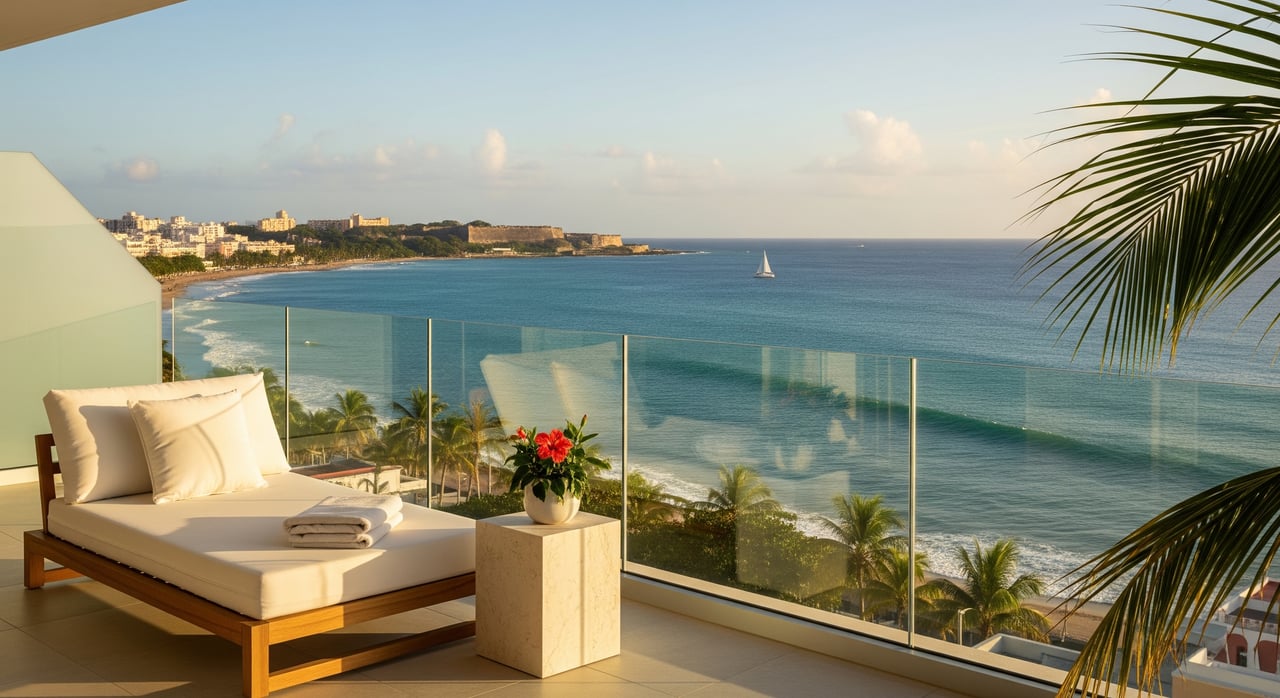
Dorado stands out as an upscale coastal destination about 35 minutes from San Juan, with beachfront resorts, golf courses, luxury lodging, and amenity-rich residential areas. For many buyers, that mix creates a strong second-home case because it offers both a resort feel and practical access to the metro area.
For mainland U.S. buyers, Puerto Rico also feels familiar in key ways. The island uses the U.S. dollar, English and Spanish are the official languages, and U.S. citizens do not need a passport to travel here. Puerto Rico’s tourism authorities also describe the island as the Caribbean’s main air and sea access hub, which supports the seasonal travel pattern many part-time owners want.
Dorado’s appeal is also shaped by the type of lifestyle product buyers often compare. Puerto Rico’s tourism framework defines a resort as a place with restaurants, open spaces, pools, sports, recreation, and family amenities, and that description aligns closely with what many second-home shoppers are looking for in this market.
Dorado offers more than a beach address
One of the best-known examples is Dorado Beach, a Ritz-Carlton Reserve, which Discover Puerto Rico highlights as spanning about 1,400 acres of natural beauty with three Robert Trent Jones, Sr.-designed golf courses. That gives you a sense of the scale and lifestyle many buyers associate with Dorado.
At the same time, seasonal living here is not limited to resort spaces. Dorado also includes public amenities and civic spaces that can make part-time living feel more grounded and connected throughout the year.
What seasonal living really looks like
The biggest mindset shift is this: a second home in Dorado is not a dormant weekend house. Because Puerto Rico has an average year-round temperature of about 85°F and the Atlantic hurricane season runs from June 1 through November 30, your property needs active oversight even when you are away.
That does not mean ownership has to feel complicated. It means your home should be treated like a climate-managed property with a repeatable arrival and departure routine.
Your home needs ongoing climate management
In Dorado, humidity and heat shape how you care for a property. A practical plan usually includes air conditioning management, humidity control, cleaning turnover, pest control, landscaping, periodic inspections, and storm-readiness.
This is why part-time ownership here is best thought of as active ownership. If the home sits unattended for long stretches without systems and check-ins in place, small issues can become expensive ones.
Arrival and departure planning matters
Seasonal owners usually benefit from a simple, repeatable checklist. Before arrival, you want the home cleaned, cooled, inspected, and ready to use. Before departure, you want systems checked, outdoor areas maintained, and storm-season preparations handled based on the time of year.
That rhythm is what makes the home feel easy to enjoy. Without it, every visit can begin with catch-up work instead of relaxation.
Public amenities versus private access
One common question in Dorado is whether a lifestyle feature is public, private, or tied to a specific membership or resort arrangement. That distinction matters because buyers sometimes assume all beach and recreational access works the same way, and it does not.
For example, Balneario Manuel Morales is one of the most popular beaches on the north coast and includes bathrooms, showers, parking, and lifeguards. By contrast, The Watermill at Dorado Beach is reserved for resort guests and members.
Beach access should be verified carefully
If beach access is part of your decision, it is smart to confirm what comes with a specific property and what remains public coastal access. Puerto Rico’s Department of Natural and Environmental Resources maintains an official coastal access guide with documented routes and points to the coast, which adds useful context when evaluating day-to-day beach use.
That same careful approach applies to any golf, club, water park, or amenity package you are counting on. In Dorado, the lifestyle can vary a lot from one property and community setup to another.
Dorado also has year-round public spaces
Seasonal living is often stronger when you have options beyond resort amenities. Dorado’s Gran Parque Agroturístico y Ecológico El Dorado covers about 340,000 square meters, or 86.5 cuerdas, and includes walking areas, picnic spaces, sports courts, biking areas, a dog park, and agricultural zones.
The municipality also operates the Centro de las Artes Juan Boria, a restored theater used for arts, film, and cultural and social events. For part-time residents, spaces like these add another layer to everyday living beyond beach clubs and golf courses.
Property taxes and second-home basics
A second home in Dorado is still real property in Puerto Rico, which means property tax is part of the ownership picture. Puerto Rico taxes real property located on the island, and CRIM collects those taxes.
A key point for second-home buyers is that you should not assume the tax treatment will match a primary residence. Hacienda explains that real property is presumed taxable unless an exemption applies.
Do not assume primary-home treatment
Hacienda also notes an exemption for owner-occupied residential property. Because of that, a Dorado second home should not automatically be treated the same as a main residence until the tax status is verified.
This is one reason seasonal buyers benefit from clear planning before closing. Understanding how the property will be used helps you ask the right questions early and avoid incorrect assumptions later.
Renting your Dorado home while away
Some second-home buyers want personal use only. Others want the option to generate income during the months they are not in residence. In Dorado, that personal-use versus rental-use decision matters because the compliance workload changes once the home is offered to guests.
Puerto Rico’s tourism framework specifically includes studios, apartments, homes, villas, and other short-term rental properties. It also recognizes residential and touristic projects, which shows there is already a formal structure for homes that blend personal use and tourism activity.
When short-term rental rules apply
According to Puerto Rico’s tourism authorities, rentals of less than 90 consecutive days are subject to a 7% room occupancy tax. If you rent your home on that basis, you must register as an innkeeper and file a monthly declaration by the 10th day of the following month.
That is a major operational difference from simply owning a second home for private use. Once guests enter the picture, the property starts functioning more like an accommodation business, not just a personal retreat.
Rental use adds management tasks
Short-term rental use can add revenue potential, but it also adds process. You may need a more structured turnover system, more frequent cleaning, tighter calendar coordination, and more active local oversight to keep the home guest-ready.
Registered accommodations can also be included in the official Puerto Rico Tourism Company accommodation registry and receive a registry certificate. For some owners, that reinforces the idea that rental use works best when handled in a professional, organized way.
The real takeaway for seasonal ownership
The simplest way to think about a Dorado second home is this: it is a managed asset, not a set-it-and-forget-it retreat. The climate, the storm calendar, and the part-time use pattern all point to the same conclusion.
That is not a drawback. It is just the real operating model behind a lifestyle that can be incredibly rewarding when you plan for it correctly.
If you are considering a second home in Dorado, it helps to evaluate more than the finishes and the view. You also want to understand public versus private amenities, property tax treatment, and whether you plan to keep the home for personal use or rent it when you are away.
With the right expectations, seasonal living in Dorado can feel smooth, flexible, and worth it. And when you work with a local team that understands both the lifestyle side and the practical side, the process becomes much easier to navigate.
If you are exploring Dorado second homes or comparing part-time ownership options along Puerto Rico’s coast, Mi Corredor can help you evaluate the lifestyle, logistics, and property fit with clear local guidance.
FAQs
What makes Dorado attractive for a second home?
- Dorado offers an upscale coastal setting about 35 minutes from San Juan, with beachfront resorts, golf, luxury lodging, and easy access for U.S. buyers using the U.S. dollar and traveling without a passport.
What does seasonal living in Dorado usually require?
- Seasonal living usually requires active property management, including AC and humidity control, cleaning, pest control, landscaping, inspections, and storm-readiness because of the tropical climate and hurricane season.
Are all Dorado amenities public for second-home owners?
- No. Some amenities are public, like Balneario Manuel Morales, while others, like The Watermill at Dorado Beach, are reserved for resort guests and members.
How are second homes in Dorado taxed?
- Puerto Rico taxes real property on the island, and second-home owners should verify tax status because owner-occupied residential exemptions should not be assumed to apply to a seasonal home.
When does renting a Dorado second home trigger room-tax rules?
- If you rent the home for less than 90 consecutive days, Puerto Rico’s tourism rules say the stay is subject to a 7% room occupancy tax, and the owner must register as an innkeeper and file monthly declarations.
Is a Dorado second home easy to leave unattended for months?
- Not usually. In practice, a Dorado second home works best as a managed asset with regular oversight rather than a property left dormant for long periods.