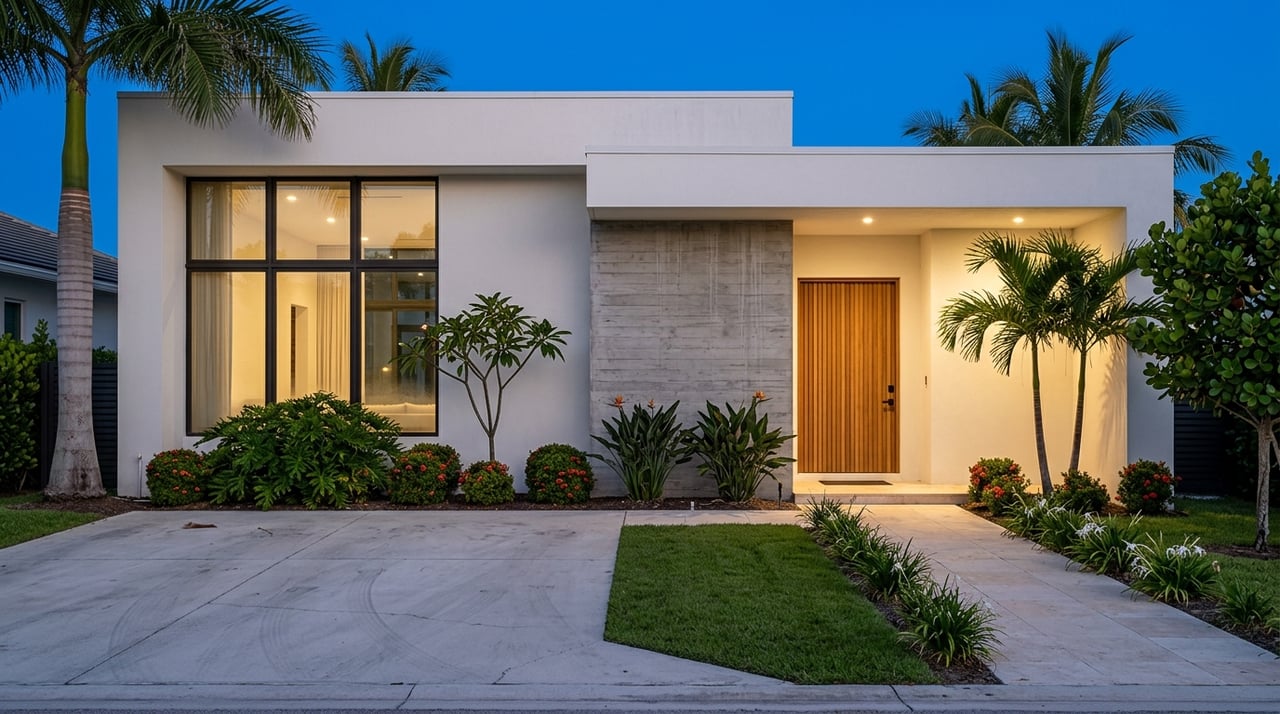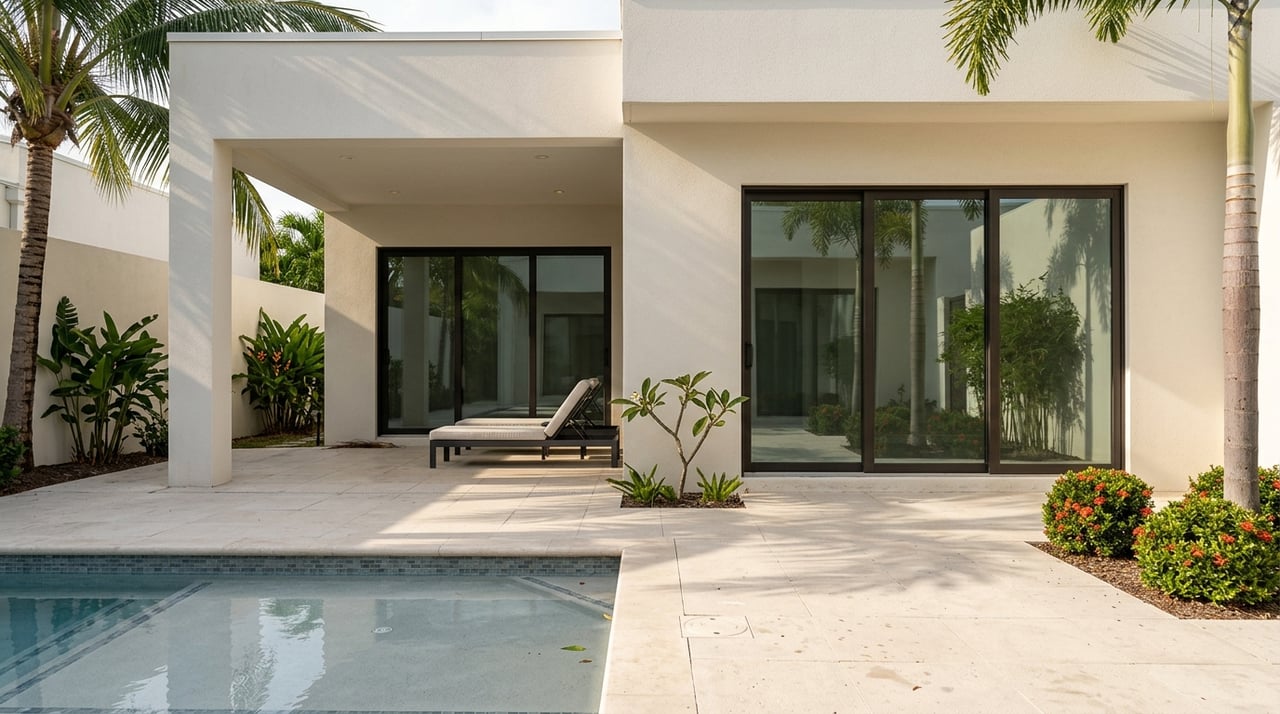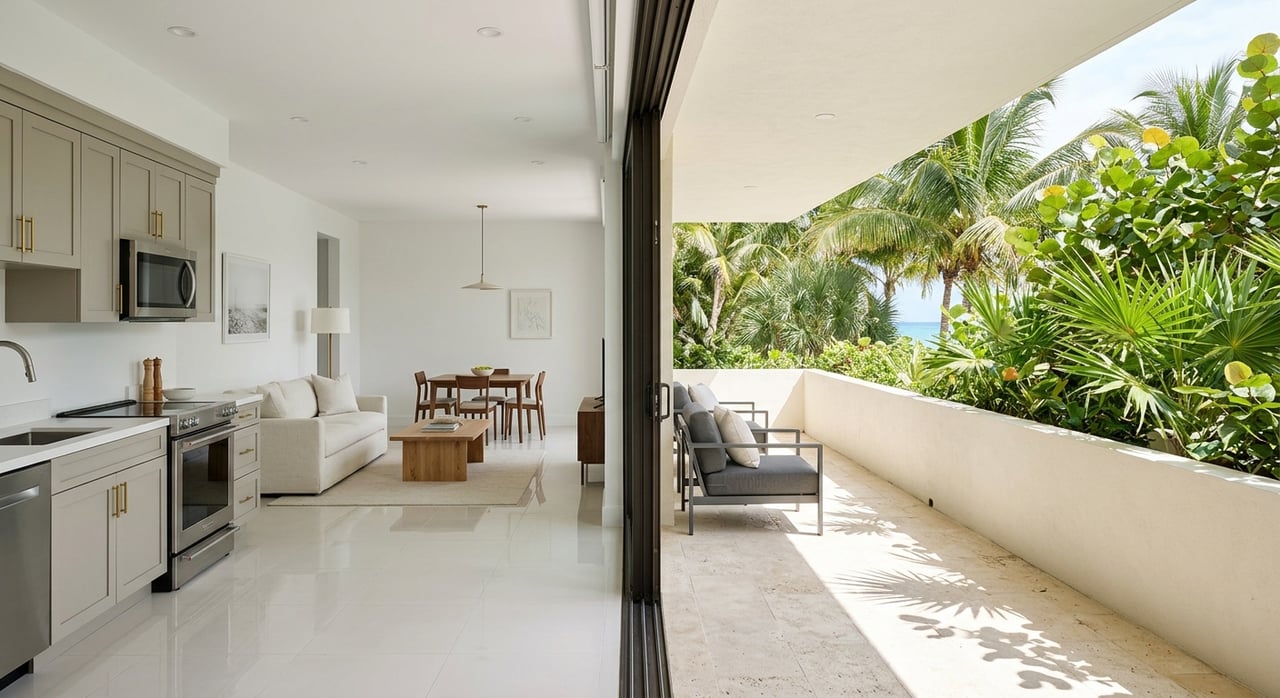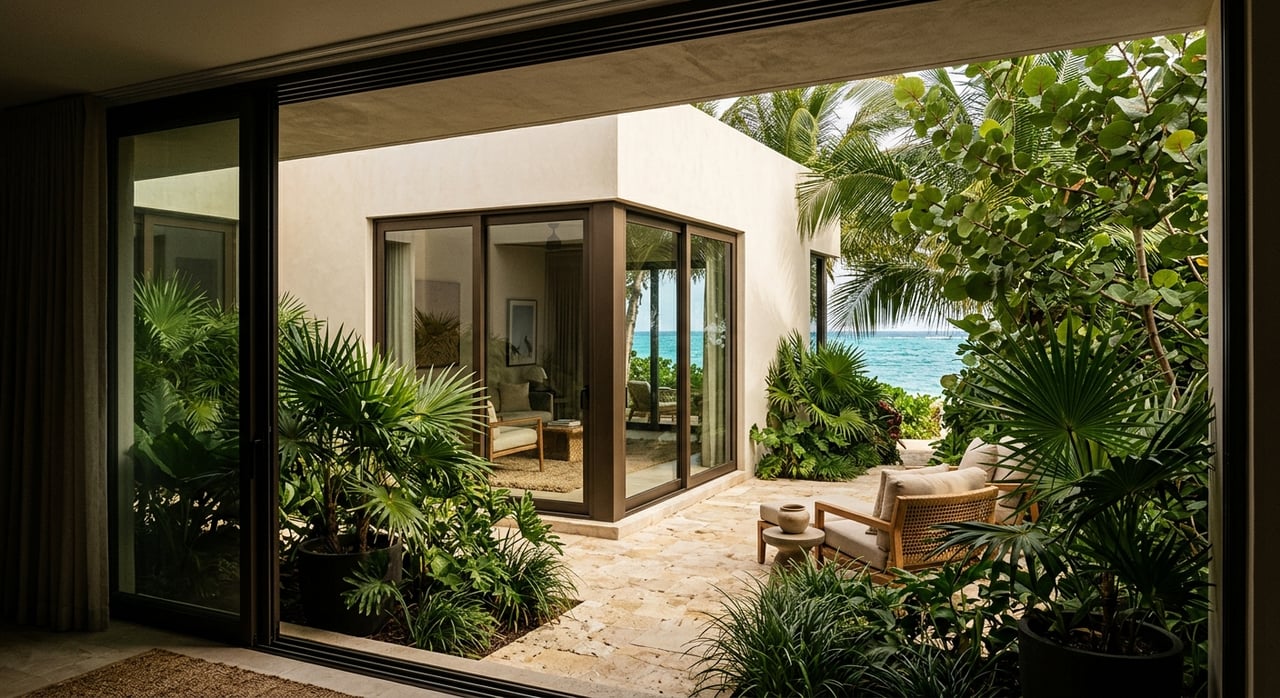
Looking at Carolina condo listings can feel simple at first glance. Then you notice terms like walk-up, full backup generator, deeded parking, HOA, and short-term rental allowed, and suddenly the listing means a lot more than beds, baths, and square footage. If you want to shop smarter in Carolina, this guide will help you decode what local buyers look for, what questions matter most, and how to spot the details that can change a condo’s real value. Let’s dive in.
Why Carolina condo listings read differently
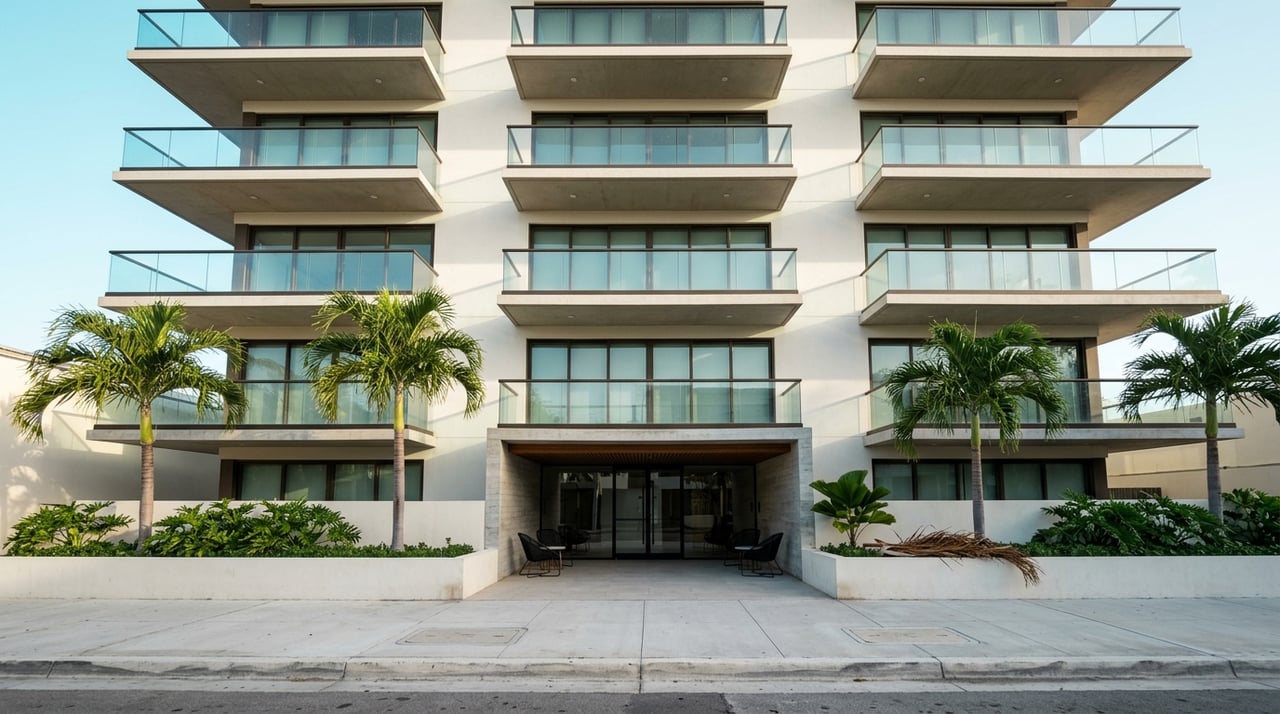
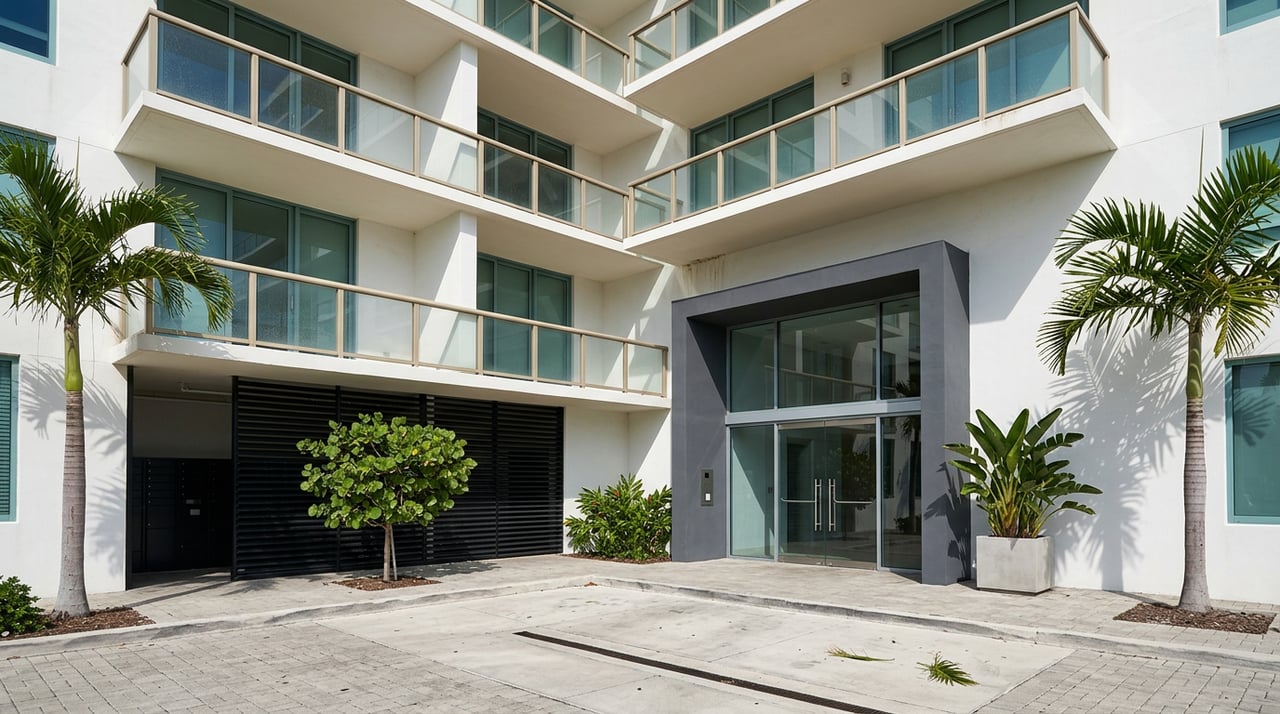
In Carolina, especially around Isla Verde and the coastal corridor, condo listings often sell a full building experience, not just an individual unit. Two condos with similar layouts can feel very different in daily life depending on beach access, security, elevators, parking, water systems, and power backup.
That is why local buyers tend to read listings as a package of location, building services, and rules. A great kitchen or balcony matters, but so do the details that affect convenience, carrying costs, and how you can use the property.
Start with the full cost
A listing price is only the starting point. Carolina condo listings often separate out HOA fees, CRIM, and insurance, so you need to look at the full monthly and annual cost of ownership before comparing one unit to another.
If you are buying from afar, this step matters even more. The better question is not just, “How much is the condo?” It is, “What will this building cost you to own and live in?”
What to compare beyond price
When you review a listing, look for these cost items:
- HOA or maintenance fee
- CRIM
- Insurance
- Separate amenity or utility charges, if listed
- Any mention of pending extra charges or assessments
A condo with a lower asking price can still be more expensive to own if the ongoing costs are higher.
Decode access and elevator language
One of the most important local terms is walk-up. In Carolina listings, that usually means there is no elevator, and some listings state this very clearly with wording like “walk-up (NO ELEVATOR).” That can significantly affect convenience, especially on higher floors.
By contrast, some buildings highlight elevator access, key elevator access, or service elevators. In a condo market where building function matters, elevator access is not a small feature. It can shape daily comfort, resale appeal, and how practical a top-floor unit really feels.
Understand parking before you fall in love
Parking terms are not interchangeable in Puerto Rico condominiums. A listing may say assigned, deeded, common, private, floating, carport, or first come, first serve, and each one can mean something very different in practice.
Puerto Rico condominium law recognizes that parking may be common, limited, or privately owned. If spaces are common and there are more interested owners than spaces, the association may use a sorteo or similar allocation process. That means you should ask exactly how the parking right is documented, not just how the listing describes it.
Parking questions to ask
- Is the parking deeded, assigned, limited common, or common?
- Is the space covered, uncovered, tandem, or in a carport?
- Does the space transfer with the unit?
- If parking is limited, is there a sorteo or another allocation method?
Read view descriptions carefully
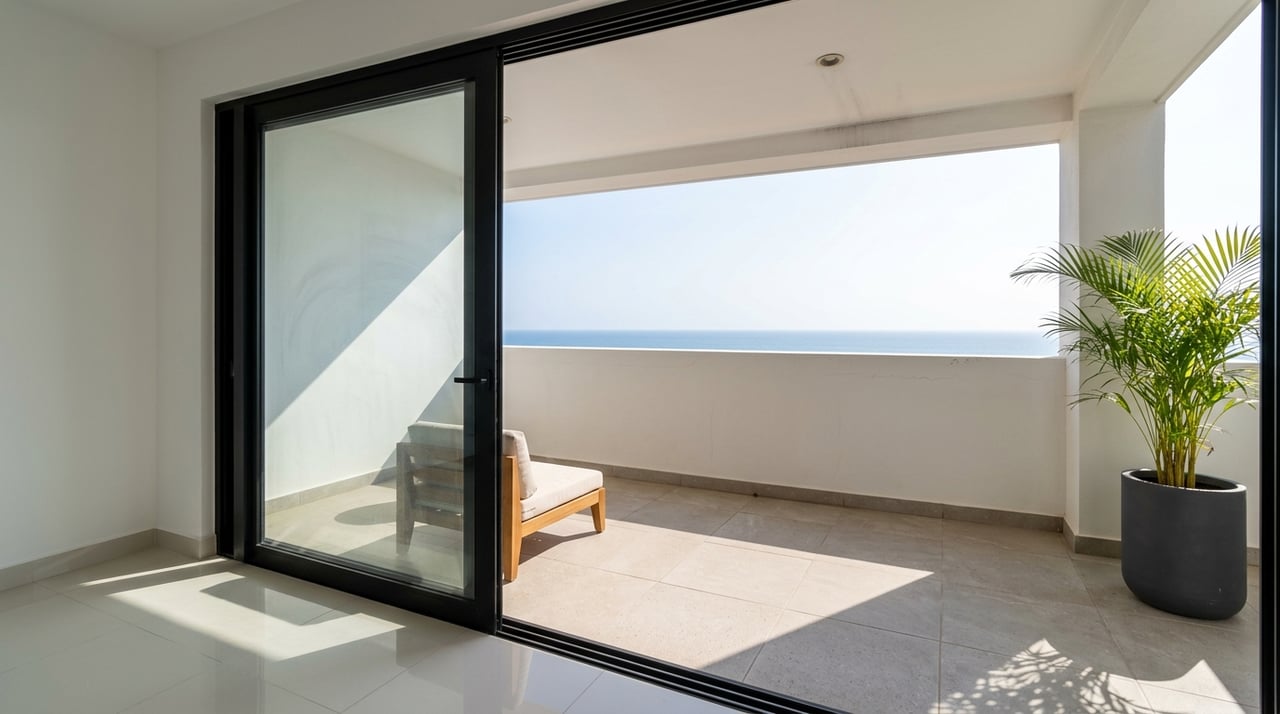
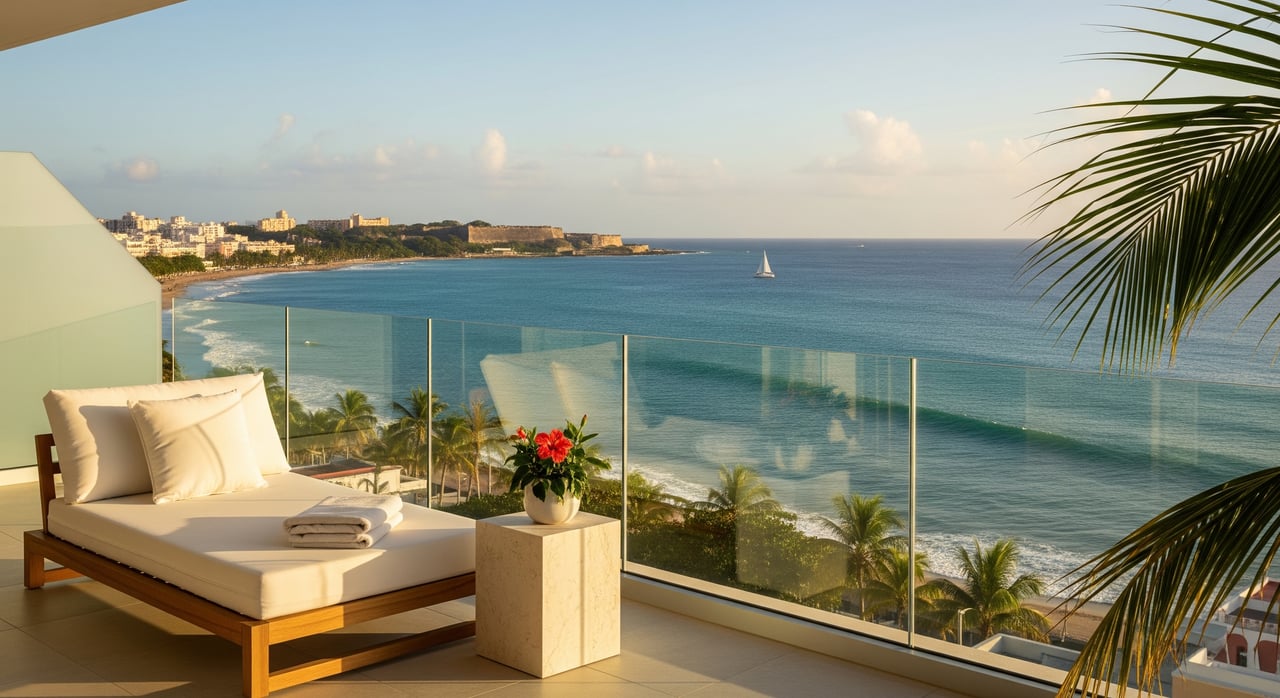
Carolina listings often use phrases like beachfront, oceanfront, direct beach access, ocean view, partial view, lagoon view, or city view. These terms sound similar, but they do not describe the same thing.
The more specific the wording, the more you should verify what is actually visible from the unit. You should also ask whether that view is likely to stay open or whether future construction could affect it.
A listing with “direct beach access” may be just as important to your lifestyle as one with an “ocean view.” They are different benefits, and smart buyers separate them.
Study the photos and floorplan like a local
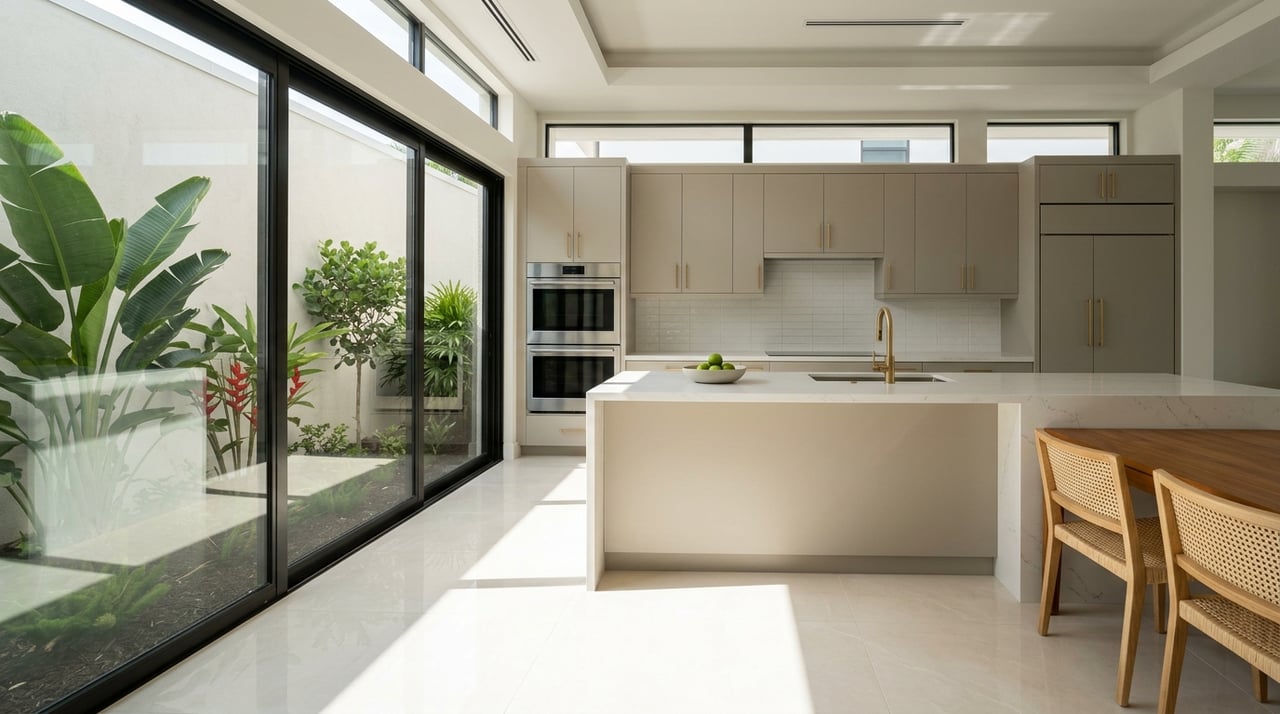
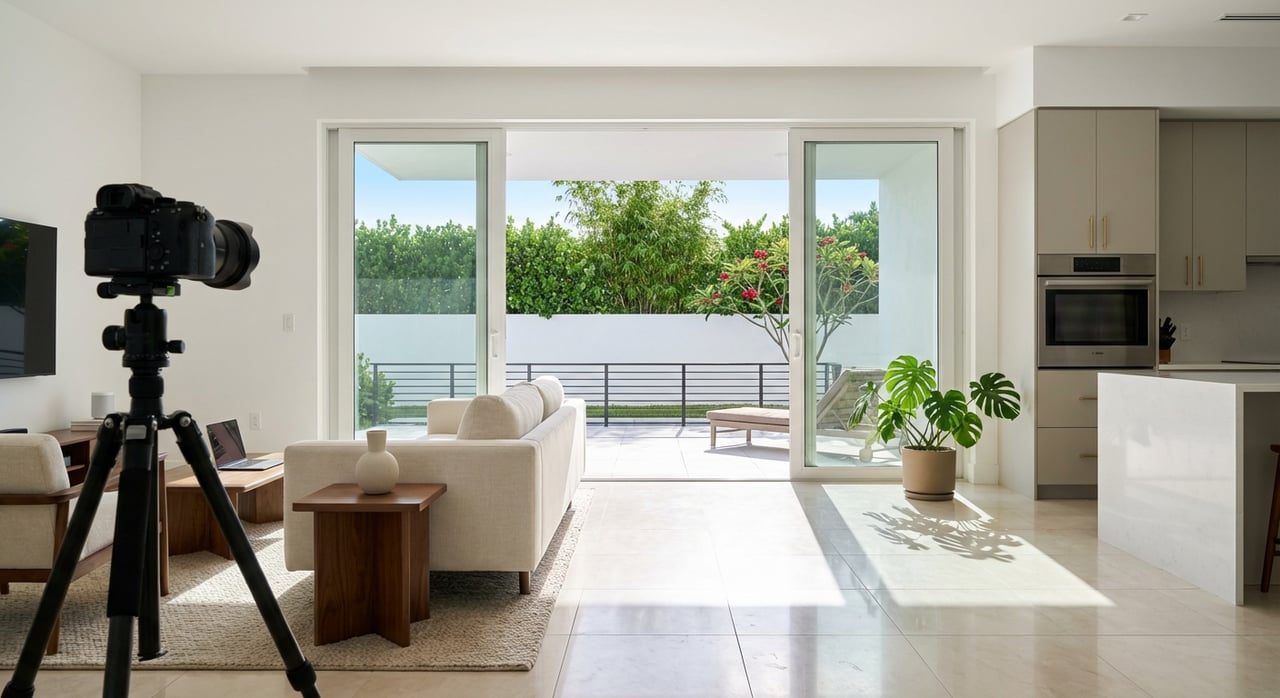
A good Carolina listing tells you a lot through photos, but it can also leave out key details. Local buyers often pay close attention to balconies, large windows, walk-in closets, and the way the unit gets light and airflow.
Try to read for what is not being said. Does the bedroom appear to have a usable window? Is the balcony deep enough to function as real outdoor space? Does the layout suggest cross-ventilation, or does it look like a deep interior unit with less natural light?
Layout clues worth checking
- Bedroom window placement
- Balcony size and usefulness
- Walk-in versus built-in closets
- Large windows and natural light
- Cross-ventilation potential
- Any enclosed balconies or added walls
If the photos suggest the layout was altered, compare that carefully with the floorplan and recorded condo documents when available.
Treat generator and cistern details as essentials
In Carolina, especially in condo buildings, words like generator and cistern are not just marketing language. Puerto Rico condominium law treats systems like cisterns, tanks, pumps, and elevators as important common elements, and local listings often call out power and water backup for a reason.
Still, not every generator setup is the same. Some listings refer to backup power for common areas only, while others suggest broader building coverage. You should ask exactly what the system powers, such as elevators, water pumps, lobby lighting, common areas, or unit outlets.
Ask these building-system questions
- Does the building have a generator?
- What does the generator actually power?
- Does the building have a cistern or water storage system?
- Are elevators connected to backup power?
- Who maintains these systems through the HOA?
Look at amenities through an HOA lens
Pools, gyms, tennis courts, gazebos, activity rooms, BBQ areas, laundry rooms, and 24/7 security can make a building more appealing. They can also increase the operating and maintenance burden of the association.
That does not make amenities a negative. It simply means you should view the amenity list as both a lifestyle benefit and a clue to future HOA obligations.
Verify furnished and remodeled claims
Words like furnished, semi-furnished, equipped, remodeled, new appliances, hurricane shutters, or hurricane-proof windows can make a listing stand out. But these terms should be read narrowly unless the listing includes a clear inventory or specific details.
In other words, do not assume everything in the photos stays with the condo. Ask what conveys, what was updated, and how recently those updates were completed.
Check short-term rental rules early
Short-term rental language is a major value driver in Carolina. Under Puerto Rico law, short-term rental of condominium apartments cannot be prohibited unless the escritura matriz or the reglamento expressly prohibits it or sets a minimum term. The reglamento may also regulate minimum nights and impose a special monthly fee that cannot exceed the maintenance fee.
That is why terms like “short-term rental allowed” or “Airbnb not allowed” deserve close attention. If rental use matters to you, ask for the exact rule in writing and confirm whether there is a minimum-night requirement or a special fee.
Confirm pet rules in writing
Pet policies are often building-specific. A listing may say pets allowed or no pets, but that should still be confirmed in the building reglamento.
If pet ownership matters to you, get the rule early in the process. It is a small step that can prevent a major surprise.
Know why the reglamento matters
In Puerto Rico condo buying, the reglamento is one of the most important documents you can review. It forms part of the master deed and governs administration, use, fees, governance, insurance, conservation, and repairs.
As amended in 2026, the condominium administrator generally must provide a copy of the reglamento to the listing broker or to a potential buyer upon request tied to a legitimate transaction within 5 business days. For you as a buyer, that means this document is not optional reading. It is one of the best tools for understanding how the building actually works.
Read HOA health, not just HOA amount
A maintenance fee by itself does not tell the full story. Puerto Rico law ties condo fees to the building budget and each unit’s percentage participation in the common elements, and it requires an annual budget that includes a reserve fund contribution of at least 5% of total yearly expenses.
The law also requires annual approval of the budget and financial statements, and owners can review condominium records and supporting documents. So instead of asking only, “How much is the HOA?” ask what it covers, how strong the reserve fund is, and whether the financials are current.
HOA documents to request
- The reglamento
- Latest annual budget
- Latest financial statements
- Reserve fund balance
- Details on what the HOA covers
- Any pending or recent special charges
Learn the local word: derrama
In Puerto Rico condos, a derrama is an extra charge used to pay for work outside the annual budget. The law describes this as an obra extraordinaria that requires a special assessment.
If a seller or listing mentions a pending derrama, ask what project it funds, how much remains unpaid, whether it has already been approved, and whether the seller plans to satisfy it before closing. This one question can save you from a costly surprise.
Review the building’s insurance approach
Insurance deserves a close look in Carolina, especially in coastal properties. Puerto Rico law allows the condominium council to insure common, procommon, and limited areas, including original privative elements attached to the structure.
That means even if you carry your own private coverage, you may still need to pay your proportional share of the building’s communal policy. When comparing condos, ask how the building handles insurance and how that cost shows up in your ownership picture.
Watch for layout changes and enclosed spaces
If photos show enclosed balconies, added rooms, or other visible changes, do not assume they were properly reflected in the condo’s recorded documents. Puerto Rico condominium law requires recorded descriptions and plans to reflect the approved as-built condition.
That makes alterations something you should verify, not guess about. If the unit looks materially different from the original layout, ask for clarification before you move forward.
Your quick Carolina listing checklist
When you want to read a Carolina condo listing like a local, focus on these points:
- Compare list price with HOA, CRIM, insurance, and other carrying costs
- Confirm whether the building is a walk-up or has elevator access
- Verify exactly how parking is documented
- Read view language carefully and confirm what is actually visible
- Ask what the generator and cistern cover
- Treat amenities as both benefits and HOA cost clues
- Confirm what conveys if the unit is furnished or equipped
- Request the reglamento and review rental and pet rules
- Ask for budget, financials, reserves, and any derrama
- Verify any visible layout changes against recorded documents
In a market like Carolina, the smartest buyers are usually the ones who slow down and read past the headline features. A condo listing is not just advertising a unit. It is telling you how the building functions, what the monthly reality may look like, and what rights and limits come with ownership.
If you want help reviewing Carolina condo listings with a local eye, reach out to Mi Corredor. Javi and the team help buyers cut through the noise, ask the right questions, and move forward with clarity.
FAQs
What does walk-up mean in a Carolina condo listing?
- In Carolina condo listings, walk-up usually means the building has no elevator, which can affect convenience, resale appeal, and the practicality of upper-floor units.
Why do Carolina condo listings mention generators and cisterns?
- These systems can be essential building features that affect how the property functions during power outages or water interruptions, so buyers should ask exactly what they serve.
How should you compare Carolina condo prices?
- You should compare the full carrying cost, including HOA, CRIM, insurance, and any other listed charges, not just the asking price.
What is a derrama in a Puerto Rico condominium?
- A derrama is a special assessment used to pay for maintenance or work that is not included in the annual condo budget.
Why is the reglamento important when buying a Carolina condo?
- The reglamento governs use, fees, insurance, administration, repairs, and building rules, making it one of the key documents to review before you buy.
Can Carolina condo buildings allow or restrict short-term rentals?
- Yes, short-term rental rules depend on the escritura matriz or the reglamento, which may allow, prohibit, or regulate minimum stays and special fees.