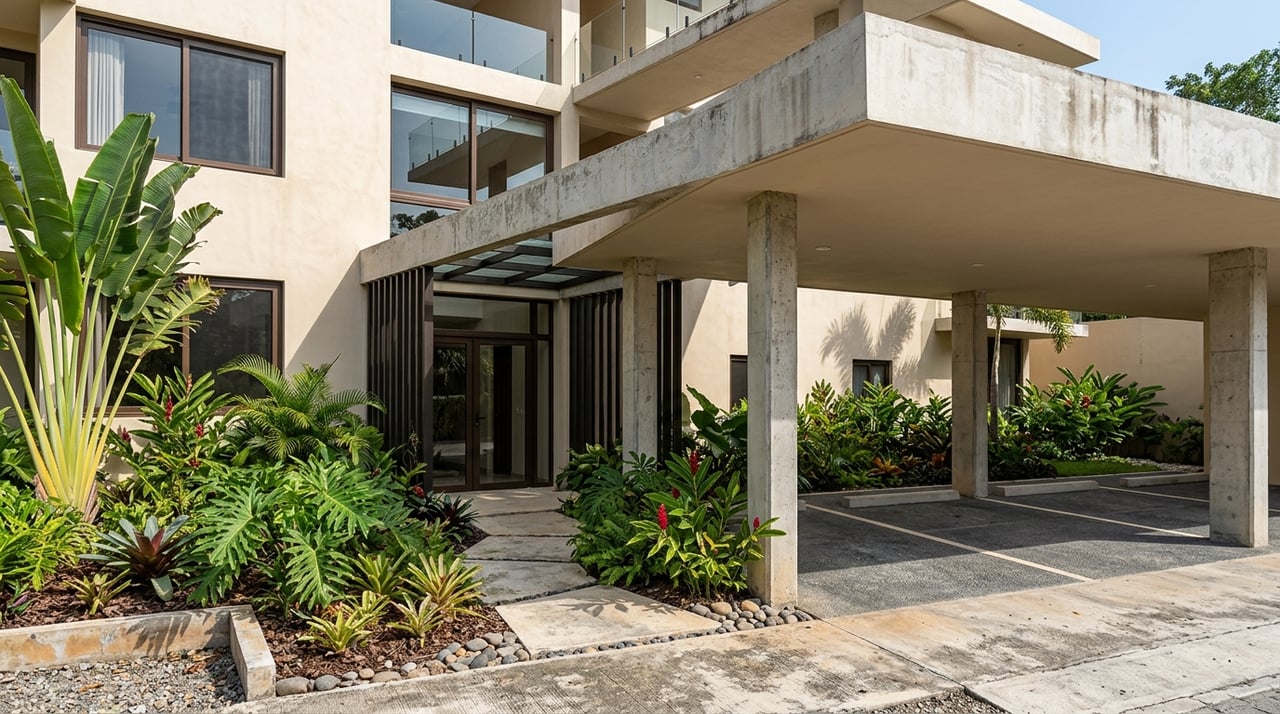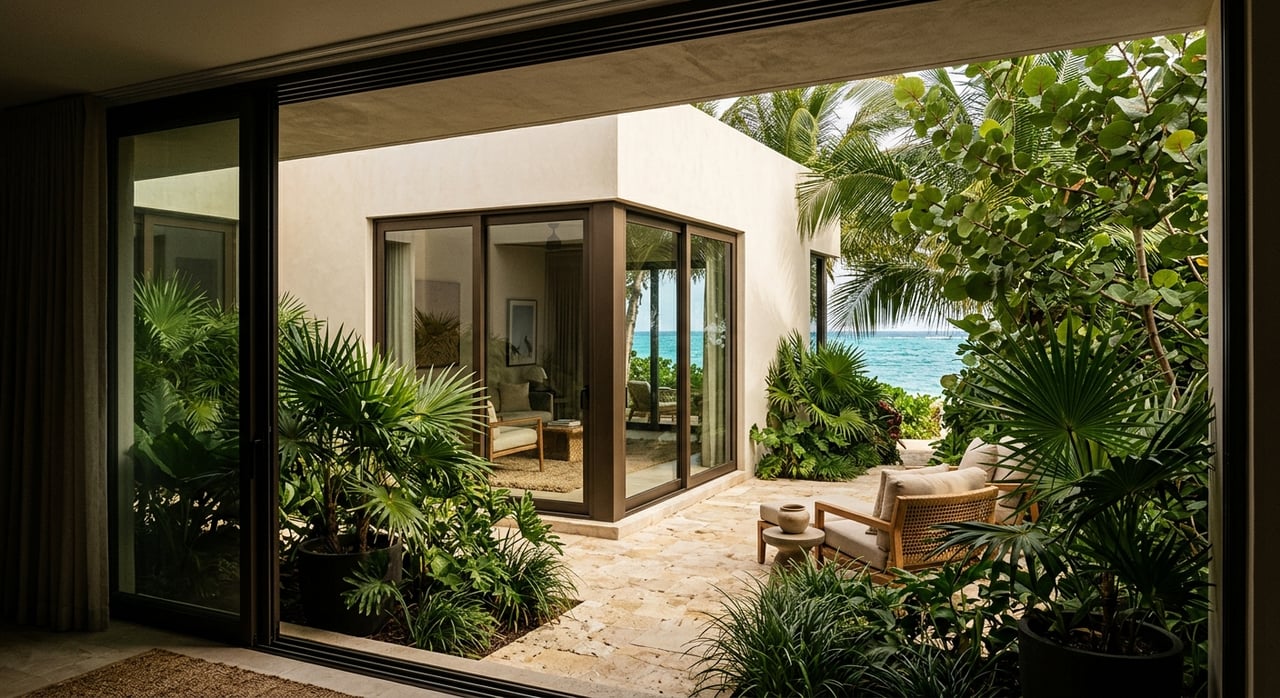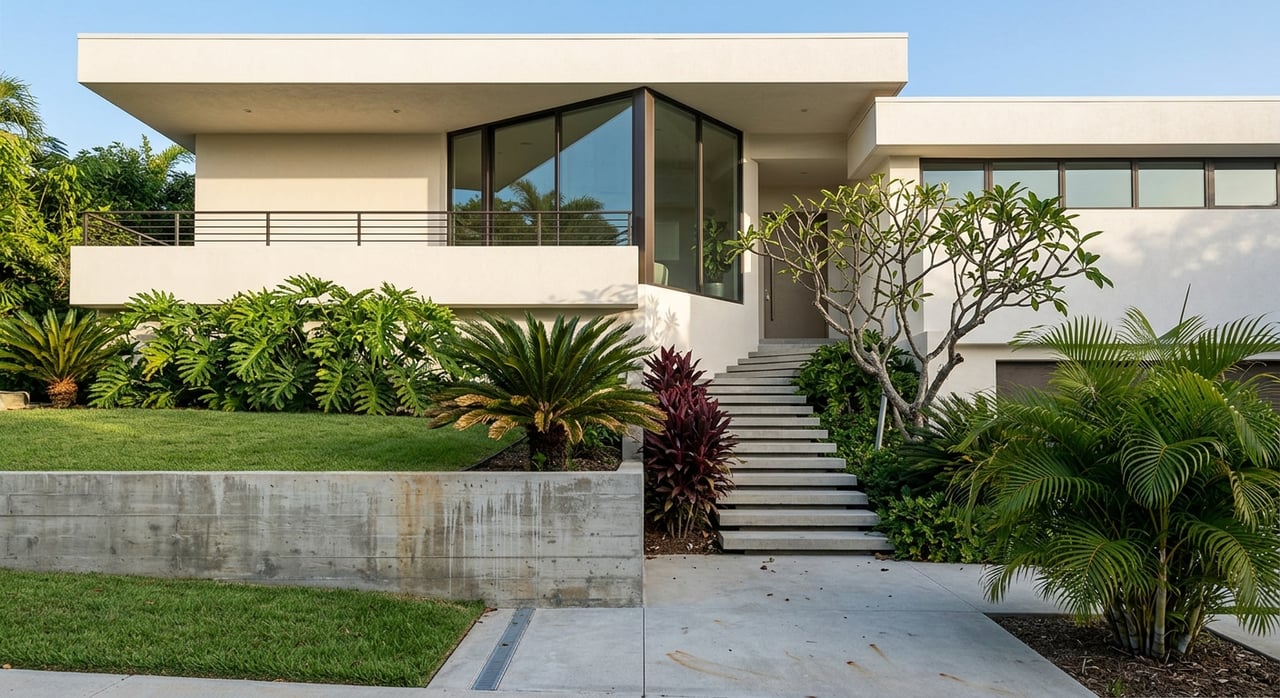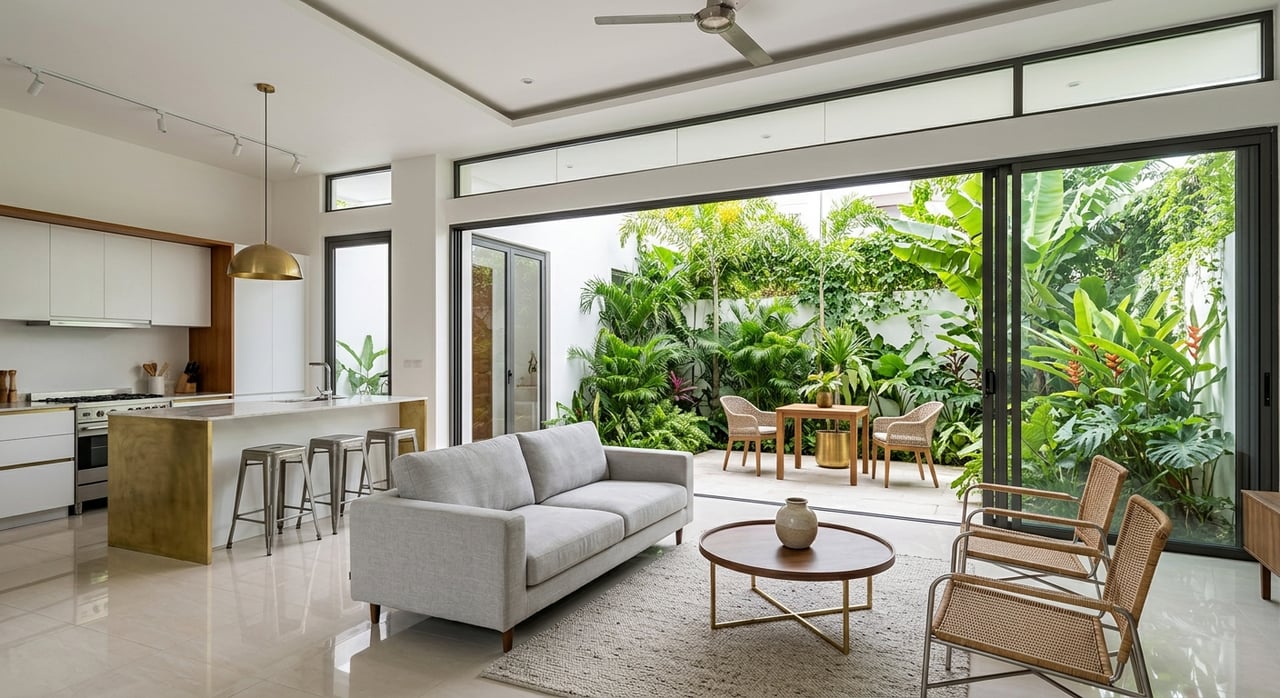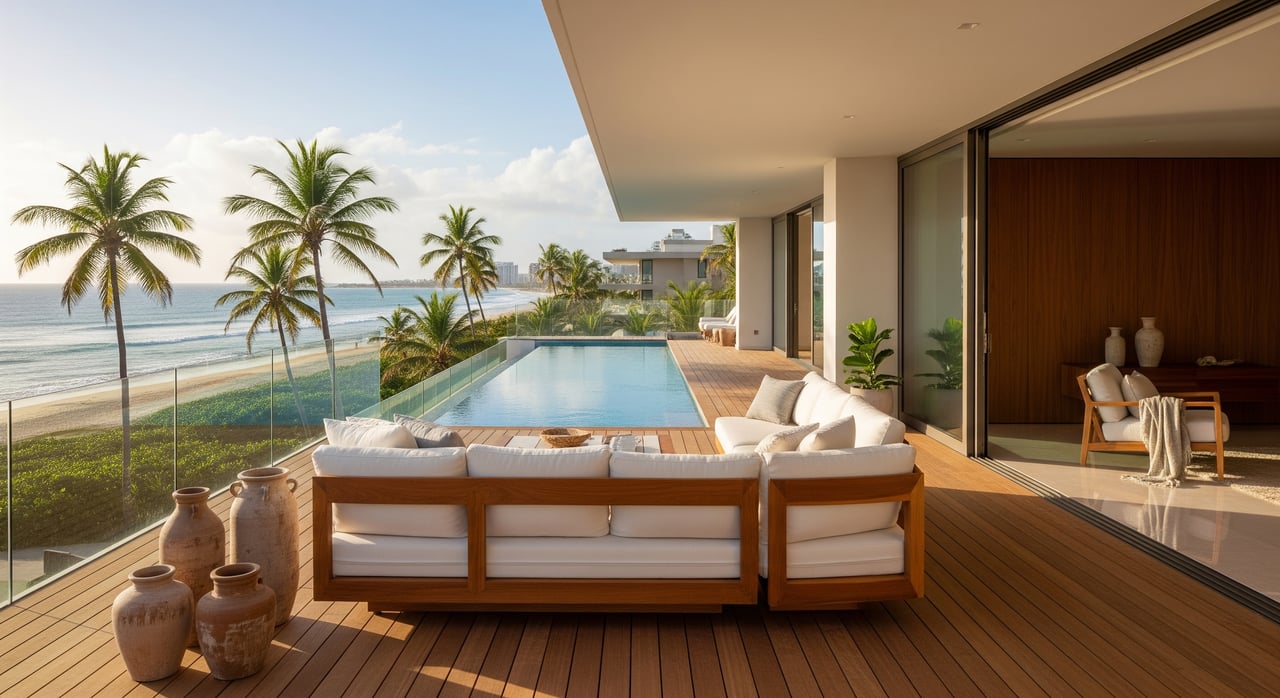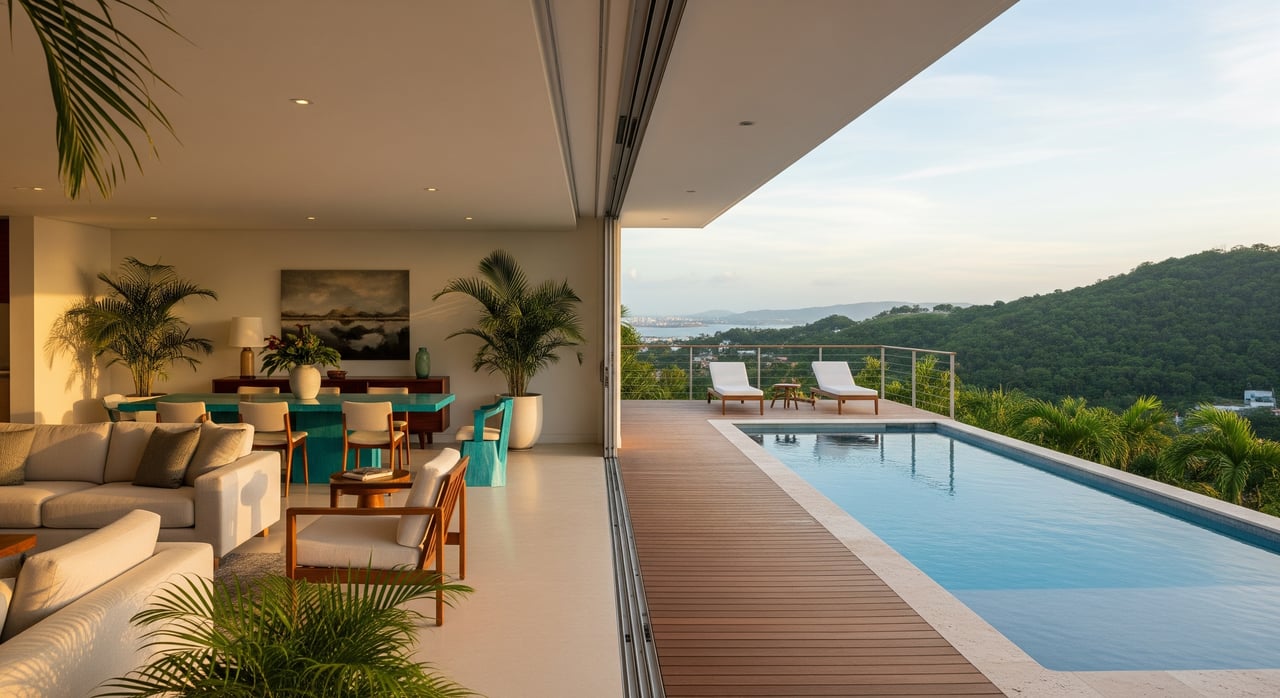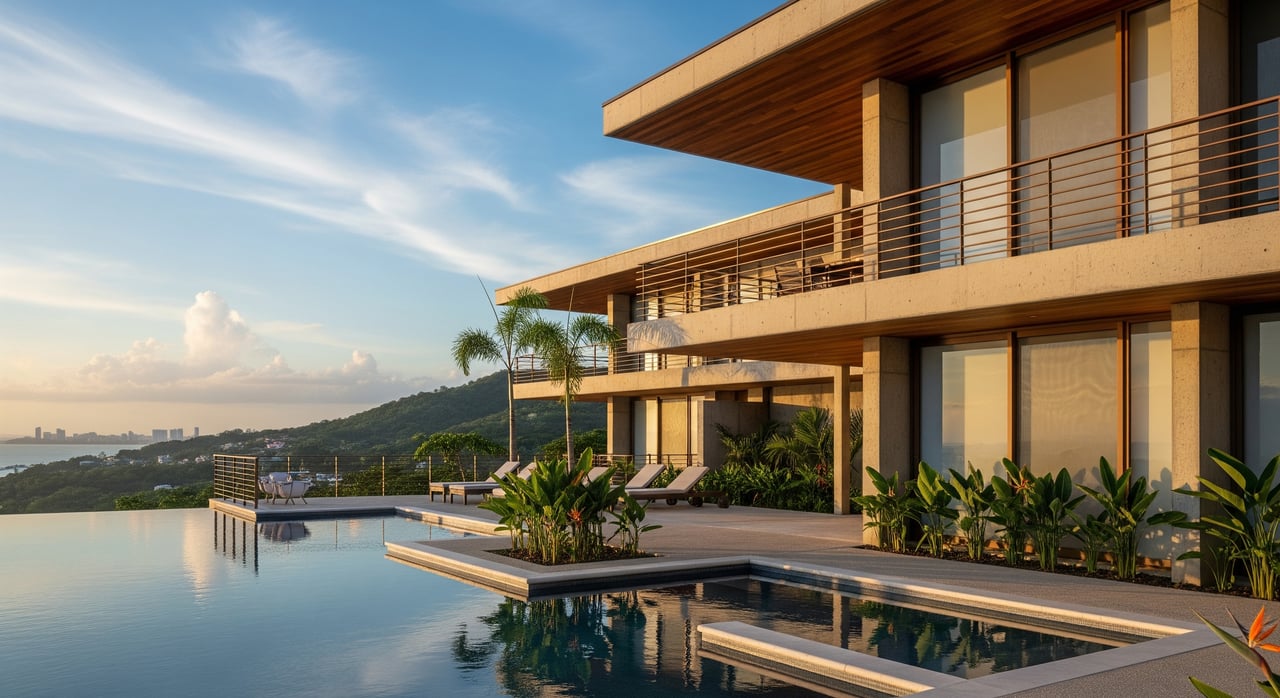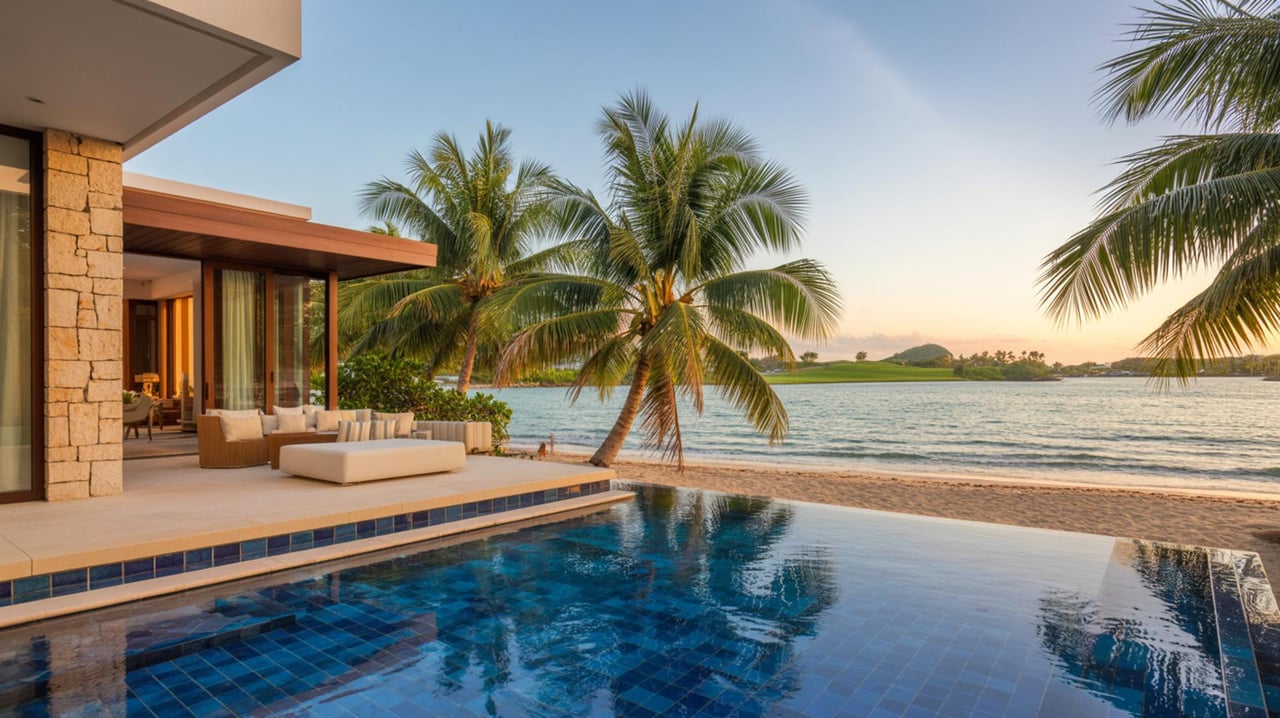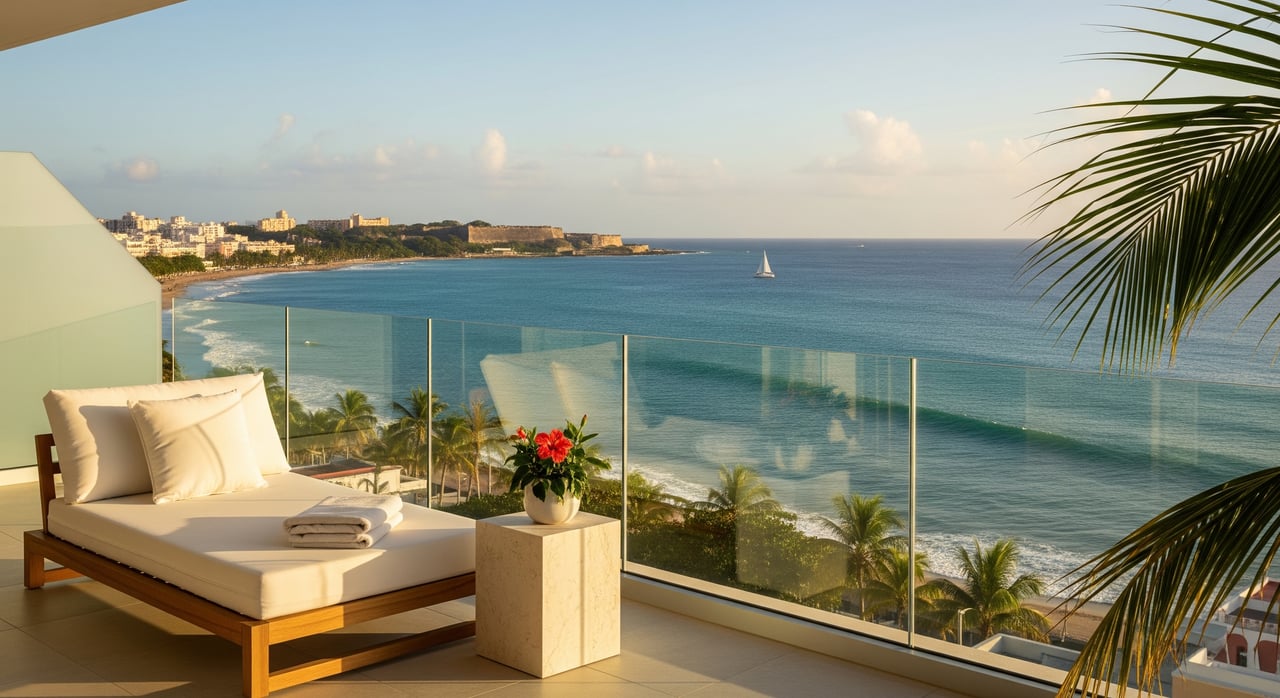
Love the idea of waking up to blue horizon and rolling surf? In San Juan, the right condo can give you a daily ocean panorama, but not every “ocean view” listing delivers the same experience. You want clear criteria, not guesswork. In this guide, you’ll learn where San Juan actually delivers wide‑angle water vistas, how to choose the right building, stack, and floor, and what to check on tours so your view is exactly what you expect. Let’s dive in.
Where ocean views happen
San Juan’s broadest horizons face north and northeast toward the Atlantic. That means your best odds for panoramic water are along the beachfront corridors or in buildings that directly face the ocean without taller structures in front.
Condado
Condado centers on Ashford Avenue, a walkable strip with beach access, dining, and services. Front‑row buildings along the beachfront typically offer the most consistent direct Atlantic vistas and sunrise light. Buildings set back from Ashford can still have views, but your results depend on the unit’s stack and floor, plus any intervening mid‑rises.
Ocean Park
Ocean Park features lower to mid‑rise residences along a wide sandy beach. Many properties sit closer to the open water with fewer tall buildings in front, which can create sweeping, unobstructed views. Expect a relaxed beachfront feel and easy sand access.
Isla Verde
Isla Verde sits next door in Carolina and is packed with oceanfront towers along a long beach. You’ll find many buildings with direct Atlantic exposure and broad horizons. It is resort‑oriented and convenient to the airport, which some buyers value for quick getaways.
Miramar and Old San Juan
These areas front the bay and harbor rather than the open Atlantic. You can still enjoy dramatic water and skyline views, especially at sunset. If your priority is an endless ocean horizon, verify the line of sight, since landforms and harbor activity can frame or limit the view.
Building features that maximize views
Not all “ocean view” units are equal. Focus on siting, orientation, and design details that reliably produce wide water vistas.
Orientation, stack, and floor
- Target north or northeast‑facing stacks for the Atlantic horizon.
- Corner stacks often widen the angle and capture more sky and coastline.
- Higher floors lift your sightline above trees and neighboring mid‑rises. In dense corridors like Condado, you may need mid‑to‑high floors for a full horizon.
Balconies and glass that work
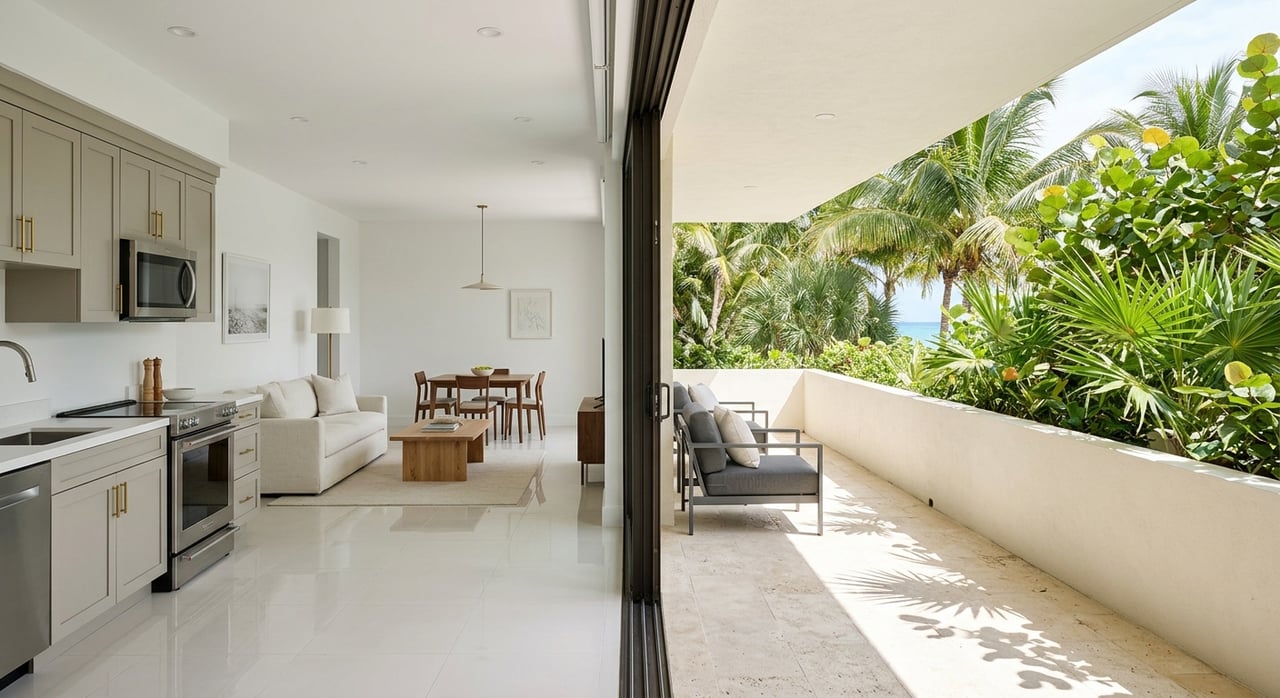
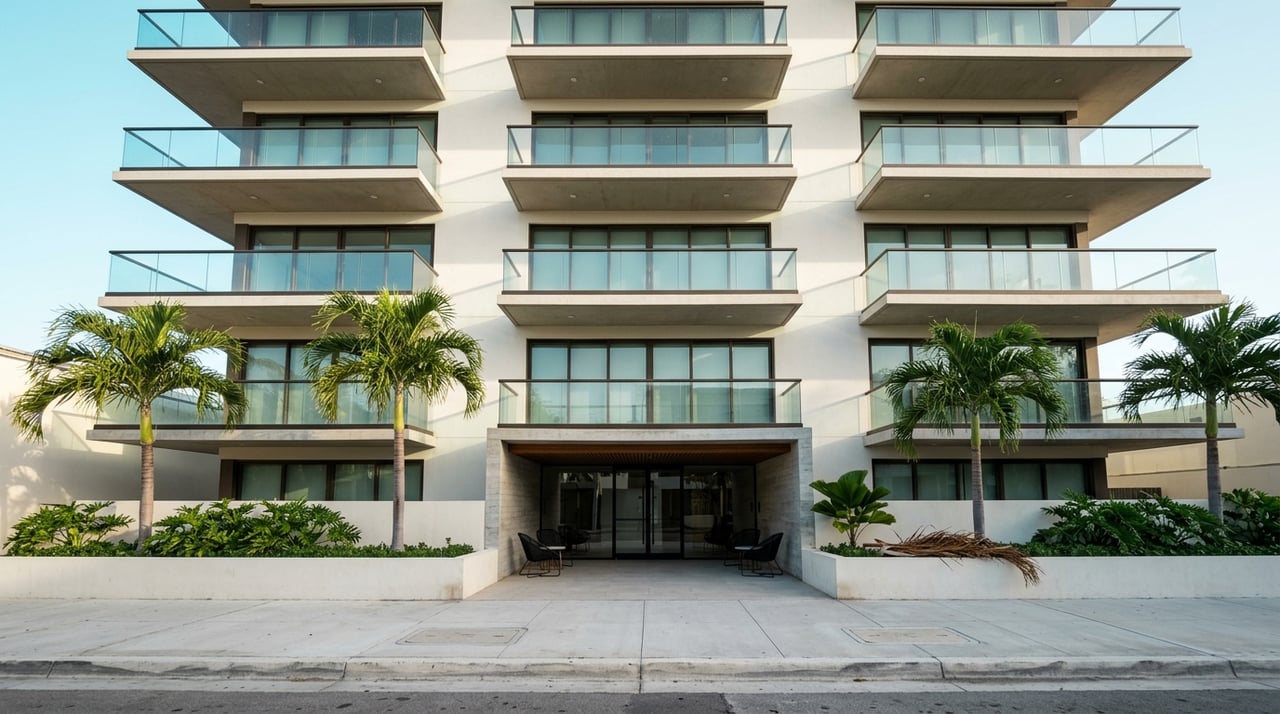
- Deep balconies create a true outdoor room and better vantage points.
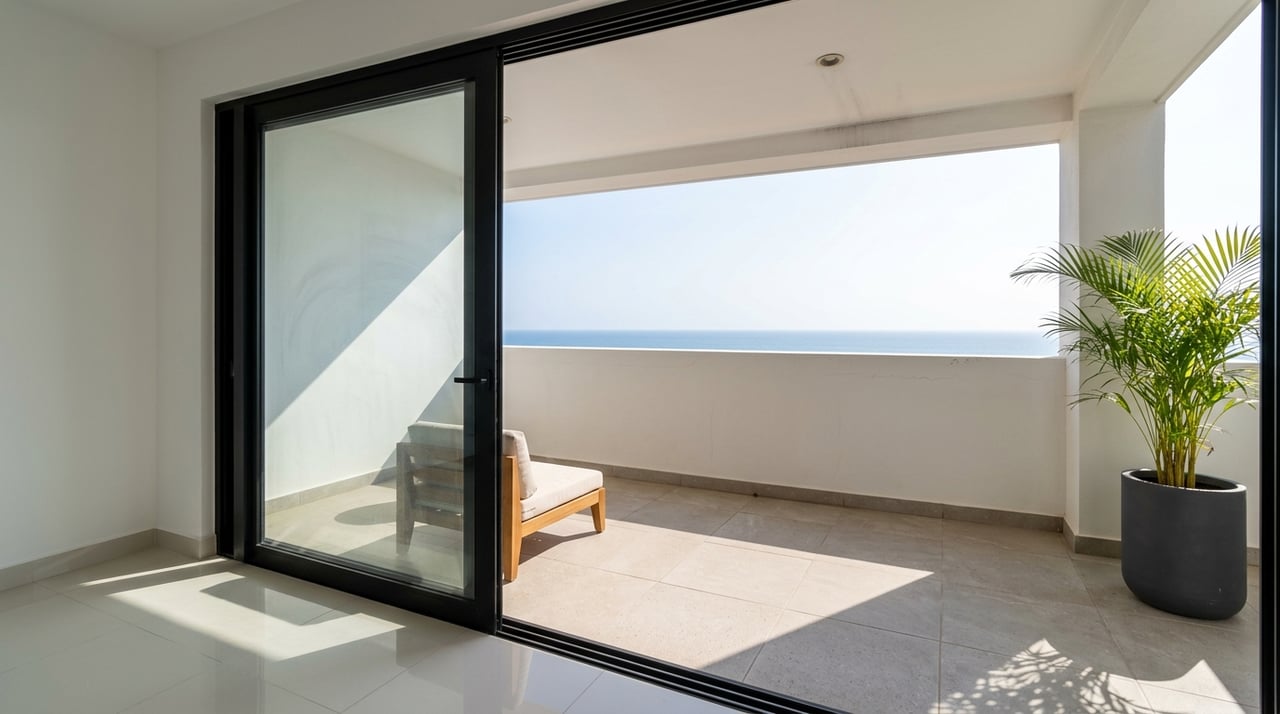
- Floor‑to‑ceiling glazing opens the view but can add glare and heat. Look for shading, overhangs, and quality glass (tinted, low‑e, or hurricane‑rated) to balance comfort with clarity.
Rooftops and common vantage points
A rooftop terrace, pool, or observation deck can give you guaranteed panoramas even if your unit itself has an angled or partial view. Ask whether rooftop access is part of the common elements.
Amenities, parking, HOA: what matters
Lifestyle buyers and second‑home owners often prioritize convenience and low‑stress ownership. Here is what to confirm.
Ocean‑lifestyle amenities
Pools facing the water, rooftop lounges, and direct beach access elevate everyday life. Fitness centers and storage for beach gear are practical pluses. If you plan to rent when away, ask about on‑site management and whether the building supports short‑term stays.
Parking that protects value
Deeded, covered parking is a major advantage in a tropical, coastal environment. Tandem spaces can be less convenient and affect resale appeal. In oceanfront buildings, confirm if parking areas sit above typical flood elevations and what drainage protections exist.
HOA fees, rules, and rental policies
Oceanfront buildings face more wear from salt air and storms, so expect higher maintenance and insurance costs. Always review HOA bylaws and rules for short‑term rentals. Puerto Rico requires registration and tax compliance for tourist rentals; check the Puerto Rico Tourism Company for current guidance.
Protect your view: due diligence
Before you fall in love with a balcony photo, run a view‑protection playbook to avoid surprises.
View permanence and future construction
Ask the HOA and municipal offices about any pending permits on nearby parcels. Confirm zoning with the Puerto Rico Planning Board to understand what could be built in front of your stack. Even a mid‑rise on a nearby lot can shift a “panoramic” view to partial.
Flood, storm, and sea‑level risks
Check your building and parking level against FEMA flood zones using the FEMA Flood Map Service Center. For long‑term shoreline trends and tides, consult NOAA sea level resources. Ask about finished‑floor elevations, waterproofing, pumps, and storm‑readiness.
Insurance and building reserves
Coastal master insurance premiums can be higher, and some buildings plan resiliency upgrades. Review the insurance certificate, recent budget, HOA minutes, and reserve study. Ask about special assessments, façade work, or balcony repairs.
How to tour for the truth
Great views change with light, weather, and time of day. Plan multiple visits to see your unit at its best and worst.
Best times to visit
- Sunrise: North and northeast exposures often glow in the morning. Check glare and early light.
- Midday: Evaluate heat gain, interior comfort, and whether shading works.
- Sunset and night: Assess color, reflections, city lights, and potential light pollution.
On‑site tests that reveal reality
- Sightline test: Look straight to the horizon from the living room and balcony. Step to each balcony corner to gauge the panorama.
- Wind and noise: Note wind exposure and whether you hear surf or street noise more.
- Glare and heat: Stand near the glass at noon; ask about HVAC sizing and recent energy bills.
- Privacy: Check whether neighboring balconies or public areas look into your unit.
- Storm protection: Operate hurricane shutters or confirm impact glass. Ask how shutters affect day‑to‑day views when closed.
Smart questions to ask
- Which stack is this, and which stacks face the ocean best?
- Any recent or planned special assessments or exterior projects?
- What is covered by the master insurance, and what falls to owners?
- Are parking spaces deeded or assigned? Any tandem spaces?
- Has the building had storm damage? What upgrades followed?
- Are there municipal records of nearby projects that could affect views?
- Is rooftop or a viewing terrace part of the common elements?
Quick touring checklist
- Schedule four visits: sunrise, midday, sunset, night
- Bring: phone camera for wide photos and 30–60 second videos, measuring tape for balcony depth, and a compass app for true orientation
- Request HOA docs: bylaws, rules, minutes (last 12 months), recent budget, insurance binder, reserve study, rental policy
- Verify: deeded parking details, guest parking, and garage elevation vs. flood hazards
- Confirm: storm‑readiness and maintenance cadence for exterior metalwork and finishes
- Map it: Use Walk Score and an in‑person walk to confirm dining, grocery, and beach access routes
How to find your “best” building in San Juan
If you want that daily horizon moment, prioritize front‑row buildings in Condado, low‑to‑mid‑rise options along Ocean Park Beach, and oceanfront towers in Isla Verde. Then zero in on north or northeast‑facing stacks and higher floors with deep balconies. Finally, protect your investment by verifying flood risk, insurance, reserves, and any nearby developments that could change your view.
When you are ready for a curated shortlist and on‑site guidance, our local team can help you compare stacks, test sightlines, and pull the right HOA and municipal records so you move forward confidently. Reach out to Mi Corredor to start your ocean‑view search today. Call Javi for a walkthrough plan that fits your goals and timing.
FAQs
What counts as a “panoramic ocean view” in San Juan?
- An unobstructed, wide‑angle view of open Atlantic water and sky, usually from a front‑row, north or northeast‑facing stack on a mid‑to‑high floor.
Where in San Juan do condos most consistently face the Atlantic?
- Front‑row Condado buildings and Isla Verde oceanfront towers offer the best odds for open‑horizon views; Ocean Park can also deliver wide vistas with fewer tall obstructions.
How do I verify my view will not be blocked later?
- Ask the HOA and check zoning and permits with the Puerto Rico Planning Board; confirm whether adjacent parcels allow taller construction.
What HOA documents should I review for an oceanfront condo?
- Bylaws, house rules, last 12 months of minutes, current budget, reserve study, master insurance certificate, rental policy, and any special assessment notices.
How do I check flood and storm risk for a specific building?
- Look up the address in the FEMA Flood Map Service Center and review building elevations; consult NOAA sea level resources for long‑term trends.
What should I test during a condo tour to judge the view?
- Visit at sunrise, midday, sunset, and night; perform a horizon sightline test from the living area and balcony; note glare, wind, noise, privacy, and shutter operation.
Are short‑term rentals allowed in San Juan condo buildings?
- Rules vary by building; many restrict STRs. Confirm HOA policy and follow registration and tax requirements with the Puerto Rico Tourism Company.