Thinking about moving to Guaynabo? You are not alone, and the move can make a lot of sense if you want metro access, a range of housing options, and a practical base near San Juan. At the same time, Guaynabo is not a bargain market, so it helps to understand what you are paying for, how the local buying process works, and where your monthly budget can shift. This guide will walk you through the basics so you can relocate with more clarity and less guesswork. Let’s dive in.
Why Guaynabo draws newcomers
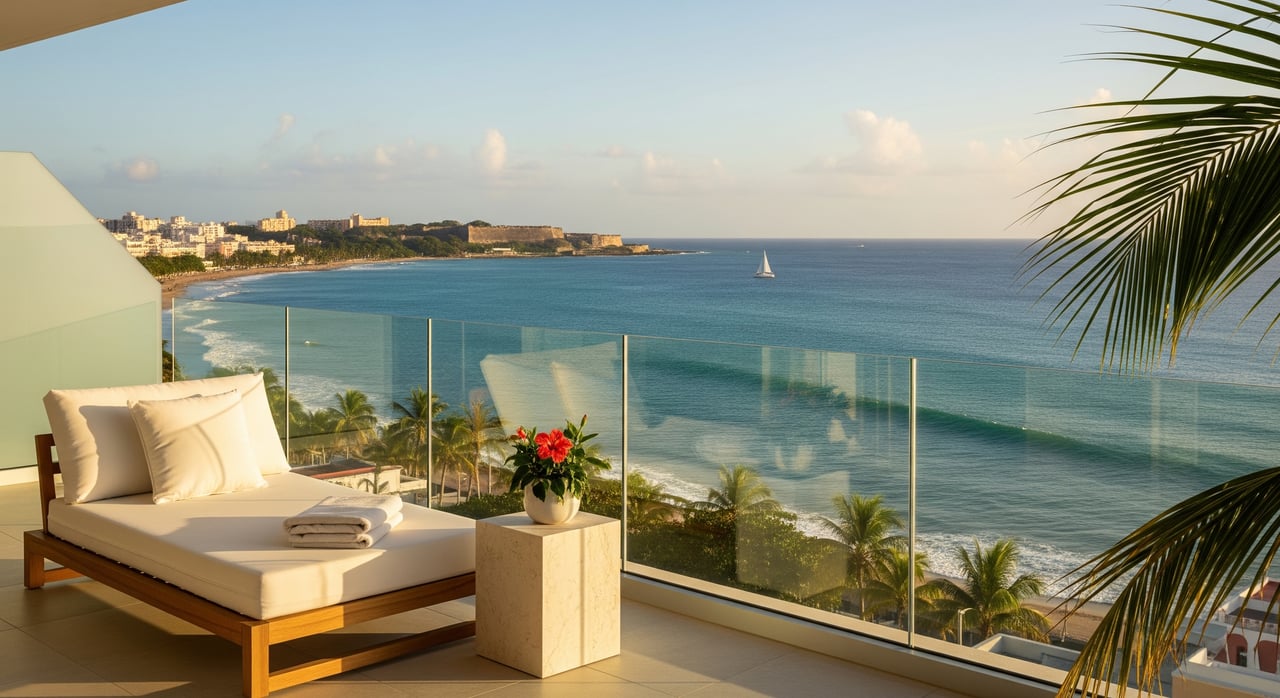
Guaynabo sits in a strong position for people who want to stay close to the San Juan metro area without limiting themselves to one type of home. The municipality says it has direct access to major roads and highways and is only minutes from San Juan and Luis Muñoz Marín International Airport. For many relocators, that location is a major part of the appeal.
Daily logistics also look practical on paper. The Census Bureau puts the mean travel time to work at 24.5 minutes, and Guaynabo operates municipal collective transportation on weekdays and Saturdays across trunk and neighborhood routes. If your routine includes commuting, airport trips, or regular cross-metro travel, that convenience can carry real value.
What housing looks like in Guaynabo
Guaynabo is best understood as a higher-cost, metro-adjacent municipality, not a low-cost suburb. The Census Bureau estimates 89,055 residents in 2025, with 72.4% of housing units owner-occupied. It also reports a median value of $226,800 for owner-occupied homes, median selected monthly owner costs with a mortgage of $1,511, and median gross rent of $901.
Those figures sit above Puerto Rico-wide benchmarks. For Puerto Rico overall, the same Census data shows a median home value of $131,500, median gross rent of $578, and median selected monthly owner costs with a mortgage of $946. In other words, when you move to Guaynabo, you should expect to pay for location and market demand.
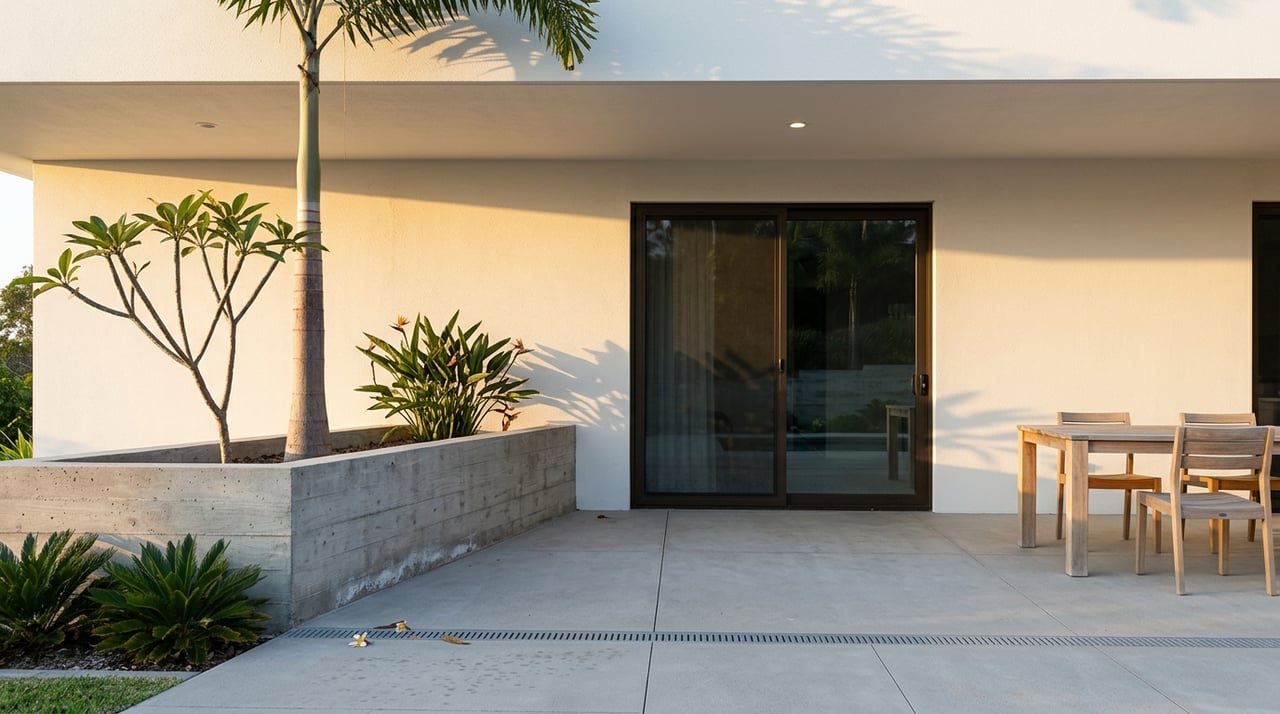
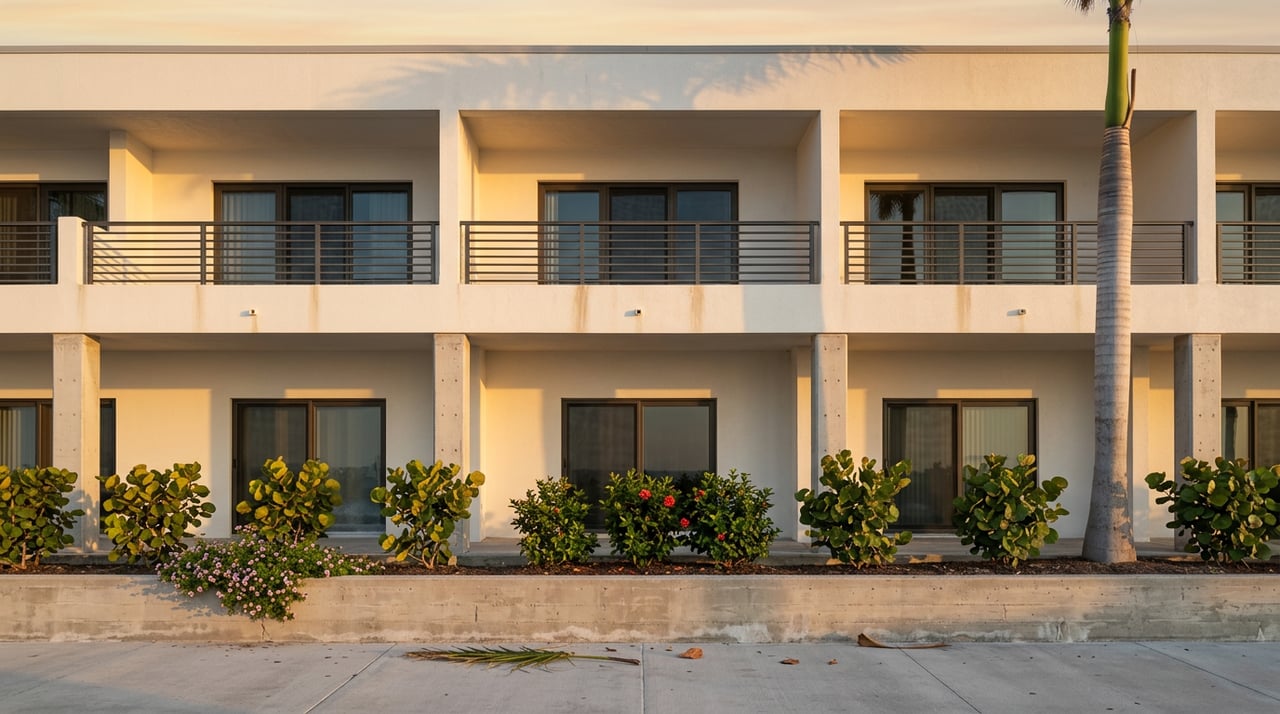
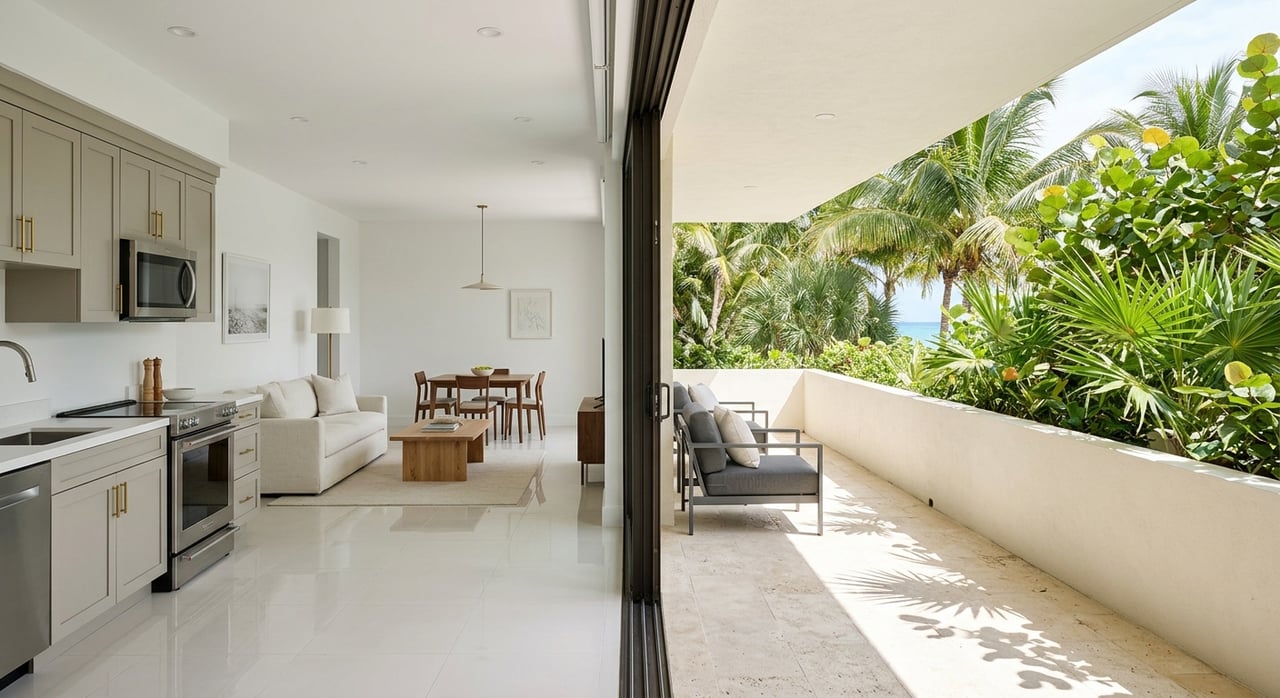
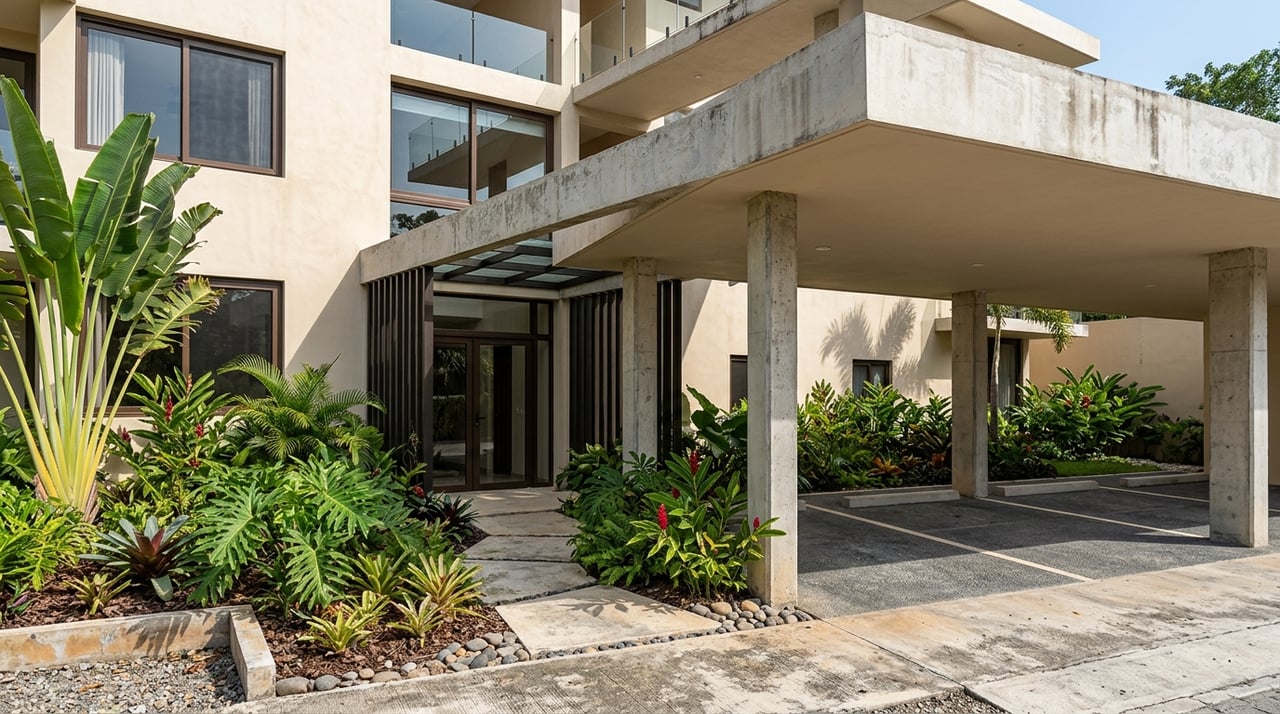
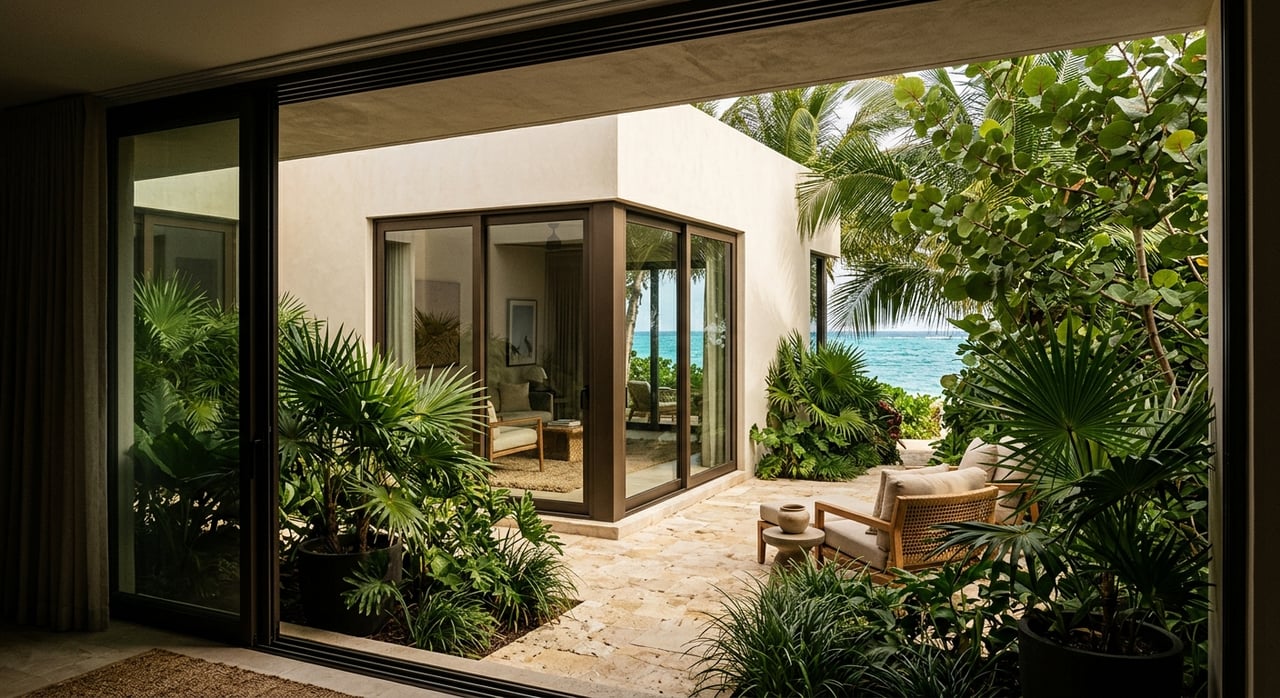
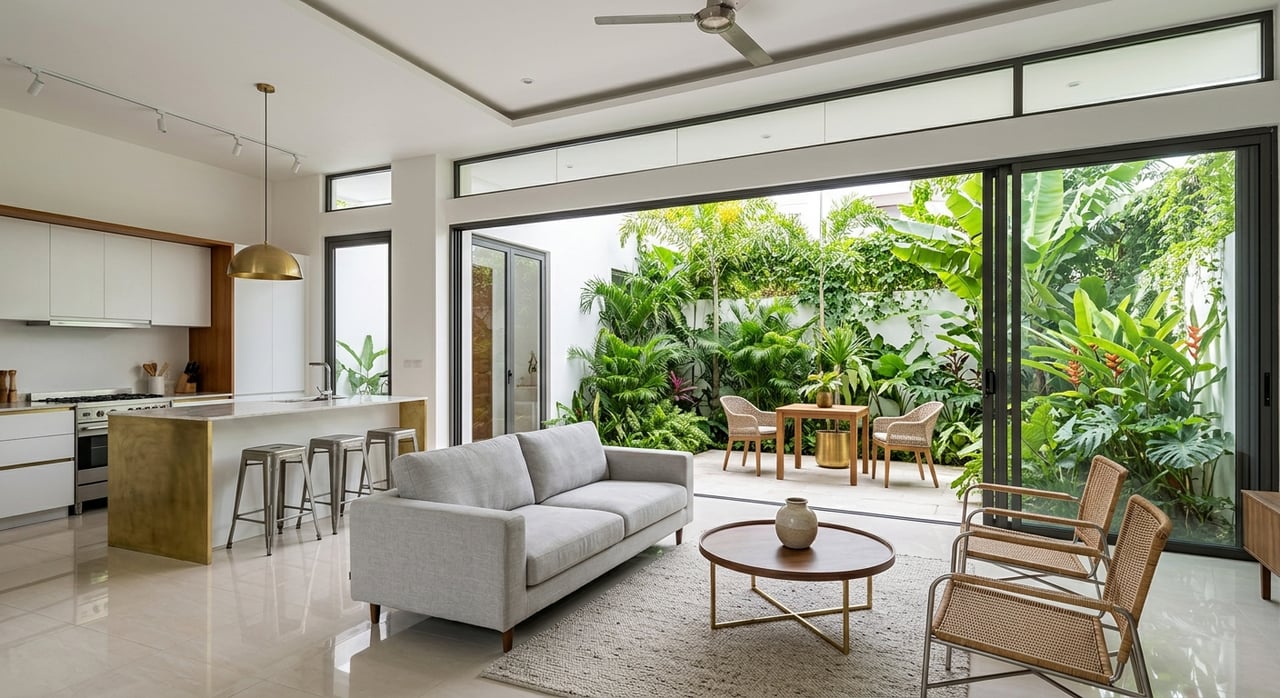
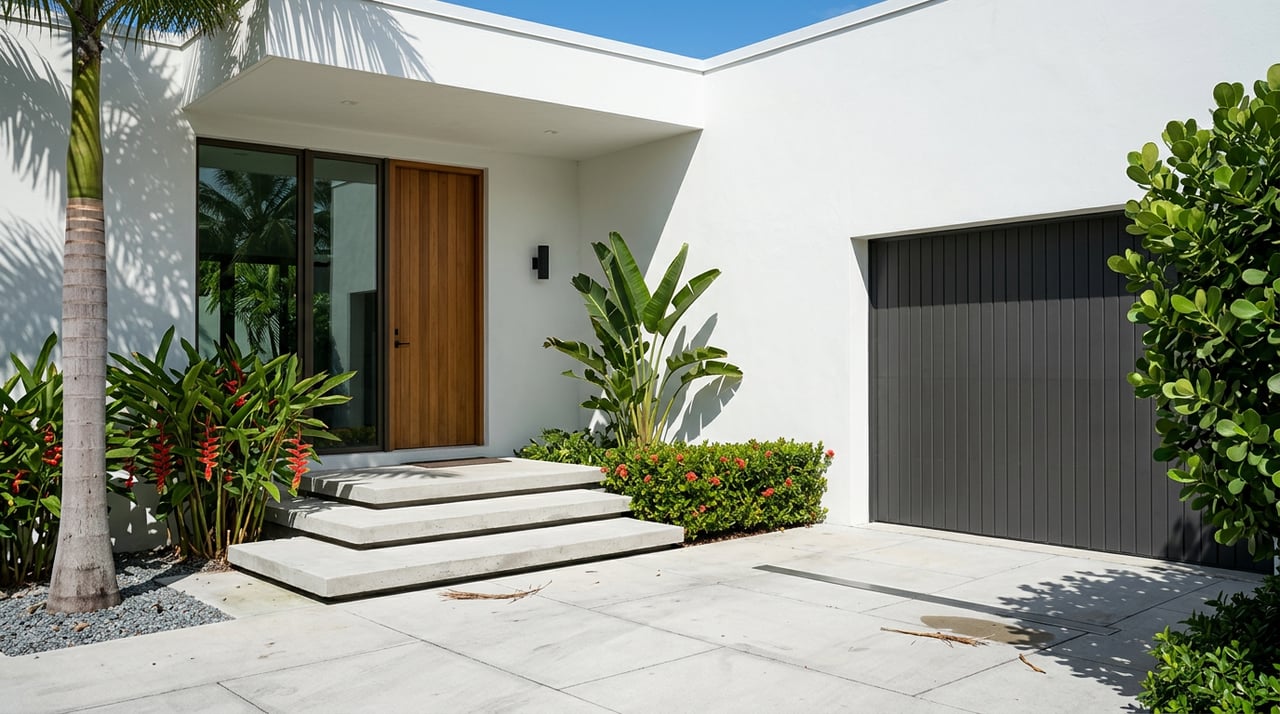
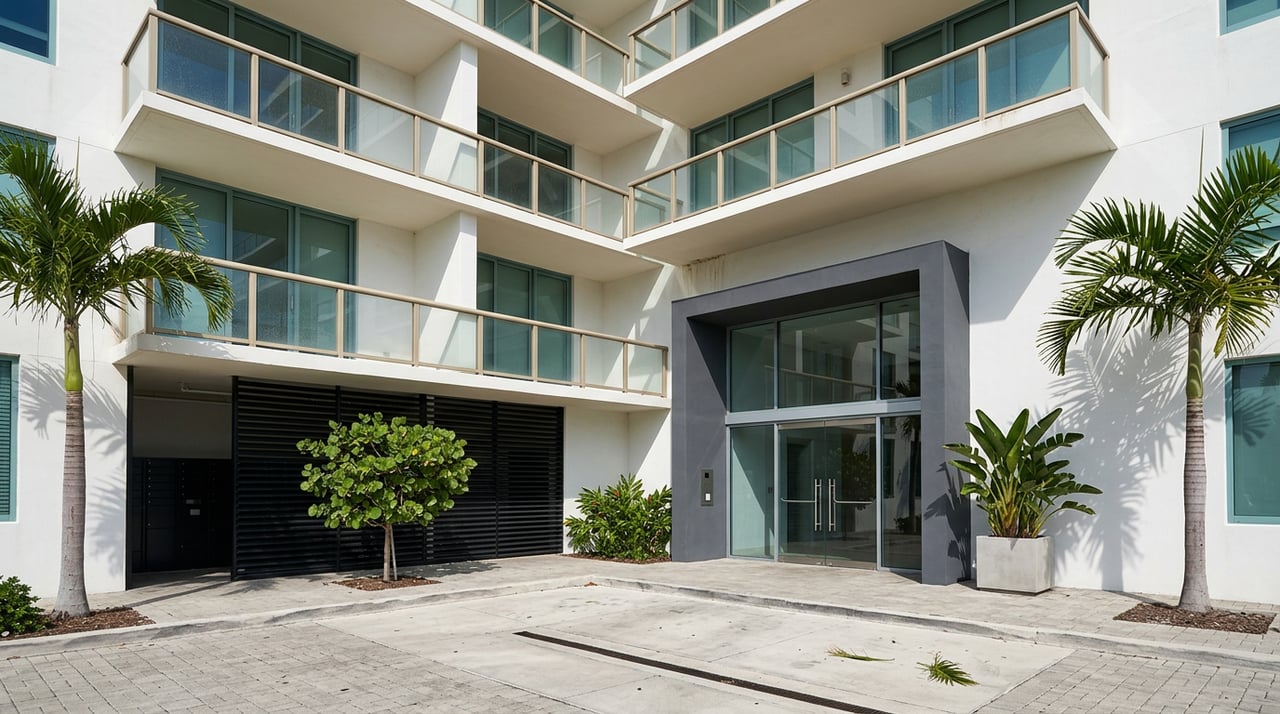
Guaynabo also offers more than one housing style. ACS-based housing profiles show that about 69% of housing units are single-unit structures, which means the market is not just condos. At the same time, active listings show condos remain a major part of the inventory, so many newcomers end up comparing suburban single-family homes with condo-heavy pockets.
Choosing between condos and single-family homes
If you are relocating, your first big choice may be less about address and more about housing type. In Guaynabo, that matters because condos and single-family homes can create very different monthly budgets and daily routines. The right fit depends on how you want to live, commute, and maintain the property.
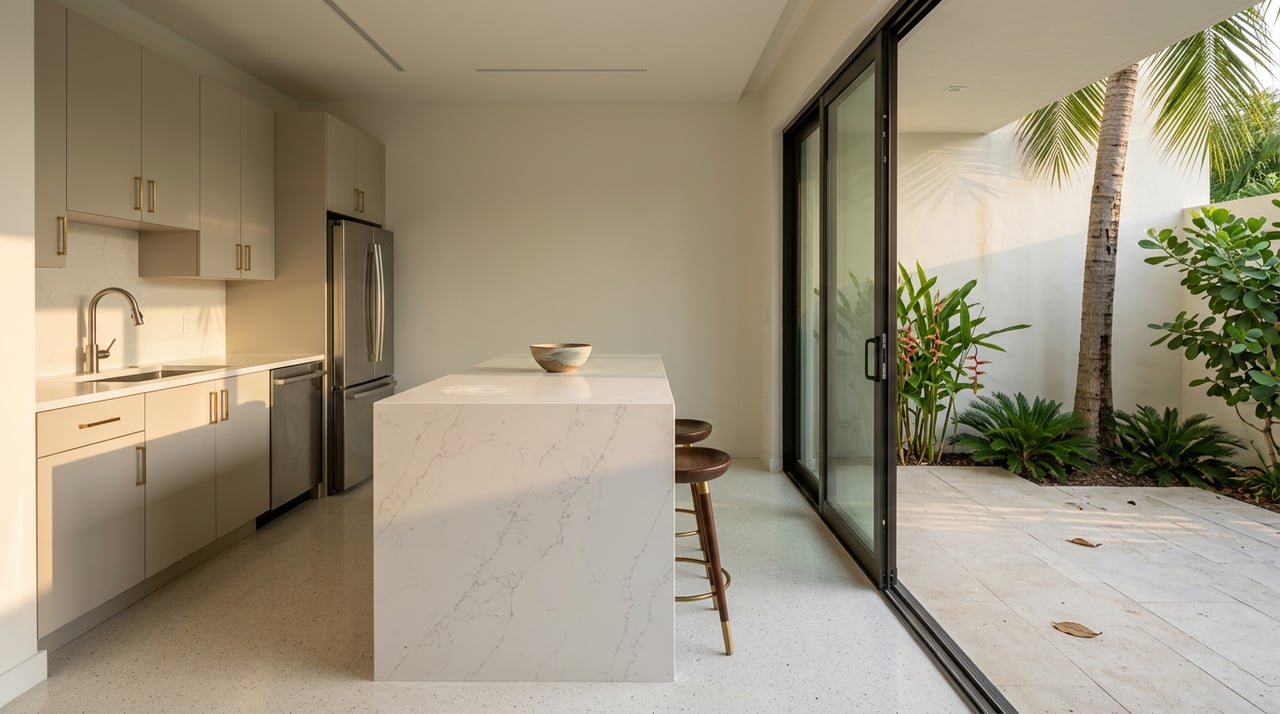
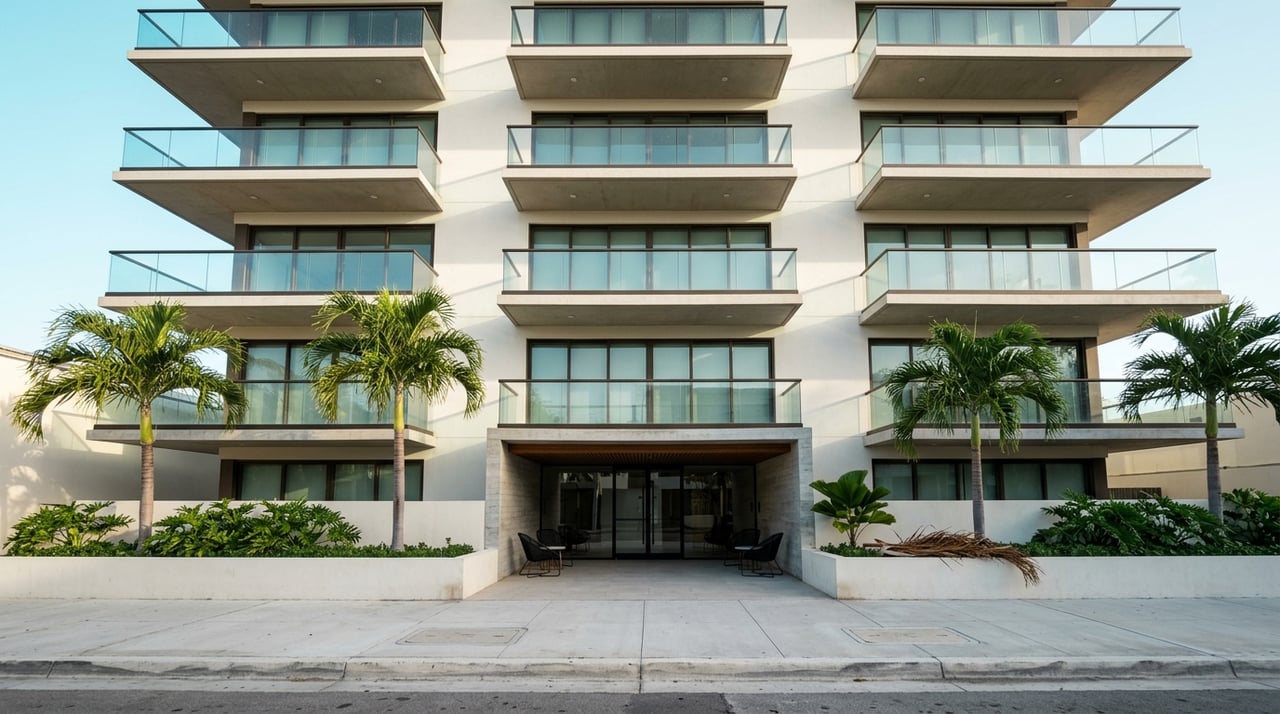
A condo may work well if you want a simpler setup, easier lock-and-leave living, or a more compact footprint. A single-family home may suit you better if you want more interior space, a yard, or more separation from neighboring units. Since both product types are active in Guaynabo, it helps to compare them side by side before narrowing your search.
| Housing type | What to expect in Guaynabo |
|---|---|
| Condo | Common in active listings, often tied to association dues that vary by building |
| Single-family home | A major part of the housing stock, with more traditional detached-home options |
Budgeting beyond the purchase price
One of the easiest relocation mistakes is focusing only on sale price or rent. In Guaynabo, monthly ownership costs can change significantly depending on the building, utility use, and the details of the home itself. A smart move is to build your budget line by line.
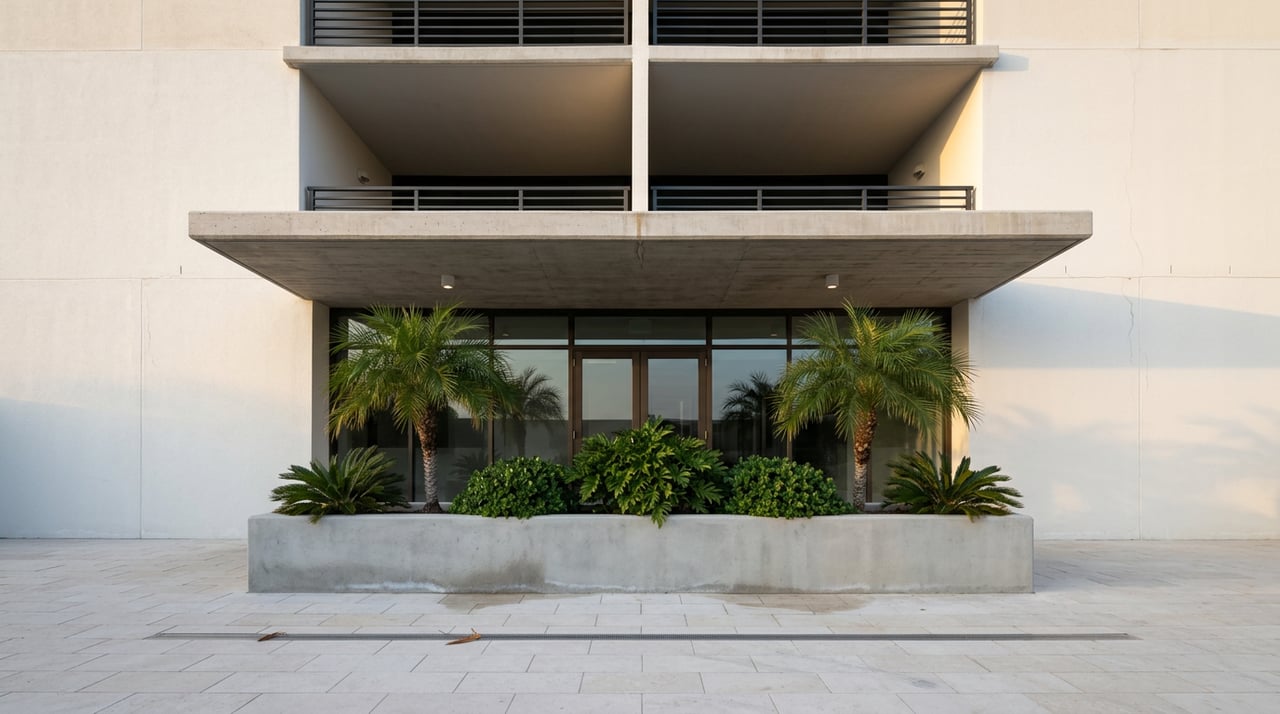
For condo buyers, association dues deserve close attention. A sample of active Guaynabo condo listings shows HOA fees ranging from $169 to $750 per month. Several units fall in the low-to-mid $200s, while some buildings run above $350, which means dues can have a major effect on your true monthly cost.
That is why building-level review matters more than broad neighborhood assumptions. Two condos with similar asking prices can feel very different once dues are added to the monthly budget. When you relocate, that kind of comparison can save you from stretching too far after closing.
Water is easier to baseline. The Puerto Rico Aqueduct and Sewer Authority’s 2025 tariff lists a residential base charge of $29.88 per month for a 5/8-inch or 1/2-inch meter before usage charges, with larger meters carrying higher base charges. That gives you a useful starting point, even though total bills still depend on consumption.
Electricity takes more caution. The Puerto Rico Energy Bureau says electric rates include fuel and power-purchase adjustments approved quarterly, while other charges are reviewed annually, and a 2025 rate petition remains under review. The practical takeaway is simple: treat electricity as a variable, usage-based cost rather than assuming a fixed citywide average.
What renters and buyers should know
Guaynabo can work for both renters and buyers, but the math and timing are different. Census data shows median gross rent at $901, while owner costs with a mortgage come in higher at a median of $1,511 per month. Depending on your timeline, that gap can shape whether you rent first or buy right away.
If you are new to Puerto Rico and still learning your commute, preferred housing type, or day-to-day patterns, renting first may give you breathing room. If you already know you want to stay in the metro area and have a clear budget, buying may offer a stronger long-term fit. The key is making the choice around your lifestyle and not just the headline price.
Commute planning matters more than map distance
Many newcomers look at Guaynabo and assume any location inside the municipality will work the same for daily travel. In practice, that can lead to frustration. Puerto Rico’s transportation planning for the region points to corridors that include PR-22, PR-21, PR-1, and PR-52, so your actual route matters as much as your general location.
That means you should screen homes based on rush-hour corridor access and your real origin-and-destination pattern. A property that looks close on a map may behave differently depending on the roads you need most often. This is especially important if your schedule depends on getting to San Juan, the airport, or another part of the metro area consistently.
Municipal transportation can also be part of the picture. Guaynabo’s collective transportation system runs Monday through Friday from 6:00 a.m. to 5:00 p.m. and Saturdays from 8:00 a.m. to 4:00 p.m. If you want alternatives to driving for some trips, it is worth checking route coverage early in your search.
How the Puerto Rico closing process differs
If you are relocating from outside Puerto Rico, one of the biggest adjustments is the closing process. Puerto Rico’s system is registry-driven, and the Department of Justice says the Property Registry records and publicizes real estate transactions and shows owners, liens, and encumbrances. For Guaynabo, registry matters are handled through the metropolitan seat in Santurce.
That makes title clarity a central part of due diligence. A clean closing is not just about agreeing on price and signing documents. It also depends on confirming the registry history of the property and understanding whether prior sales, mortgages, liens, or judgments affect the title.
The Government of Puerto Rico’s Title Clearance Program describes title investigation as gathering the registry history and preparing a title study that reflects transactions such as sales, mortgages, liens, and judgments. For you as a buyer, that is the right way to think about title review locally. You want a clear picture of what is attached to the property before you close.
There is also a post-signing administrative component. Hacienda states that notaries must register deeds from the prior month, and its transfer process for real estate points buyers and notaries to the electronic informative-return process for property transfers. In short, the process does not end when papers are signed and keys change hands.
Older homes, hillside lots, and permits
If you are considering a property that needs updates, you should look beyond finishes and layout. Guaynabo’s planning office oversees the territorial plan and area plans, and the municipal housing department’s rehabilitation and construction program references permits and flags flood or landslide risk in its eligibility rules. That makes property-specific review especially important for homes that may need work.
This can matter with older homes, hillside properties, or any unit where you plan to renovate after closing. Before you make assumptions about timelines or costs, it helps to verify local permit and land-use issues. A home can look like a great opportunity until permitting or site conditions change the scope of the project.
Why local guidance matters in Guaynabo
Relocating is rarely just about finding a home you like. In Guaynabo, the real work often happens in the overlap between budget, commute, housing type, title review, and building-specific costs. That is where local guidance tends to matter most.
A practical local advisor can help you compare condos unit by unit, test commute assumptions against real routes, verify HOA dues, and coordinate the Puerto Rico-specific title, registry, and permit workflow. In a market where two homes can look similar online but differ sharply in true monthly cost or closing complexity, that support can save time and reduce surprises.
If you are planning a move to Guaynabo, working with a team that knows the metro market can make the process smoother from search to closing. When you are ready to compare neighborhoods, condos, or single-family options with a local perspective, connect with Mi Corredor for thoughtful, hands-on relocation support.
FAQs
What is the cost of housing in Guaynabo for newcomers?
- Guaynabo is a higher-cost municipality by Puerto Rico standards, with Census estimates showing a median owner-occupied home value of $226,800, median monthly owner costs with a mortgage of $1,511, and median gross rent of $901.
Are condos common in Guaynabo for relocating buyers?
- Yes. Guaynabo includes both a large share of single-unit housing and an active condo market, so newcomers should expect a mix of detached homes and condo-heavy areas.
How much are HOA fees in Guaynabo condos?
- Sample active condo listings in Guaynabo show HOA dues ranging from $169 to $750 per month, with many units in the low-to-mid $200s and some buildings above $350.
What should buyers know about utilities in Guaynabo?
- Water has a published residential base charge of $29.88 per month for a typical small meter before usage, while electricity should be treated as a variable cost because rates and adjustments are reviewed by the Puerto Rico Energy Bureau.
How long is the average commute from Guaynabo?
- The Census Bureau reports a mean travel time to work of 24.5 minutes, but your real commute will depend heavily on corridor access and your specific destination.
What is different about closing on a home in Guaynabo?
- Closings in Guaynabo follow Puerto Rico’s registry-driven system, so title review, notarial recording, and post-closing registry paperwork are important parts of the process.
Should you check permits before buying in Guaynabo?
- Yes. If a property is older, on a hillside, or likely to need renovations, it is smart to review permit and land-use issues early because local rules and site conditions can affect your plans.