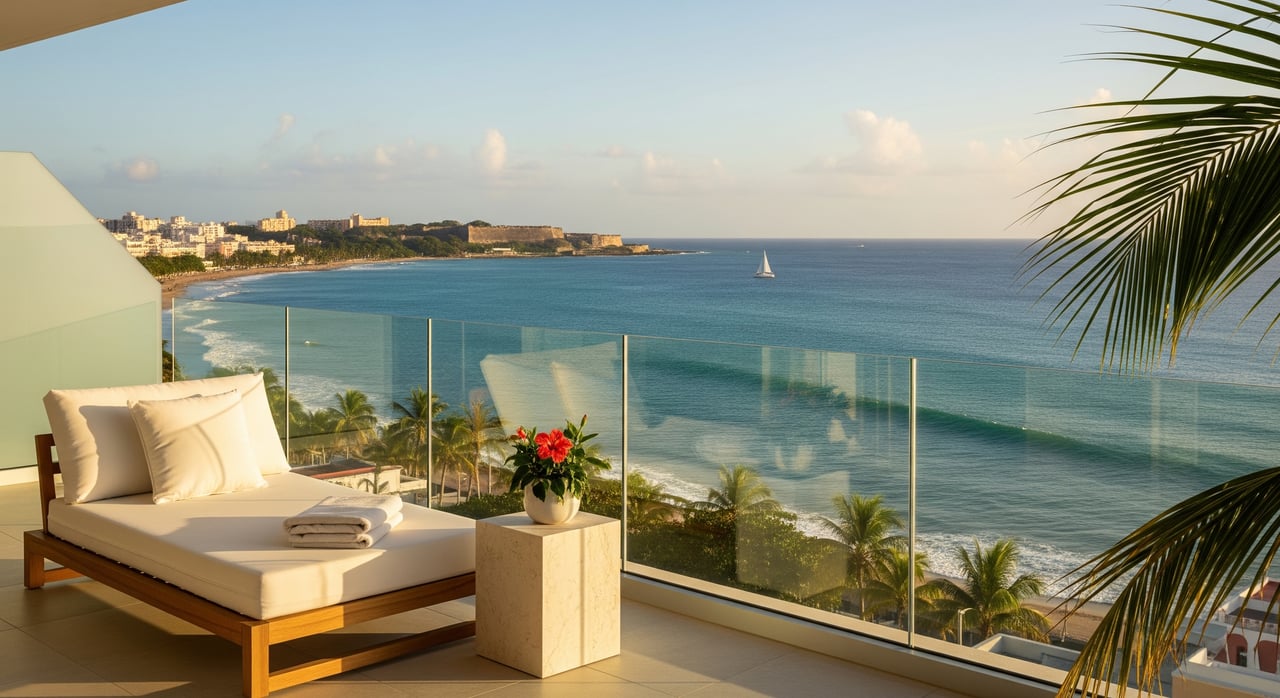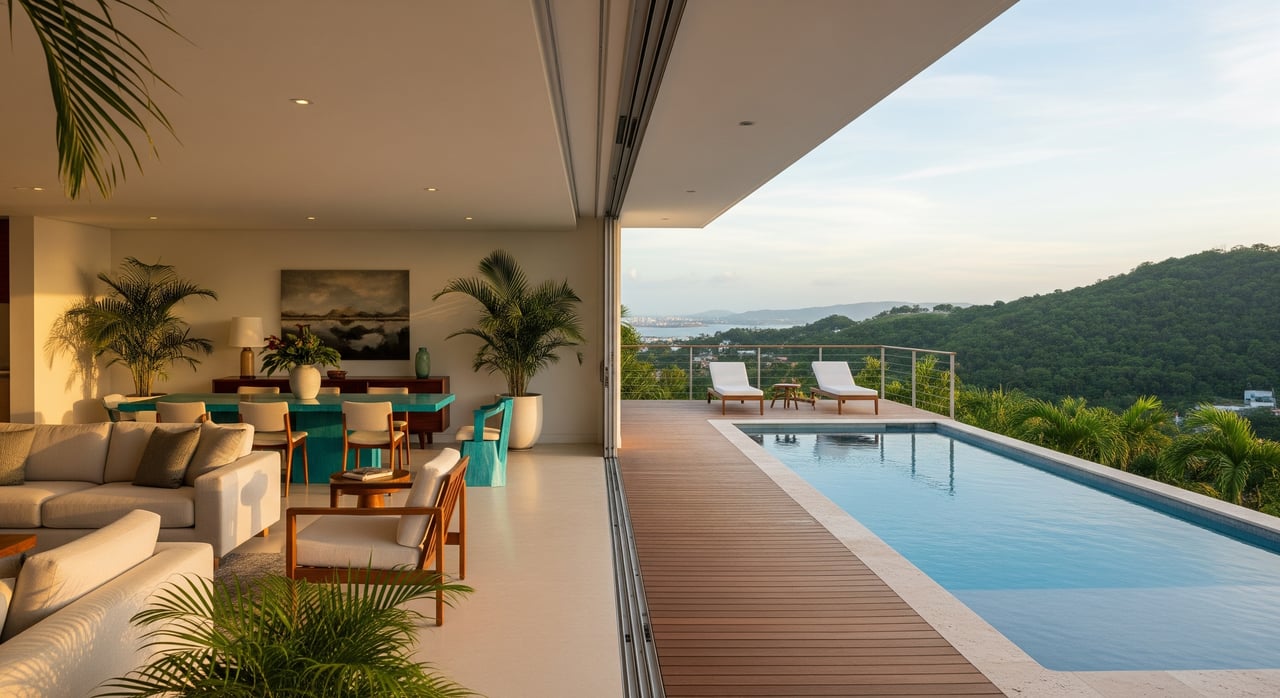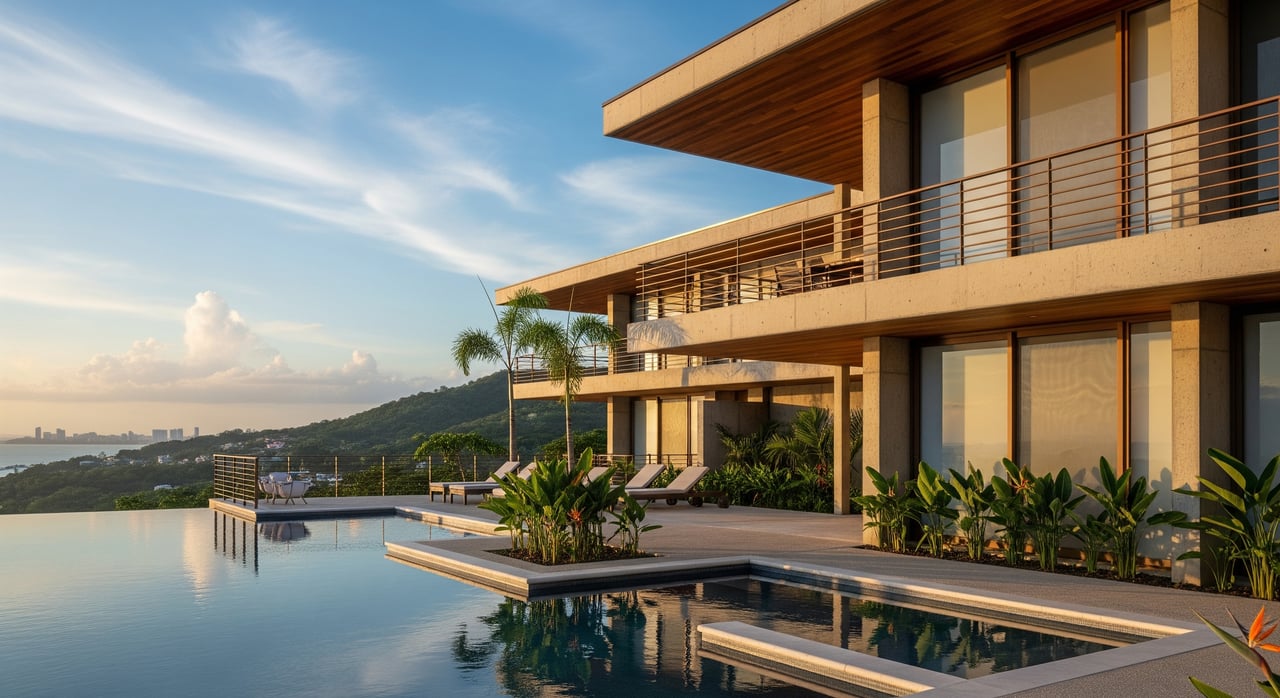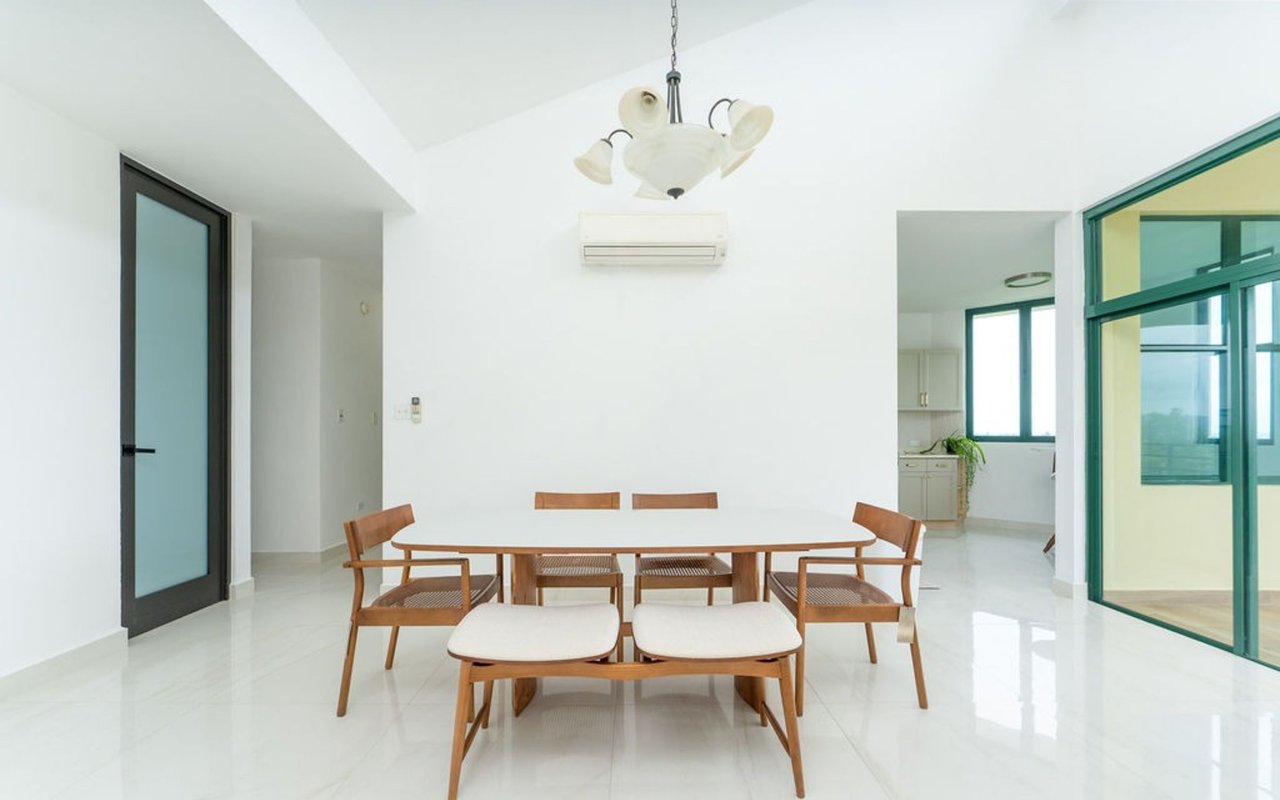
Thinking about selling your Isla Verde condo and want the biggest audience possible? Timing matters in Carolina’s beach corridor, where travel patterns, short-term rentals, and local events shape buyer behavior. You want to catch the right buyers when they are on-island and ready to act, while still making showings easy. In this guide, you will learn the best listing windows, what to avoid, and a clear prep timeline tailored to Isla Verde. Let’s dive in.
Why timing matters in Isla Verde
Isla Verde attracts several distinct buyer groups throughout the year. In winter, many visitors come from the U.S. mainland and look at condos for second homes or short-term rental investments. Local and Puerto Rico-based buyers are active year-round but often compete with investors during peak tourist periods.
Buyer intent shifts with the seasons. December through April brings higher in-person interest from snowbirds and investors. Summer months see more local activity and fewer walk-in buyers. During hurricane season, buyers tend to be more cautious and focus more on insurance and inspections.
Best listing windows
Mid-January through April
This is the primary window for maximum exposure. You benefit from peak visitor season, when more qualified buyers are on-island and able to tour condos in person. Listings that go live in this period typically see more immediate showing requests from mainland visitors and investors.
Plan around the first two weeks of January. Holiday schedules can slow down administrative tasks, and the San Sebastián Street Festival in mid-January increases traffic and interest but can make logistics more challenging. Coordinate showing plans and media schedules early if you launch near these dates.
Late February to March
Late winter into spring often brings strong visitor presence and spring break traffic. You can capture robust exposure, especially for units with short-term rental potential. Just build a showing calendar that avoids the busiest spring break weeks to keep access smooth.
May to early June
This is a solid secondary option if you want fewer showings conflicts with guests. Tourist congestion eases, which can make scheduling easier and reduce friction for photography and inspections. Local buyers remain active, and your team can focus on clean, uninterrupted showings.
Periods to avoid or plan around
Late December and New Year’s week
Most sellers should avoid launching in the two weeks that include Christmas and New Year’s. Many buyers and service providers are unavailable, and administrative work slows down. You will get better traction by waiting for mid-January.
Major festivals and holiday surges
Island-wide events and holidays increase visitor counts, which can boost online views and open-house turnout. They can also complicate private showings if your unit is occupied by guests. If you list near a festival week, block key dates so the condo is show-ready.
Peak hurricane season
Aim to avoid August through October for your launch if possible. During these months, buyers may be more price-sensitive and more focused on insurance and inspection contingencies. If you must list, prepare documentation that addresses storm resilience and past repairs.
If you rent short term
Short-term rental calendars help and hinder at the same time. High season brings strong booking revenue, but showings get harder if guests are in place. Decide whether you prioritize maximum rental income or maximum buyer exposure for your listing week.
Use your STR data as a selling tool. Compile 12 months of occupancy, nightly rates, and revenue to show recent performance. Listing during or just after a strong-occupancy stretch lets you present current performance snapshots that matter to investors.
Block dates strategically. Set aside at least the two weeks before launch for media and setup, then block the first 2 to 4 weeks on market to enable showings. That early window is when most listing interest concentrates, so access matters.
Prep timeline: 3–6 months out
4–6 months before list date
- Request a CMA and pricing strategy for Isla Verde from an agent who knows the STR and condo segments.
- Gather condo bylaws, transfer fees, and any rental restrictions. Confirm required seller documents and typical closing timelines.
- Review insurance options, especially windstorm coverage, and collect current policy records.
- Pull 12 months of STR performance if applicable and prepare to share with buyers.
- Consider a pre-listing inspection so you can fix issues that could derail financing or insurance.
8–12 weeks before list date
- Complete structural, electrical, plumbing, and cosmetic repairs. Prioritize items related to storm resilience and moisture.
- Obtain any condo association certificates or statements you need for the sale.
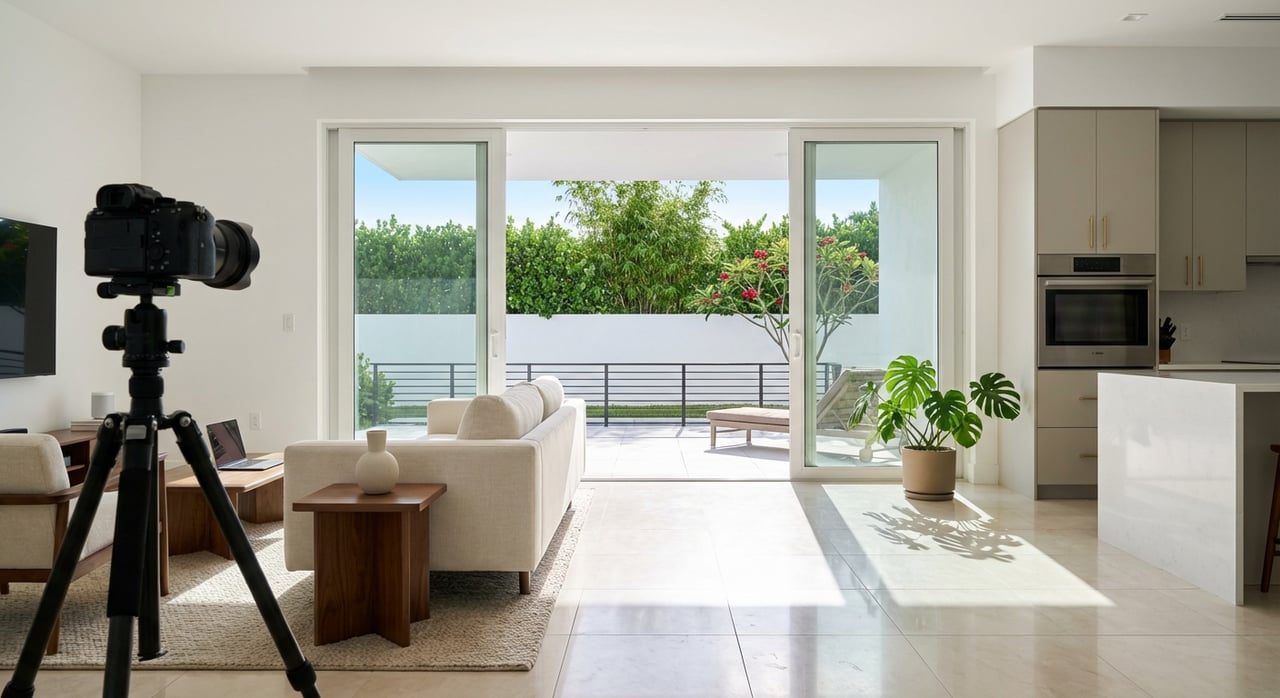
- Schedule staging and professional photography and video so media reflects current furnishings.
- If the unit is guest-occupied, start blocking dates 2–3 weeks before launch and for the first 2–4 weeks on market.
2–4 weeks before list date
- Deep clean, declutter, and stage. Capture photos, video, and optional 3D or drone visuals that highlight proximity to beach and airport.
- Finalize listing copy that clearly states location advantages, rental performance, HOA rules, insurance info, and maintenance records.
- Lock in showing logistics, including keybox or access codes, and notify the HOA or concierge if needed.
Listing week and first 2–3 weeks
- Time your launch. Many sellers go live mid-week to maximize weekend showings, but align with when visiting buyers are on-island.
- Monitor early metrics, including online views, inquiries, and showing counts. Be ready to adjust pricing or marketing quickly during the first two weeks.
- Plan open houses around visitor schedules and avoid major island holidays when private showings are hard to coordinate.
Pricing and marketing by season
Pricing should reflect seasonality and buyer mix. Winter listings can hold stronger leverage for units with STR potential due to higher investor demand. In off-season months, expect greater price sensitivity and emphasize value and condition.
Make your media work hard. Schedule photography during good weather and when common areas are least crowded to capture the lifestyle that draws buyers to Isla Verde. Lead with clear visuals of views, beach access, and nearby amenities, backed by practical details on HOA policies and insurance.
Use documented STR performance carefully. Present monthly or annual reports that verify revenue and occupancy, and avoid projections that are not supported by records. Investors respond well to clean financials and transparent operating notes.
Logistics unique to Isla Verde
Condo associations play a big role in transaction timelines. Many require seller-provided documents and may have transfer or capital contribution fees that affect net proceeds. Confirm these early and keep them handy for buyer review.
Short-term rental rules vary by building. Some associations limit or regulate rentals, and buyers will ask for proof of what is allowed. Be ready with HOA rules and any permits or registrations that govern rental activity.
Insurance and inspections carry extra weight in a hurricane-prone market. Lenders and buyers typically want current windstorm coverage and may prefer features like impact windows. Keep mitigation records and any storm-related repair documentation ready to share.
Launch-week strategy
Think about who you want to reach in the first 10 days. If your ideal buyers are mainland investors in town that week, coordinate your go-live date and showing schedule to match their travel. If your unit is normally booked, keep it vacant for that early surge so you can accommodate short-notice tours.
Track feedback and respond fast. Most interest clusters in the first 1–2 weeks, so quick adjustments to pricing, copy, or photos can protect your momentum. Clear communication and easy access are small advantages that add up in this market.
When to list in the next 3–6 months
If you are heading into early or mid-winter, aim to go live within the next 4–10 weeks to capture peak visitor traffic. If you are approaching late spring or summer, consider a May to early June launch for smoother logistics. Otherwise, prepare for a fall or early winter list date, while keeping an eye on hurricane season overlap.
Ready to plan your list date?
You do not need to guess. A focused plan that matches Isla Verde’s travel patterns, your condo’s STR calendar, and HOA requirements will position you for maximum exposure. If you want a pricing strategy, staging plan, and launch calendar tailored to your building and buyer profile, reach out to the local team that does this every week. Call Javi and the team at Mi Corredor to schedule your listing strategy session.
FAQs
When is the best time to list an Isla Verde condo?
- Mid-January through April aligns with peak visitor season and brings more in-person showings from mainland buyers and investors.
Should I list during Christmas or New Year’s week in Carolina?
- Generally no, because buyer and vendor responsiveness is lower; waiting until mid-January usually delivers better traction.
How do spring break and festivals affect showings in Isla Verde?
- They boost tourism and online views but can make private showings harder if guests occupy your unit; plan blocks and showings around the busiest weeks.
What if my condo is an active short-term rental?
- Use your 12-month STR performance as a selling point and block key dates before and after launch so buyers can tour during the critical first weeks on market.
Is hurricane season a bad time to list in Puerto Rico?
- Try to avoid August through October for launch; buyers can be more cautious and focus more on insurance and inspection contingencies.
How far ahead should I start repairs and prep?
- Begin meaningful repairs 8–12 weeks before listing and allow 12–16 weeks for major work; cosmetic improvements can be completed in 2–4 weeks.
What HOA documents should I prepare before listing?
- Gather bylaws, any rental rules, required certificates, and details on transfer or capital contribution fees so buyers can assess costs and timelines quickly.