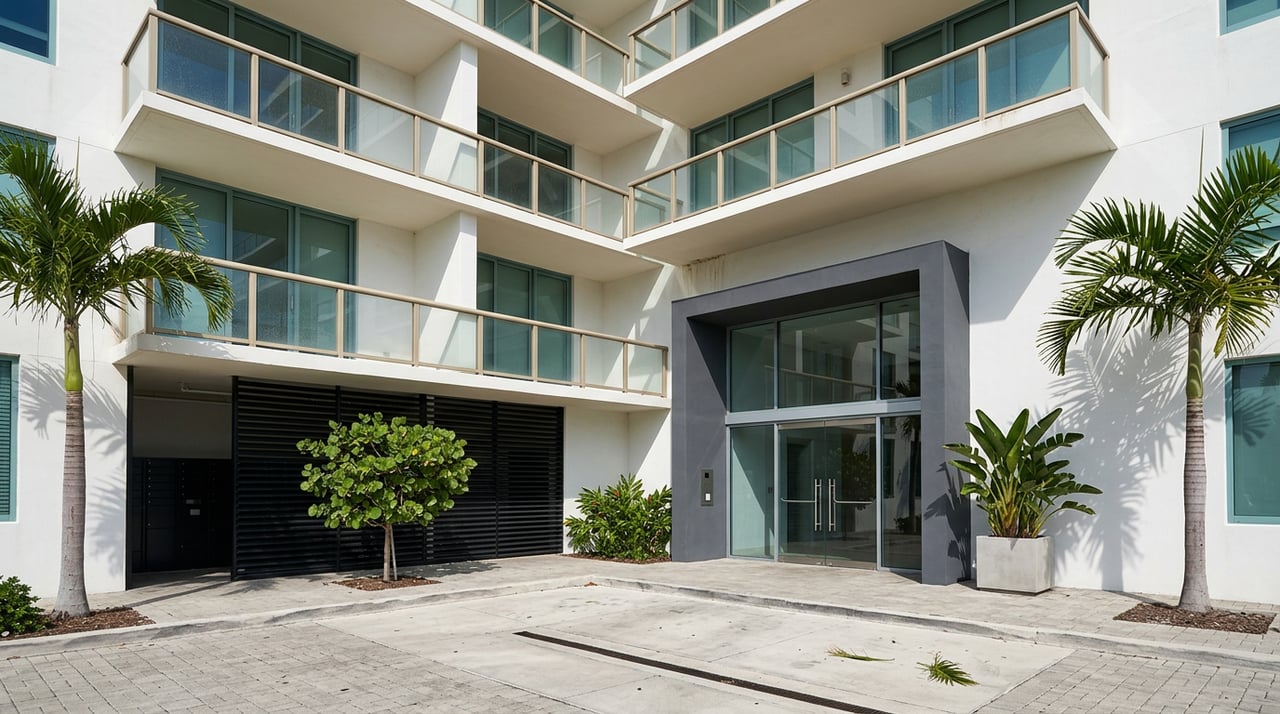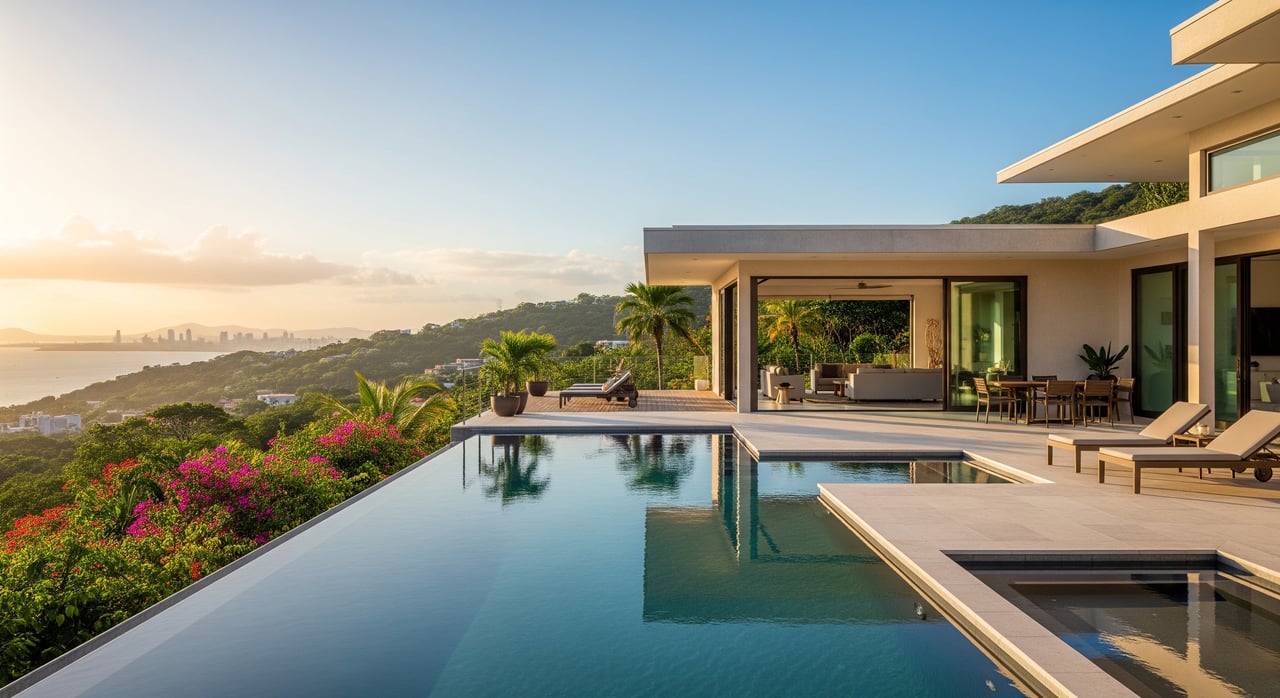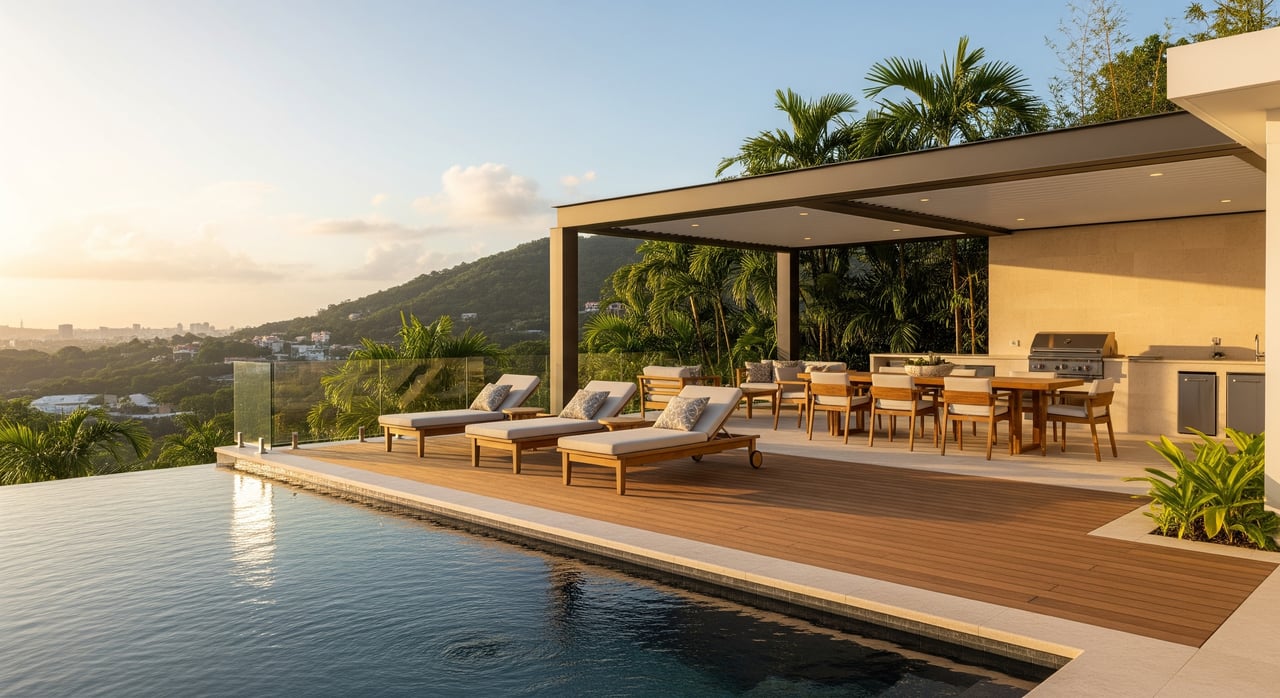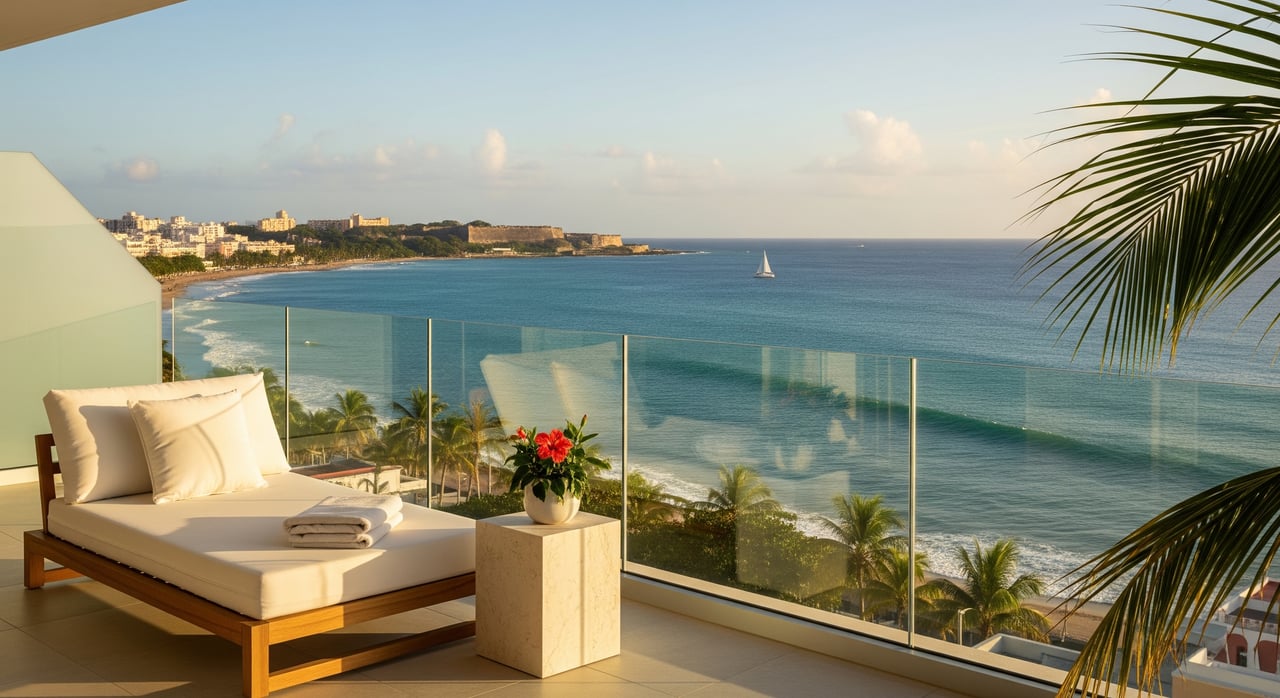
Thinking about selling your home in Guaynabo? You’re in a market where neighborhoods perform differently and buyers judge fast based on photos and price. With the right prep and a smart launch, you can stand out, attract more qualified showings, and close with confidence. In this guide, you’ll learn the Puerto Rico specific documents you need, the prep that pays off in Guaynabo, and the exact marketing steps to maximize exposure. Let’s dive in.
Know your Guaynabo market
Guaynabo has micro-markets. Areas like Pueblo Viejo, Frailes, Torrimar and Esmeralda, and Villa Caparra can show different price-per-square-foot trends and days on market. Treat your pricing and marketing plan by neighborhood, not citywide averages.
Median list prices in Guaynabo often sit in the high six figures to low seven figures, but active inventory and days on market shift month to month. Before you price, ask your agent for a CMA with 3 to 6 recent comparable sales in your same subdivision or zip. If you expect strong demand, a slightly aggressive price can drive showings in the first two weeks. If you want steady exposure, price right at market and lean on premium marketing.
Gather your documents early
Getting your paperwork in order upfront builds buyer confidence and speeds closing.
Title, deed, and mortgage cancellation
Have your deed (escritura), title evidence, and mortgage information ready. If there’s an existing loan, you’ll likely need a mortgage cancellation deed so you can deliver clear title. A local notary attorney prepares and certifies the public deed and related instruments. Learn the basics of who typically pays what in Puerto Rico closings in this practical overview from The Notary Lab PR. Review Puerto Rico closing cost roles.
CRIM certificate and municipal taxes
Buyers and notaries often request a current municipal tax status. Obtain your CRIM certificate (certificado de deuda o de no adeudar del CRIM) early so there are no surprises near closing. Puerto Rico’s municipal tax collection and transfer notifications are governed by the CRIM framework. See the municipal-code reference.
Registro de la Propiedad and HOA/condo docs
The deed transfer must be presented at the local Property Registry. Collect prior deeds and any registered liens. If you own a condo, line up your HOA resale documents, budgets, and rules before listing so buyers can review them quickly. A local notary and your listing agent can confirm the exact items needed. Read a practical summary of documents and notary practice.
Inspect and prep for Puerto Rico conditions
Pre-listing inspections
A seller-ordered inspection can surface issues early, reduce renegotiation risk, and speed up closings. Consider general structure, roof, electrical, plumbing, and termite/pest checks. Add pool, septic, or cistern inspections if applicable to your property.
Weather and flood awareness
In Guaynabo, buyers pay close attention to hurricane and flood resiliency. Look at roof straps, storm shutters or impact protection, and signs of moisture or past water intrusion. Disclose known storm or flood history. For context on flood and planning resources, visit the municipality’s territorial planning page. Check Guaynabo planning and hazard information.
If your home is in a FEMA Special Flood Hazard Area, lenders for most buyers will require flood insurance. Confirm your status and be ready to discuss recent premiums or any transferable policies with buyers.
Stage for photo-first buyers
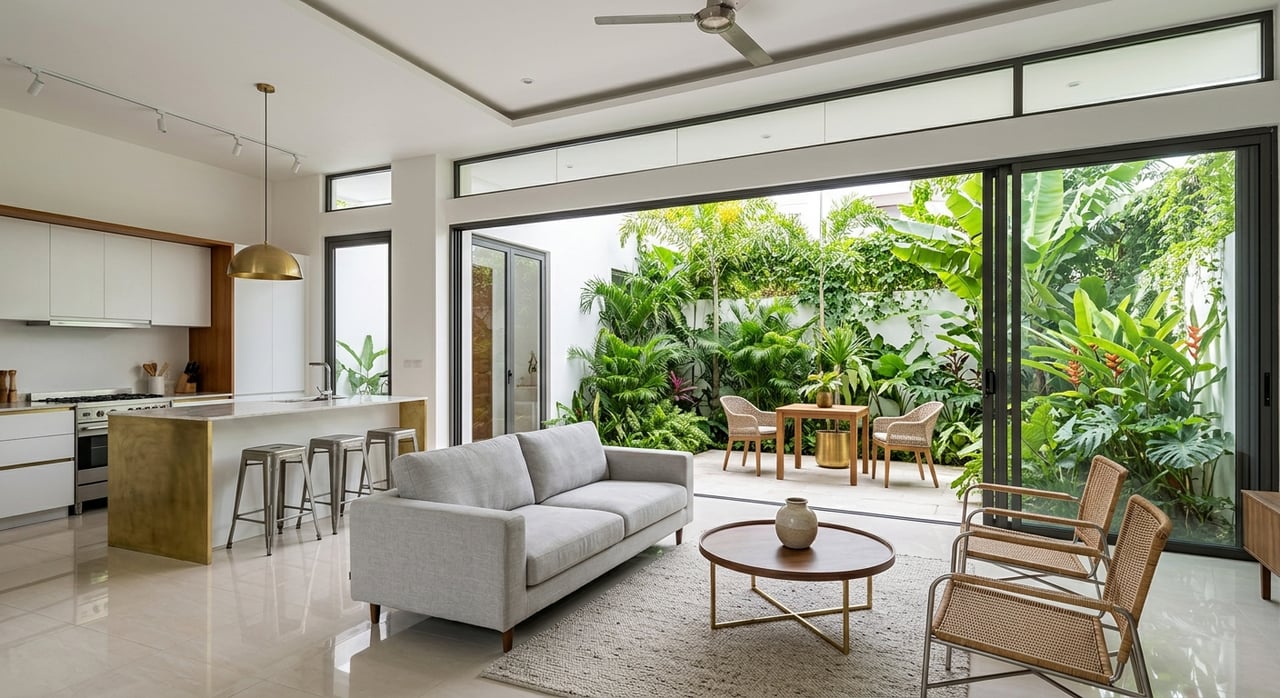
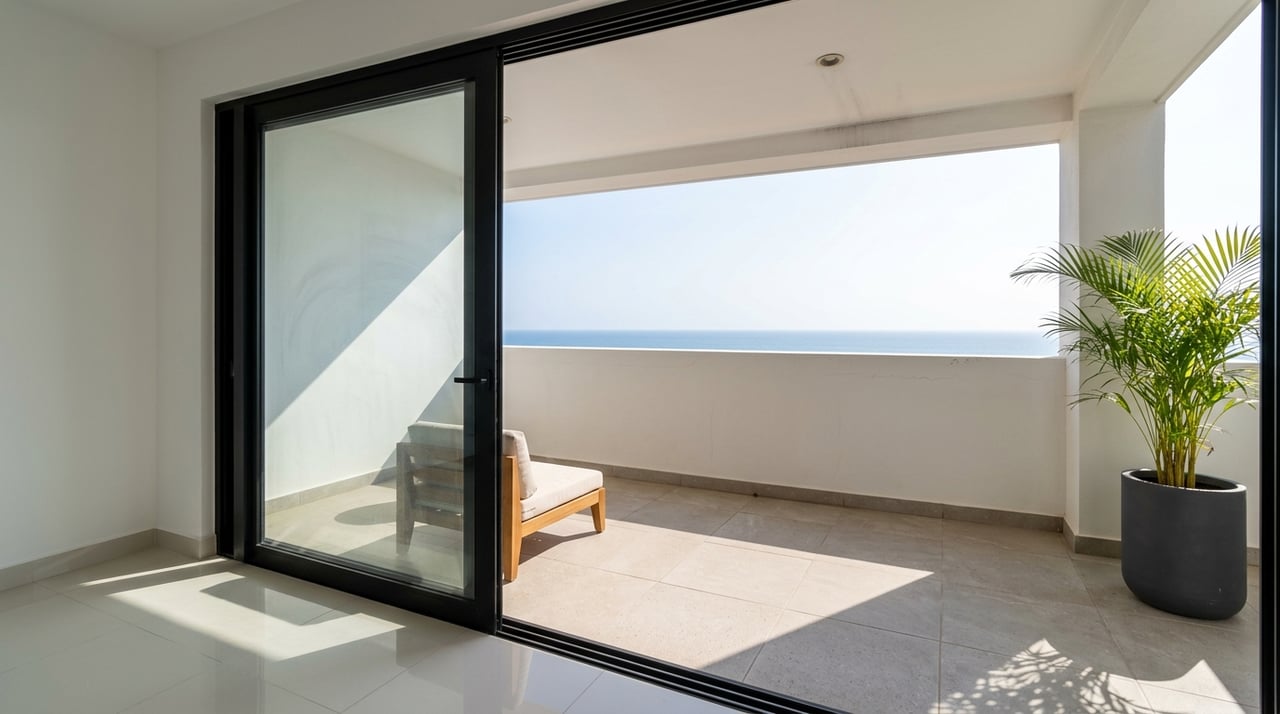
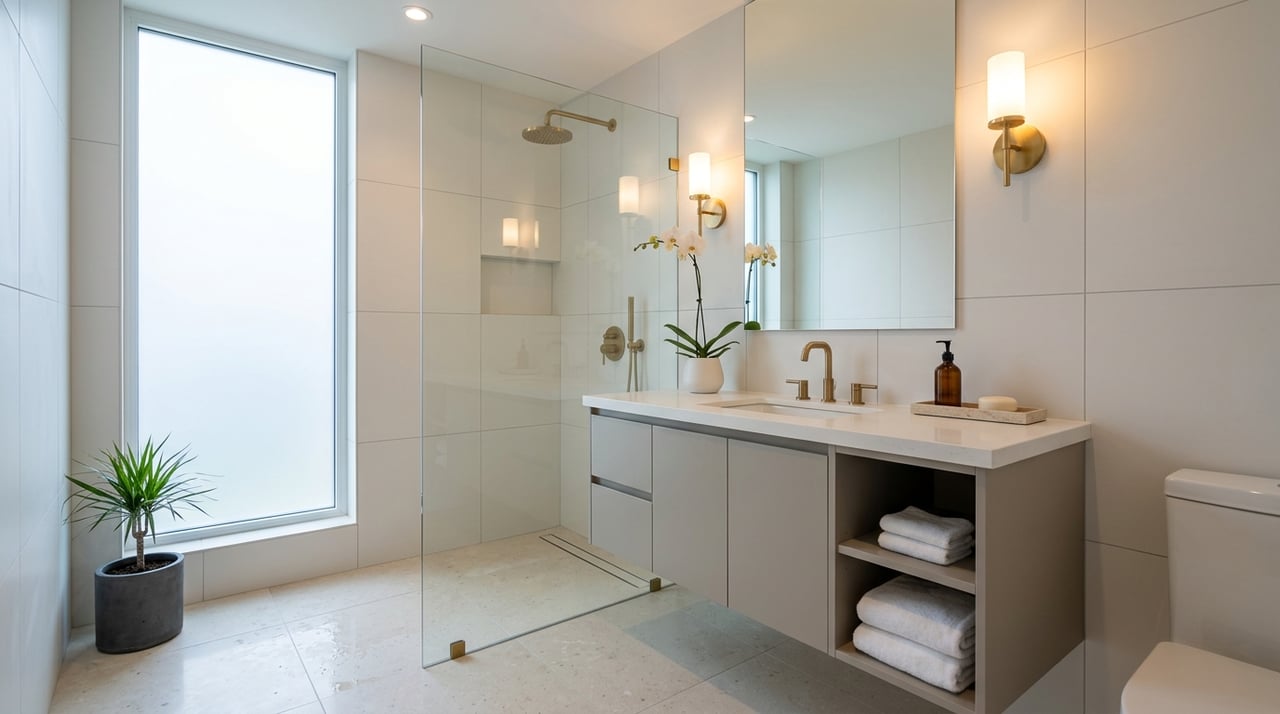
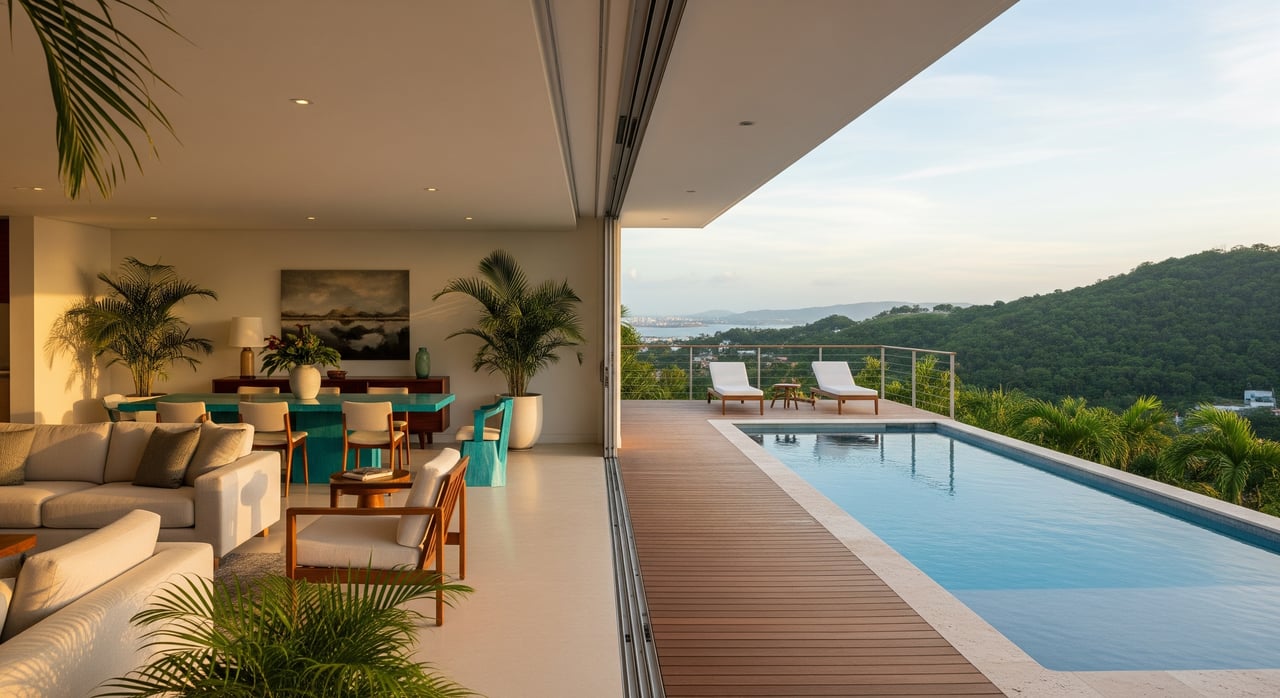
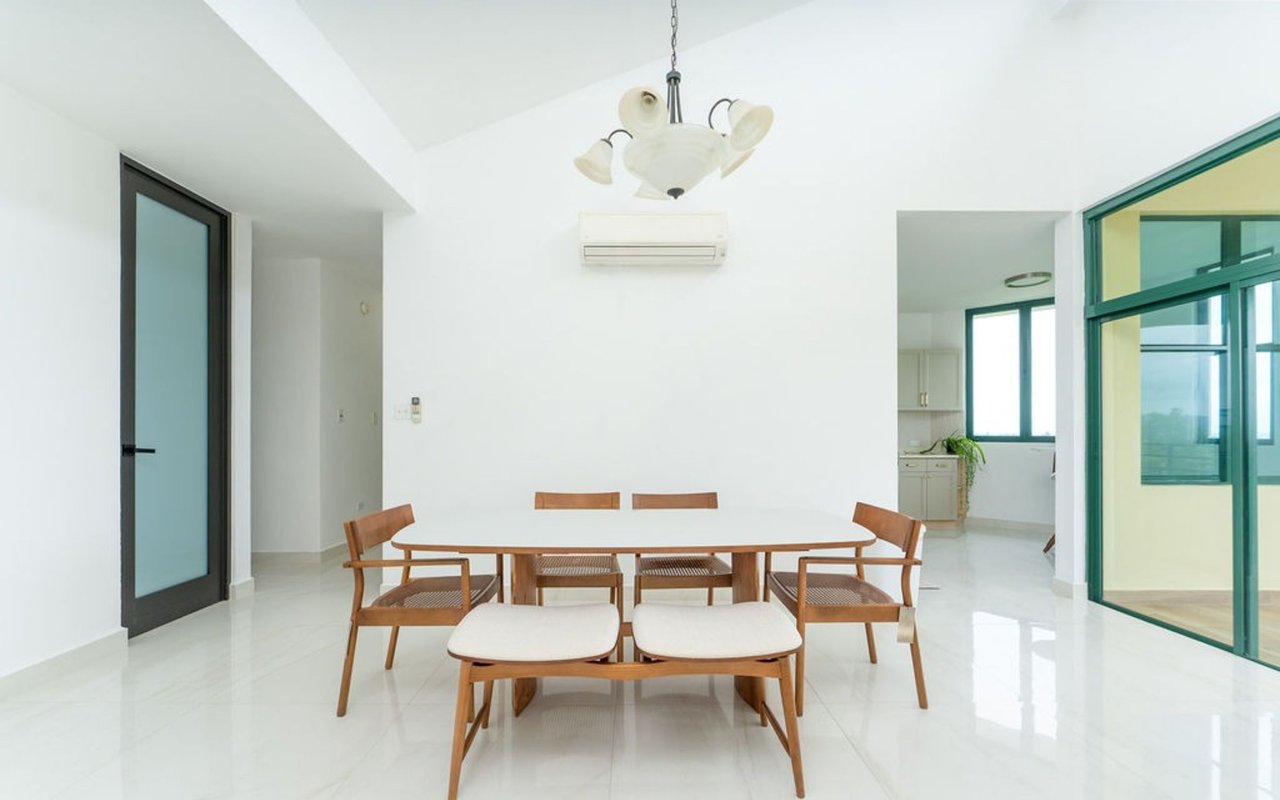
Most buyers will first “tour” your home online. Clean, bright, and neutral spaces photograph best and feel larger.
- Deep clean and declutter each room.
- Touch up paint in neutral tones where needed.
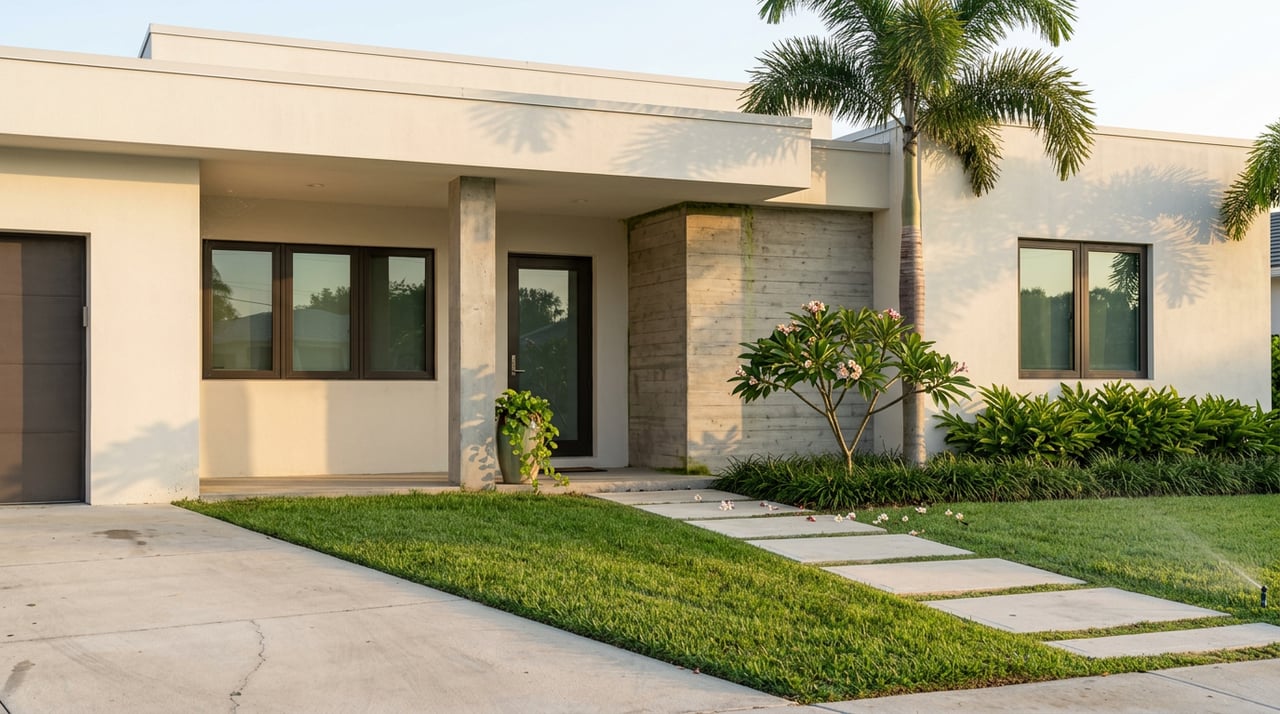
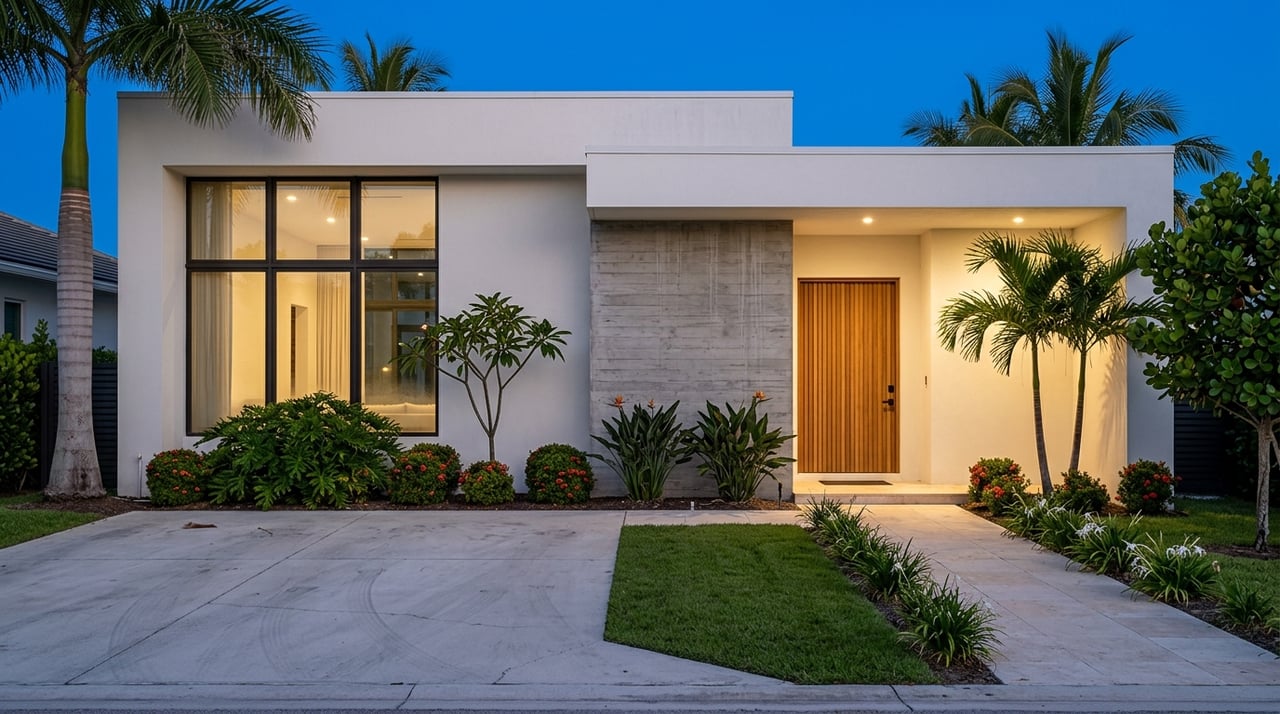
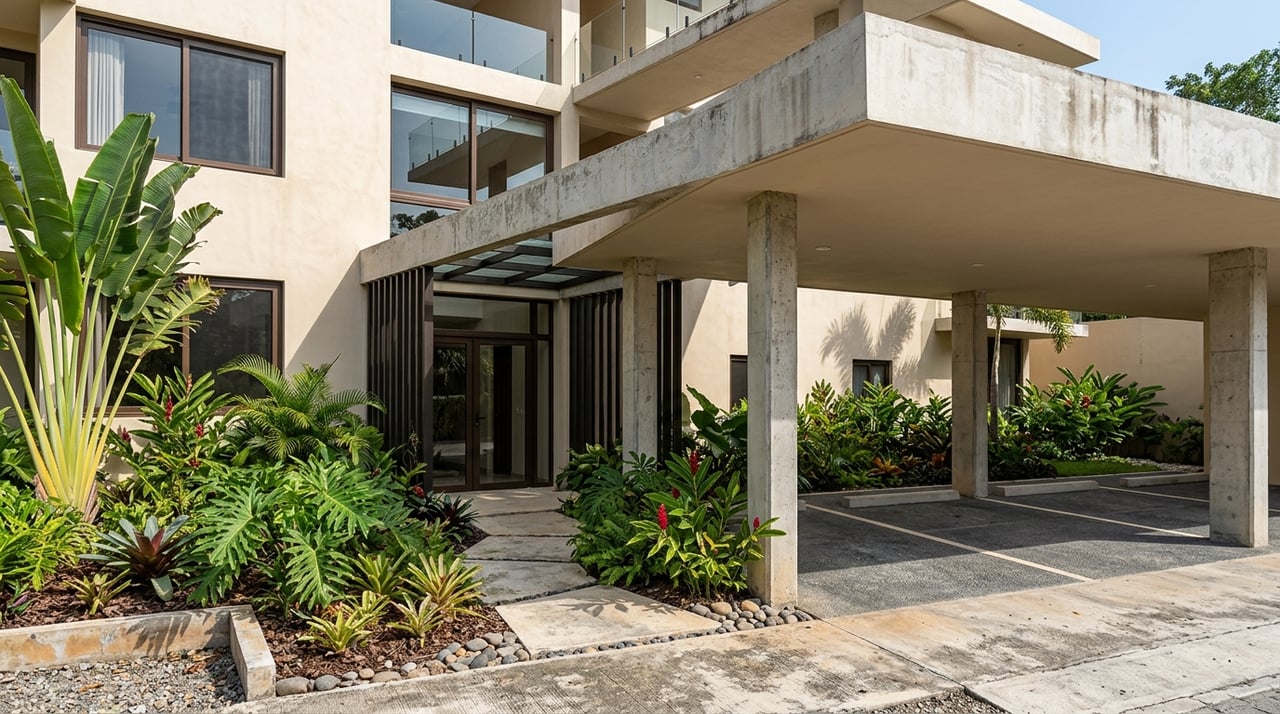
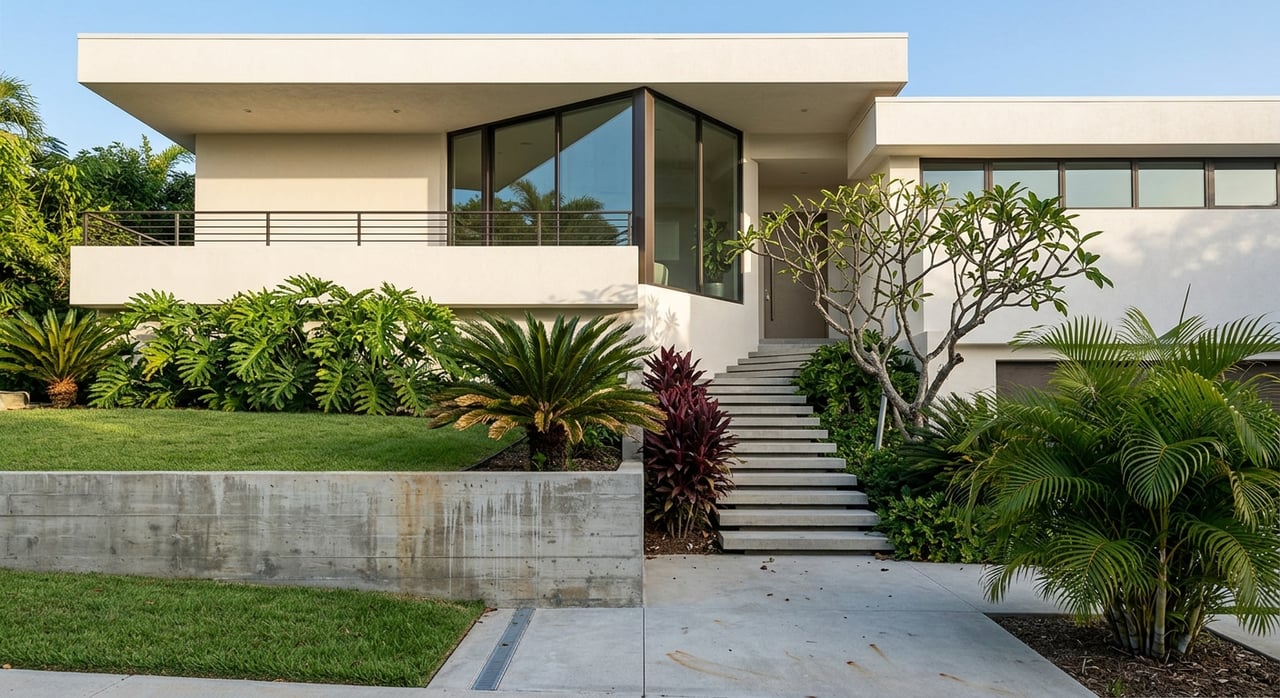
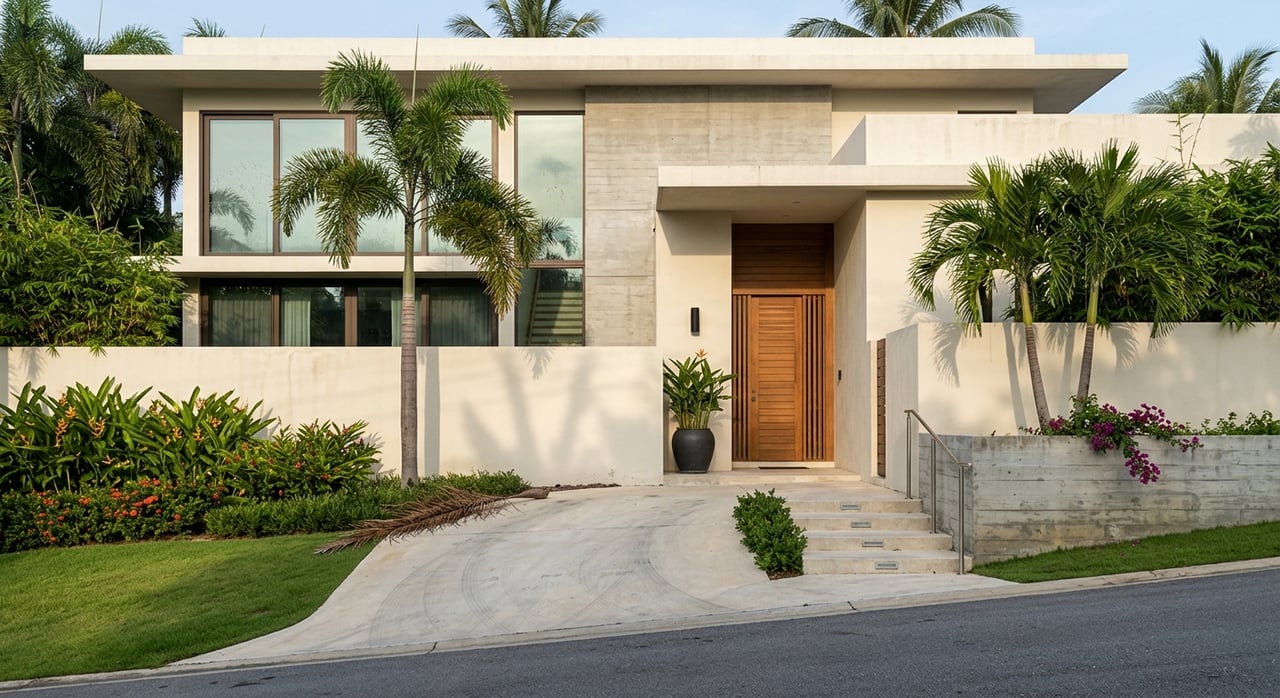
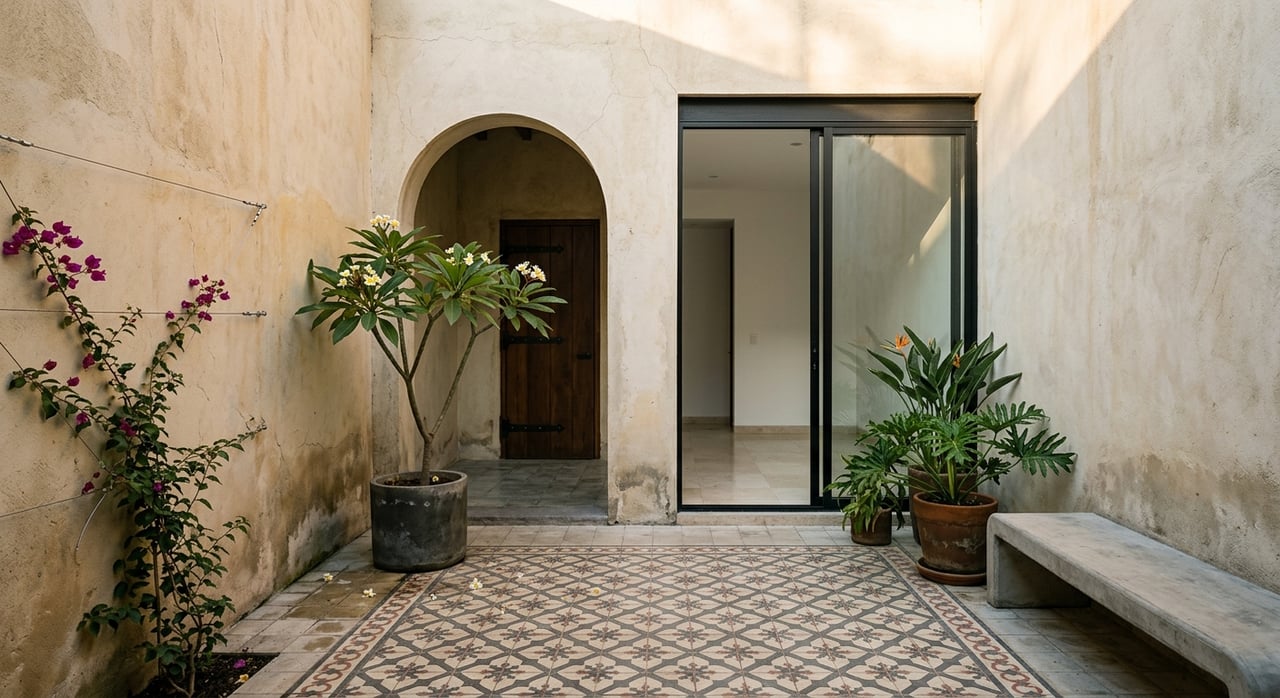
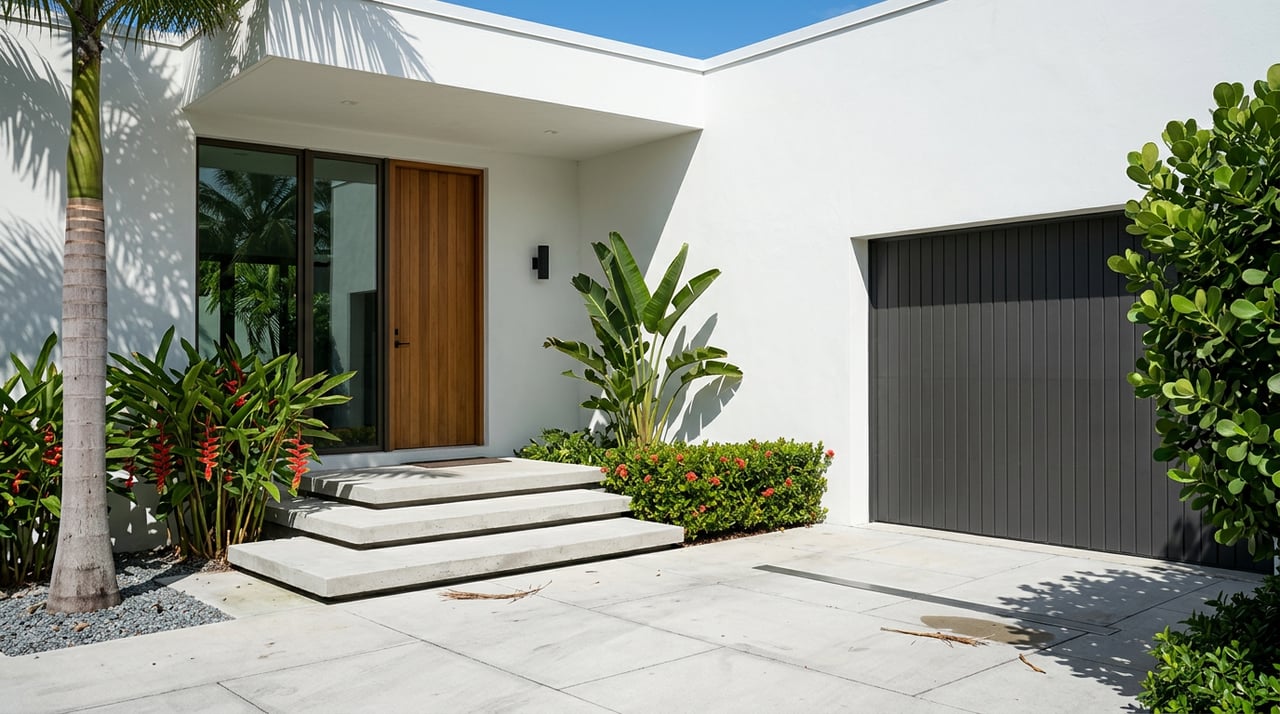
- Improve curb appeal with simple landscaping and a tidy entry.
- Remove personal items so buyers can picture themselves in the home.
Industry trends highlight the benefits of polished presentation and professional media on buyer engagement. See NAR’s take on what influences today’s clients.
Win with professional media
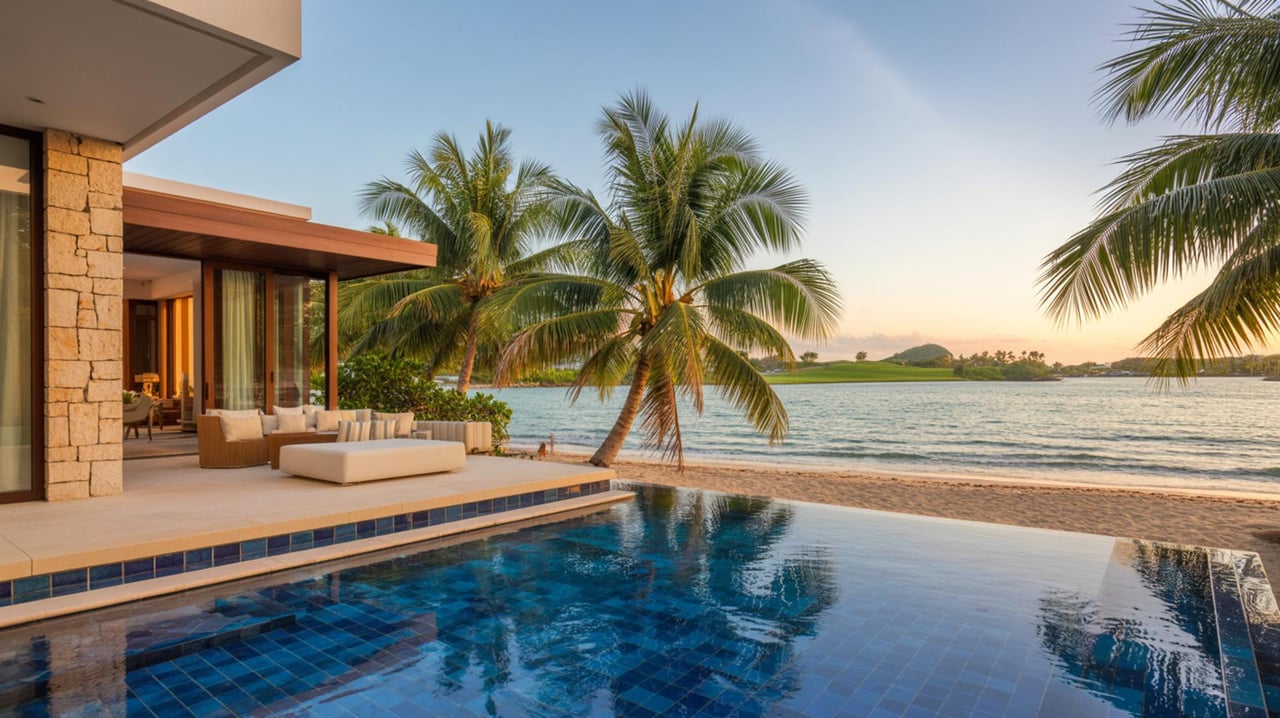
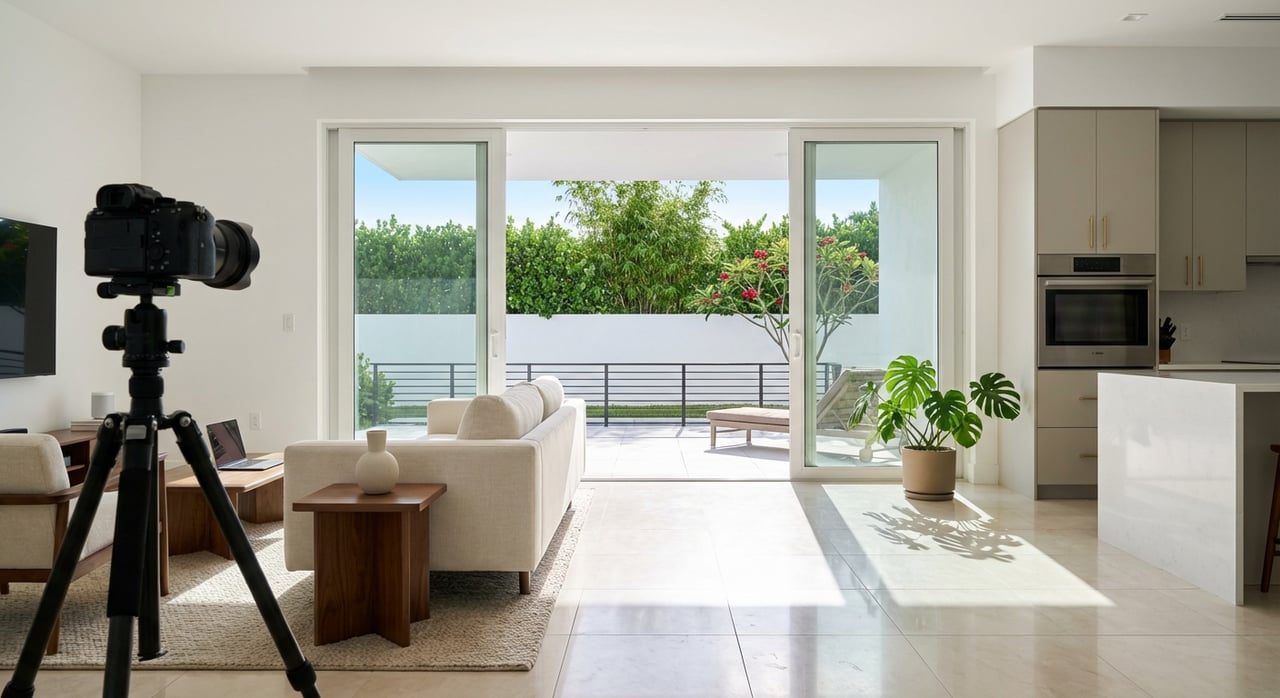
Great visuals create the strongest first impression and can increase online views and in-person showings.
Photography that sells
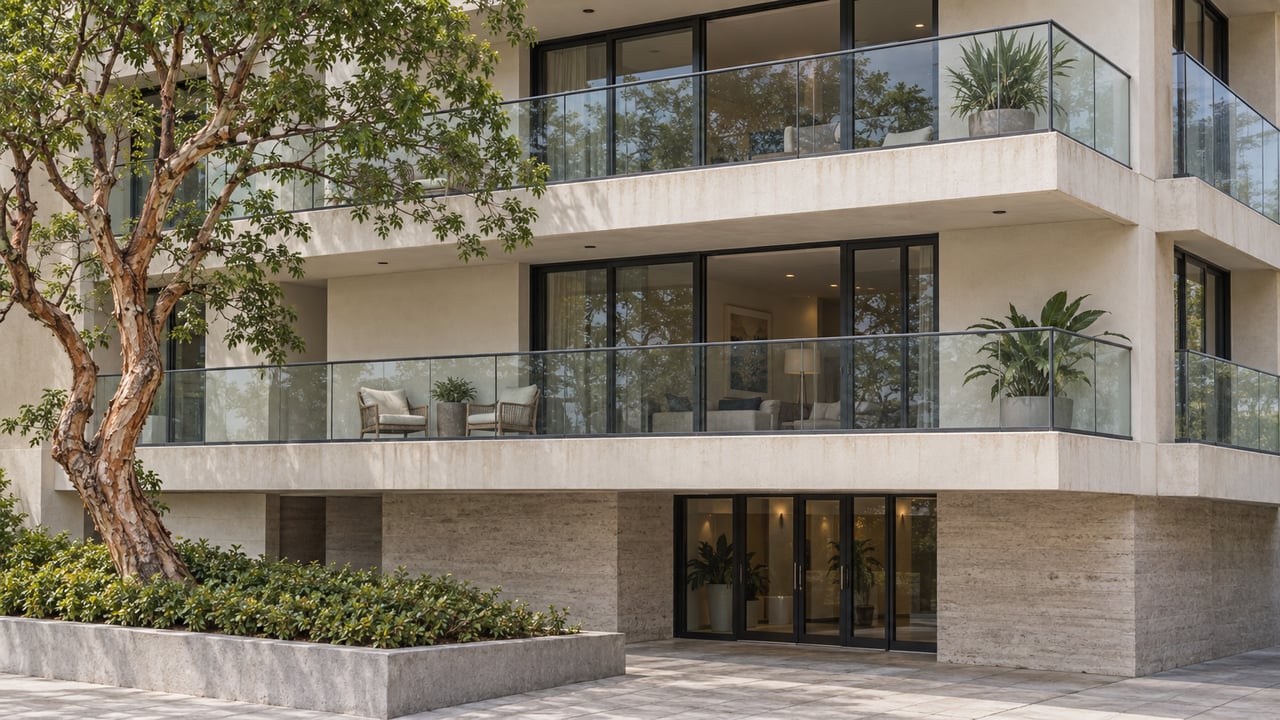
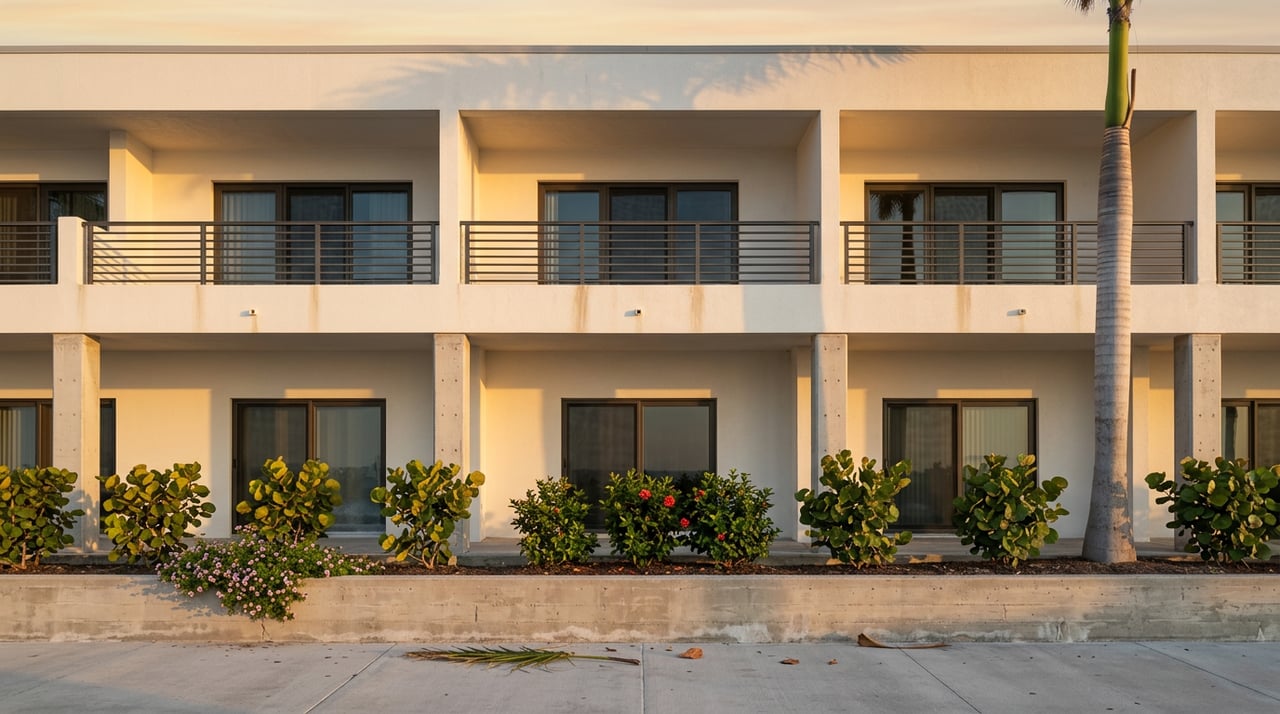
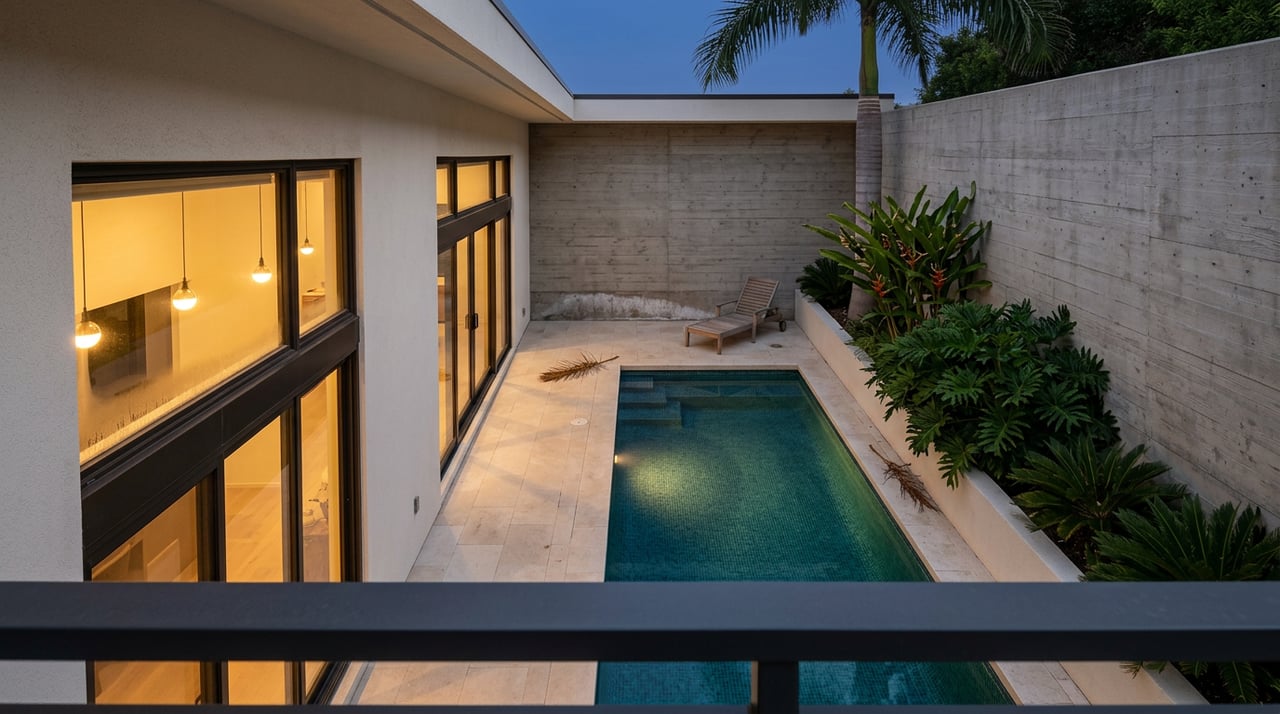
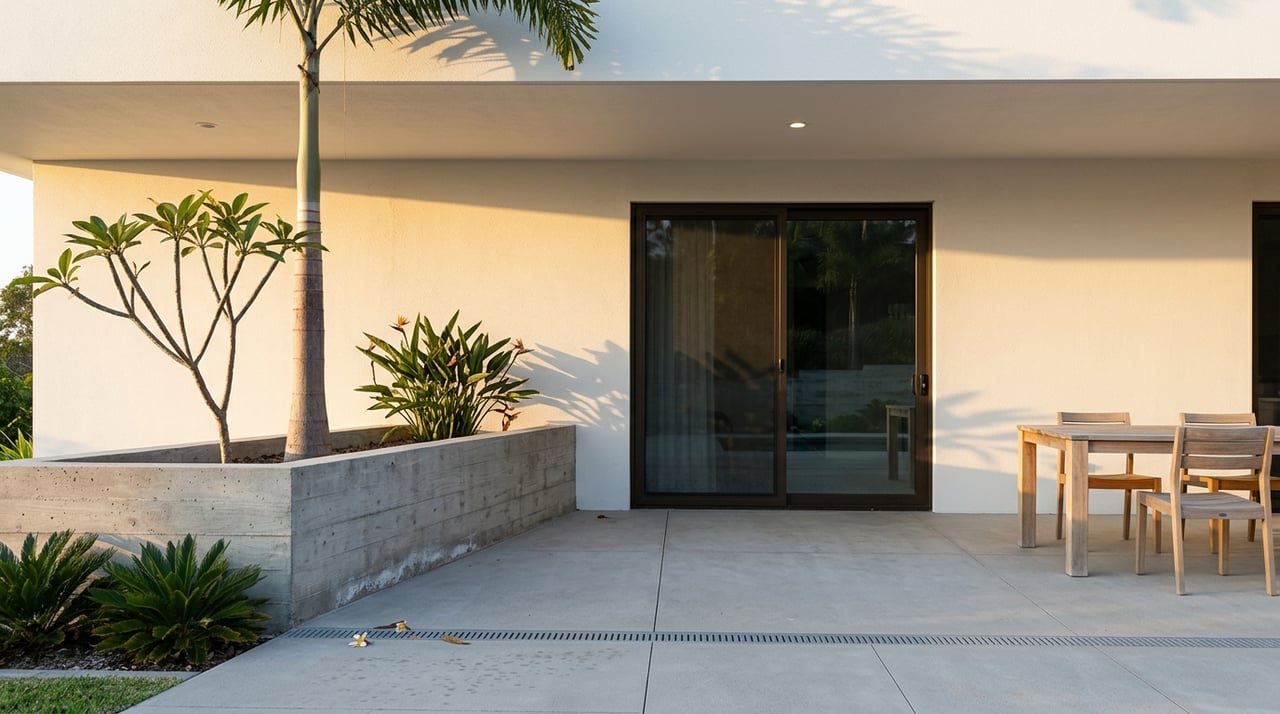
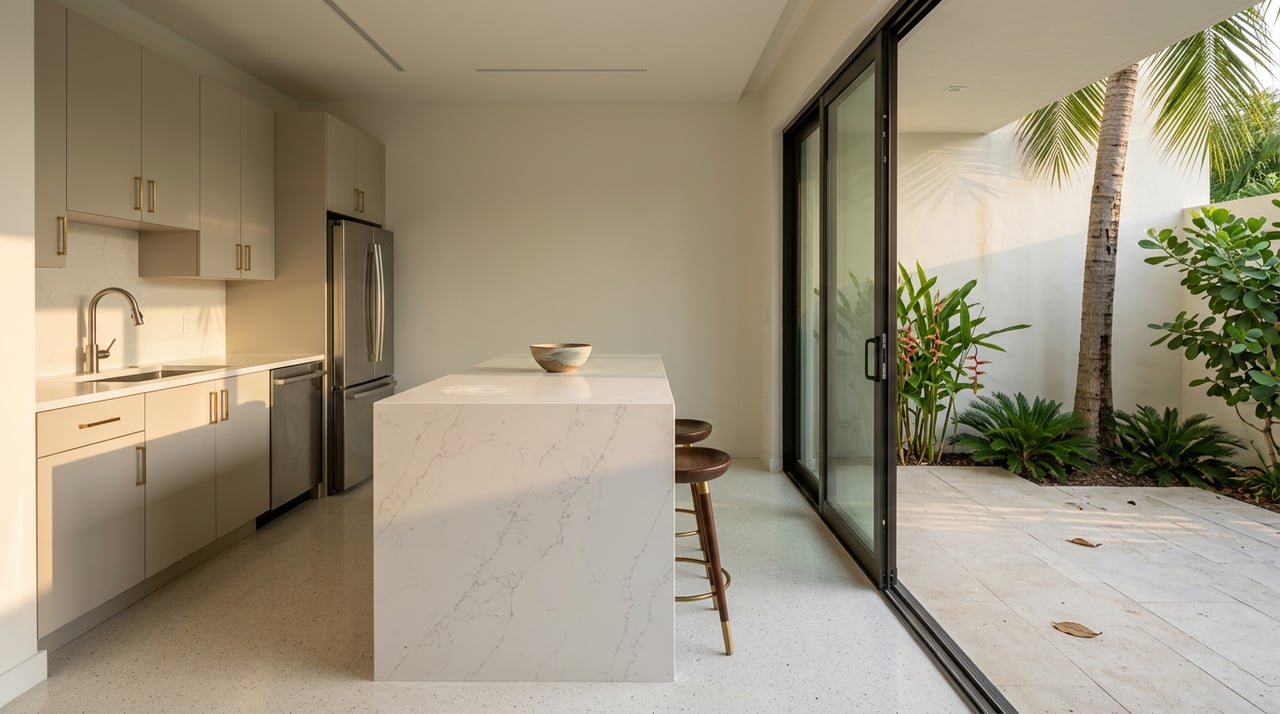
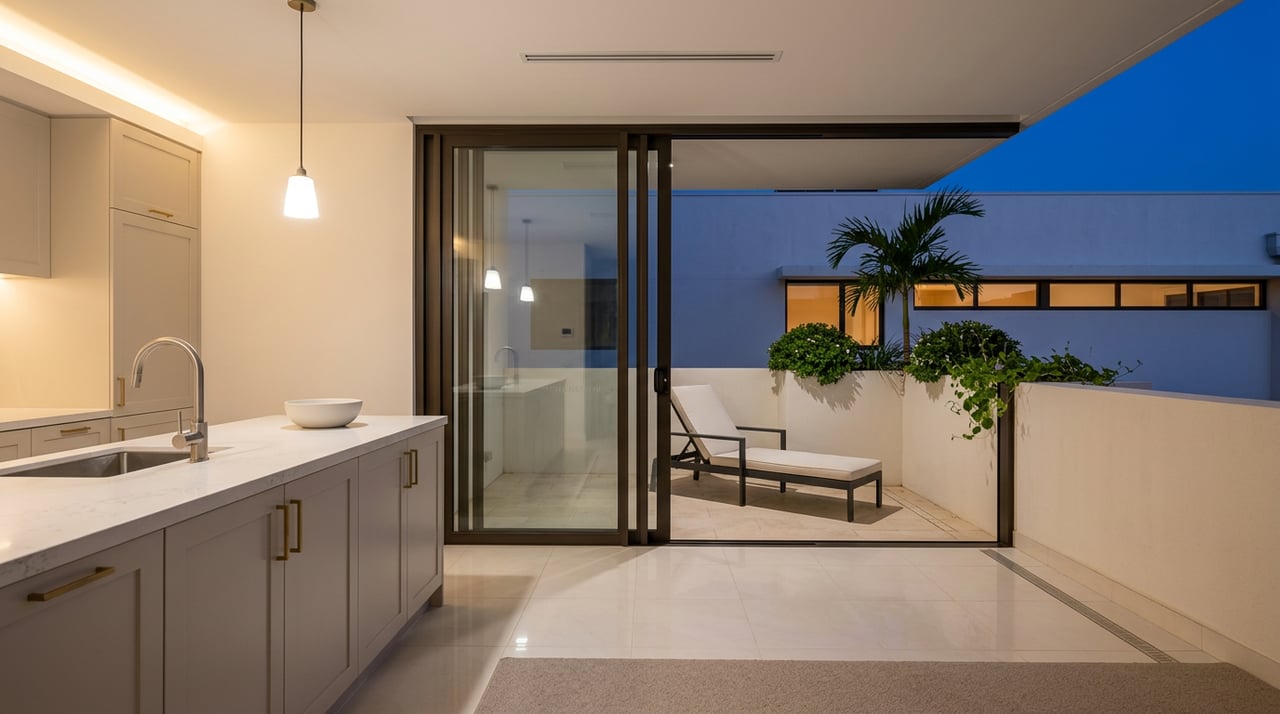
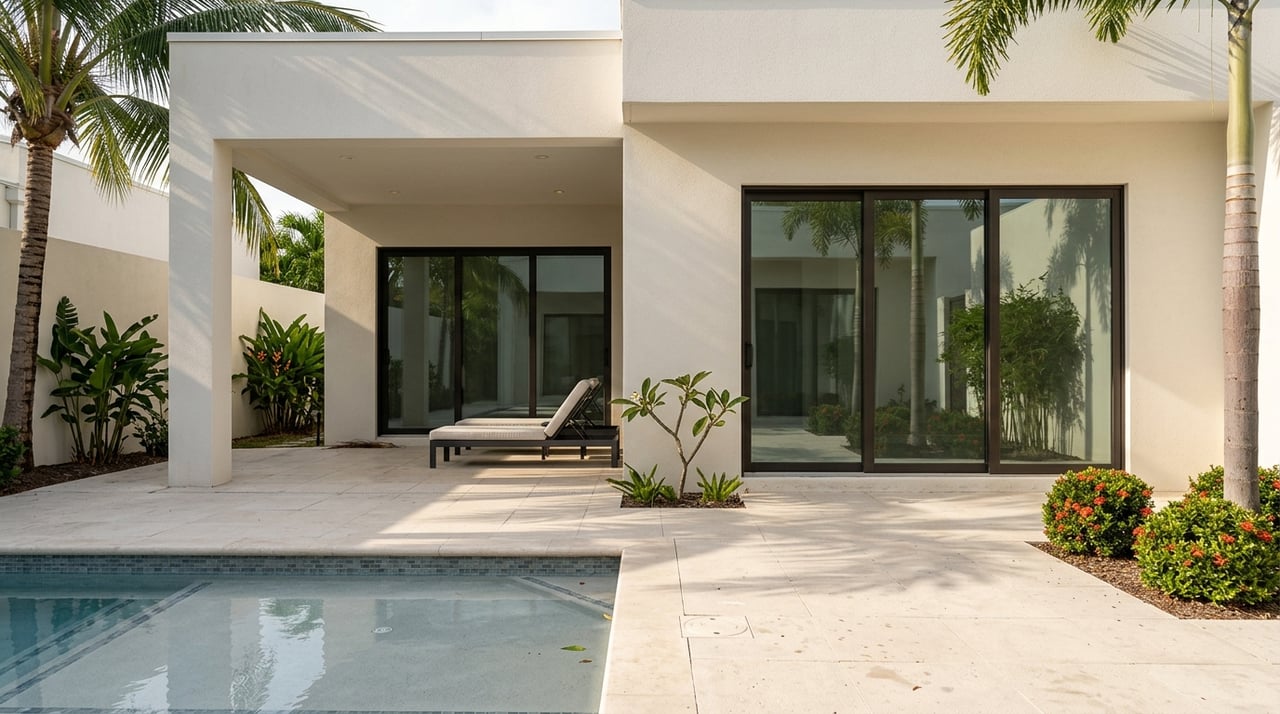
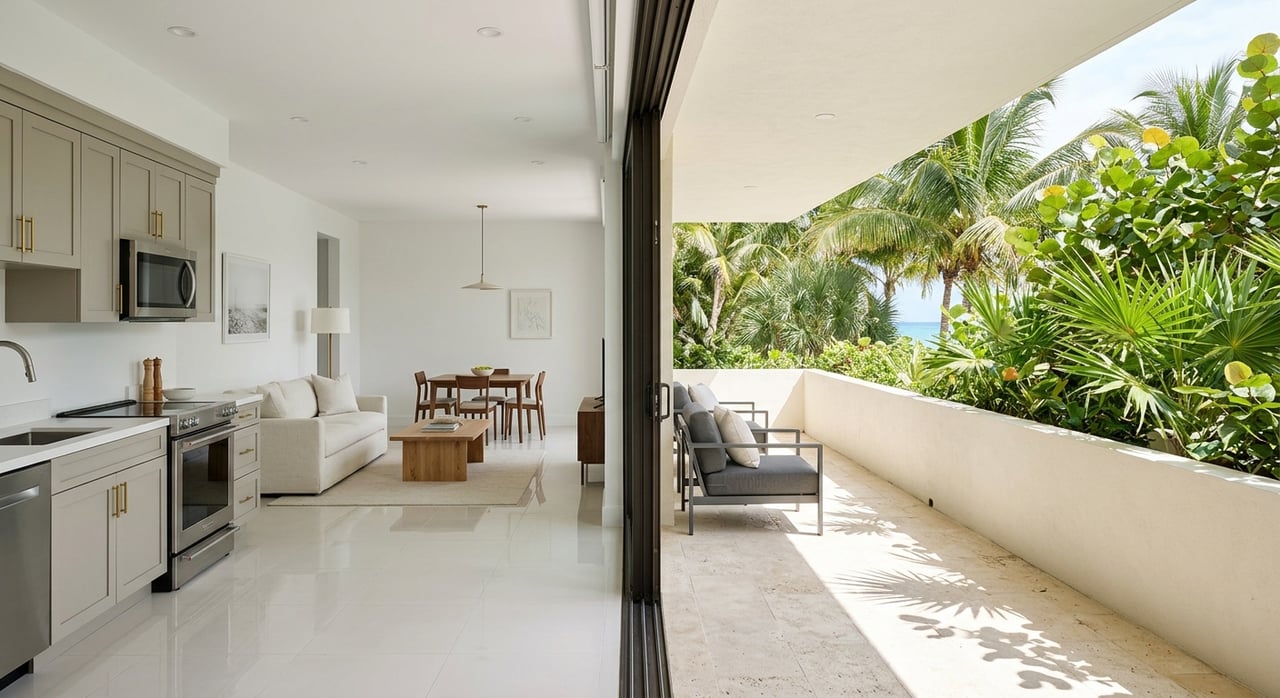
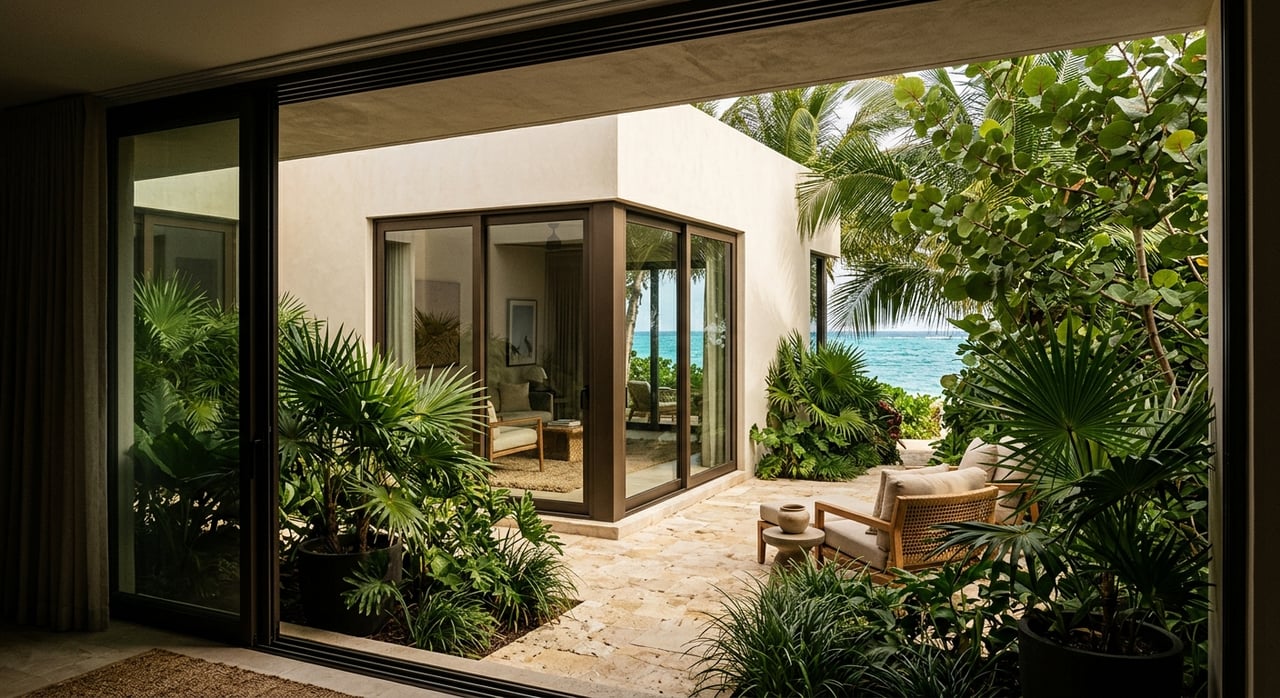
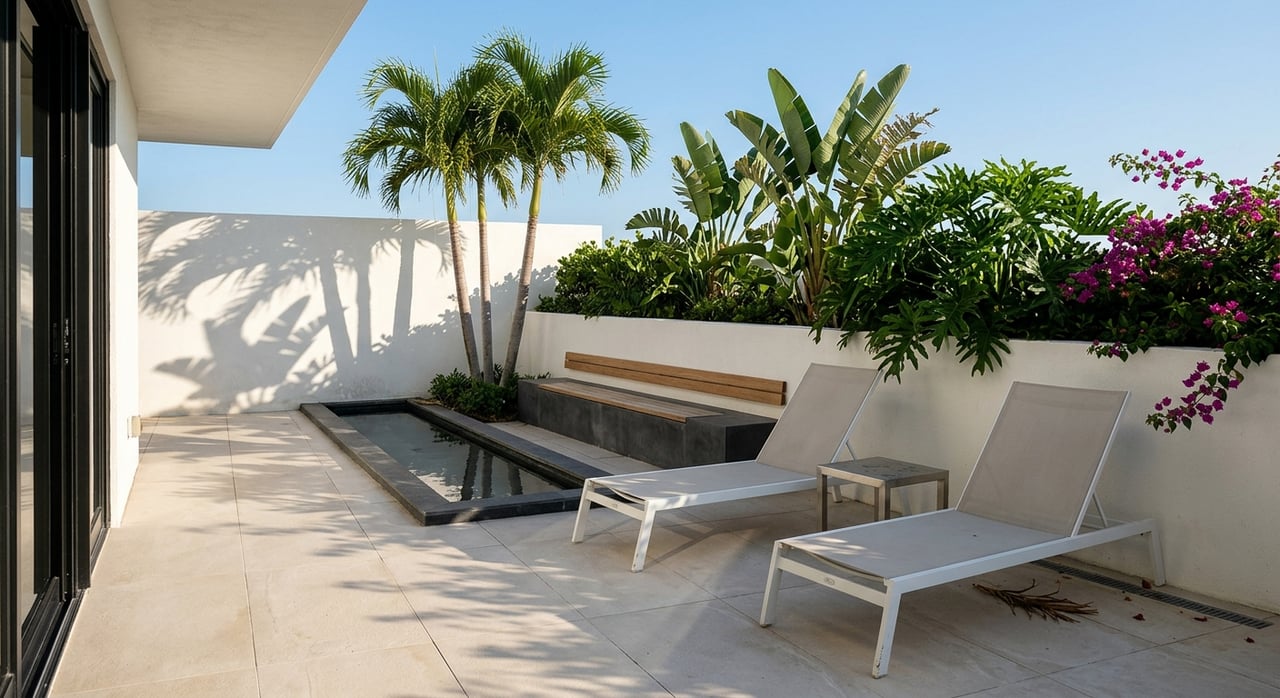
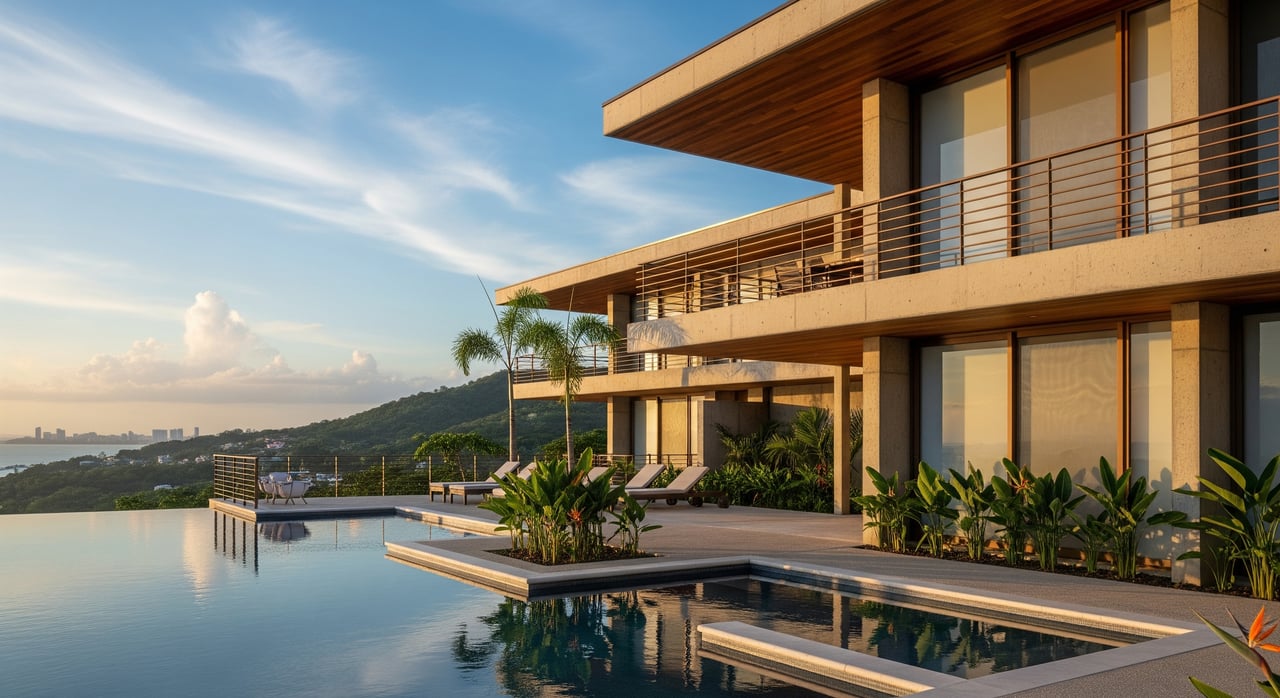
Commission high-quality interior and exterior photos. Aim for 20 to 30 strong images that highlight natural light, open living areas, kitchen and baths, storage, outdoor spaces, and any upgrades. Twilight exteriors can help homes with standout curb appeal.
3D tours and video
For mid to high price properties or homes in gated communities, add a 3D or 360 tour. Remote buyers rely on these to understand layout and flow before booking a flight.
Drone imagery, done right
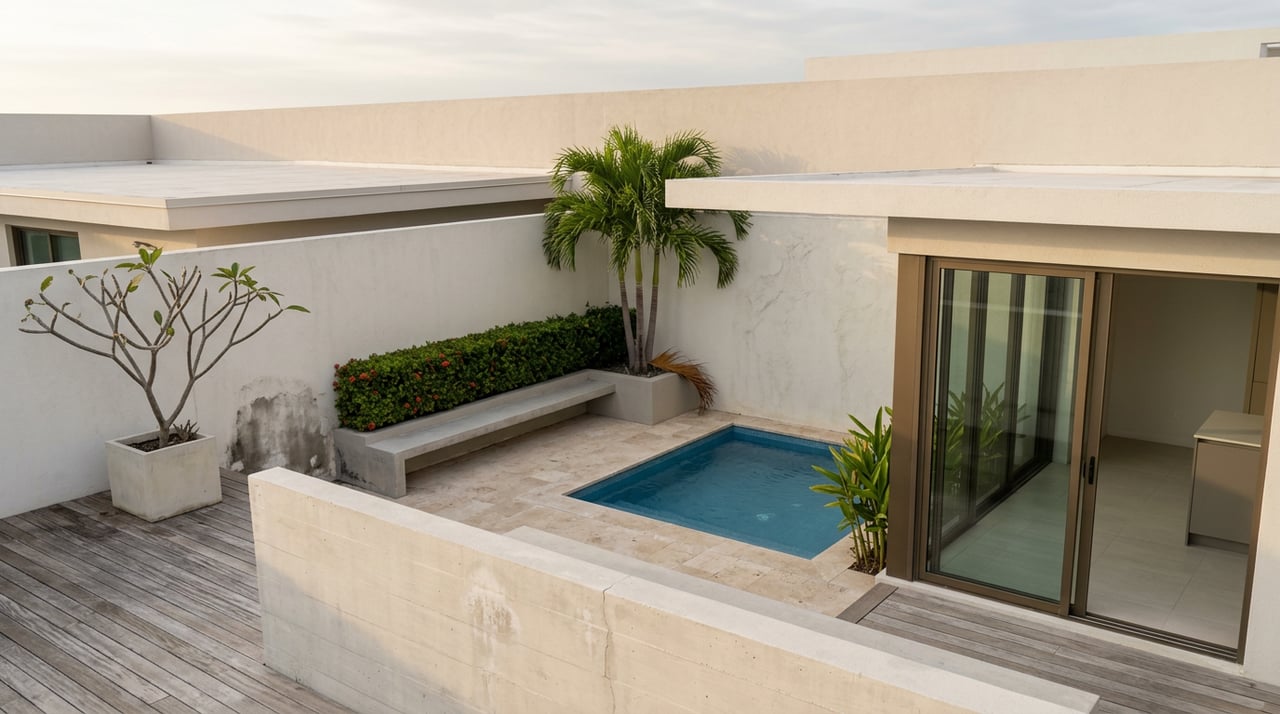
Aerials can show lot size, outdoor living, and proximity to amenities. In Puerto Rico, FAA rules apply. Hire a certified remote pilot for commercial work and confirm any local restrictions. Review Puerto Rico drone rules and FAA guidance.
Fit your MLS media specs
Make sure file sizes, captions, and tour links align with the MLS your agent uses so everything publishes cleanly across syndicated portals. Learn more about Puerto Rico MLS networks and broker distribution. About Puerto Rico REALTORS MLS and syndication.
Price it right from day one
Lean on a neighborhood-specific CMA that adjusts for bedroom/bath count, lot size, condition, pool, and unique features like views or gated access. Your launch week matters. If you expect multiple buyers, a slightly aggressive list price can drive competition. If your goal is broad reach, price to market and invest in media and distribution to capture relocating and local buyers.
Automated valuations are useful for orientation but can be off in unique submarkets. Treat them as a starting point, not a list price. Zillow publicly discloses that AVMs have error rates and are not appraisals. See AVM accuracy disclosures in Zillow’s SEC filing.
Maximize exposure with the right channels
Start with the MLS
List through a Puerto Rico MLS provider so your property reaches cooperating brokers and syndicates to major portals used by Guaynabo buyers. Confirm with your agent which MLS they use and how quickly it feeds to partner sites. Learn how Puerto Rico MLS networks distribute listings.
Optimize your portal presence
Your photos, 3D tour, and clear description should upload through the MLS so they appear on major portals consistently. Keep copy factual, benefits-focused, and easy to scan. Update quickly if there are changes to price or availability.
Add local and paid reach
Layer in local classifieds like ClasificadosOnline, targeted Facebook and Instagram ads aimed at relocation audiences, and short-run Google display campaigns for extra visibility during your first 2 weeks on market. Your agent should manage budgets, targeting, and lead capture so inquiries turn into showings.
A 6-week plan to launch strong
- 6+ weeks out: Meet your listing agent, gather deed and mortgage information, request your CRIM certificate, and schedule a pre-listing inspection. Review PR closing and document basics.
- 4 to 5 weeks: Complete agreed repairs, address roof or moisture items, handle termite treatment if needed, deep clean, and start staging.
- 2 to 3 weeks: Shoot professional photos, video, 3D, and drone as appropriate. Draft listing copy that highlights upgrades, energy or storm features, and any recent insurance information. Confirm MLS fields and media links with your agent.
- Launch week: Verify your photos, price, and tour links display correctly on all portals. Plan a showing blitz or broker preview and respond quickly to inquiries.
Understand closing mechanics in Puerto Rico
In Puerto Rico, the notary is an attorney who prepares and certifies the public deed. Notary fees, documentary stamps, and registration fees are part of closing and can be negotiated. Sellers commonly pay for their mortgage cancellation and related documents, while buyers often pay the inscription fees for their copy of the deed. Read a practical breakdown of notary roles and typical costs.
Be prepared to provide CRIM statements and clear any municipal assessments before closing, or disclose and negotiate them. See municipal tax collection framework and notifications. Timelines vary by financing, title, and notary scheduling. Cash deals can close faster if documents are ready, while financed purchases often take 30 to 60 days or more depending on lender steps.
Common pitfalls to avoid
- Overpricing based on an online estimate. AVMs are not appraisals and can be off in unique submarkets. Review SEC AVM disclosures.
- Skipping flood and hazard checks. Confirm FEMA flood status and be transparent about history. Use Guaynabo’s planning resources.
- Launching with weak media. Professional visuals, clear copy, and a 3D tour can elevate your listing and widen your buyer pool.
Ready to sell in Guaynabo?
You deserve a listing plan that blends boutique service with modern marketing and island-wide reach. If you want a clear strategy, premium media, and experienced negotiation tailored to Guaynabo’s micro-markets, let’s talk. Connect with Mi Corredor to get your home market-ready and launched the right way.
FAQs
What documents do I need to sell a home in Guaynabo?
- Have your deed/title, mortgage info, CRIM certificate, Property Registry records, and any HOA/condo resale documents ready before listing.
How long does it take to close a home sale in Puerto Rico?
- Cash deals can close quickly if documents are ready, while financed transactions often take 30 to 60 days or more depending on lender, title, and notary scheduling.
Do I need flood information to sell my Guaynabo home?
- If your property is in a FEMA Special Flood Hazard Area, buyers’ lenders will require flood insurance; check municipal planning resources and disclose known history.
Are drones allowed for real estate photos in Puerto Rico?
- Yes, but commercial work requires an FAA-certified remote pilot and compliance with airspace rules; hire a licensed pro. Review Puerto Rico drone rules.
How should I price my home in Torrimar, Villa Caparra, or Esmeralda?
- Use a neighborhood-specific CMA with 3 to 6 recent comps, adjusting for condition and features; micro-markets in Guaynabo vary, so avoid citywide averages.