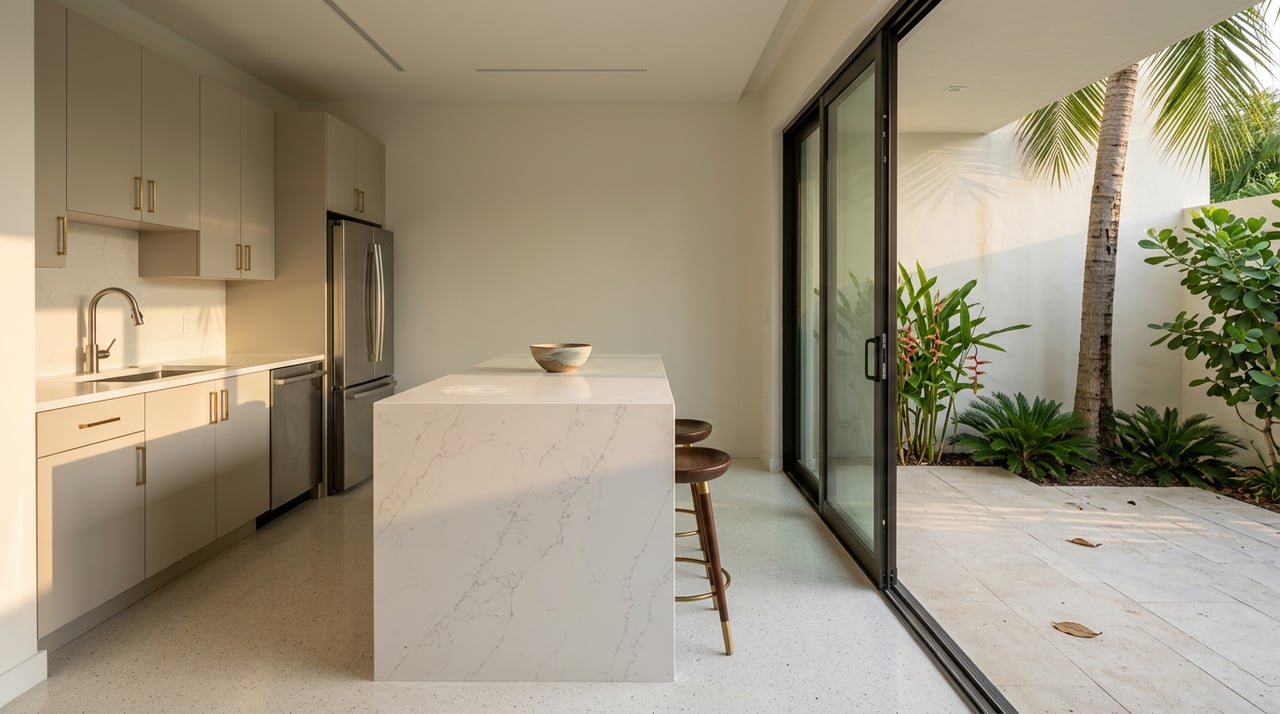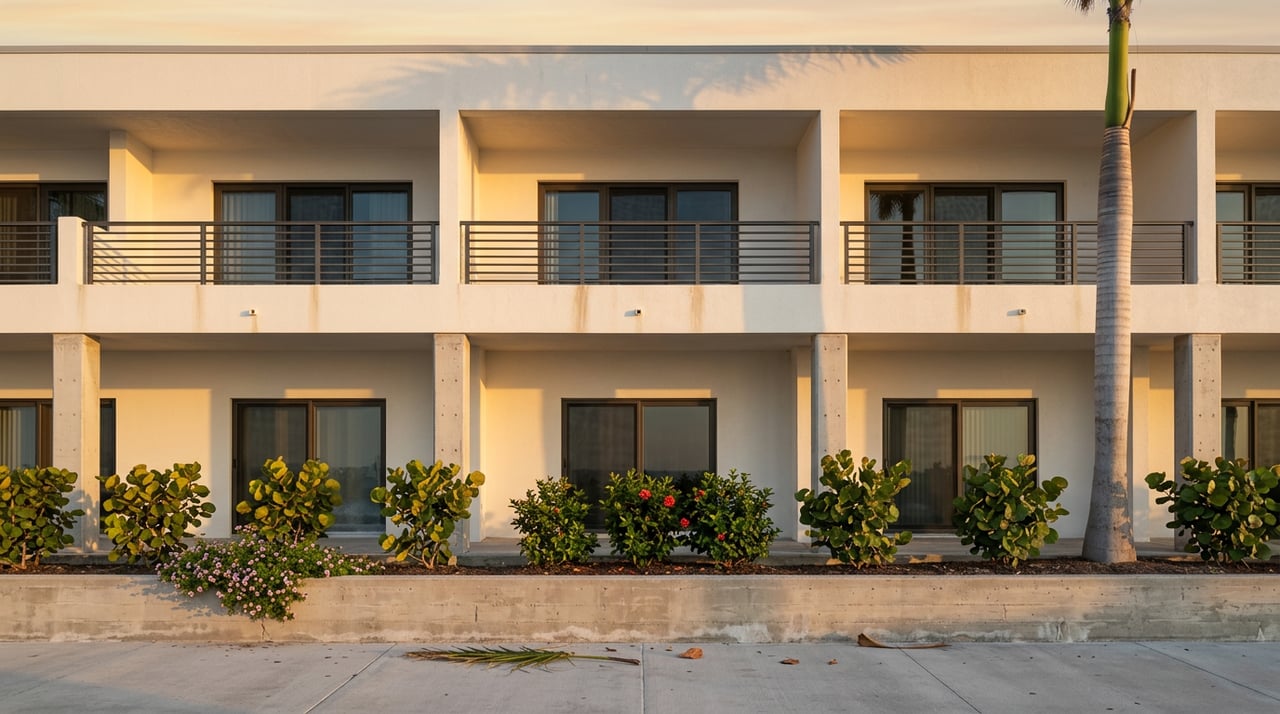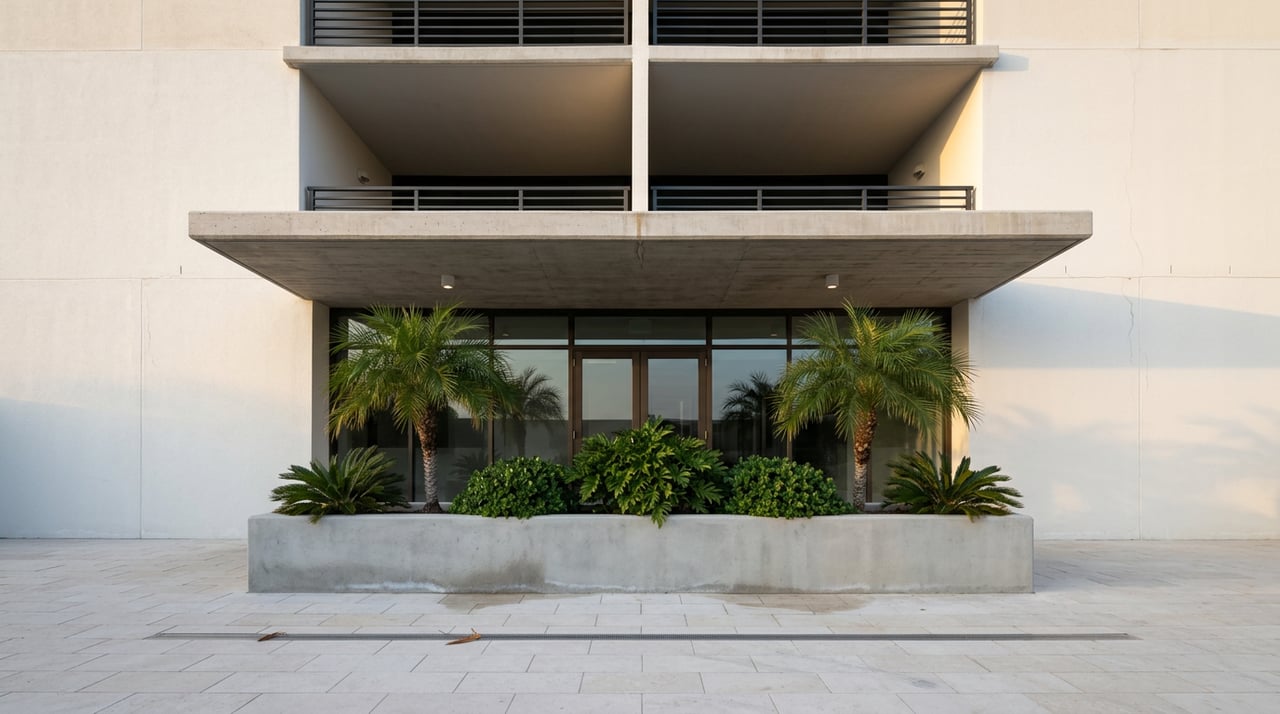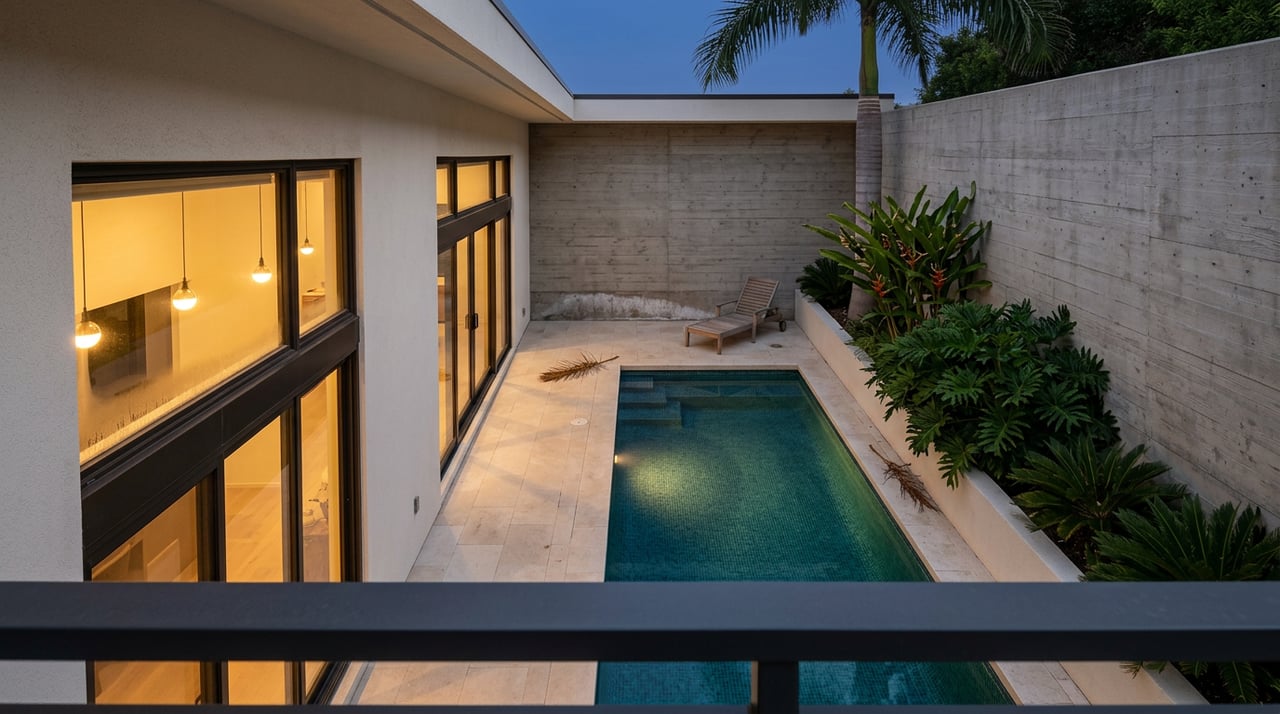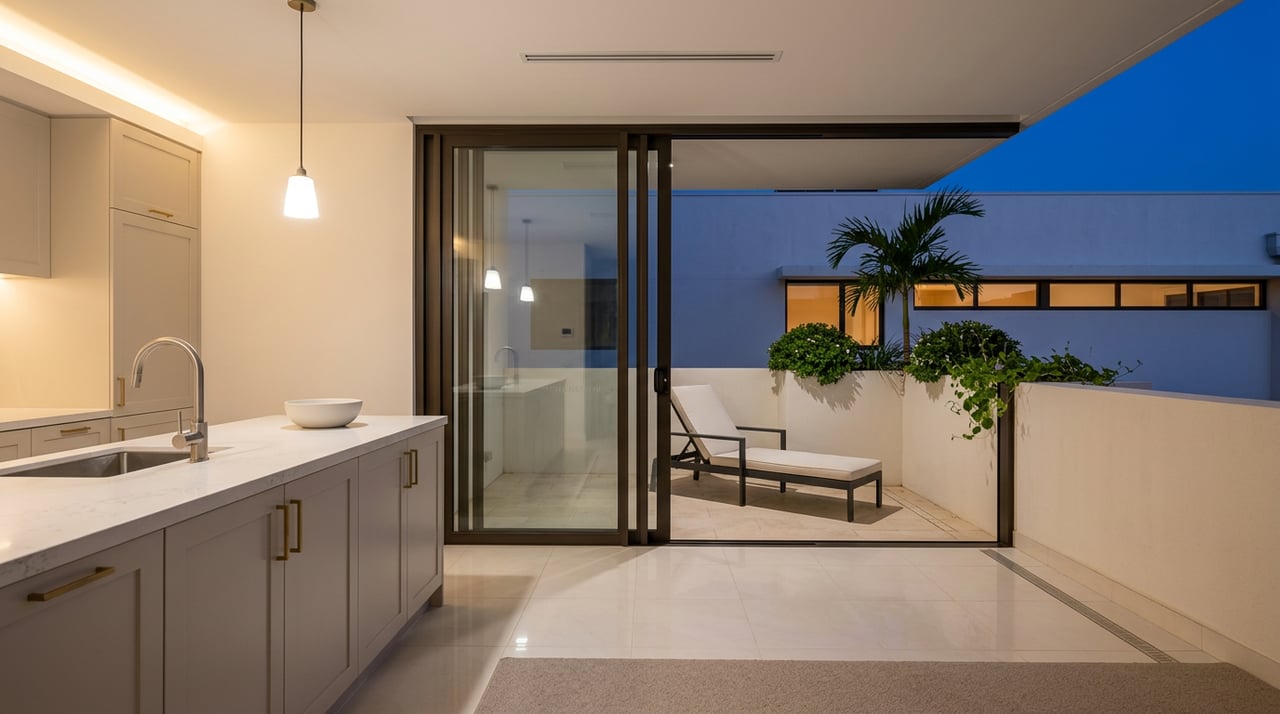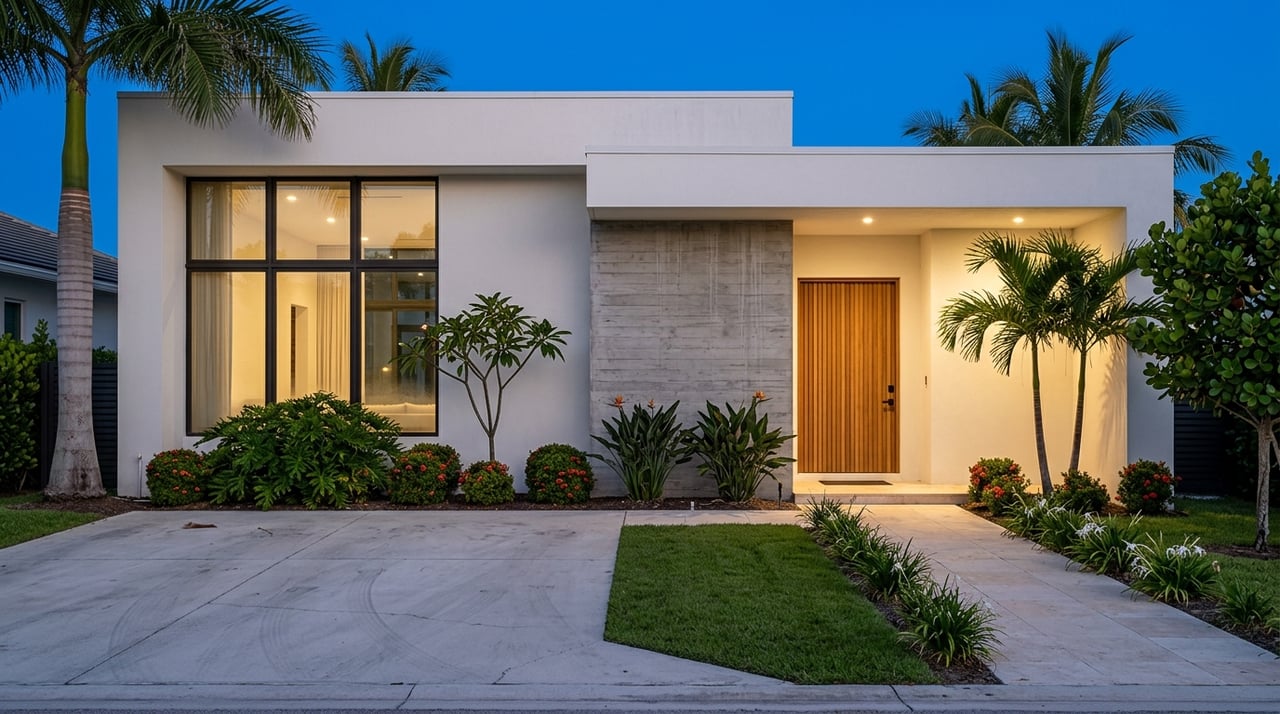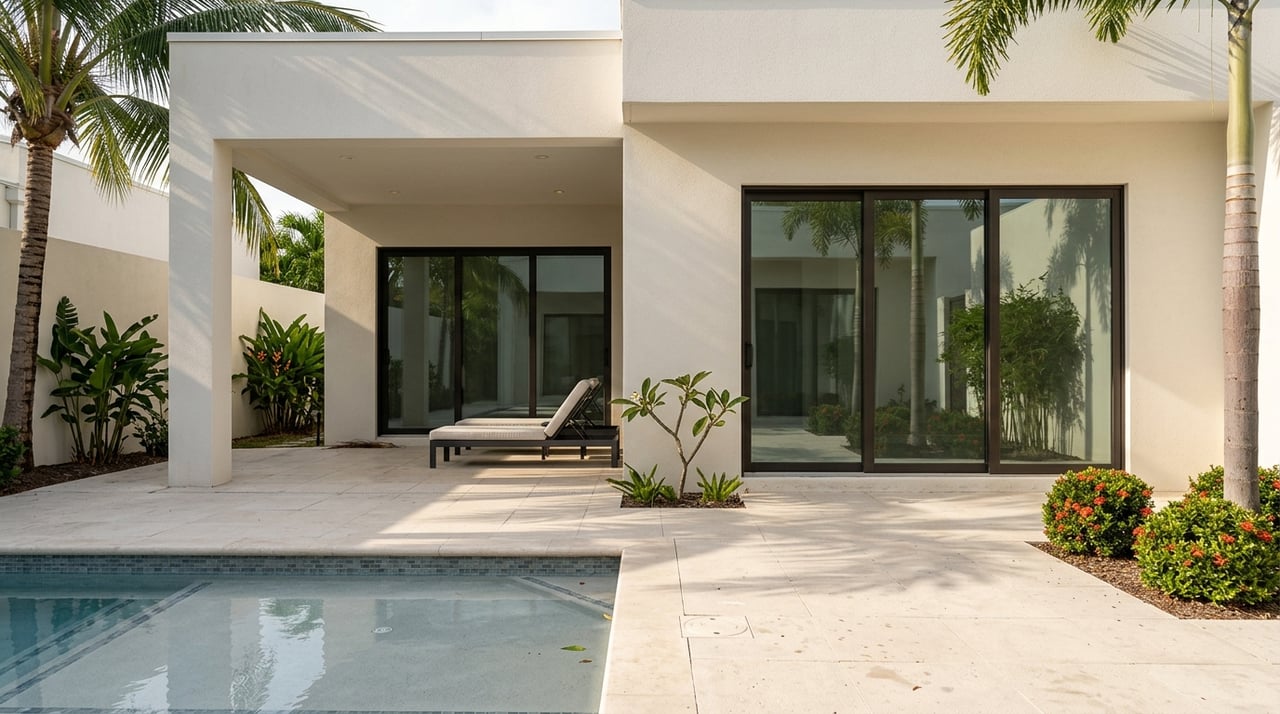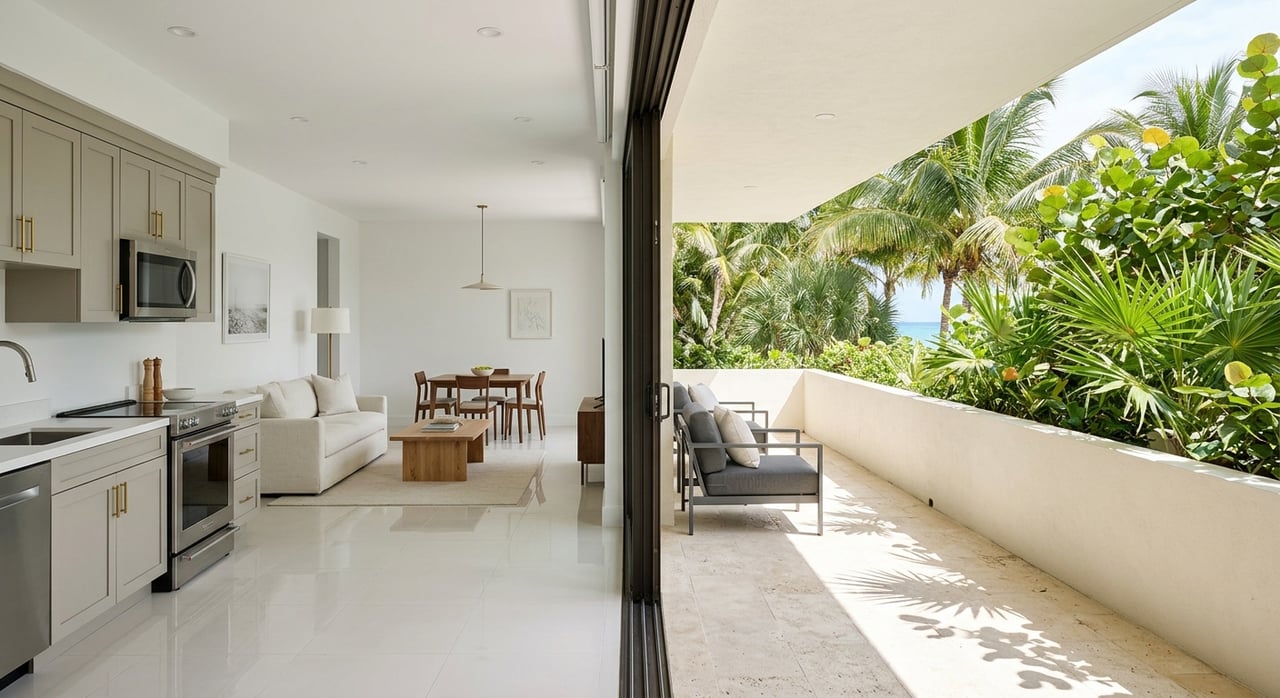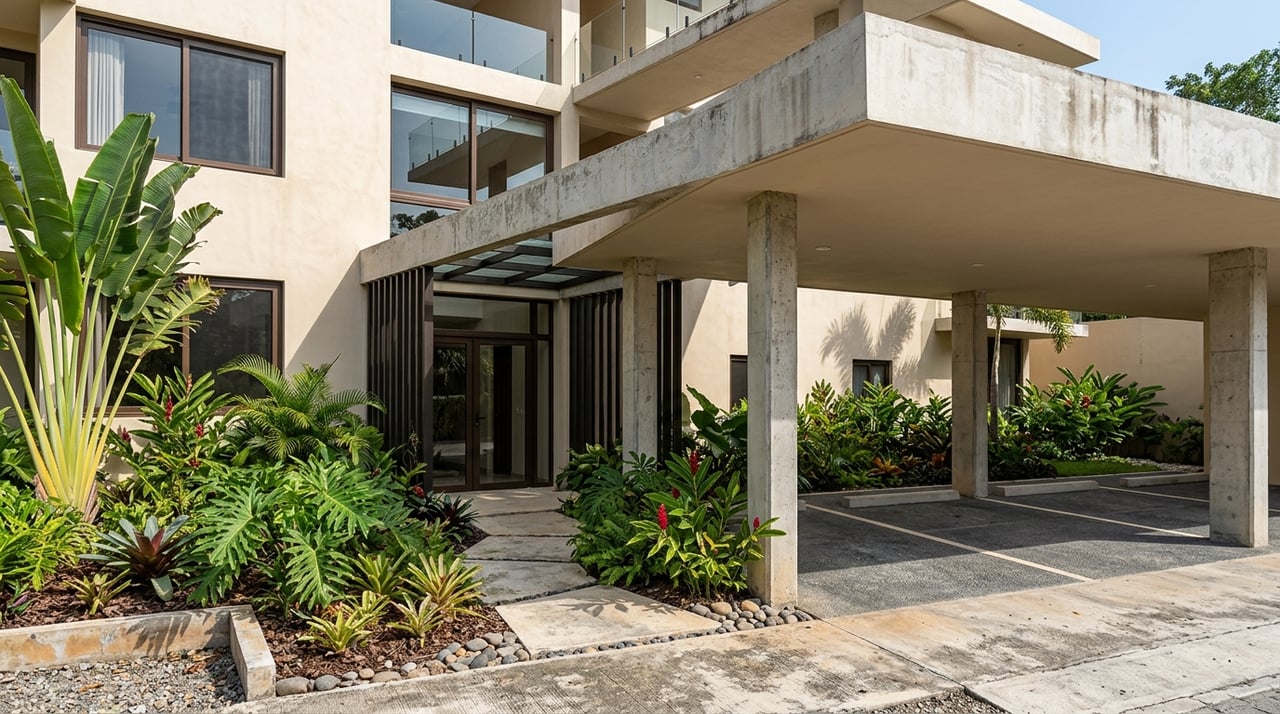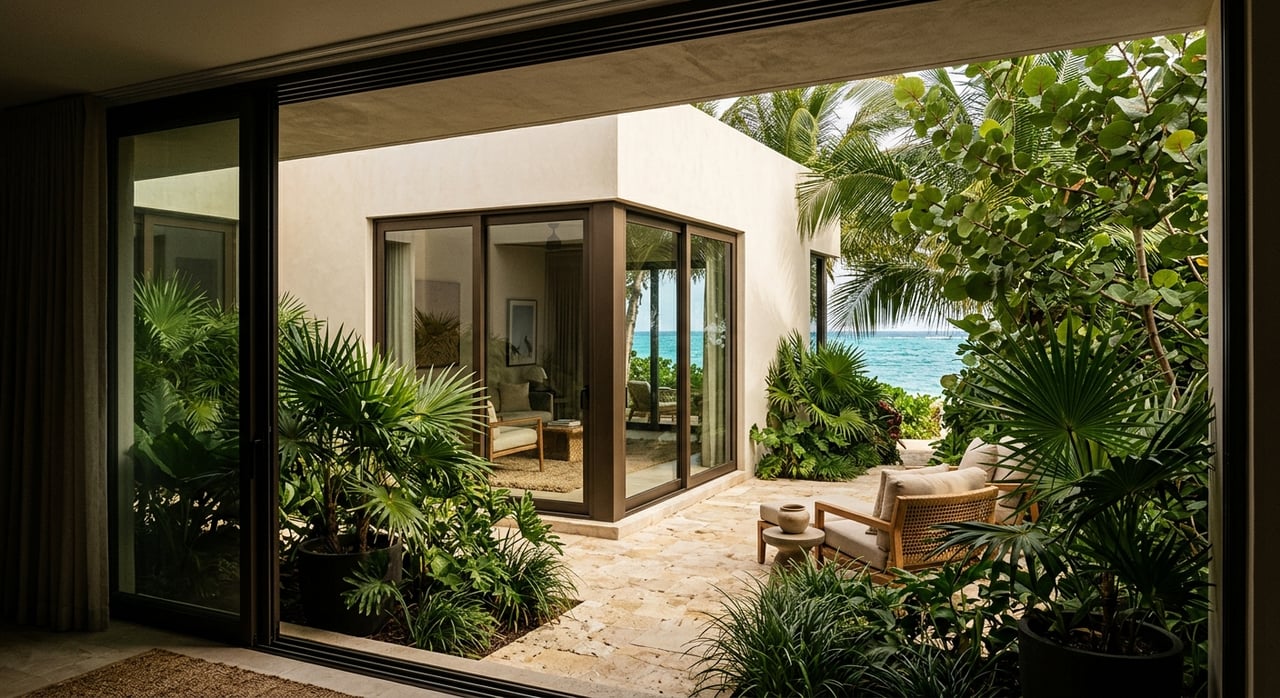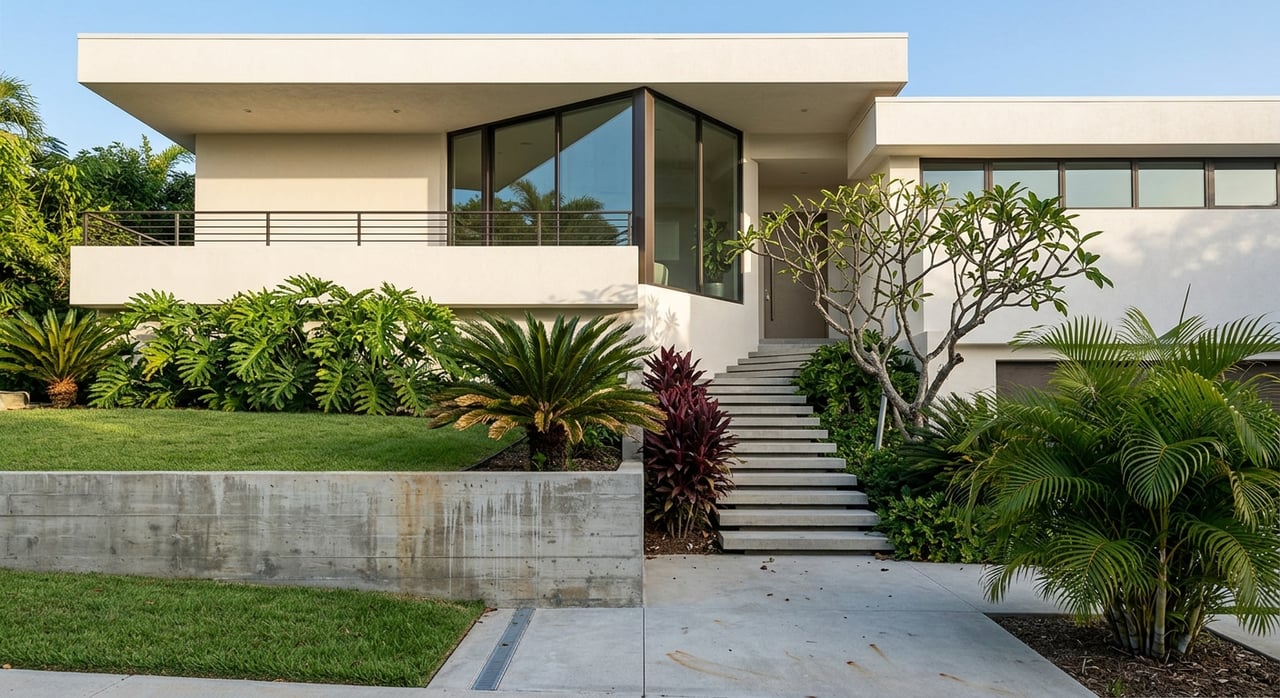
Dreaming of a condo by Isla Verde Beach or eyeing more space and value inland in Carolina? With oceanfront towers, mid-rise buildings, and garden-style complexes to choose from, the building you pick will shape your costs, lifestyle, and long-term upside. In this guide you will learn how Isla Verde compares with the rest of Carolina, what fees and documents to review, how to factor coastal risks and insurance, and what to know about rentals and financing. Let’s dive in.
Isla Verde vs. Carolina: What to expect
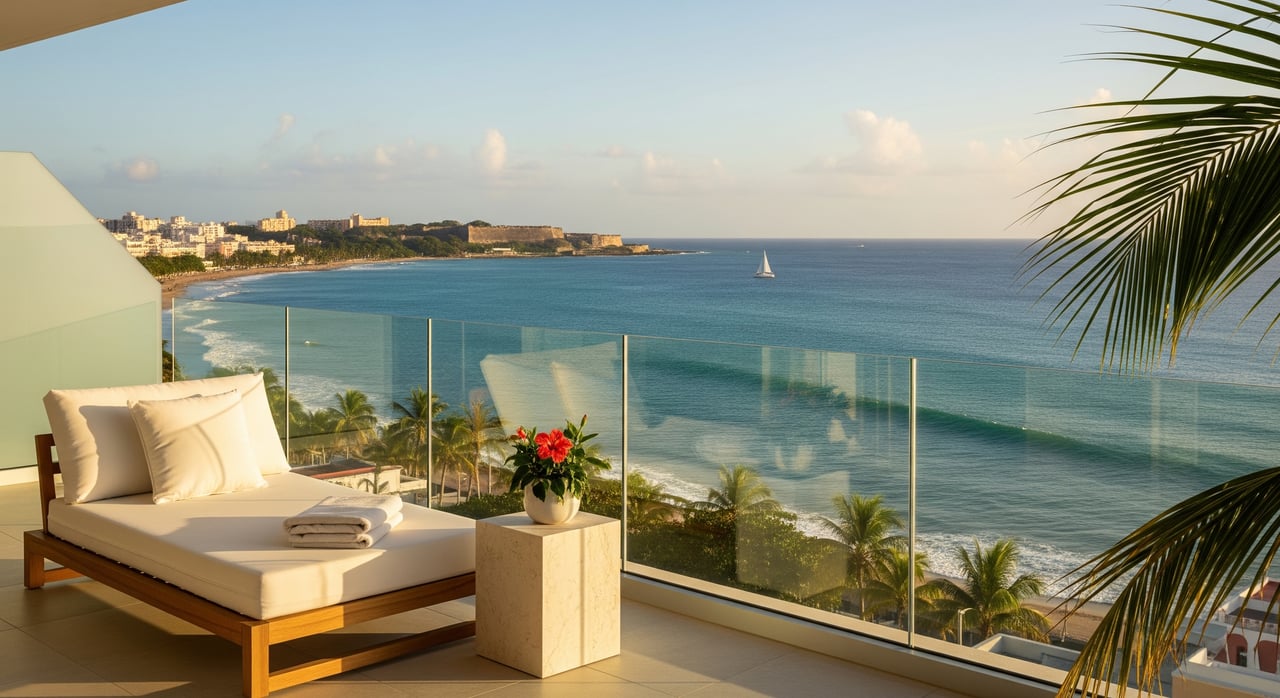
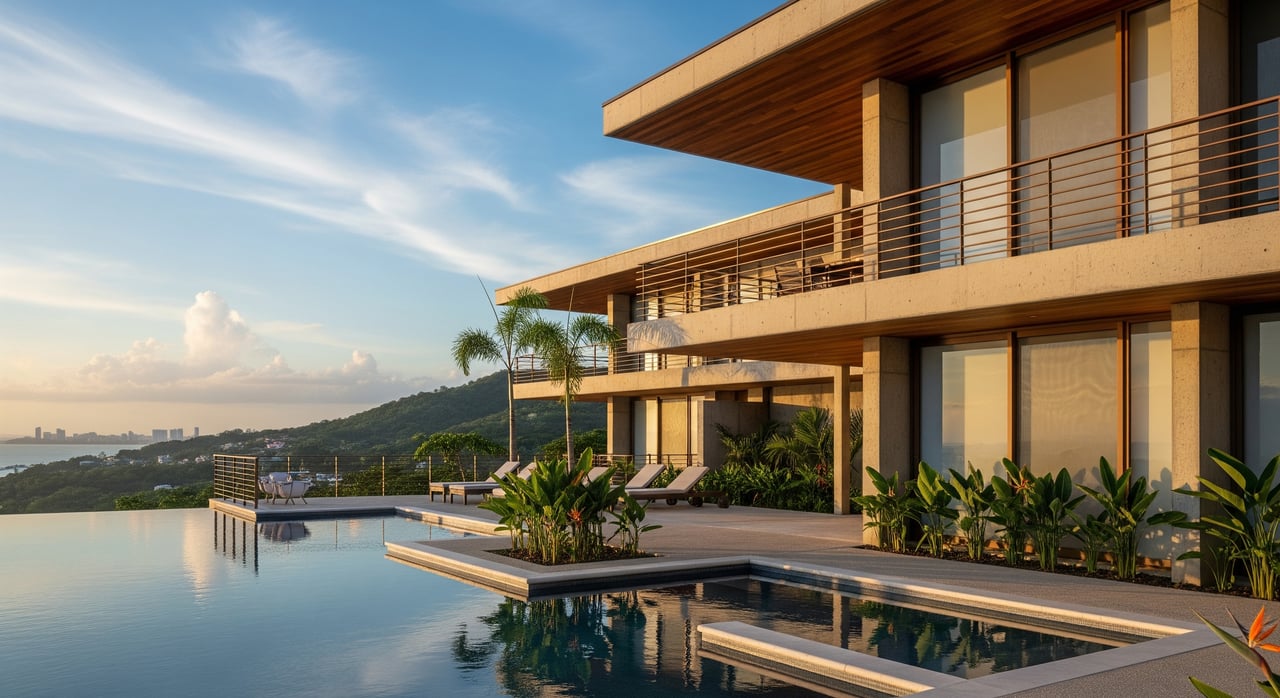
Isla Verde sits on the beach within the municipality of Carolina, right by the airport. It is a tourism-oriented corridor with high-rise towers and hotel-style buildings, so you often see higher prices, richer amenities, and higher HOA fees. Inland Carolina neighborhoods such as Cangrejo Arriba, Villa Carolina, Trujillo Bajo, Sabana Abajo, and downtown Carolina trend more residential and value driven. You will find mid-rise condos and suburban multifamily options that are less tourist dependent.
If you want a vacation or second home with strong visitor appeal, Isla Verde is usually the focus. If you prioritize commute, everyday services, or lower monthly dues, the broader Carolina area often makes sense. Entry-level options exist in both submarkets, but oceanfront and hotel-like amenities tend to command a premium. Always compare buildings side by side since individual towers can vary widely by age, services, and condition.
Condo types and amenities
You will see several building styles in this market:
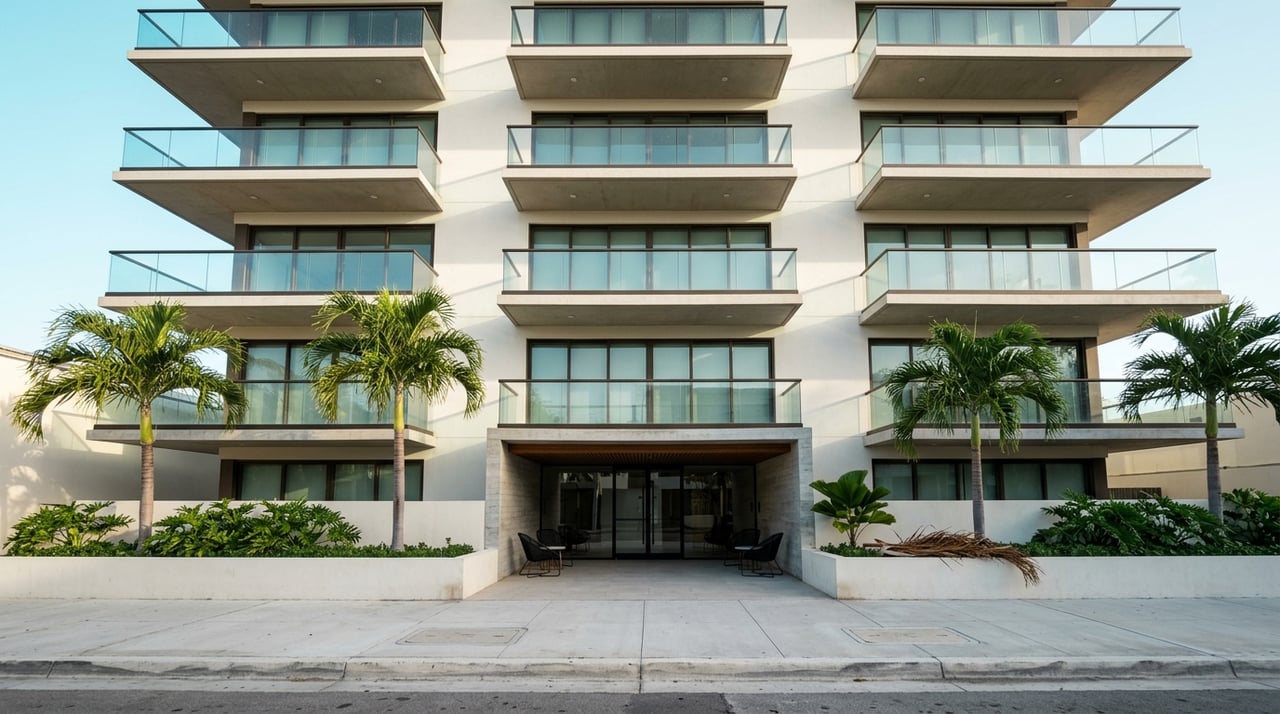
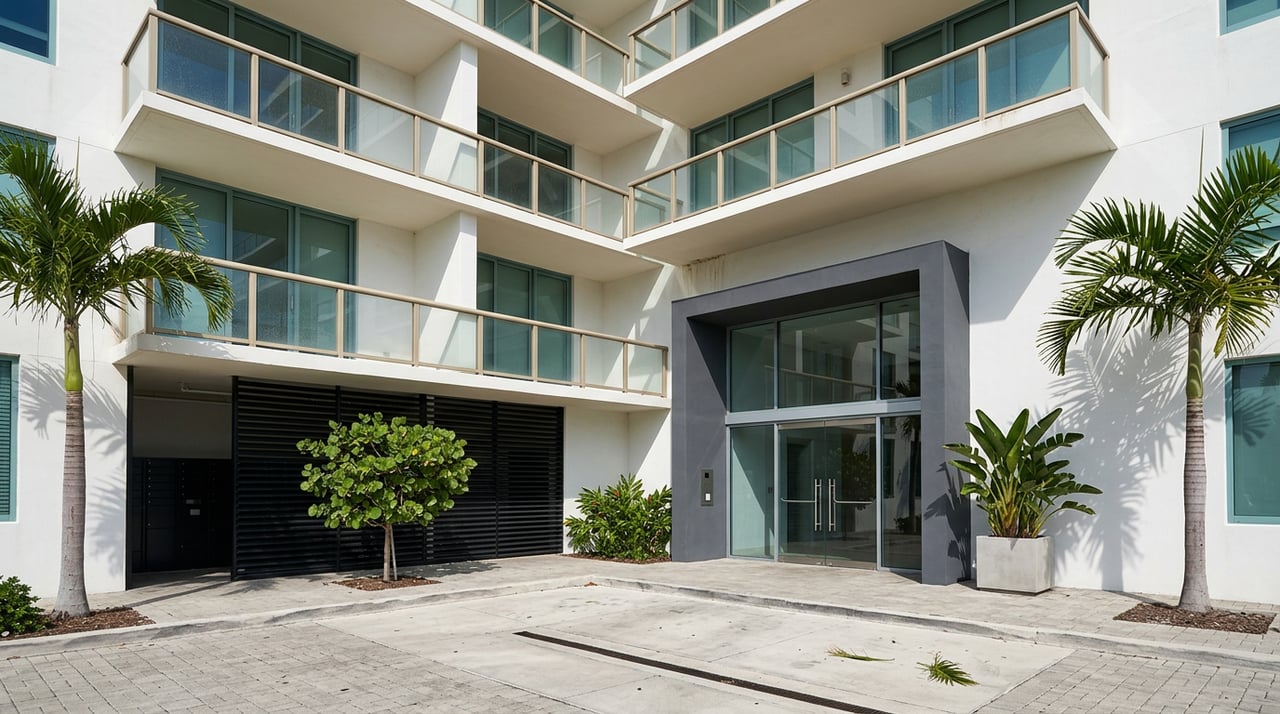
- High-rise oceanfront towers in Isla Verde with elevators and full-service operations.
- Mid-rise or low-rise residential condos with a more local feel and fewer shared services.
- Converted hotel-condo projects that blend condo ownership with hotel operations.
- Gated townhouse or garden-style complexes in inland Carolina.
Common amenities include pools, fitness rooms, assigned parking, on-site management, and 24-hour security. Many full-service towers have generators and cisterns, and some higher-end properties add concierge or valet. HOA fees often cover structural and common-area maintenance, security, elevator service, pool and grounds, management salaries, and sometimes water and trash. The exact package changes by building, so ask for a line-item budget to confirm inclusions.
The true cost: HOA dues and assessments
In Isla Verde, HOA fees frequently range from several hundred dollars to 500 to 1,000 plus per month in full-service oceanfront towers. Smaller inland projects can be materially lower. Use the association’s current budget and the last 12 to 24 months of financial statements to understand the real monthly burn. Also check for any scheduled special assessments since they can change your total cost quickly.
When you review documents, pay close attention to the reserve fund. A healthy reserve can soften or avoid a large assessment. In older coastal buildings, capital needs like façade repairs, roof systems, waterproofing, elevator modernization, and generator upgrades are recurring. If reserves are thin and big projects are looming, plan your budget accordingly.
Governance and documents: Your due diligence
Puerto Rico’s updated Condominium Act, Ley Núm. 129 de 2020, sets the framework for how condos operate and what owners can expect. You will often see its influence in the registry records and association rules. For background on the statute, review the government’s overview of the new Condominium Act from DACO and the full text on LexJuris.
- Read DACO’s overview of the new Condominium Act for consumer guidance: DACO summary of Ley 129
- See the law’s full text and registry details on horizontal property: LexJuris Ley 129 de 2020
Request these items before you commit:
- Declaration or Master Deed defining your unit, common elements share, and use restrictions.
- Bylaws or Reglamento interno covering rentals, pets, noise, maintenance, and voting.
- Current annual budget and detailed financial statements for the last 2 to 3 years.
- Reserve study or reserve statements and the current reserve balance.
- Minutes of owners’ meetings from the last 12 to 24 months.
- Master insurance certificates with coverage scope, policy limits, and deductibles.
- A list of pending or recent special assessments and any owner notices.
- Litigation disclosures for any open claims against the association or developer.
- Building permits, certificates of occupancy, and recent engineering reports.
- Management contract and contacts for the board and property manager.
- The rental policy as written in the bylaws and any STR registration rules.
Why it matters: the budget and reserve data tell you if dues are sufficient and if an assessment is likely. Insurance certificates reveal wind and hurricane deductibles and whether flood is included or separate. Minutes and litigation records surface recurring issues, large projects, and collection problems that affect stability and resale.
Also confirm the legal description and proper registration in the Registro de la Propiedad. In Puerto Rico, each condo unit is inscribed as its own parcel linked to a master record. Matching the registry description to the physical unit helps you avoid title or boundary surprises later.
Coastal risks, maintenance, and insurance
Isla Verde and coastal Carolina face hurricanes, salt spray, and high humidity. That environment increases wear on exteriors, mechanical systems, and roofs. It can also raise insurance costs and the size of wind or hurricane deductibles. Local guidance emphasizes the added maintenance and insurance planning that beachfront owners should expect.
- For context on coastal upkeep and insurance considerations, see this local overview: Beachfront ownership tips (general guidance).
Most buildings here are reinforced-concrete construction. In marine environments, chlorides from sea spray accelerate corrosion of embedded steel, which can show up as cracks and spalling on façades and balconies. Significant deterioration can lead to large capital projects. If you see recurring repairs or scaffolding in minutes, ask whether the work is proactive maintenance or a larger deferred issue. Technical literature supports this risk profile for coastal concrete and the need for periodic remediation: Coastal concrete durability overview.
Always check flood risk. Use FEMA’s Flood Map Service Center to locate the property’s exact flood zone. If the building lies in a Special Flood Hazard Area, many lenders will require flood insurance, and you will need to confirm whether the association’s master policy carries flood or if unit owners must purchase separate coverage. Start with a simple map lookup here: FEMA Flood Map Service Center.
When you review the master insurance, confirm:
- Policy type and named insured, and what parts of the structure are covered.
- Wind and hurricane deductible, often a percentage on coastal properties.
- Whether flood or earthquake is included or separate.
- Unit-owner coverage requirements for interior finishes, contents, and liability.
Rentals, taxes, and financing
If you plan to rent, align your building choice with your strategy. Isla Verde often shows stronger short-term rental potential due to beach access and airport proximity, with seasonal peaks in winter and spring. Inland Carolina usually offers steadier long-term rental demand and better value for resident tenants. Exact performance shifts year to year, so validate revenue assumptions with a local property manager before you buy.
Condominium bylaws can limit or prohibit short-term rentals, and boards can enforce reasonable use rules. Municipal licensing, tourism registration, and tax collection can also apply to short-term rentals in Puerto Rico. These rules are updated from time to time, so confirm current requirements with the Municipality of Carolina and Puerto Rico’s Treasury. Start with consumer guidance on condo rules here: DACO guidance for condominiums.
Taxes on rental income, sales and use tax for lodging, and occupancy taxes have Puerto Rico-specific rules. A local CPA can help you set up the right structure and registrations. For a high-level primer, see this overview of Taxation in Puerto Rico, then rely on a Puerto Rico CPA for tailored advice.
Lenders also vet condo projects before approving conventional loans. They look at the association’s financial health, reserves, owner-occupancy ratio, and delinquency rate. Ask your lender early whether the project is eligible under their rules and what documents they need. A fast project review can save you time once you are under contract.
Red flags to watch
- Thin or no reserves in an older coastal building showing façade or balcony distress.
- Recurring special assessments without a clear capital plan or timeline.
- High HOA delinquency rate that strains the budget.
- Master policy with very high wind or hurricane deductibles or flood gaps.
- Active litigation against the association or developer.
- Bylaw restrictions that limit rentals if you plan investment use.
Step-by-step buyer checklist
- Confirm the exact address and pull the FEMA flood map for the building: FEMA Flood Map Service Center.
- Request from the board or listing agent: Declaration, Bylaws, last 3 years of financials, current budget, reserve study, insurance certificate, 12 to 24 months of minutes, pending assessments, management contract, and litigation disclosures.
- Review insurance: verify master coverage and deductibles. Price an HO-6 policy and flood if required.
- Inspect for coastal concrete issues such as cracking, spalling, or rust stains. Hire a structural engineer if you see red flags or if minutes reference façade work.
- Verify rental rules in the bylaws and confirm any municipal licensing or lodging-tax steps with a Puerto Rico CPA and the Municipality of Carolina.
- Ask your lender about condo project eligibility and document requirements before you make an offer.
- If you plan short-term rentals, get written confirmation from the association and municipality that the use is permitted and what registrations apply.
How we help you buy with confidence
Choosing the right building in Isla Verde or Carolina comes down to fit, numbers, and risk. We help you compare towers and inland communities, request the right documents, and connect you with trusted local attorneys, CPAs, inspectors, and property managers. Our goal is to make your decision clear and your closing smooth.
Ready to explore condos on or near the sand and see which buildings fit your plan and budget? Call Javi and the team at Mi Corredor for local guidance and a smart, step-by-step path to ownership.
FAQs
What makes Isla Verde condo fees higher than inland Carolina?
- Full-service oceanfront towers often include more amenities and operational costs, which pushes HOA dues higher than in smaller inland buildings with fewer shared services.
Which condo documents should a Puerto Rico buyer request?
- Ask for the Declaration, Bylaws, last 2 to 3 years of financials, current budget, reserve statements, minutes, master insurance, assessments, litigation disclosures, permits, and management contract.
How do flood zones affect condo ownership in Carolina, PR?
- If a building sits in a Special Flood Hazard Area, lenders often require flood insurance, so confirm whether the association’s policy includes flood or if you must buy separate coverage using a FEMA map lookup.
Are short-term rentals allowed in Isla Verde condos?
- It depends on the bylaws and building rules, and you may also need municipal licensing and tax registration, so verify with the association and review DACO condominium guidance.
How can I judge a building’s financial health before I buy?
- Review the budget, last 2 to 3 years of line-item financials, reserve balance and study, delinquency rates, minutes, assessments, and insurance details to see if dues match real costs.
Do I need my own insurance if the association has a master policy?
- Yes, most owners carry an HO-6 policy for interior finishes, contents, and liability since master policies typically cover the building shell and common areas with separate wind and flood terms.