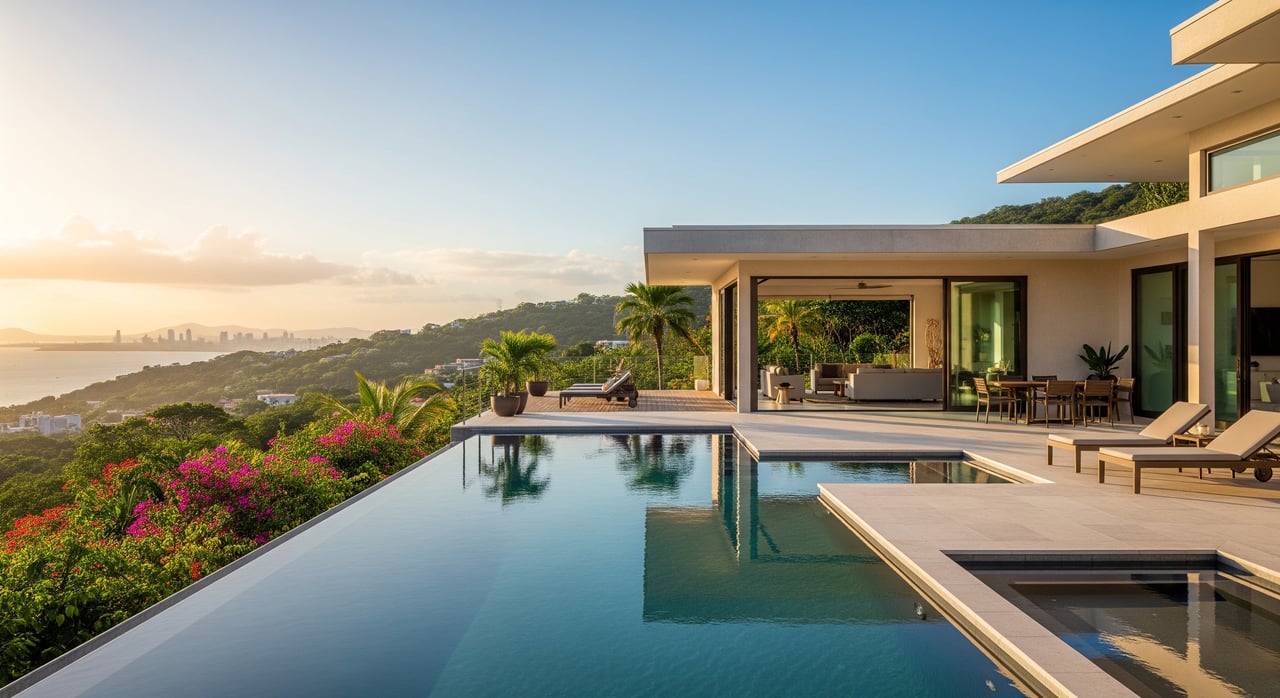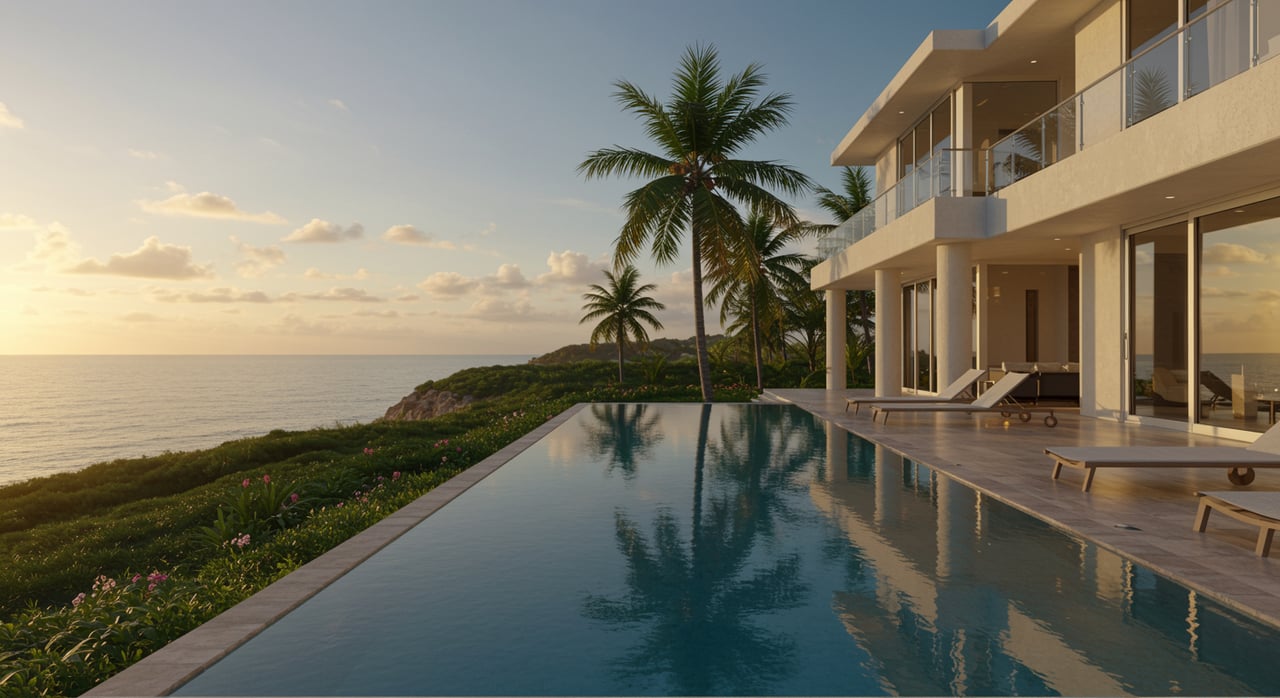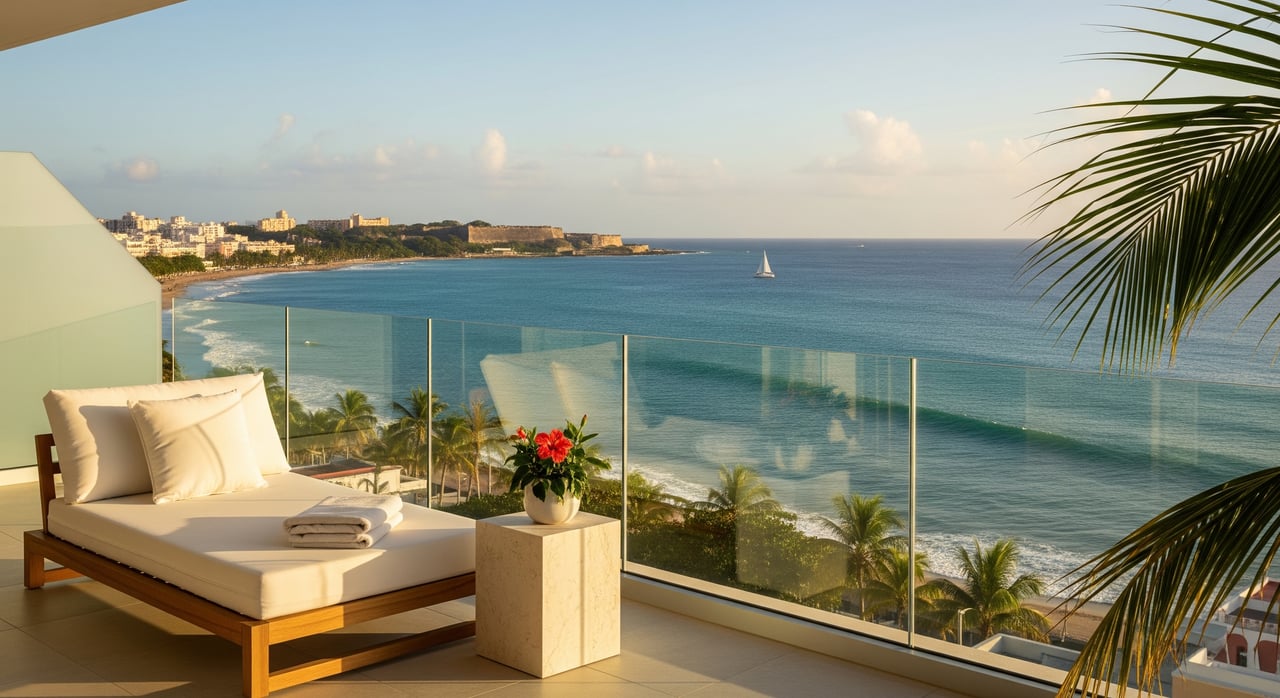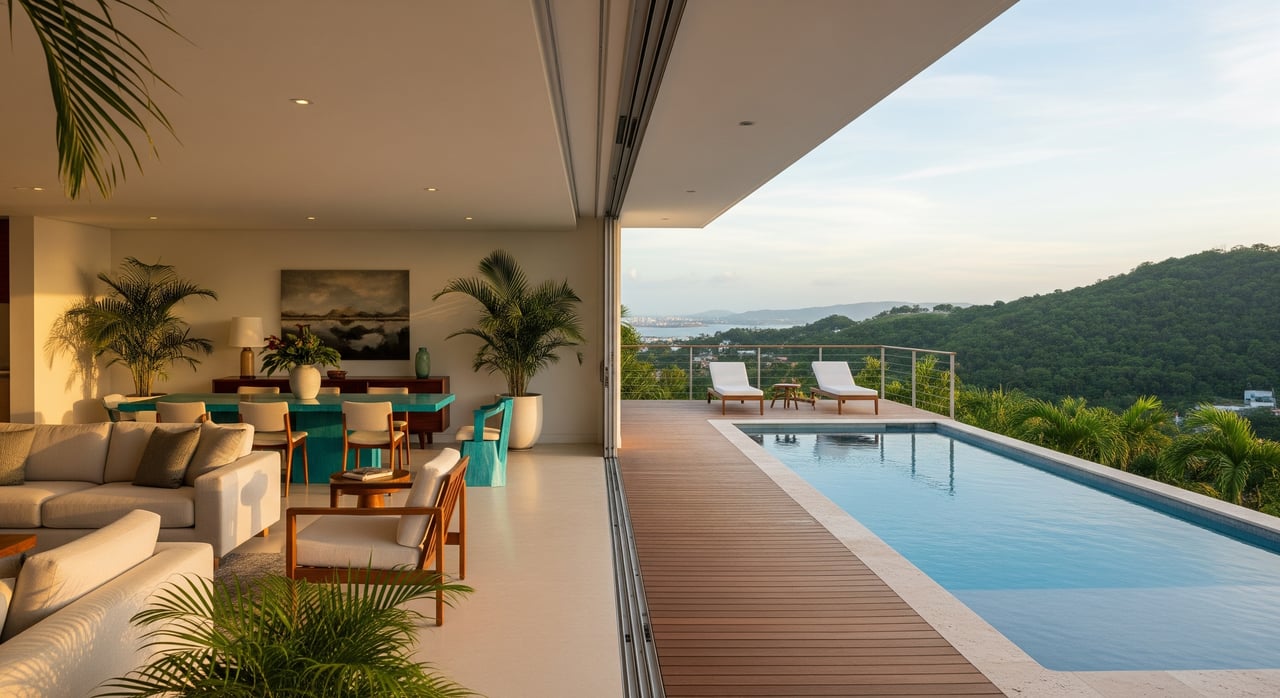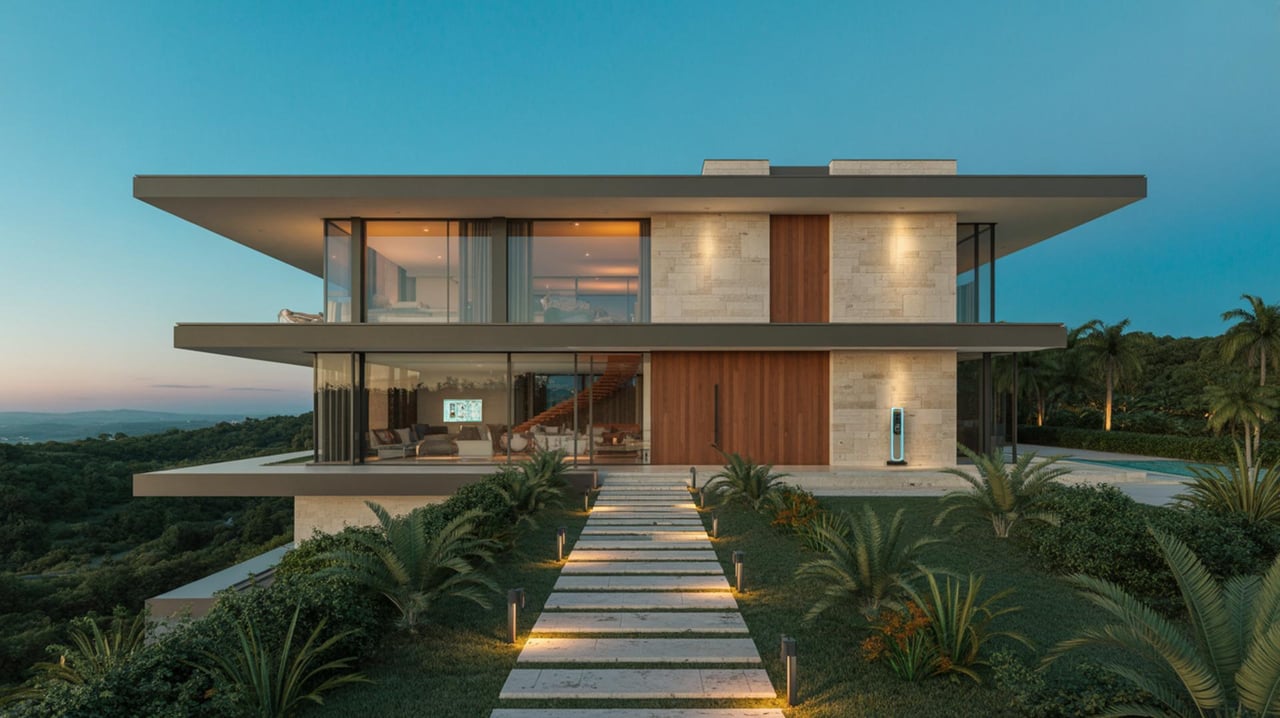
Love the idea of year‑round outdoor living, but not sure what actually adds value in Guaynabo? You are not alone. With tropical heat, heavy rain, and hurricane season, the right upgrades must balance beauty and resilience. In this guide, you will learn which outdoor improvements buyers value most, how to plan for local permitting and weather, and simple ways to boost appeal without over‑spending. Let’s dive in.
Plan for Guaynabo’s climate and rules
Weather and hurricane season
Guaynabo’s tropical maritime climate is warm, humid, and rainy, with salt air exposure in some areas. Hurricane season runs from June 1 to November 30, so wind, water, and debris protection should shape your design. Plan drainage carefully and avoid siting permanent features in low areas that can flood. If your home is near a river or in a designated flood zone, verify elevation and risk before building.
Permits, codes, and HOAs
Most structural outdoor work in Puerto Rico requires permits. Covered terraces, anchored pergolas, and permanent outdoor kitchens typically need approvals and inspections. Start by contacting the Oficina de Gerencia de Permisos (OGPe) or Guaynabo’s municipal permitting office to confirm requirements. Coastal or river‑adjacent properties may also require environmental permits with the Department of Natural and Environmental Resources. If you live in an HOA community, check covenants for rules on materials, colors, setbacks, and visible equipment.
Covered terraces that add real value
What to prioritize
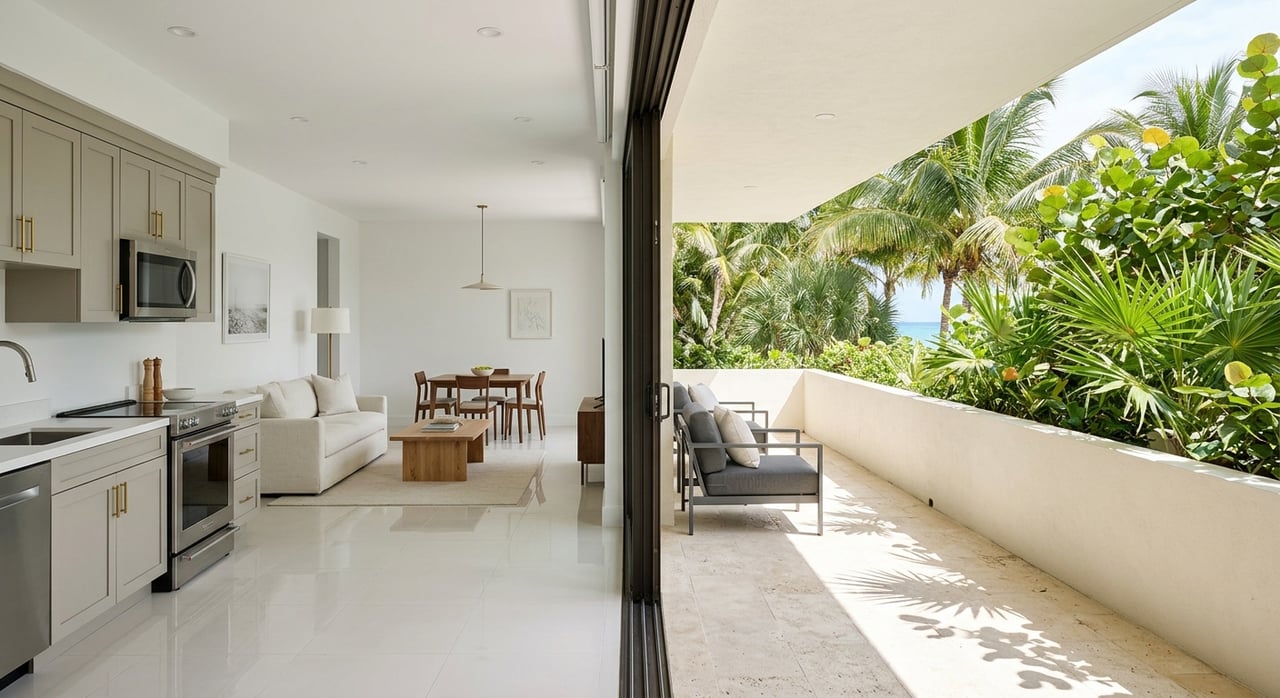
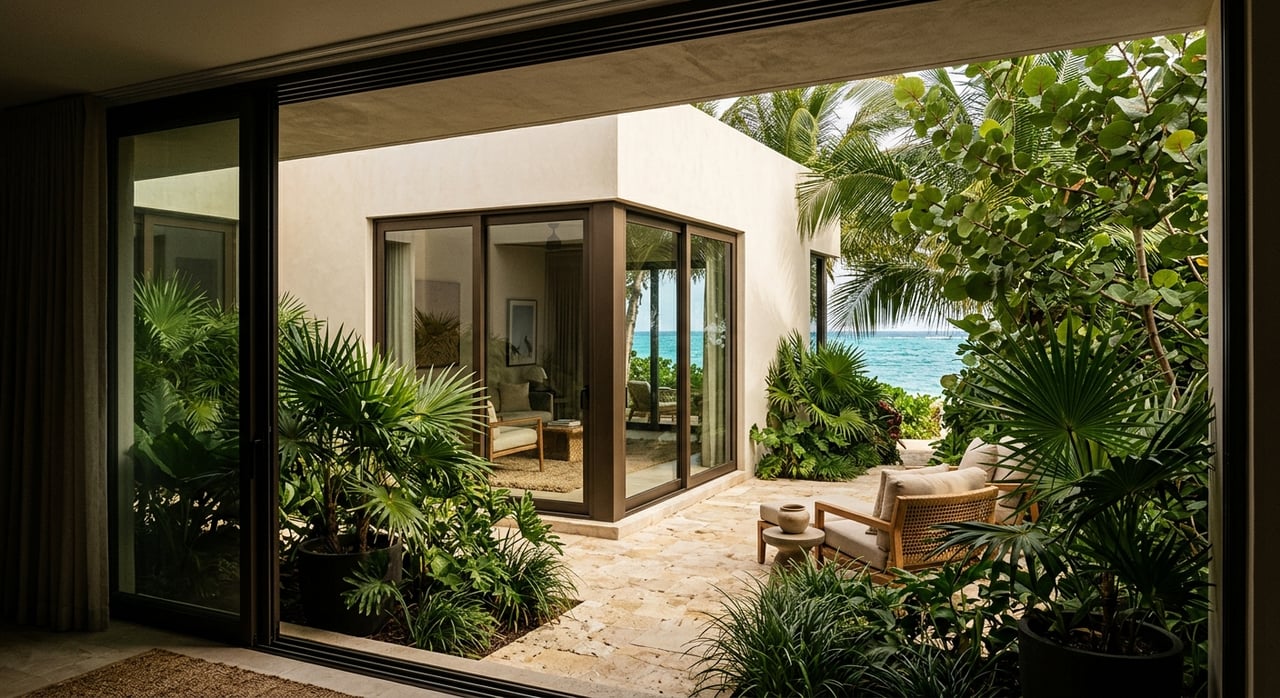
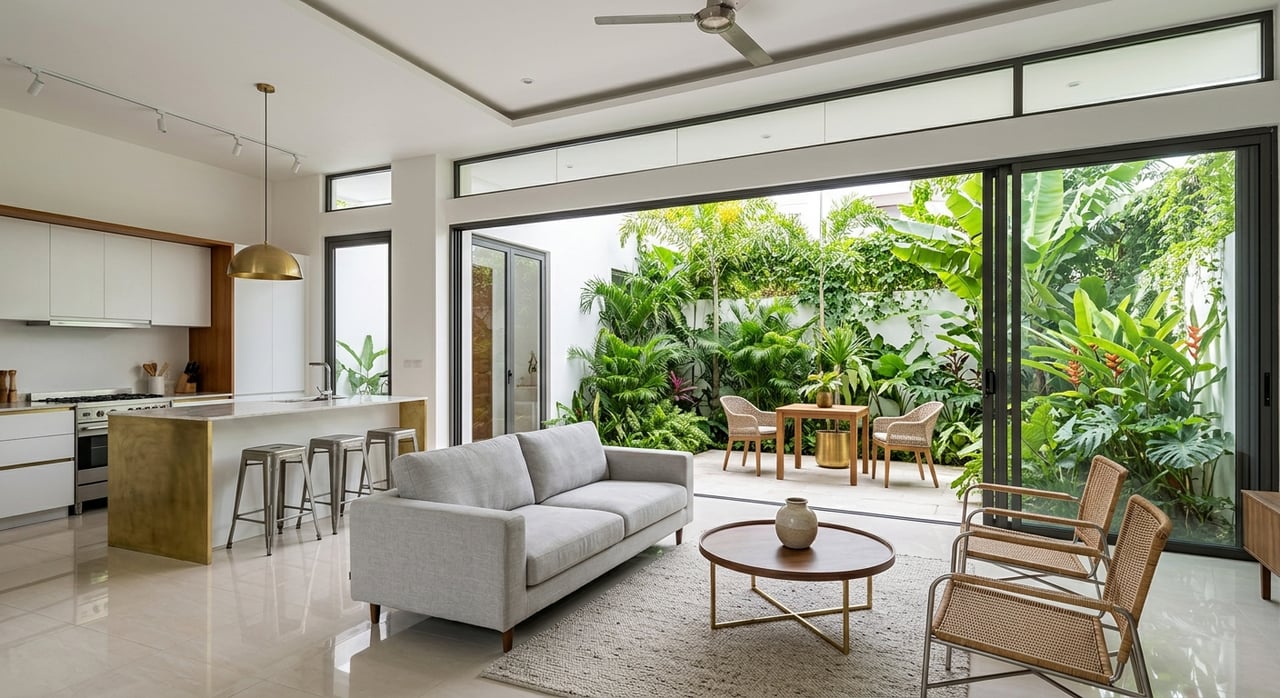
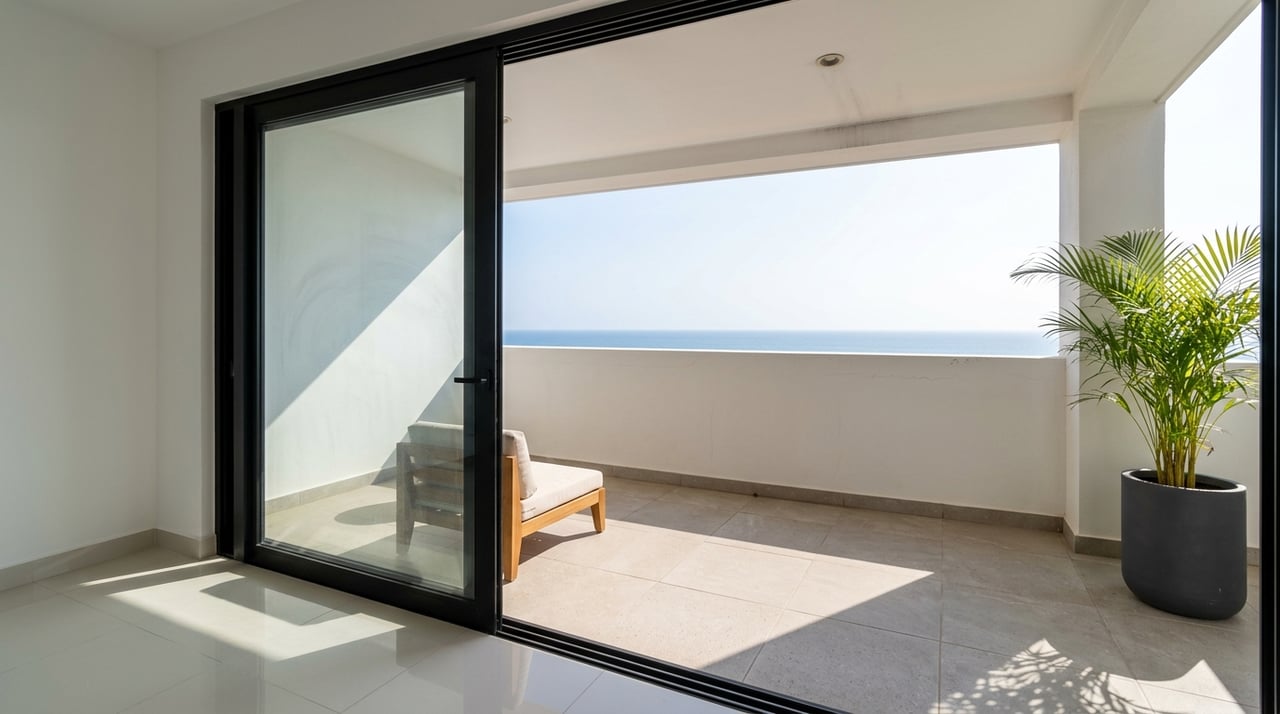
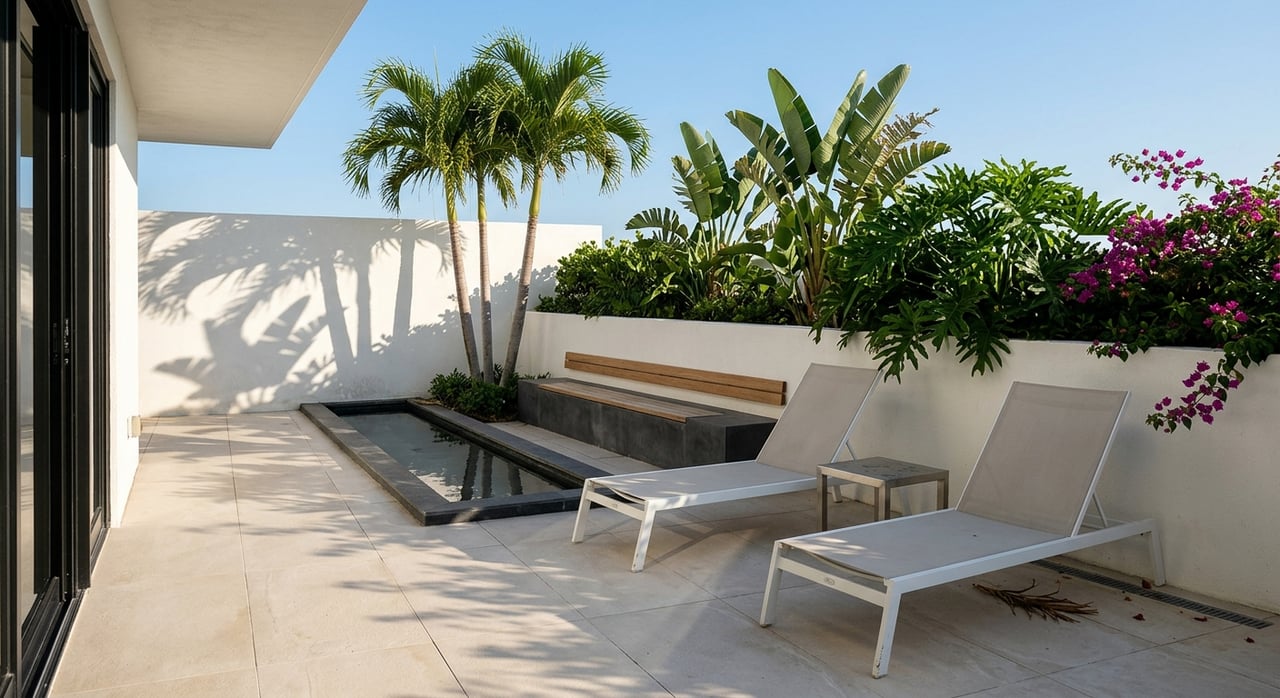
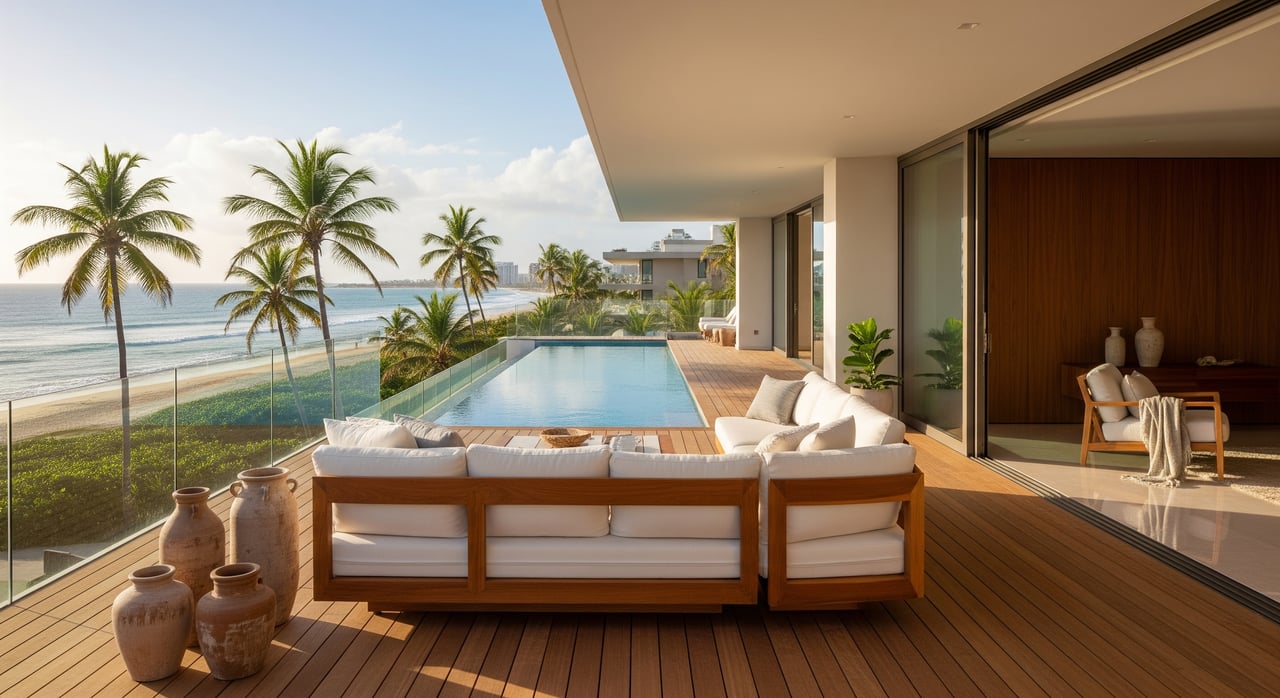
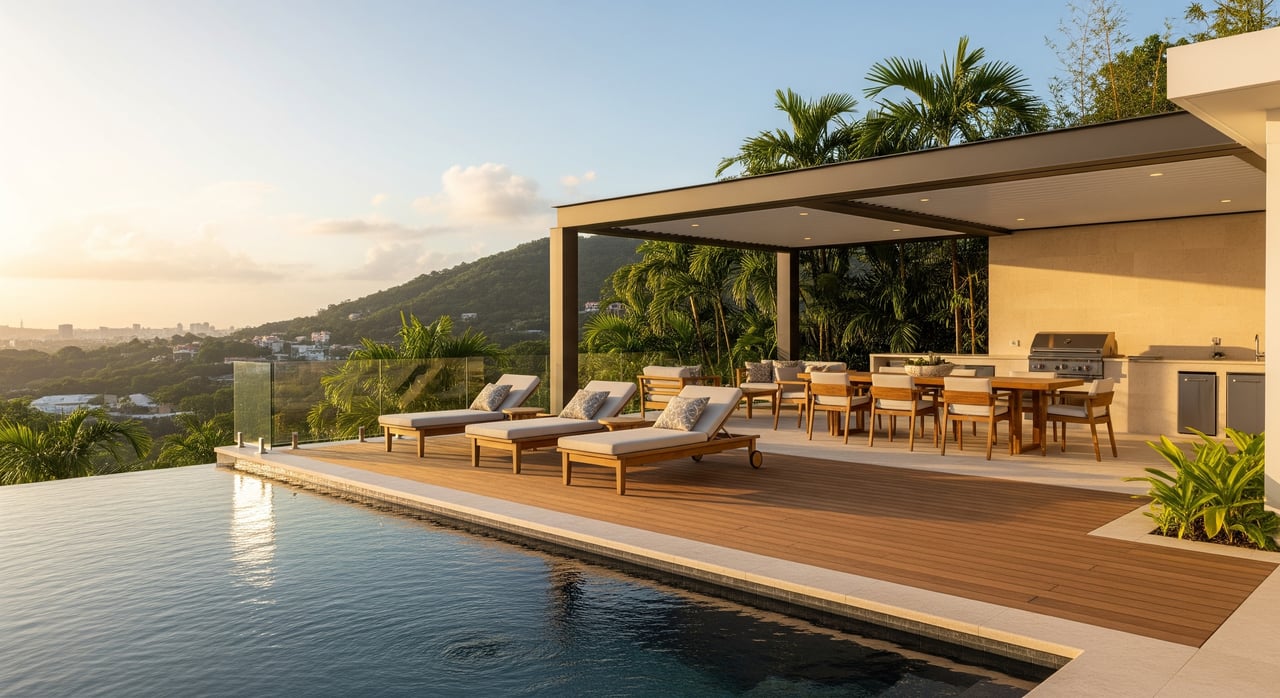
A covered terrace or roofed porch extends your usable living area and shows well to buyers in a warm climate. Look for a durable roof tied into the home’s structure, proper overhangs, and clean drainage to keep interiors dry. Add ceiling fans and simple recessed lighting for comfort and evening use. Choose non‑slip, low‑porosity flooring such as sealed concrete or outdoor‑rated porcelain tile.
Seller tips
Keep finishes neutral and low maintenance to appeal to more buyers. Stage the space with seating and dining to demonstrate everyday use. Ensure gutters and downspouts carry water away from the foundation. If permits were pulled for the terrace, keep documentation handy for disclosure during listing.
Buyer planning checklist
- Confirm the roof and attachments meet local wind considerations.
- Verify electrical work was done by a licensed professional and properly permitted.
- Inspect drainage grading and the condition of gutters and downspouts.
- Choose easy‑care materials and plan for ceiling fans to improve comfort.
Outdoor kitchens that make sense
Value‑focused features
Outdoor kitchens are desirable, but bigger is not always better. A modest, well‑executed setup often delivers the best appeal. Prioritize a built‑in or modular grill, a covered prep counter, weather‑resistant cabinetry, a durable counter surface, and simple storage. If feasible, a basic sink adds convenience.
Placement and utilities
Place the kitchen near your indoor kitchen to limit costs and complexity. Plan for ventilation and splash protection, and ensure power and plumbing are routed safely and up to code. Keep appliances and fixtures rated for coastal conditions where relevant.
Keep costs in check
Avoid over‑specialized appliances that create maintenance worries or limit buyer interest. Neutral finishes and modular components make it easier to update later. If you are selling soon, consider a smaller footprint that still feels complete and functional.
Shade that works in the tropics
Options to compare
Shade helps outdoor spaces feel usable during midday heat. Retractable awnings and shade sails are flexible and budget‑friendly, though you should check wind ratings and anchoring. Pergolas offer a more permanent look and can include a retractable canopy. Select rot‑resistant or powder‑coated materials that hold up in heat and humidity.
Maintenance and wind
In Guaynabo, strong winds can damage improperly anchored structures. Choose engineered systems and professional installation for pergolas and large awnings. Plan for easy removal or protection of fabric elements before storms.
Low‑maintenance landscaping for curb appeal
Plant palette for Guaynabo
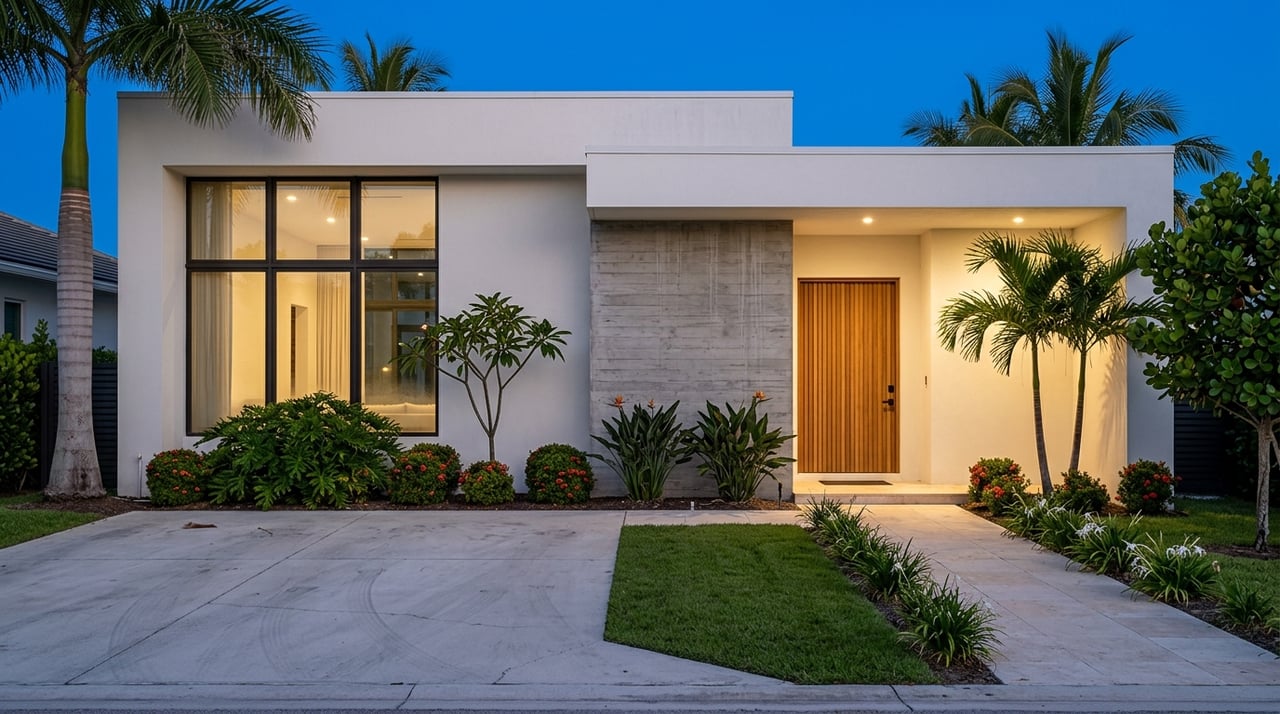
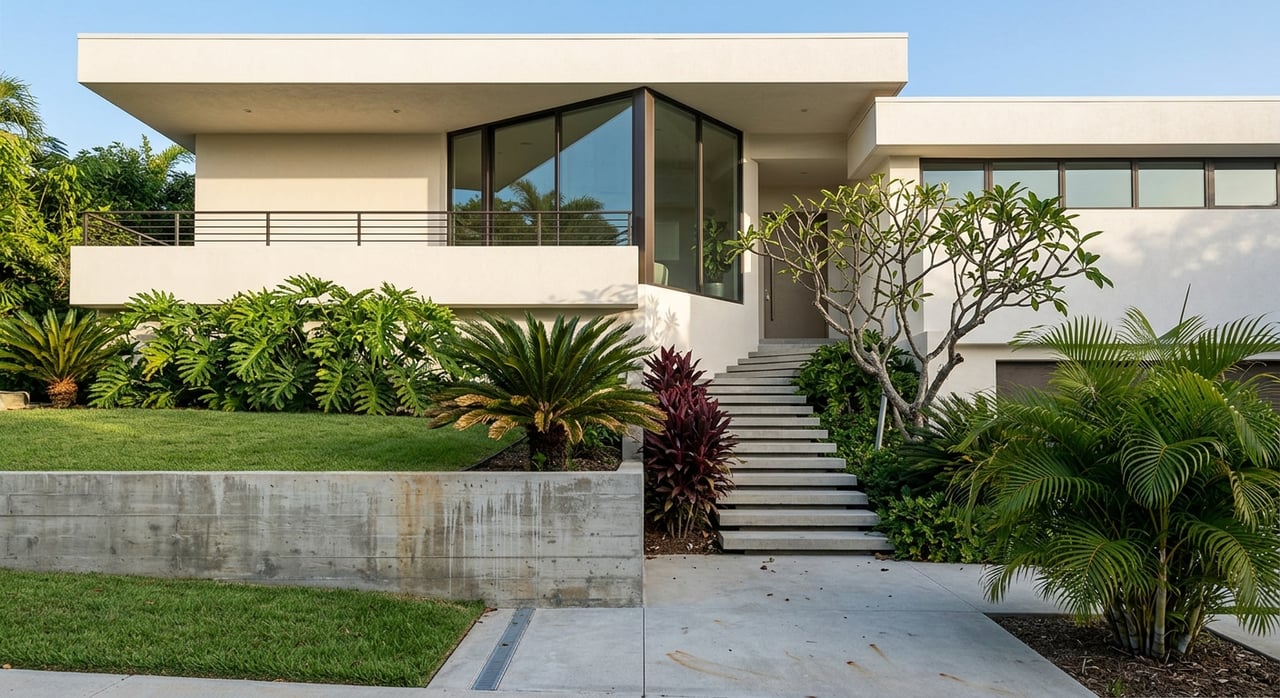
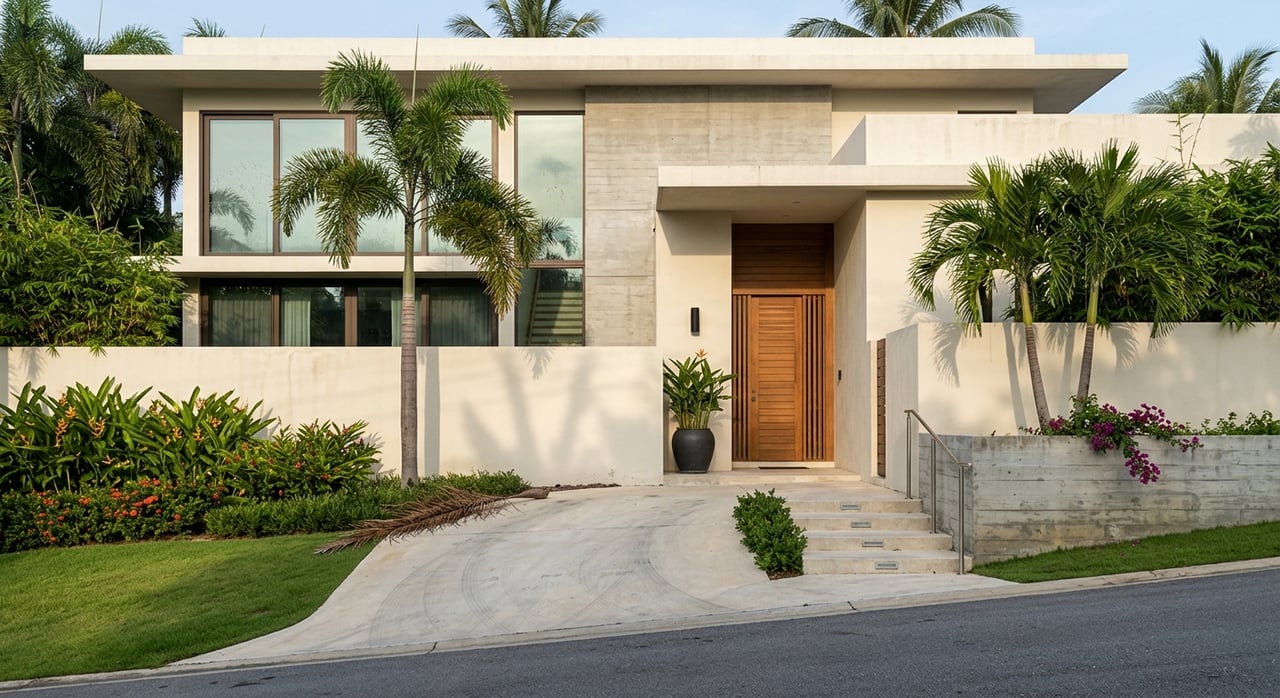
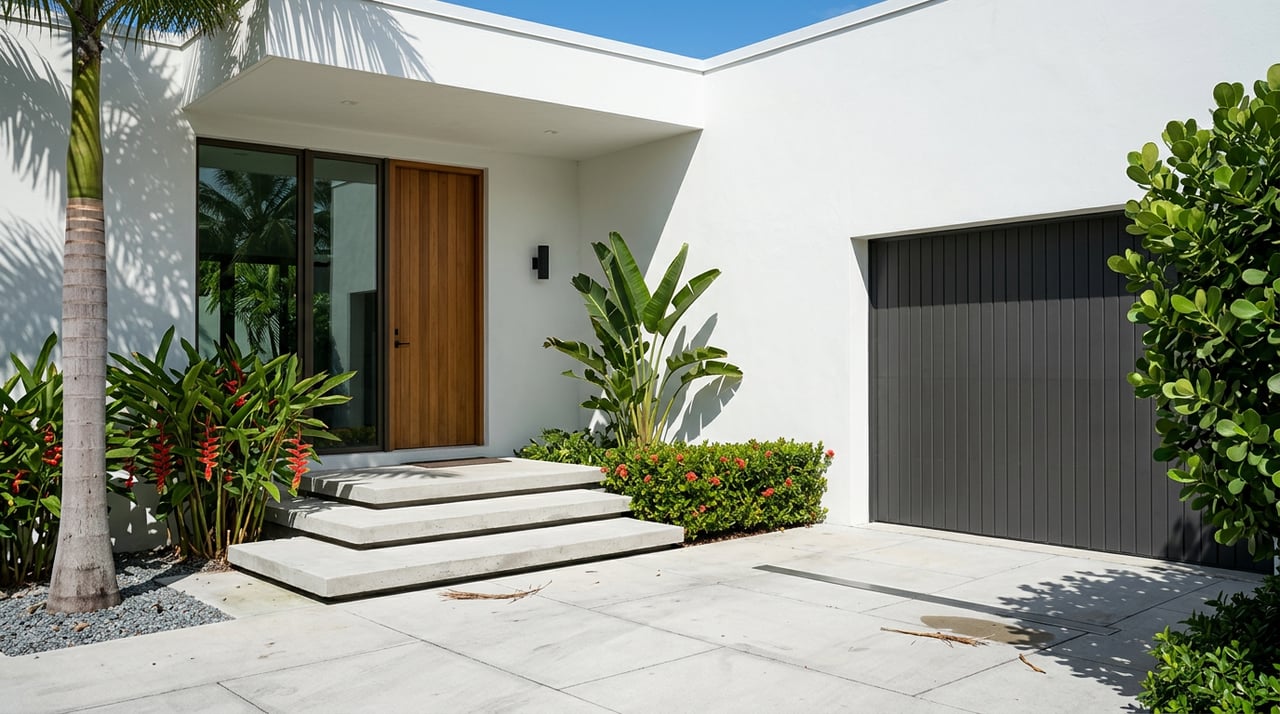
Choose plants that thrive in heat, humidity, and seasonal rain. Native and well‑adapted species reduce maintenance and water use. Consider sea grape in coastal areas, hurricane‑tolerant palms, hibiscus, bougainvillea, ixora, and firebush. Use hardy groundcovers, mulched beds, and native grasses instead of large, high‑maintenance lawns. If you enjoy edibles, citrus and other tropical fruit trees can work with proper care.
Drainage and irrigation
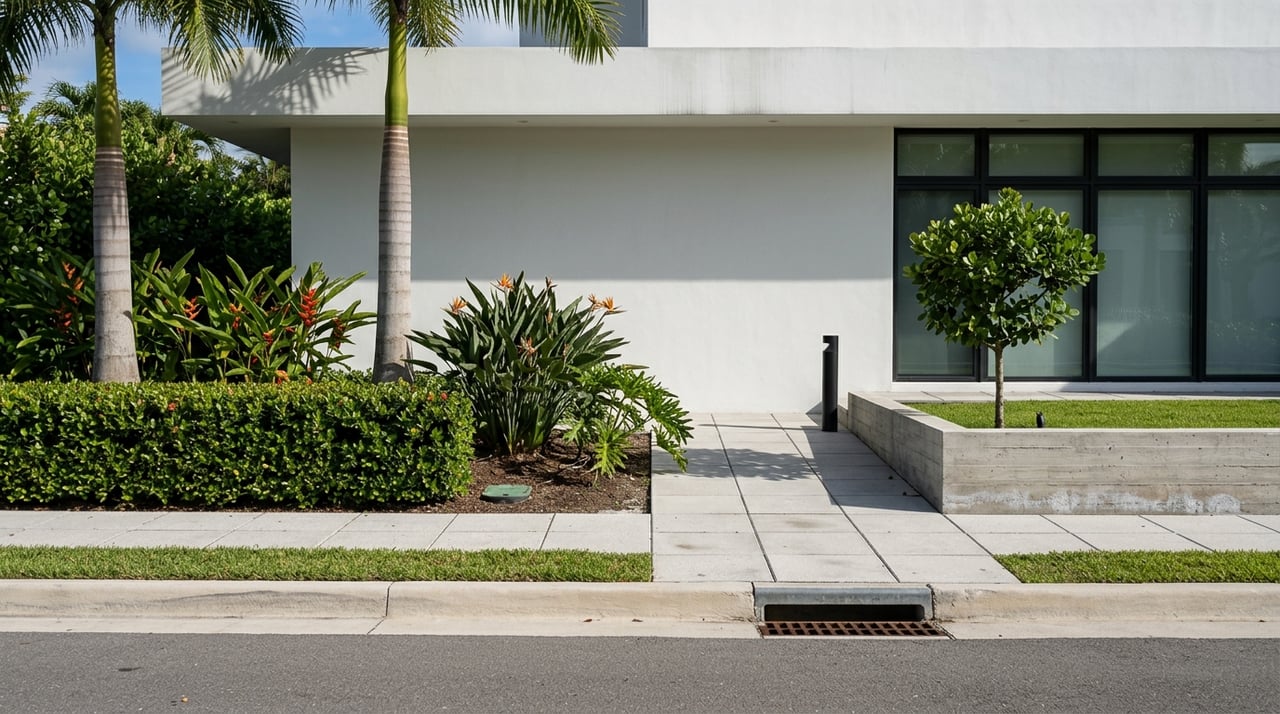
Design the landscape to move water quickly during storms. Use subtle slopes, swales, and permeable surfaces to avoid pooling and erosion. Drip irrigation targeted to plant beds can be efficient and easy to manage. For sellers, prioritize tidy, well‑pruned plantings and avoid heavy littering species near terraces and roofs.
Lighting, pathways, and drainage
Small upgrades with big impact
Low‑voltage LED lighting improves safety and evening ambiance at a modest cost. Clear, slip‑resistant pathways make outdoor areas feel safer and more connected to the home. Improve surface drainage with proper grading, maintained gutters, and downspouts routed away from the foundation. These details help protect your investment and reduce buyer concerns.
Materials that last in Guaynabo
Salt air and humidity
Near‑coastal homes face salt corrosion. Favor corrosion‑resistant materials such as marine‑grade stainless fasteners, powder‑coated aluminum, composite decking, and sealed masonry. Verify that appliances, fixtures, and finishes are rated for coastal use.
Flooring and surfacing
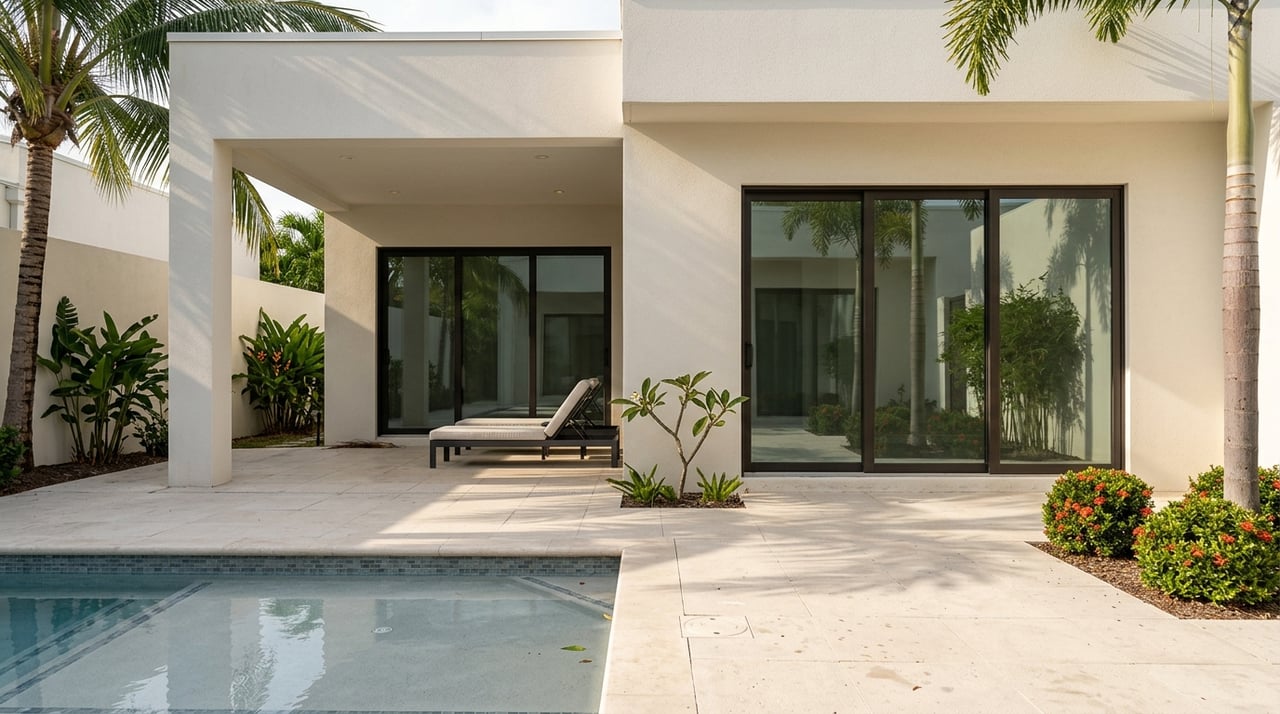
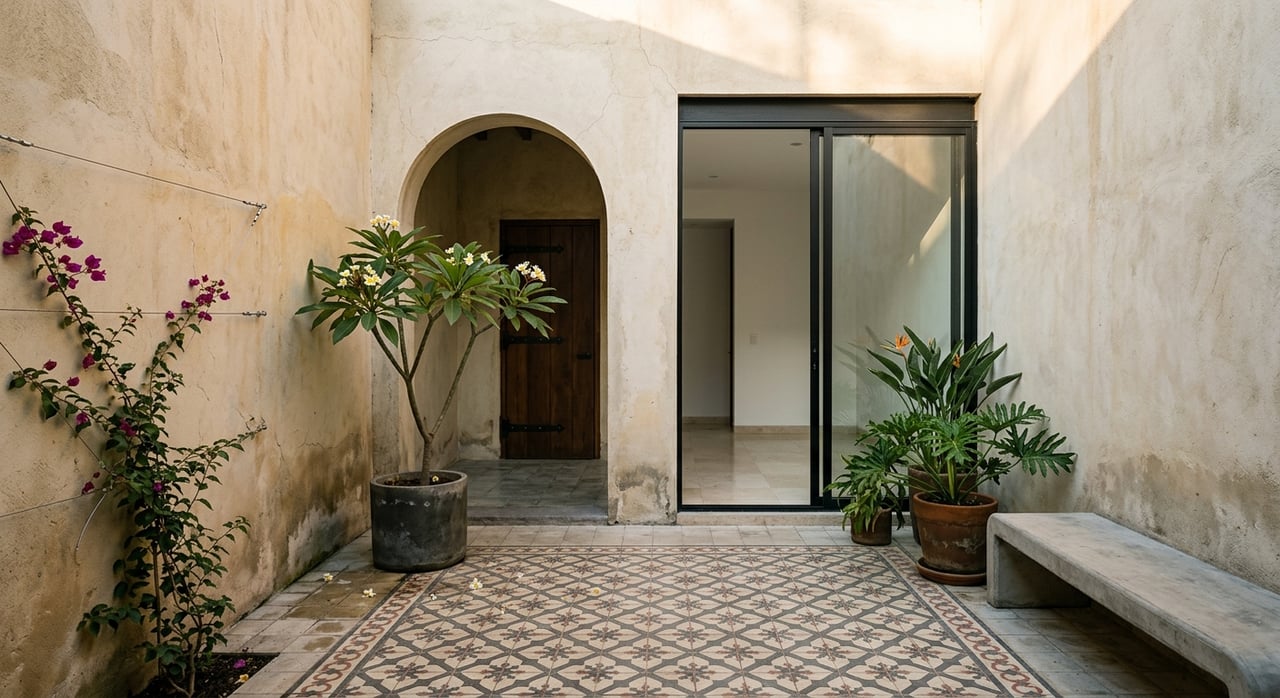
Non‑slip, low‑porosity surfaces perform best. Sealed concrete, outdoor‑rated porcelain tile, and high‑quality composite decking handle rain and frequent use. Permeable pavers are a smart option to help with infiltration and reduce runoff during heavy storms.
Pest and insect comfort
Mosquitoes can reduce outdoor enjoyment. Design for airflow and consider ceiling fans and options for screens. Avoid standing water by maintaining drainage and keeping containers covered. These small moves can boost comfort and usability throughout the year.
Generator‑friendly outdoor layouts
Location and screening
After recent island‑wide power disruptions, many buyers value reliable backup power or a property that supports it. Choose a discrete, accessible location for a portable or permanent generator. Keep it away from bedrooms and main living areas for noise considerations, and use landscaping or fencing for visual screening. Place the unit on a stable, elevated pad to reduce flood risk and allow easy access for service.
Safety and permits
Fuel storage must follow local fire and municipal codes. Permanent standby systems usually require permits and inspections, and portable units may still be regulated for operation and fuel storage. Sellers should disclose generator locations, interconnections, and maintenance records to build buyer confidence.
Cost and ROI expectations
Budgeting locally
Costs in Puerto Rico vary with materials, labor availability, and shipping. Covered terraces and fully roofed porches can range widely depending on scope and finishes. Modular outdoor kitchens are more budget‑friendly than custom masonry builds. Shade sails and retractable awnings are typically lower cost than engineered pergolas. Landscaping upgrades that replace turf with hardy plant beds often deliver curb appeal at a reasonable price. Plan for a contingency of 10 to 20 percent to handle permitting, site prep, and shipping variability.
What attracts buyers most
Covered terraces and all‑weather outdoor spaces usually show the strongest value because they expand functional living area. Practical, weather‑resilient features and low‑maintenance finishes appeal to the broadest audience. Highly customized luxury installations can be impressive, but they may not return their full cost at resale.
To‑dos for sellers and buyers
If you are preparing to sell
- Make the covered terrace clean, staged, and well lit.
- Refresh landscaping with tidy, low‑upkeep plants and clear pathways.
- Demonstrate working drainage and route downspouts away from the foundation.
- Keep the grilling area simple and weather‑ready if budget allows.
- Gather permits and records for any permanent work and generator systems.
If you are planning projects as a buyer
- Assess sun, wind, drainage, and privacy before choosing upgrades.
- Confirm HOA rules and permitting needs early in the process.
- Prioritize durable, low‑maintenance materials rated for local conditions.
- Plan for storm protection and easy cleanup of shade elements and furniture.
- Build a realistic budget that includes site prep, permits, and contingencies.
Ready to make your Guaynabo home’s outdoor spaces work harder for you? Let’s map a plan that aligns with your sale or purchase timeline. Reach out to Mi Corredor for local guidance tailored to your goals.
FAQs
Do Guaynabo outdoor upgrades need permits?
- Most structural improvements, like covered terraces and permanent outdoor kitchens, require permits. Contact OGPe or Guaynabo’s permitting office and check HOA rules.
What outdoor features add the most value in Guaynabo?
- Covered terraces, weather‑resilient shade, low‑maintenance landscaping, and clean lighting and drainage improvements typically show strong buyer appeal.
Are outdoor kitchens worth it for resale?
- A modest, well‑executed setup often appeals to buyers. Avoid oversized, highly customized installations that may not recoup full costs.
How can I prepare outdoor areas for hurricane season?
- Use removable or secure furniture, design for quick drainage, choose impact‑conscious materials, and plan protection for shade fabrics and appliances.
Where should a generator go on the property?
- Place it on a stable, elevated pad in an accessible, discreet spot away from bedrooms, outside flood‑prone areas, and in compliance with local codes and permits.