Thinking about a Dorado property you can enjoy and also rent when you are away? You are not alone. Dorado’s beaches, golf, and resort ambiance draw steady demand from vacationers and weekenders, which creates real potential for both short-term and long-term rentals. In this guide, you will learn how to evaluate rental potential step by step using clear criteria you can apply to any listing in Dorado, Puerto Rico. Let’s dive in.
Understand Dorado demand
Dorado sits on Puerto Rico’s north shore with easy access to San Juan via PR‑22. It blends resort appeal with convenience for local weekend trips. That mix supports both vacation rentals and domestic stays, especially for families and groups.
Peak demand typically runs from December through April. Spring holidays and some fall weeks can act like shoulder seasons with stronger activity, while hurricane season often brings lower occupancy and more cancellations. Major holidays and events in San Juan can also cause short booking spikes. Keep these patterns in mind as you size up rates and occupancy.
What to measure before you buy
Short-term rental performance
- ADR and occupancy by neighborhood. Pull comparable data for the same micro area and property type. Look at entire homes versus condos, and match bedroom count and amenities.
- Booking patterns. Review lead times and length of stay, especially weekend-heavy demand versus weeklong bookings.
- Guest origin mix. Domestic and international guests follow different calendars and pick different platforms.
- Competitive set. Identify how many comparable listings exist today and whether new supply is coming.
Long-term and medium-term rents
- Confirm achievable monthly rents for similar units. Focus on bedroom count, parking, and commute access to the metro area.
- Review lease-up speed and seasonality for annual leases and 3 to 6 month stays.
Operating costs and compliance
- Itemize HOA fees, utilities, property management, cleaning and turnover, insurance, property taxes, and maintenance reserves.
- Confirm any municipal, tourism, or tax registration requirements before you underwrite revenue.
Property factors that move the needle
Unit type and layout
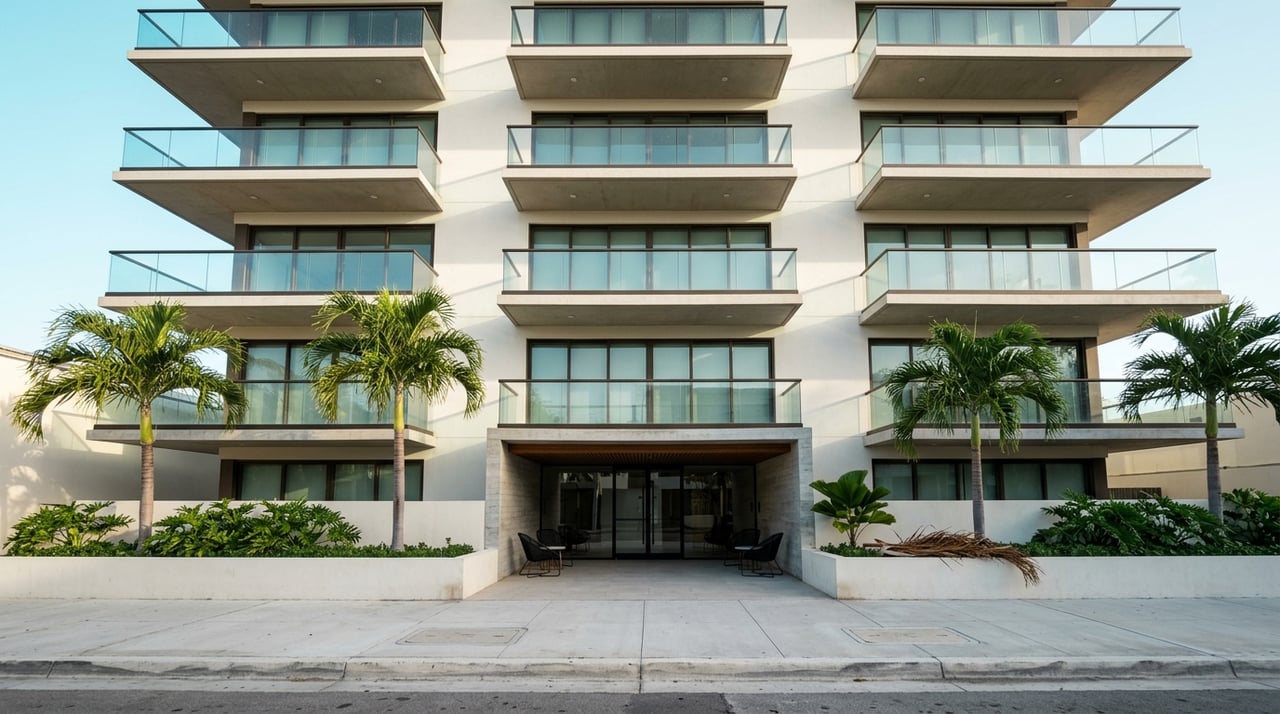
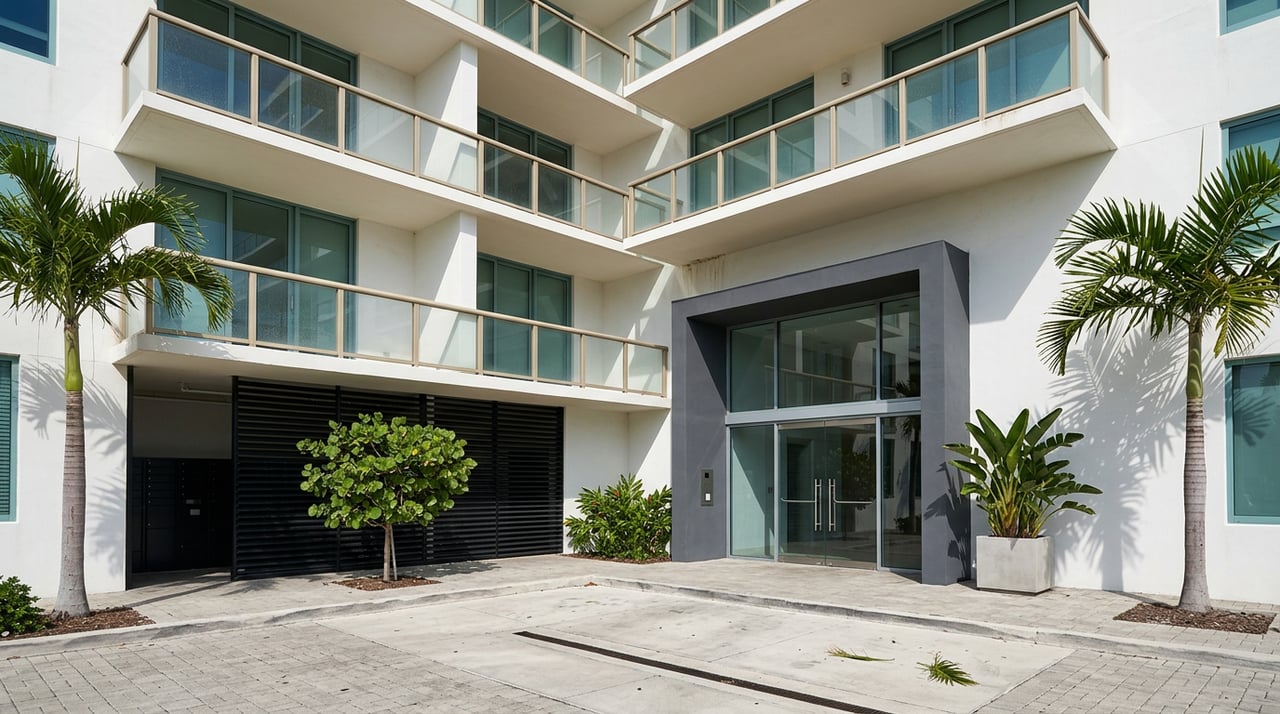
- Condominiums with 1 to 2 bedrooms can be efficient to operate and attract couples and small families. Check for HOA restrictions on short-term rentals or minimum stays.
- Larger condos and townhomes with 2 to 3 plus bedrooms can command higher nightly rates if the layout supports groups.
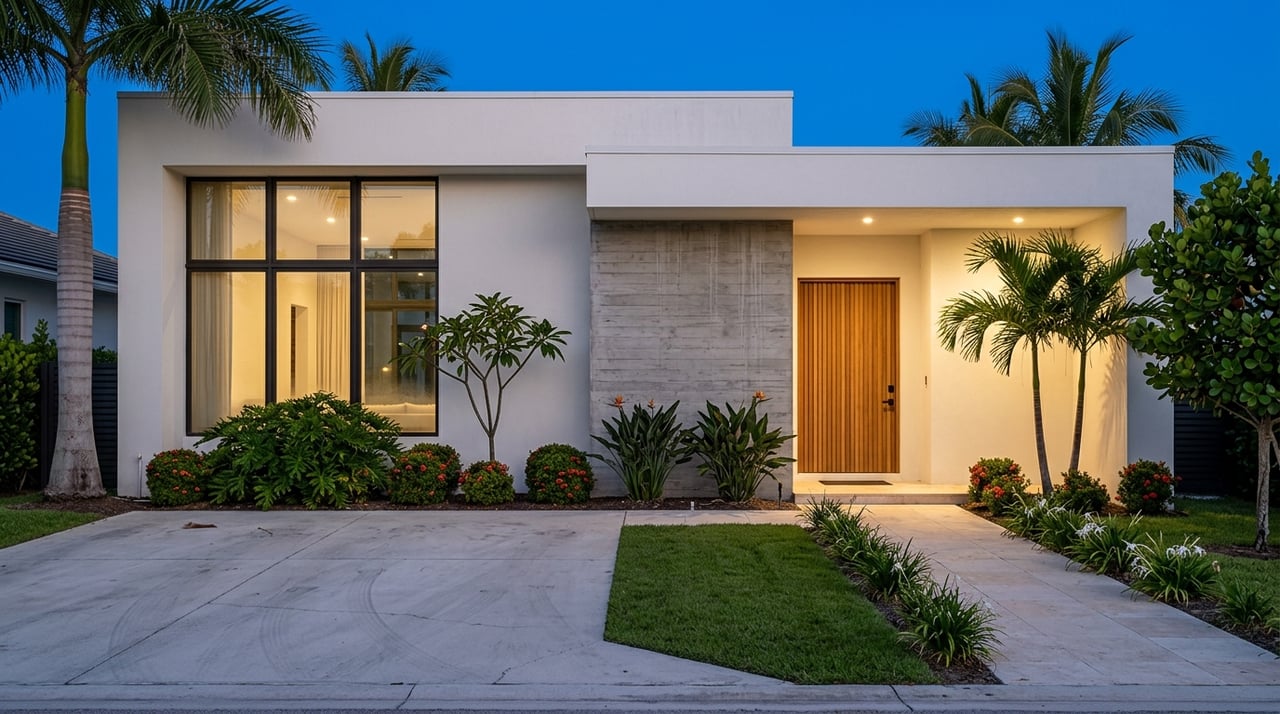
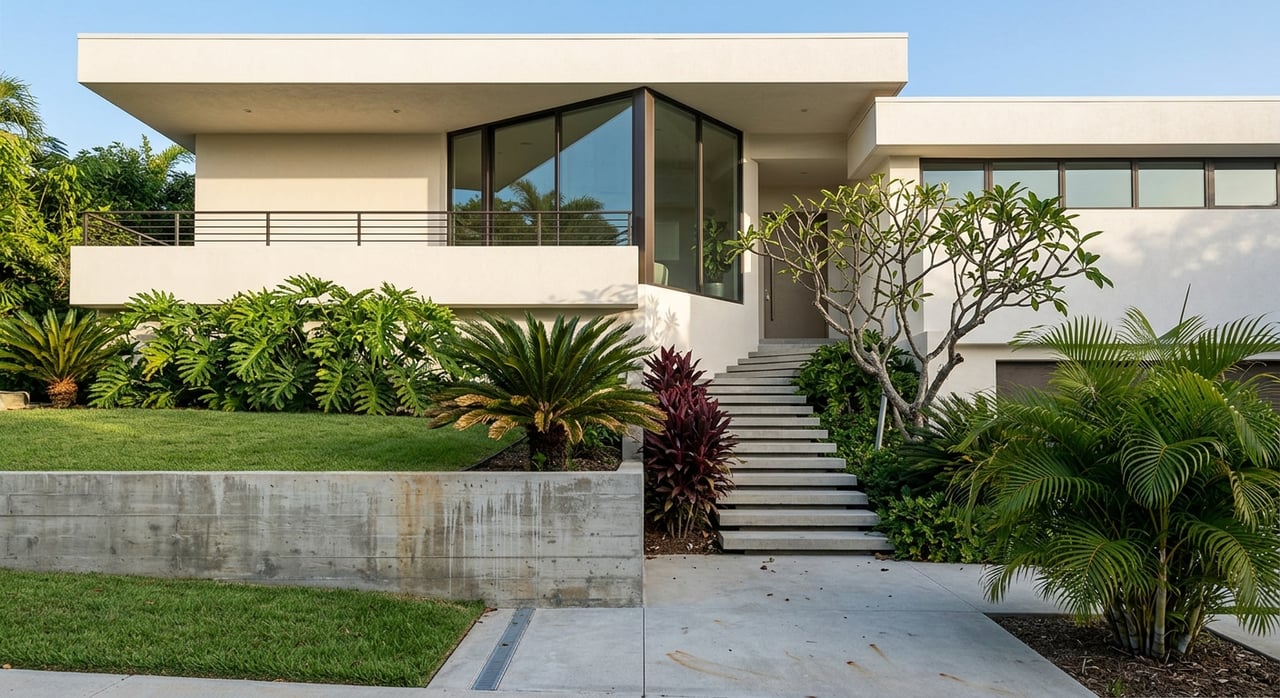
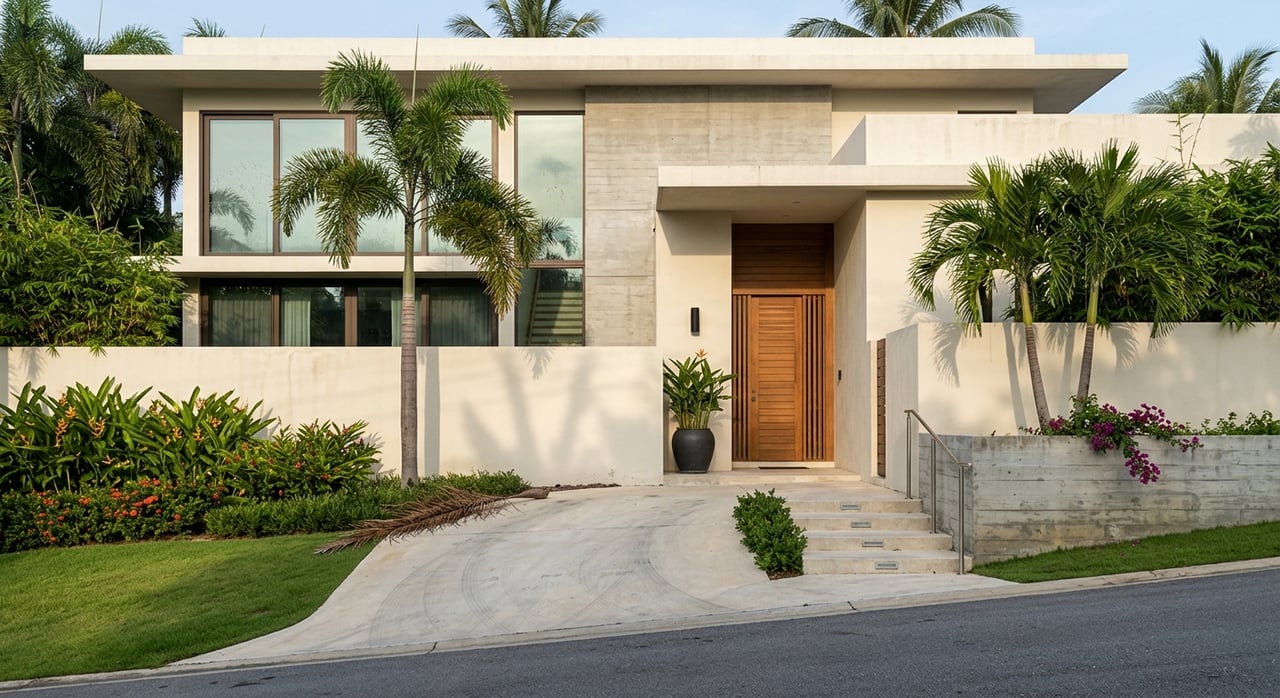
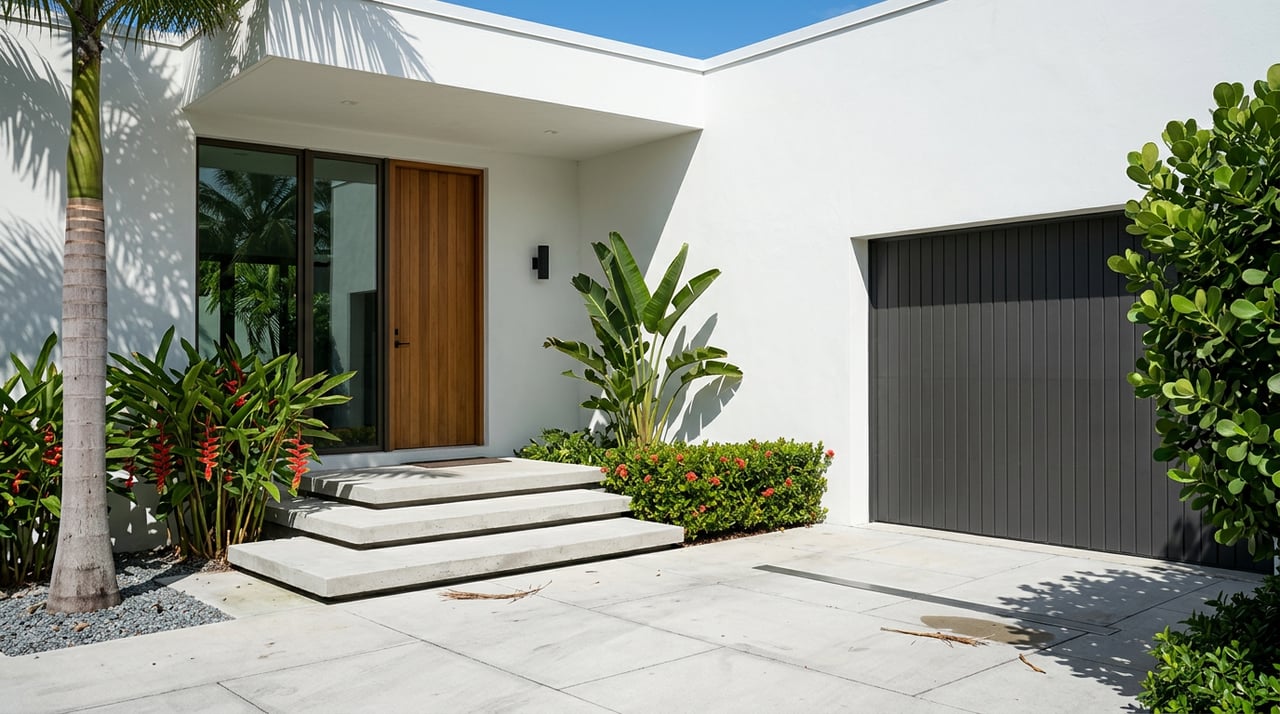
- Single-family homes and villas are strong for families and privacy seekers. They often earn a premium for outdoor space and pools, but they require more maintenance and storm prep.
- Small multi-unit buildings can diversify income across units. Confirm building-level rental policies and management complexity.
Physical attributes guests pay for
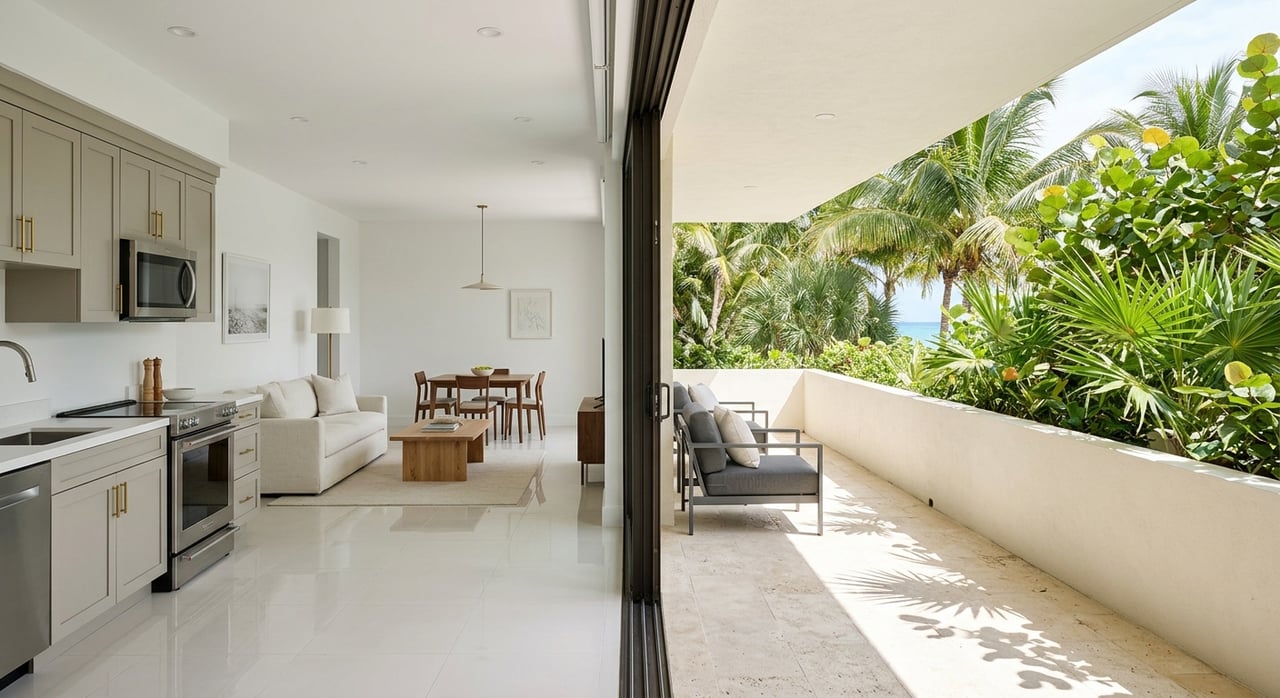
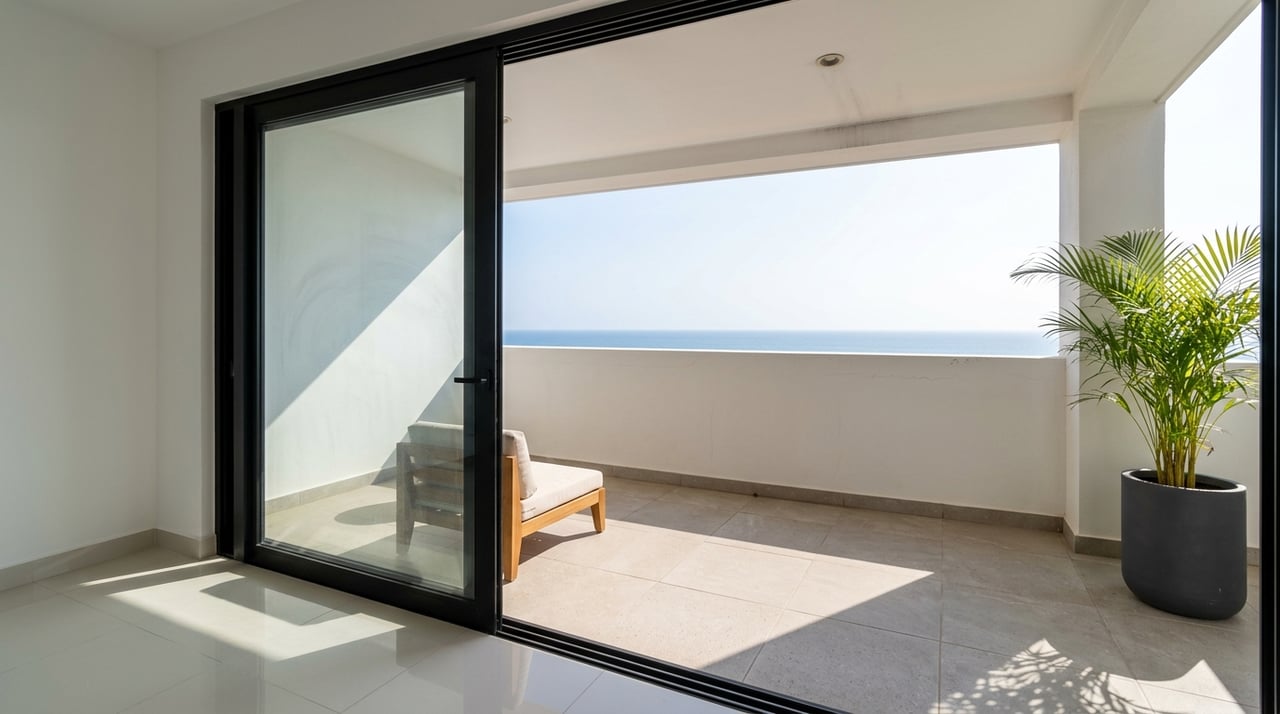
- Beach access and views. Direct or easy access and ocean views usually lift both ADR and occupancy.
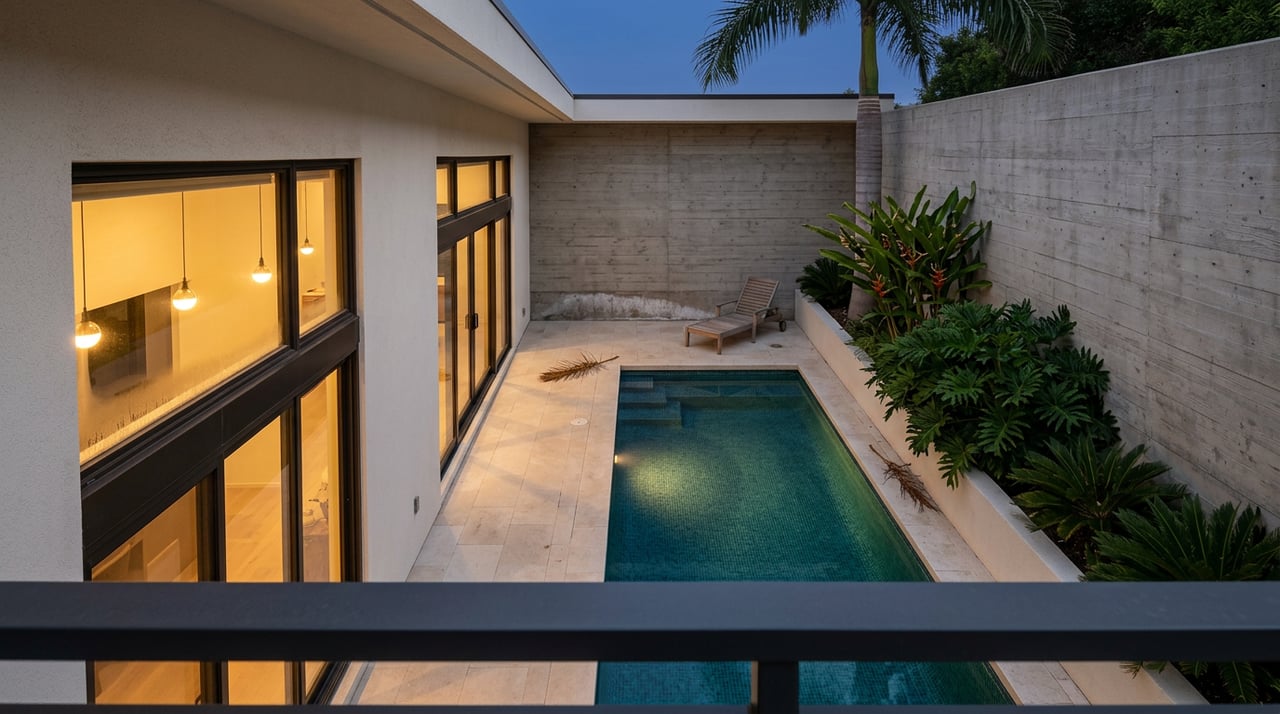
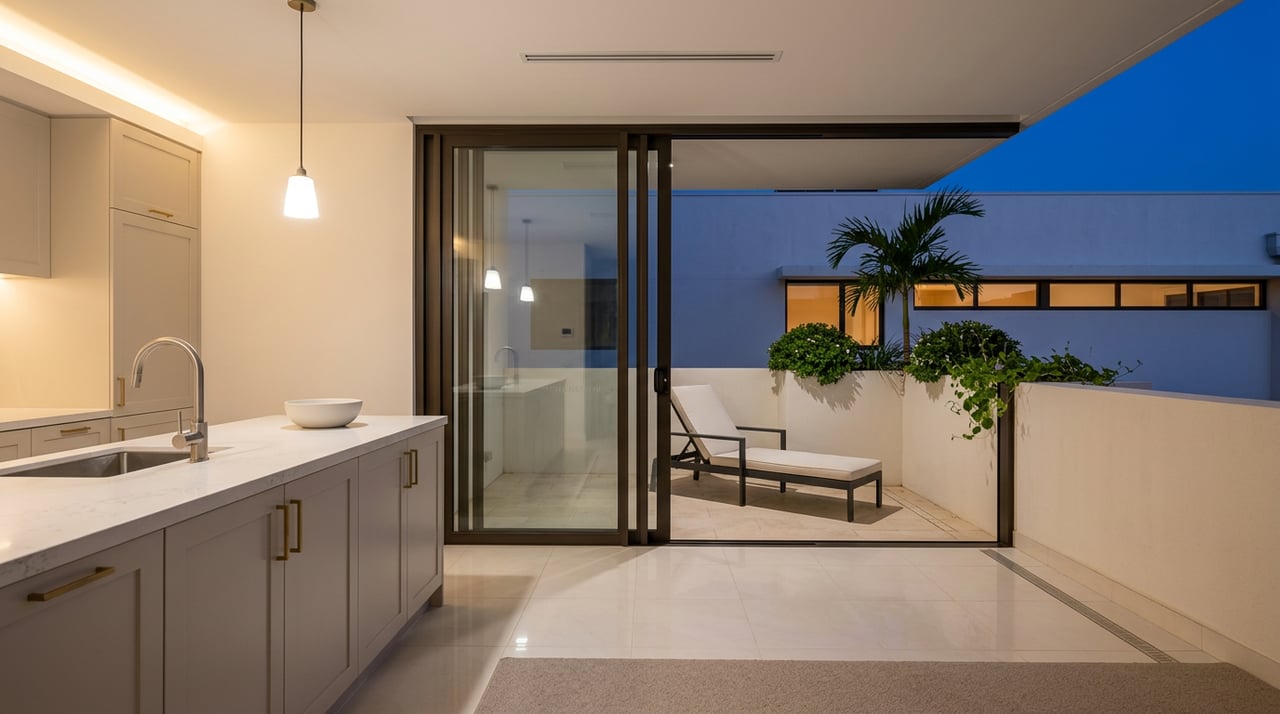
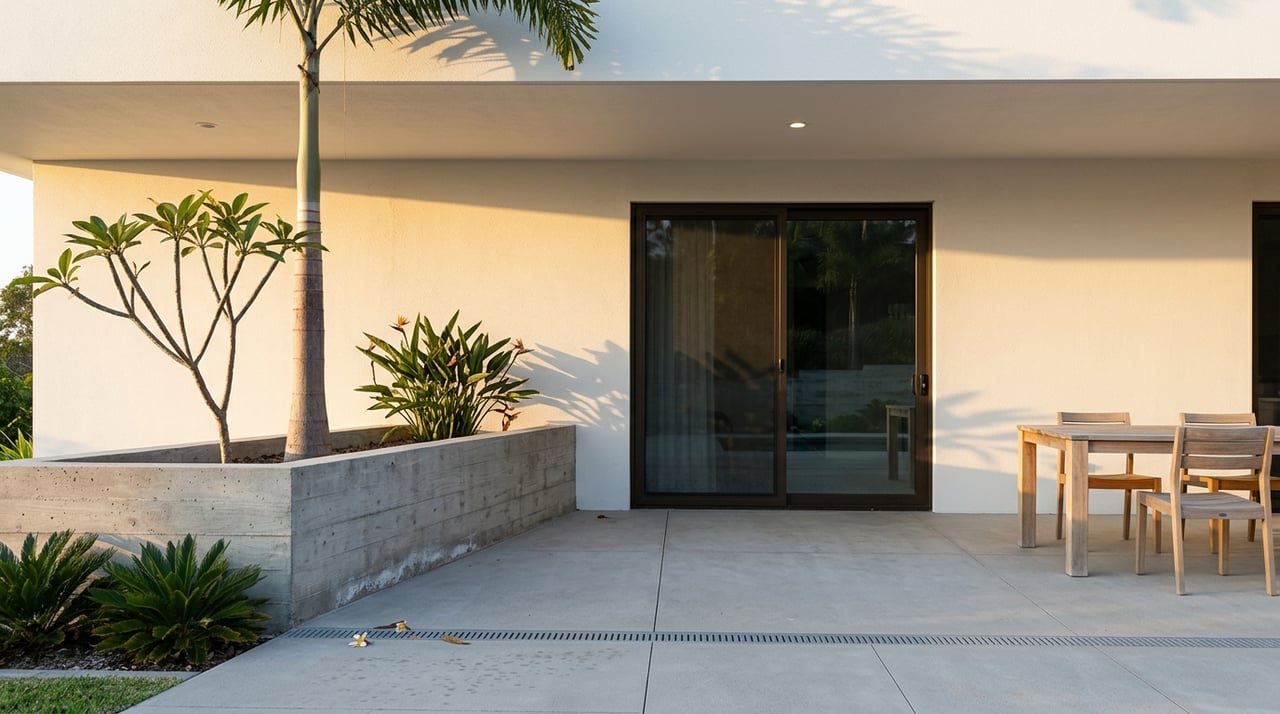
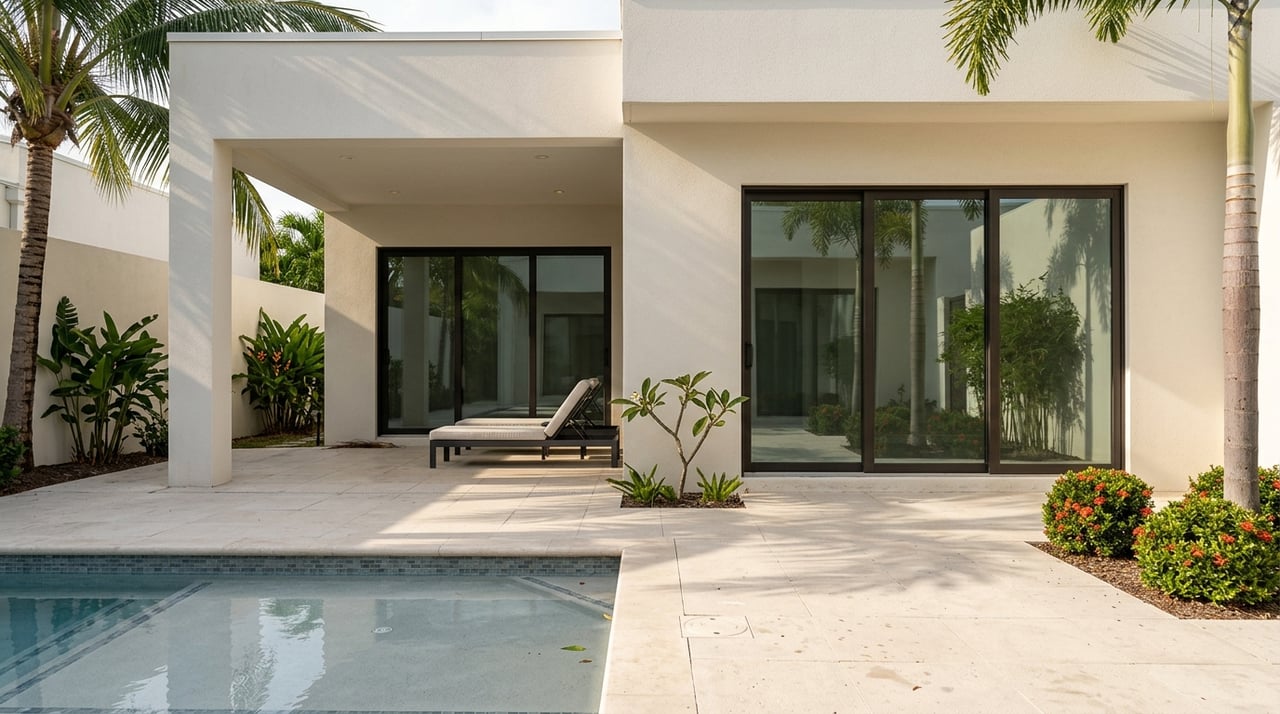
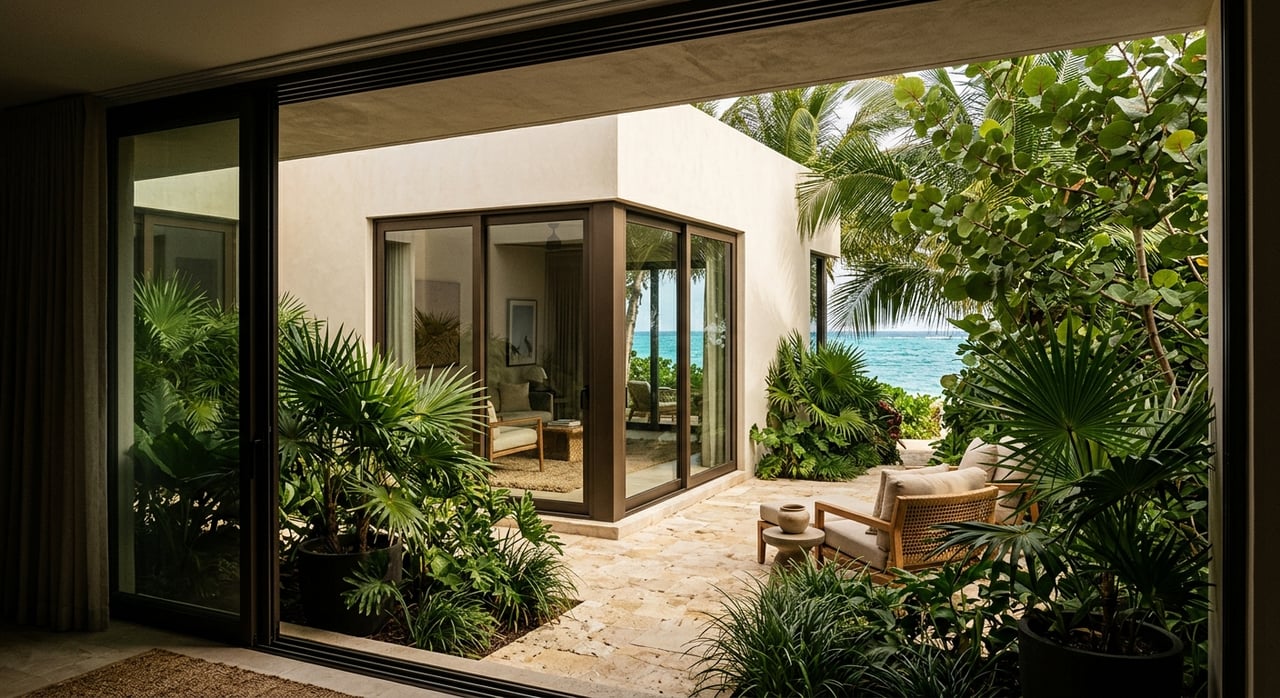
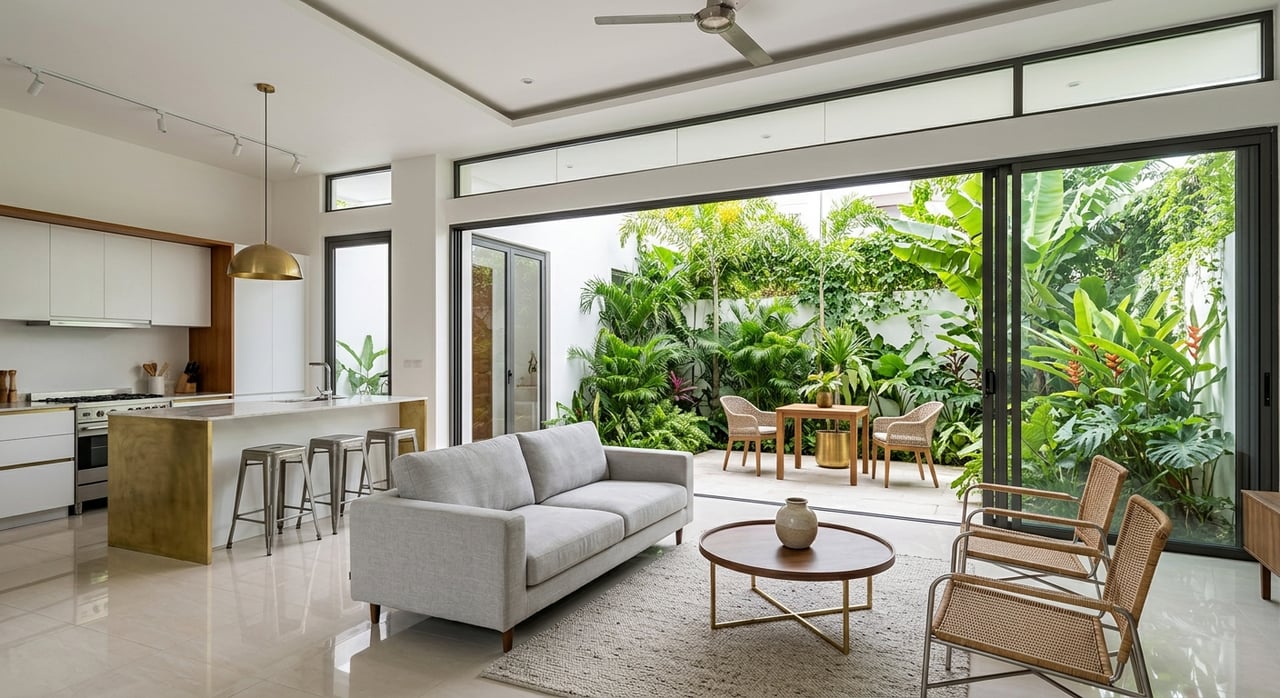
- Outdoor living. Patios, terraces, and private pools rank high in a beach market.
- Comfort basics. Air conditioning, reliable water, and hot water are must-haves in Puerto Rico.
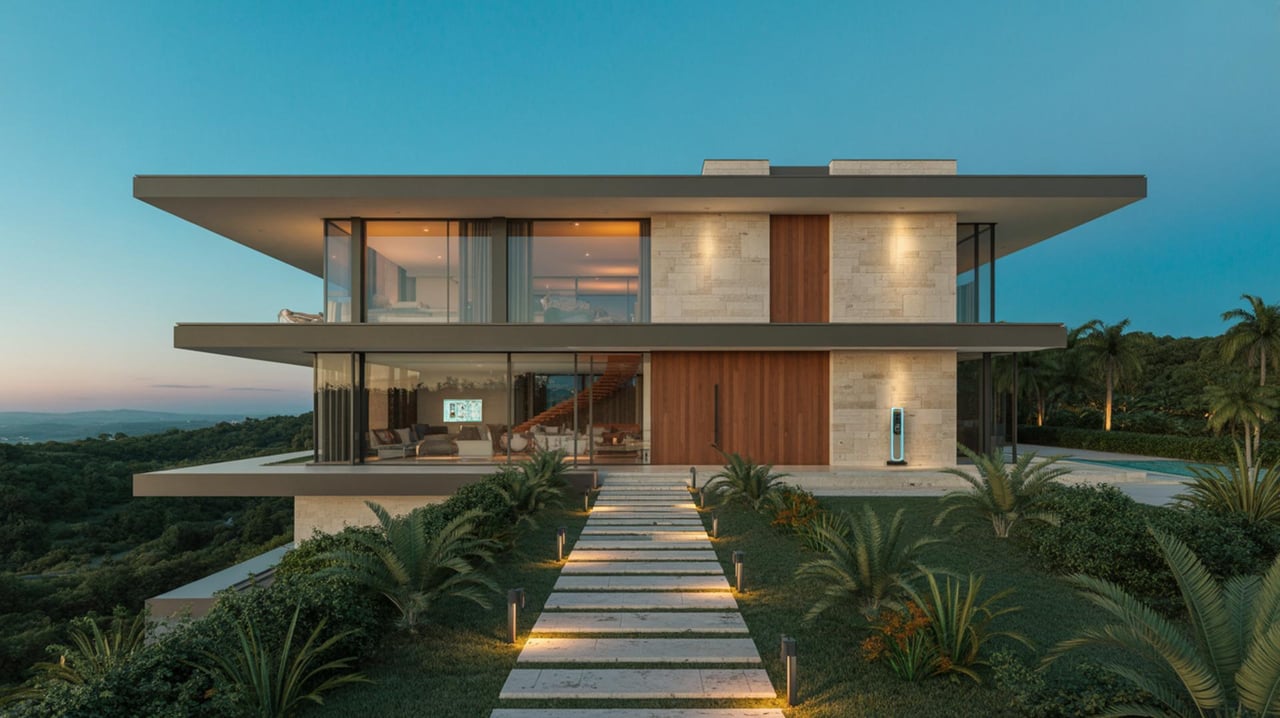
- Backup power. Generators or solar with storage set you apart and reduce cancellations when the grid is unstable.
- High-speed internet. Needed for remote workers and longer stays.
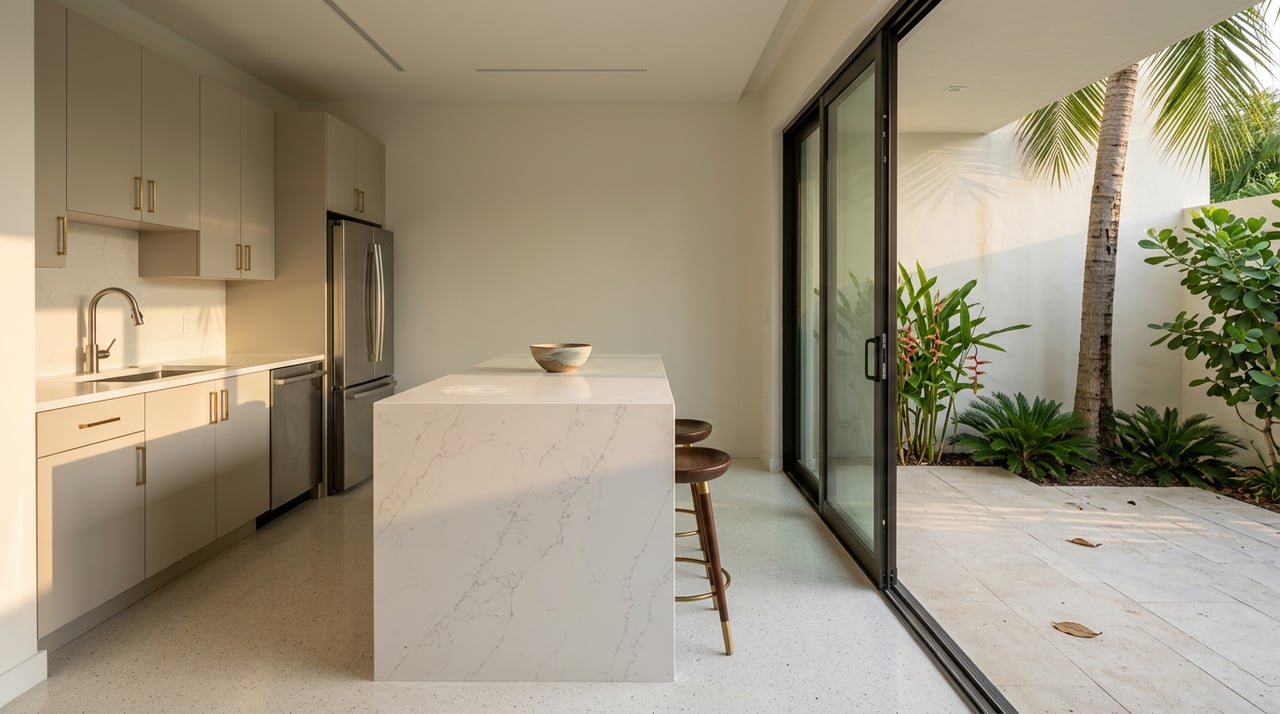
- In-unit laundry and a well-equipped kitchen. These increase appeal for families and longer bookings.
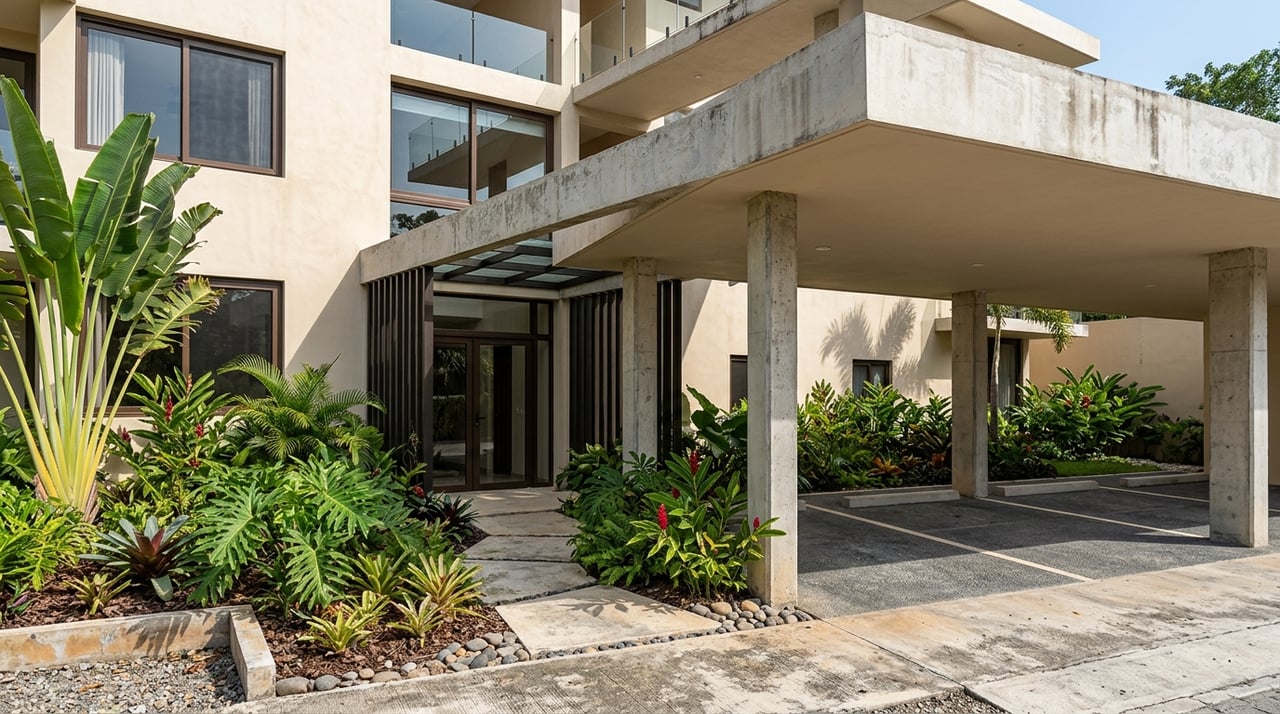
- Parking. Deeded spaces or a secure garage add value for groups and domestic travelers who drive.
Building and HOA considerations
- Rental rules. Many associations limit short-term rentals or set minimum stay rules. Always review bylaws and any pending changes.
- HOA fees and inclusions. Understand what fees cover, such as insurance, security, water, and common utilities.
- Amenities. Pools, gyms, concierge, and private beach access can push rates up, but costs may rise too.
- Reserves and assessments. Deferred maintenance or special assessments impact your net income.
Operational realities
- Property management quality. Local managers who understand Dorado’s guest profile and storm readiness are crucial.
- Competition from resorts and hotels. Resorts elevate Dorado’s brand and can lift rates, but they also compete for high-end guests. Target groups and families that prefer entire homes or condo suites.
- Insurance and maintenance. Hurricane and flood risk influence availability and cost of coverage, plus ongoing maintenance needs.
Resilience and risk in Puerto Rico
Why backup power matters
Power reliability has been a recurring issue on the island. Properties that offer dependable backup power often see fewer cancellations and better reviews. Owners also experience fewer disruptions during storms, which supports steadier occupancy and allows for stronger pricing in shoulder and low seasons.
Flood and storm exposure
Review official sources for flood zones and storm risk when you underwrite a property. Ask sellers about past storm damage and repairs. Evaluate roof condition, shuttering, and placement of mechanical systems. These items affect both guest confidence and insurance costs.
Estimate revenue and returns
Build your seasonal calendar
- Start with comparable ADR and occupancy by month for Dorado zip codes that match your micro location.
- Layer in peak, shoulder, and low seasons. Plan for more downtime during hurricane season and consider a buffer for repairs.
- Track event-driven spikes and holidays that can support premium pricing.
Run base, conservative, and optimistic cases
- Base case. Use market-average occupancy and ADR for your comp set.
- Conservative case. Trim occupancy and ADR for low season and add more downtime.
- Optimistic case. Apply higher ADRs for premium amenities like ocean views, pools, or full backup power and assume stronger peak performance.
Calculate key metrics
- Gross revenue. ADR multiplied by expected occupancy percentage and days available.
- Net operating income proxy. Gross revenue minus operating expenses, excluding financing.
- Cap rate and cash-on-cash. Use your NOI and purchase price to compare options within Dorado.
- Payback for resilience. Compare the cost of a generator or solar to the improvement in occupancy, ADR, and potential insurance benefits.
Condo vs single-family: a quick framework
Use a simple weighted score to compare a condo and a single-family home you are considering. Score each factor from 1 to 5, multiply by the weight, and add up totals out of 5.
| Factor | Weight |
|---|---|
| Market demand and location | 30% |
| Revenue potential | 20% |
| Operating costs and constraints | 15% |
| Physical attributes and appeal | 15% |
| Resilience and risk | 10% |
| Flexibility and resale | 10% |
Practical differences to expect
- Condos. Lower maintenance and shared amenities like a pool or security. Often walkable to restaurants. Watch for HOA fees and rules that limit short-term rentals.
- Single-family homes. More privacy, on-site parking, and flexibility in design and marketing. Often higher nightly rates for families and groups. Expect higher maintenance and potentially higher insurance.
Quick visit checklist
- Location. Distance to main beach access, grocery, restaurants, and the nearest PR‑22 exit.
- Access and parking. Count deeded spaces and evaluate ease and safety of access.
- Building bylaws. Confirm rental restrictions, minimum stays, and registration procedures.
- Utilities and resilience. Roof age, AC condition, and presence of a generator or solar system.
- Guest experience. Check-in method, laundry setup, kitchen quality, outdoor seating, and child-friendly features.
- Turnover logistics. Stairs or elevator access, cleaning staging, and linen storage.
- Insurance and flood exposure. Flood zone, elevation, and mitigation features.
Match the unit to the guest
- Families and groups. Look for 2 to 4 bedrooms, outdoor space, parking, and a strong kitchen and laundry setup.
- Couples and short stays. 1 to 2 bedroom condos with beach access and resort-style amenities work well.
- Medium-term stays. Smaller units near major roads and services can capture relocations and project-based tenants.
Operations that protect your reviews and revenue
Property management that fits Dorado
Interview local managers about cleaning standards, guest communication, storm protocols, and booking channels. Ask for fee structures and average turnover costs. Strong local support keeps your calendar predictable.
Marketing to the right audience
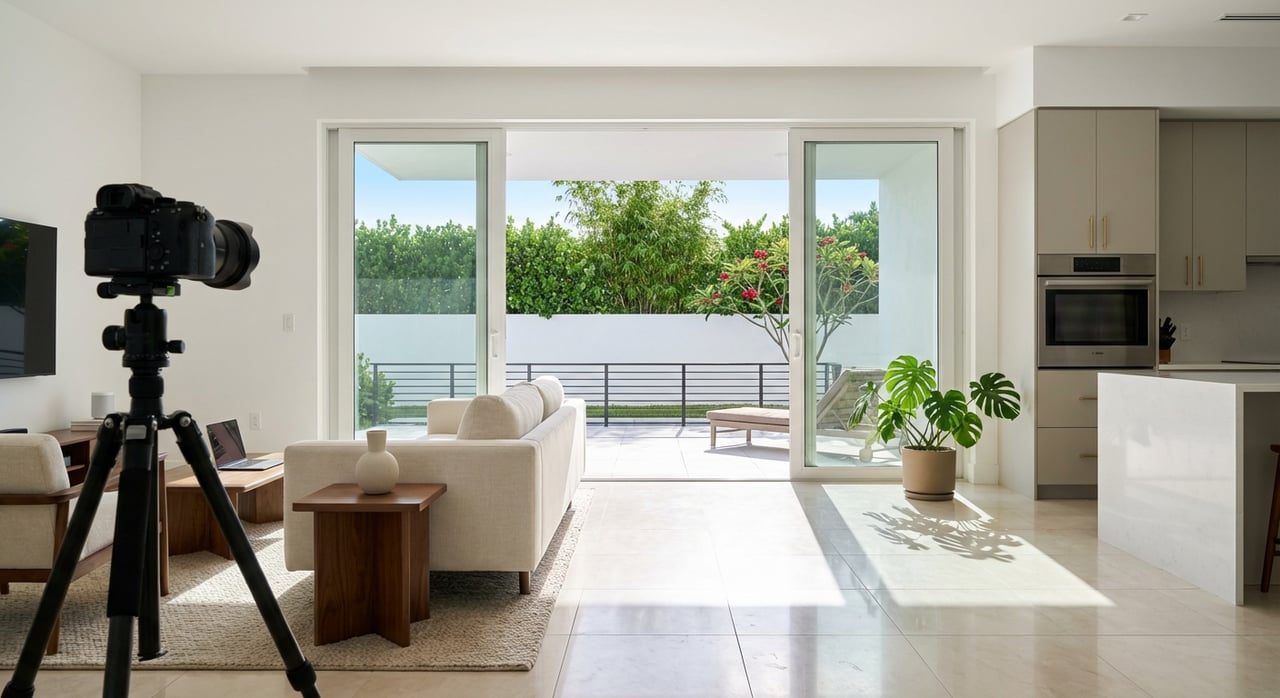
Highlight beach access, pools, backup power, parking, and high-speed internet. These features drive filters and search ranking on vacation platforms. Clear, professional photography and concise copy increase conversion.
Turnover efficiency
Set up linen storage, simple check-in, and a cleaning schedule that supports back-to-back bookings during peak months. Keep spare parts for AC and hot water systems to reduce downtime.
Avoid costly pitfalls
- Assuming STR rights. Always verify HOA and municipal requirements before underwriting income.
- Ignoring seasonality. Peak months can mask weak low-season occupancy. Plan for weather-related cancellations.
- Underestimating resilience. Skipping backup power and storm prep often costs more in lost bookings and lower reviews.
- Overlooking insurance and assessments. Quotes and assessment history can change the math quickly.
Your next steps in Dorado
- Pull month-by-month ADR and occupancy for true comparables in your target micro area. 2) Verify rental rules and registration needs. 3) Price out insurance, management, and resilience upgrades. 4) Walk each property with the checklist and score both options side by side. If you want a second set of eyes on a specific listing or a custom underwriting template, reach out to our local team at Mi Corredor. Call Javi and we will help you compare options and move forward with confidence.
FAQs
What makes Dorado attractive for rentals?
- A coastal setting with beaches, golf, and resort amenities near San Juan supports both vacation demand and weekend stays from local residents.
How does seasonality affect Dorado occupancy?
- Peak demand usually runs December through April, shoulder periods occur around spring holidays and some fall weeks, and hurricane season often brings lower occupancy and more cancellations.
Which Dorado properties earn the highest nightly rates?
- Multi-bedroom homes or condos near the beach or with a pool often command higher rates, while 1 to 2 bedroom condos with strong amenities can perform well with smaller groups.
How important is a generator or solar backup in Puerto Rico?
- Very important. Reliable backup power reduces cancellations and improves reviews, which can support stronger occupancy and pricing.
What HOA items should I confirm before buying a condo?
- Short-term rental rules, minimum stays, required registrations, fees and inclusions, amenity access, reserve funds, and any pending assessments.
How should I estimate ADR and occupancy for a Dorado listing?
- Pull data from a short-term rental analytics provider for comparable listings in the same micro area, then adjust for amenities like ocean views, pools, and backup power.
Do resorts help or hurt nearby short-term rentals in Dorado?
- Both. Resorts boost destination visibility and can lift rates, but they also compete for high-end guests. Private rentals often win with space, privacy, and group-friendly layouts.