The Complete Act 60 Puerto Rico Real Estate Guide: Property Requirements, Best Neighborhoods, and What You Need to Know
Last updated: January 2026
You're researching Act 60. Maybe you've already done the math on the tax savings—4% corporate tax, 0% on dividends, massive capital gains exemptions. The numbers are compelling.
But here's what most people miss: Act 60 isn't just about taxes. It's about property.
To qualify for these tax incentives, you need to establish bona fide residence in Puerto Rico. That means buying or leasing property that meets specific requirements, living here more than half the year, and proving to the IRS that Puerto Rico is your true home.
Get this wrong, and your tax savings disappear. Get it right, and you're looking at legitimate tax optimization that could save you hundreds of thousands—even millions—over the next decade.
As Puerto Rico's #1 real estate team by sales volume in StellarMLS for 2025, we've worked with dozens of Act 60 residents finding their Puerto Rico homes. This guide covers everything you need to know about the property side of Act 60: what qualifies, where to buy, common mistakes, and how to structure your purchase for maximum compliance and lifestyle fit.
Let's start with the basics.
What Is Act 60 Puerto Rico? (And Why Property Matters)
Act 60 (formerly Acts 20 and 22) is Puerto Rico's tax incentive program designed to attract businesses and high-net-worth individuals to the island.
The tax benefits are extraordinary:
- 4% corporate tax rate on eligible services income (vs. 21%+ on the mainland)
- 0% tax on dividends and interest from Puerto Rico sources*
- 0% tax on capital gains accrued after you become a resident*
- 100% exemption on certain Puerto Rico-sourced income
*Important 2026 Update: As of January 1, 2026, new applicants to the Individual Investor program (Chapter 2) now face a 4% tax on Puerto Rico-sourced capital gains, interest, and dividends. Existing decree holders who obtained their decrees before January 1, 2026 are grandfathered and maintain the 0% rate. The 4% rate still represents significant savings compared to mainland tax rates.
For someone with significant investment income or a location-independent business, the savings can exceed $500,000 per year.
But here's the catch: You can't just file paperwork and stay on the mainland.
The Bona Fide Residence Requirement
To qualify for Act 60 tax benefits, you must establish bona fide residence in Puerto Rico under IRS rules. This means:
- Physical presence: You must be present in Puerto Rico for at least 183 days per tax year
- Tax home: Puerto Rico must be your tax home (where your economic ties are strongest)
- Closer connection: You must have a closer connection to Puerto Rico than to any other place
The IRS looks at multiple factors to determine bona fide residence, but property is one of the most important. Specifically:
- Do you own or lease a permanent home in Puerto Rico?
- Is that home your principal residence?
- Where is your family located?
- Where are your bank accounts, driver's license, voter registration?
- Where do you spend most of your time?
Bottom line: If you want Act 60 benefits, you need a legitimate Puerto Rico home where you actually live. A vacation rental you visit twice a year won't cut it.
🏡 Ready to Find Your Act 60-Compliant Property?
We specialize in helping Act 60 residents find homes that meet IRS requirements while fitting their lifestyle. Whether you're looking for beachfront luxury, a gated community, or urban convenience, we'll help you navigate the property requirements.
Act 60 Property Requirements: What the IRS Actually Looks For
There's no official "Act 60 property checklist" published by the IRS. But based on years of guidance, case law, and what we've seen work for our clients, here's what matters:
1. Permanent vs. Temporary Housing
What qualifies:
- Owned property (single-family home, condo, townhouse)
- Long-term lease (minimum 12 months, ideally longer)
- Property suitable for year-round living
What doesn't qualify:
- Short-term vacation rentals
- Hotel stays
- Airbnbs booked month-to-month
- Guest houses or temporary accommodations
The IRS wants to see permanence. If your housing situation looks temporary, your residency claim looks weak.
2. Primary Residence vs. Secondary Home
Your Puerto Rico property must be your principal residence—not a vacation home you visit occasionally.
Evidence of principal residence:
- You spend 183+ days per year in this home
- Your mail is delivered here
- This address is on your driver's license, voter registration, bank statements
- Your personal belongings are here (not in storage on the mainland)
- Your family lives here with you (if applicable)
If you maintain a larger, more expensive home on the mainland where your spouse and kids live, the IRS will question whether Puerto Rico is really your principal residence.
3. Purchase Timing Matters
You need to establish Puerto Rico residency before you can claim Act 60 benefits.
Typical timeline:
- Before moving: Secure property (purchase or lease)
- Day 1: Move to Puerto Rico, establish physical presence
- First 2 weeks: Get Puerto Rico driver's license, register to vote
- First 30 days: Open local bank account, update address everywhere
- Within 90 days: File Act 60 application (Note: Processing takes 6-12 months from application to decree approval)
- Tax year 1: Ensure you meet 183-day presence requirement
Some people buy property months before moving. Others lease first, then buy after they're settled. Both can work—the key is that you need a qualifying property before you claim residency.
Important for Individual Investors (Chapter 2): If you're applying under the Individual Investor program, you must purchase real property in Puerto Rico for use as your principal residence within two years of receiving your tax decree grant. The property must be owned by you (sole owner or together with your spouse). While you can lease initially, ownership is required within this two-year window to maintain your Act 60 benefits.
4. Proof of Presence
The IRS doesn't just take your word that you lived in Puerto Rico 183+ days. You need documentation:
- Utility bills in your name at your Puerto Rico address
- Credit card statements showing Puerto Rico purchases
- Travel records (flight manifests, passport stamps)
- Phone records showing Puerto Rico usage
- Photos, social media showing you in Puerto Rico regularly
- Subscriptions, memberships (gym, clubs) in Puerto Rico
Your property is the anchor, but you need to show you actually lived there.
⚠️ Common Mistake: The "Fake Residence"
Some people think they can lease a cheap apartment in Puerto Rico, visit occasionally, and claim Act 60 benefits while actually living in Miami or New York.
This doesn't work. The IRS has seen this scheme before. If you're audited and can't prove genuine residence, you'll owe back taxes, penalties, and interest on every dollar you tried to shelter. We're talking six-figure mistakes.
The solution: Commit to actually living in Puerto Rico. Buy or lease a property you'll genuinely use as your primary home. The tax savings are real, but only if you play by the rules.
Best Neighborhoods for Act 60 Residents in Puerto Rico
You need a property that meets IRS requirements. But you also need a property where you'll actually want to live 183+ days per year.
After working with dozens of Act 60 buyers, here are the neighborhoods that consistently win for different lifestyles:
San Juan Metro: Urban Luxury + Convenience
If you want walkable neighborhoods, restaurants, culture, and easy airport access, San Juan is your best bet.
Condado
Best for: Urban professionals who want beach + city lifestyle
Condado is Puerto Rico's most cosmopolitan neighborhood. You get:
- Beachfront living with Condado Beach steps away
- Walkable to 100+ restaurants, bars, shops
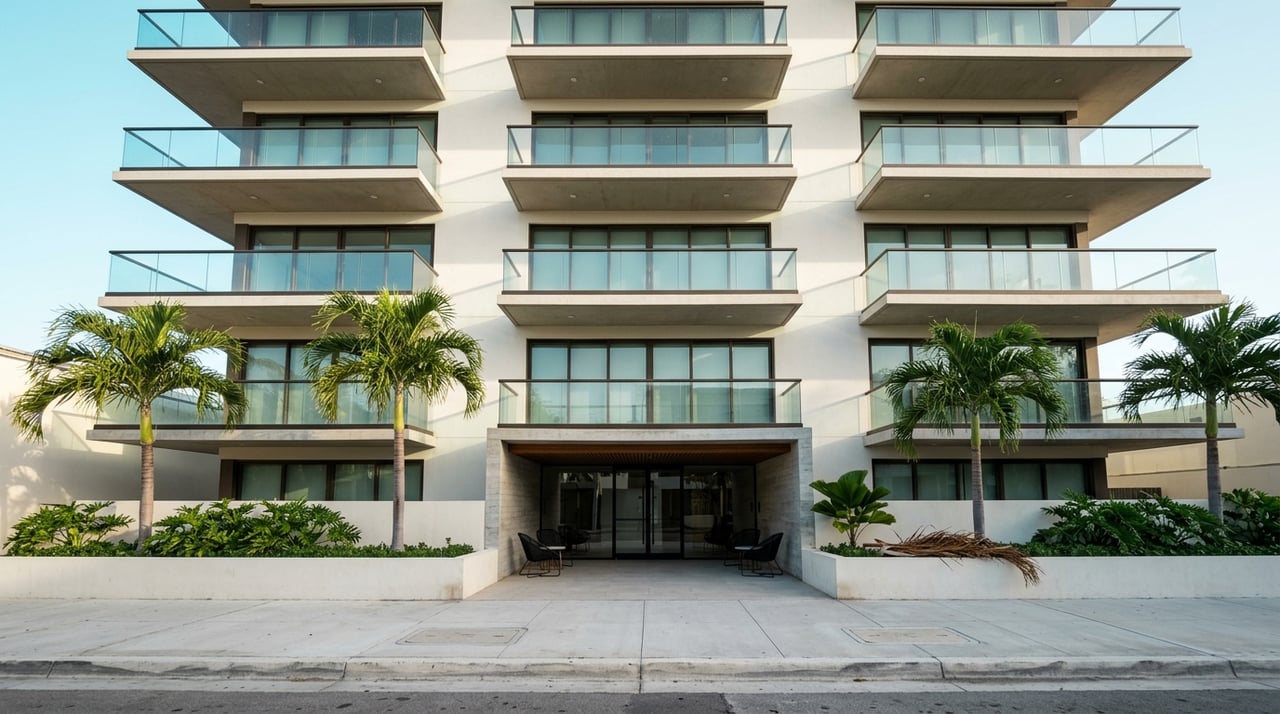
- Luxury high-rise condos with resort amenities
- 15 minutes to Luis Muñoz Marín Airport
- Strong expat community (easy to meet other Act 60 residents)
Price range: $400K-$3M+ for luxury condos
Property type: Mostly high-rise condos, some boutique buildings
Isla Verde
Best for: Frequent travelers who prioritize airport proximity
Isla Verde offers:
- 5 minutes to the airport (critical if you're still traveling regularly)
- Beautiful beach (some say better than Condado)
- Resort-style living with casinos, hotels, nightlife
- Slightly more touristy than Condado but very convenient
Price range: $350K-$2.5M
Property type: Beachfront condos, some single-family homes
Ocean Park
Best for: Buyers who want neighborhood feel, not high-rises
Ocean Park is more residential:
- Quieter than Condado/Isla Verde
- Mix of single-family homes and low-rise buildings
- Still walkable to beach and restaurants
- Popular with families and remote workers
Price range: $800K-$2M+ for single-family homes (median prices exceed $1.6M)
Property type: Single-family homes, some small condo buildings
Old San Juan
Best for: History lovers who want unique architecture
Old San Juan is Puerto Rico's historic heart:
- Colorful colonial buildings (16th-18th century)
- Cobblestone streets, historic forts, museums
- Vibrant restaurant and arts scene
- Very walkable (no car needed)
- Tourist-heavy during the day, quieter at night
Price range: $400K-$2M+ (renovated colonials command premium)
Property type: Historic homes, some converted condos
West Coast: Luxury Gated Living
If you want resort-style amenities, golf, and a more suburban feel, look west.
Dorado Beach
Best for: Ultra-high-net-worth buyers wanting the best of the best
Dorado Beach is Puerto Rico's most exclusive address:
- Ritz-Carlton Reserve (5-star resort and residences)
- World-class golf (designed by Robert Trent Jones)
- Private beaches, spa, restaurants
- 30 minutes to San Juan, but feels worlds away
- Many Act 60 residents here (hedge fund managers, crypto entrepreneurs)
Price range: $2M-$10M+ (some homes exceed $20M)
Property type: Luxury single-family estates, resort residences
Dorado del Mar
Best for: Families wanting gated security + good schools nearby
Just south of Dorado Beach, more accessible pricing:
- Gated community with golf course
- Beach club access
- Mix of homes and condos
- Strong family community, good schools in area
Price range: $600K-$2M
Property type: Single-family homes, townhouses, some condos
East Coast: Caribbean Resort Living
Palmas del Mar (Humacao)
Best for: Buyers who want full-service resort community
Puerto Rico's largest gated community:
- 2,700+ acres with 2 golf courses
- Marina, tennis club, equestrian center, beach club
- Mix of permanent residents and vacation homes
- 45 minutes to San Juan (further than most prefer, but worth it for some)
- Strong international community
Price range: $400K-$3M+
Property type: Single-family homes, villas, condos
Rio Mar (Rio Grande)
Best for: Golf lovers who want rainforest + beach
Rio Mar offers unique combo:
- 2 championship golf courses
- Adjacent to El Yunque rainforest
- Beach access
- Wyndham resort on property
- 30 minutes to San Juan
Price range: $500K-$2M+
Property type: Homes, villas, condos
Which Neighborhood Is Right for You?
| Neighborhood | Best For | Price Range | Lifestyle |
|---|---|---|---|
| Condado | Urban professionals | $400K-$3M | Beach + city, walkable, high-rise living |
| Isla Verde | Frequent travelers | $350K-$2.5M | 5 min to airport, resort feel |
| Dorado Beach | Ultra-high-net-worth | $2M-$10M+ | Exclusive, golf, resort amenities |
| Palmas del Mar | Families, golf lovers | $400K-$3M | Gated resort community, lots of amenities |
| Ocean Park | Families, quieter vibe | $800K-$2M+ | Residential, still walkable to beach |
🗺️ Not Sure Which Area Fits Your Act 60 Goals?
Every buyer is different. Some want urban energy, others want gated privacy. Some travel constantly (airport proximity matters), others are settling down (schools matter).
We'll walk you through each area based on your specific needs: budget, lifestyle, family situation, and how much time you'll actually spend in Puerto Rico vs. traveling.
Act 60 Property Purchase Timeline: What to Expect
Buying property in Puerto Rico as an Act 60 resident follows a specific sequence. Here's the realistic timeline:
Phase 1: Pre-Move Research (2-6 months before relocating)
What you should do:
- Research neighborhoods (read guides like this one)
- Determine budget and property type
- Consult with Act 60 attorney and CPA (you need these professionals)
- Start property search online
- Plan a property tour trip to Puerto Rico (see 10-15 properties in 2-3 days)
Timeline: 2-6 months before your planned move date
Common mistake: Waiting until the last minute. If you want Act 60 benefits for tax year 2026, you need to establish residency early in 2026. That means finding property in late 2025 or early 2026.
Phase 2: Property Search + Purchase (1-3 months)
Typical sequence:
- Property tours: See properties in person (1-2 trips, 2-3 days each)
- Make offer: Once you find the right property
- Purchase agreement: Negotiate terms, price, inclusions
- Due diligence: Inspection, title search, survey (2-4 weeks)
- Closing: Final paperwork and funds transfer
Timeline: 1-3 months from first tour to closing
Puerto Rico-specific considerations:
- Attorney required: Puerto Rico law requires an attorney for all real estate transactions
- Slower process: Closings take longer than mainland (expect 45-60 days)
- Title issues: Puerto Rico has complex title history; thorough title search is critical
- Financing: If you need a mortgage, local banks can be slower than mainland lenders
Phase 3: Move + Establish Residency (Day 1 of residency)
Within first 2 weeks:
- Move into your Puerto Rico property
- Get Puerto Rico driver's license
- Register to vote in Puerto Rico
- Cancel mainland driver's license and voter registration
Within first 30 days:
- Open Puerto Rico bank account
- Update address with all financial institutions
- Set up utilities in your name
- Update address with IRS, Social Security, etc.
Within 90 days:
- File Act 60 application with Puerto Rico government (processing typically takes 6-12 months)
- File tax decree request
Throughout year 1:
- Track your days in Puerto Rico (must hit 183+ days)
- Build evidence of Puerto Rico presence (receipts, bills, photos)
- Establish Puerto Rico as your tax home
Phase 4: First Tax Year Filing
April of year 2:
- File Puerto Rico tax return
- File U.S. tax return (Form 1040, Schedule D, Form 8898)
- Prove bona fide residence (Form 8898 specifically)
If you've done everything correctly, you'll pay drastically lower taxes on your year 1 Puerto Rico-sourced income.
⏰ Timeline Mistake: Starting Too Late
Let's say you want Act 60 benefits for 2026. You need to:
- Establish residency by early 2026 (ideally January or February)
- Live in Puerto Rico 183+ days during 2026
- Have your Act 60 application filed within 90 days of moving
If you start looking for property in November 2026, you've missed almost the entire year. You won't qualify for 2026 benefits.
The solution: Start your property search 3-6 months before you want to establish residency. If you want 2026 benefits, start looking in late 2025.
Common Act 60 Property Mistakes (And How to Avoid Them)
After helping dozens of Act 60 buyers, here are the mistakes I see most often:
Mistake #1: Buying Before Understanding the Commitment
The scenario: Buyer falls in love with a $2M ocean-view condo in Condado. Closes on the property. Spends 6 weeks in Puerto Rico and realizes they hate the humidity, miss their friends, and can't handle the island pace.
The problem: Act 60 requires 183+ days per year. If you can't stand being in Puerto Rico that long, the tax benefits don't matter.
The solution: Rent first. Spend at least 1-2 months in Puerto Rico before buying. Try different neighborhoods. Experience the rainy season (May-November). Make sure you can actually live here before committing to a property purchase.
Mistake #2: Choosing Property for Investment Returns, Not Livability
The scenario: Buyer purchases a cheap condo in a less desirable area because "the price per square foot is great." Visits twice. Otherwise, it sits empty.
The problem: The IRS requires your Puerto Rico property to be your principal residence. If you're not actually living there, you're not establishing bona fide residence. If audited, you lose Act 60 benefits.
The solution: Buy a property you'll actually want to live in 183+ days per year. Yes, it might be more expensive. But the Act 60 tax savings are so substantial that overpaying $200K for the right home is still a better deal than buying the wrong property and losing your tax benefits.
Mistake #3: Maintaining a Larger Home on the Mainland
The scenario: Buyer keeps their $5M home in California and buys a $1M condo in San Juan. Spouse and kids stay in California. Buyer splits time between both.
The problem: The IRS looks at where your "closer connection" is. If your family, larger home, and most of your time are still on the mainland, the IRS will argue Puerto Rico isn't your principal residence.
The solution: To make Act 60 work, your Puerto Rico home needs to be your primary home. If you keep a mainland property, it should be smaller, used less frequently, and clearly secondary. Better yet: sell the mainland home and commit fully to Puerto Rico.
Mistake #4: Short-Term Leases Instead of Purchase or Long-Term Lease
The scenario: Buyer leases a property month-to-month or on a 6-month lease, planning to "see how it goes."
The problem: The IRS wants to see permanence. A short-term lease signals you're not really committed to Puerto Rico as your home.
The solution: If you're not ready to buy, that's fine. But sign at least a 12-month lease (ideally longer). This signals to the IRS that you're establishing a permanent home, not just trying out Puerto Rico.
Mistake #5: Buying Without Understanding HOA Rules
The scenario: Buyer purchases a luxury condo. Later discovers the building doesn't allow short-term rentals, which they were counting on to offset costs when traveling.
The problem: Many luxury buildings in Puerto Rico have strict HOA rules about rentals, renovations, pets, noise. If you violate them, you face fines or forced sale.
The solution: Review HOA documents thoroughly before buying. Understand restrictions on rentals, renovations, and use. If the building doesn't fit your plans, walk away.
Mistake #6: Not Budgeting for Hurricane Insurance and Maintenance
The scenario: Buyer focuses on purchase price, doesn't account for annual insurance ($8K-$15K+ for coastal properties) and HOA fees ($500-$1,500/month for luxury buildings).
The problem: Puerto Rico properties—especially coastal—have high insurance costs due to hurricane risk. Total carrying costs can be $30K-$50K+ per year beyond your mortgage.
The solution: Before making an offer, calculate total annual costs:
- Mortgage payment
- Property tax (relatively low in PR, but not zero)
- HOA fees (if applicable)
- Hurricane/windstorm insurance
- Flood insurance (if in flood zone)
- Maintenance reserve
- Utilities
Make sure the total annual cost fits your budget comfortably.
✅ Avoiding These Mistakes: Work with Act 60 Specialists
Generic real estate agents don't understand the Act 60 residency requirements. They'll show you properties based on price and location, not IRS compliance.
We specialize in Act 60 buyers. We understand:
- What the IRS looks for in bona fide residence
- Which properties and neighborhoods work best for different Act 60 situations
- How to structure your purchase for maximum compliance
- Common mistakes and how to avoid them
Financing Your Act 60 Property: Mortgage Options
Many Act 60 buyers pay cash. But if you need financing, here are your options:
Option 1: Puerto Rico Local Banks
Main lenders: Banco Popular, FirstBank, Oriental Bank
Pros:
- Familiar with Puerto Rico properties and title issues
- Established relationships with local attorneys and title companies
Cons:
- Slower processing than mainland (60-90 days)
- Higher interest rates than mainland (6.5-8.5% typical in 2026)
- More documentation required
- May require larger down payments (20-30%)
Option 2: U.S. Mainland Banks
Some mainland banks (Wells Fargo, Chase, Bank of America) will lend on Puerto Rico properties, but policies vary.
Pros:
- Potentially better rates
- Faster processing if you have existing relationship
Cons:
- Many mainland banks won't lend on Puerto Rico properties at all
- Those that do often treat it as a "second home" even if it's your primary residence
- May require larger down payment
Option 3: Cash Purchase
If you have liquidity, cash offers significant advantages:
- Faster closing: 30 days vs. 60-90 with mortgage
- Stronger negotiating position: Sellers prefer cash buyers
- No financing contingency: Less risk of deal falling through
- Lower closing costs: No loan origination fees, appraisals, etc.
Given that Act 60 buyers are typically high-net-worth, cash purchases are common.
Typical Down Payment Expectations
- Primary residence: 10-20% down (if local lender, good credit)
- Second home: 20-30% down
- Investment property: 25-35% down
- Luxury properties ($1M+): 30-40% down or cash only
Property Tax Considerations for Act 60 Residents
Good news: Property taxes in Puerto Rico are relatively low compared to many U.S. states.
Puerto Rico Property Tax Rates
Typical rates: 8.03% to 11.83% of the assessed value
Wait—that sounds high. Here's the key: assessed value is much lower than market value.
Puerto Rico assesses properties at a percentage of market value (often 50-70%). So a $1M property might be assessed at $500K-$700K.
Example calculation:
- Market value: $1,000,000
- Assessed value (assume 60%): $600,000
- Tax rate: 10%
- Annual property tax: $600,000 × 10% = $60,000... wait, no.
Actually, Puerto Rico's rate is 8-11% of the assessed value divided by 100.
So: $600,000 × 10% = $60,000 ÷ 100 = $600/year
Real example: A $1M property in Condado might have annual property tax of $3,000-$5,000.
Compare that to California, New York, or New Jersey where the same property could be $15,000-$25,000+ per year.
Act 60 Property Tax Benefits
Under certain Act 60 programs, you may qualify for additional property tax breaks. Consult with your Act 60 attorney and CPA to understand what applies to your situation.
Hurricane Considerations: Insurance and Property Selection
Puerto Rico is in the Atlantic hurricane zone. This affects both property selection and insurance costs.
Hurricane Insurance Costs
Typical annual costs:
- Inland property: $2,000-$5,000/year
- Coastal condo: $5,000-$10,000/year
- Beachfront property: $10,000-$20,000+/year
Flood insurance (separate from windstorm) adds another $500-$3,000+/year depending on flood zone.
Hurricane-Resistant Property Features
When shopping for Act 60 property, look for:
- Concrete construction (most buildings in PR, but verify)
- Hurricane shutters or impact windows
- Backup generator (power outages can last weeks after major storms)
- Elevated construction (above flood zones)
- Recently built or renovated (post-Hurricane Maria 2017 code requirements are stricter)
Post-Hurricane Maria Reality
Hurricane Maria (September 2017) was catastrophic for Puerto Rico. Some areas took 6-12 months to restore power.
Lessons learned:
- Backup power is not optional
- Newer buildings fared much better than older construction
- Some areas flood even when not directly hit by hurricane
- Access to supplies, fuel, medical care can be difficult for weeks after a major storm
For Act 60 residents: This is part of living in Puerto Rico. Most residents who've been through storms say it's manageable with proper preparation, but it's not nothing. Factor this into your decision.
How MiCorredor.com Helps Act 60 Buyers
As the #1 real estate team in Puerto Rico by sales volume (StellarMLS 2025), we specialize in helping Act 60 residents find properties that meet IRS requirements while fitting their lifestyle and budget.
What Makes Us Different
1. We Understand Act 60 Requirements
Most real estate agents don't understand bona fide residence rules. We do. We'll help you:
- Identify properties that support your residency claim
- Understand timing (when to buy relative to establishing residency)
- Avoid properties or situations that could jeopardize Act 60 compliance
2. We Know the Act 60 Community
We've worked with dozens of Act 60 buyers. We know:
- Which neighborhoods have the strongest Act 60 communities
- Where to find other crypto entrepreneurs, hedge fund managers, digital nomads
- Which buildings and communities are Act 60-friendly
3. We Provide End-to-End Support
Buying property in Puerto Rico as a non-resident can be complex. We guide you through:
- Property search and tours (we'll show you 10-15 properties in 2-3 days)
- Attorney and CPA referrals (you need Puerto Rico professionals who understand Act 60)
- Purchase negotiation and due diligence
- Closing process (navigating Puerto Rico's slower, more complex system)
- Post-closing support (utilities, insurance, property management if needed)
4. We're Act 60 Residents Ourselves
We've been through the process. We understand the challenges, the timeline, the IRS requirements. We're not just selling you property—we're helping you make a successful transition to Puerto Rico residency.
Our Act 60 Buyer Process
Step 1: Initial Consultation (Free, 30-45 minutes)
We discuss:
- Your Act 60 timeline and goals
- Budget and financing approach
- Lifestyle preferences (urban vs. gated, beach vs. golf, etc.)
- Family situation (schools, if relevant)
- Property requirements for IRS compliance
Step 2: Property Search and Tours
We curate a list of properties that match your criteria and schedule in-person tours. Most buyers see 10-15 properties over 2-3 days.
Step 3: Offer and Negotiation
Once you find the right property, we help you structure a competitive offer and negotiate terms.
Step 4: Due Diligence and Closing
We coordinate with attorneys, title companies, inspectors, and lenders to ensure a smooth closing.
Step 5: Post-Closing Support
We help you set up utilities, connect with property managers (if needed), and introduce you to the local Act 60 community.
Ready to Find Your Act 60 Property?
Act 60 offers extraordinary tax benefits—but only if you get the property piece right.
Whether you're just starting to research or ready to schedule property tours, we're here to help.
Schedule your free Act 60 property consultation:
- ✓ Discuss your Act 60 timeline and goals
- ✓ Review neighborhood options for your lifestyle
- ✓ Understand property requirements for IRS compliance
- ✓ Get referrals to Act 60 attorneys and CPAs
- ✓ Plan your property tour trip
Frequently Asked Questions: Act 60 and Real Estate
Do I need to buy property or can I lease?
You can lease. The IRS doesn't require you to own property—just that you have a permanent home in Puerto Rico that serves as your principal residence.
However:
- The lease should be long-term (12+ months minimum)
- The property must be suitable for year-round living (not a vacation rental)
- You must actually live there 183+ days per year
Most Act 60 residents eventually buy because:
- Ownership signals stronger permanence to the IRS
- You're building equity instead of paying rent
- You have full control over the property
That said, leasing first while you explore neighborhoods is a smart strategy.
Can I rent out my Puerto Rico property when I'm traveling?
Yes, but be careful. Your Puerto Rico property must be your principal residence.
If you rent it out more than you live in it, the IRS could argue it's an investment property, not your principal residence. That undermines your Act 60 claim.
Safe approach: Live in the property 183+ days, rent it out occasionally when you travel (but less than half the year).
Risky approach: Buy a property, rent it out most of the year, stay there a few weeks. The IRS won't buy that it's your principal residence.
What if my spouse and kids stay on the mainland?
This is difficult. The IRS considers your family situation when determining "closer connection."
If your spouse and children live in California while you're in Puerto Rico, the IRS may argue your closer connection is to California, not Puerto Rico.
Possible solutions:
- Have your family move to Puerto Rico with you (best option)
- Have them split time (e.g., they're in PR with you 6+ months per year)
- Have a very clear business reason why you need to be in PR and they need to be on mainland (difficult to defend)
Consult with an Act 60 attorney before attempting to establish residency while your family remains on the mainland.
How much should I budget for a property that meets Act 60 requirements?
This varies widely based on location and lifestyle, but here are general guidelines:
- Minimum: $300K-$400K for a suitable condo in a decent area
- Comfortable: $500K-$800K for a nice condo or smaller home in a good location
- Luxury: $1M-$3M for high-end beachfront or gated community
- Ultra-luxury: $3M-$10M+ for exclusive addresses like Dorado Beach
Remember: The Act 60 tax savings can be $200K-$1M+ per year for high earners. Even if you spend $2M on the perfect property, you may recoup that through tax savings in 2-3 years.
Can I buy property before establishing residency?
Yes. Many people buy property several months before moving to Puerto Rico.
The sequence is typically:
- Search for property (while still living on mainland)
- Purchase property and close
- Months later: Move to Puerto Rico and establish residency
- Within 90 days of moving: File Act 60 application (expect 6-12 months processing time)
The key is that you need to actually move in and live there once you claim residency.
Do I need a Puerto Rico attorney for the property purchase?
Yes. Puerto Rico law requires an attorney for all real estate transactions. The attorney:
- Reviews the purchase agreement
- Conducts title search
- Ensures no liens or title defects
- Prepares closing documents
- Coordinates with the seller's attorney
Budget 0.5%-1% of the property purchase price for attorney fees. For example, on a $1M property, expect $5,000-$10,000 in legal fees (varies by property price and complexity).
What are the total closing costs for buying property in Puerto Rico?
Typical closing costs: 3-5% of purchase price
Breakdown:
- Attorney fees: 0.5%-1% of purchase price (e.g., $5,000-$10,000 on a $1M property)
- Title search and insurance: 1-1.5% of purchase price
- Property transfer tax (IVU): 1% of purchase price (if applicable)
- Recording fees: $500-$1,500
- Notary fees: $300-$800
- Survey (if needed): $500-$2,000
- Inspection: $400-$800
- Appraisal (if financing): $500-$1,000
- Loan costs (if financing): 1-2% of loan amount
Example: On a $1M property, expect $30K-$50K in closing costs.
How long does it take to buy property in Puerto Rico?
Typical timeline: 45-90 days from offer to closing
Puerto Rico's process is slower than most mainland states due to:
- More thorough title searches (complex title history in PR)
- Required attorney coordination
- Slower government recording processes
- If financing: local banks move slower than mainland
Cash purchases can close in 30-45 days. Financed purchases typically take 60-90 days.
Final Thoughts: Act 60 Success Requires the Right Property Strategy
Act 60 offers extraordinary tax benefits. But those benefits only work if you establish legitimate bona fide residence in Puerto Rico.
Your property choice is central to that.
Key takeaways:
- Commit to actually living in Puerto Rico. 183+ days per year isn't optional.
- Choose a property you'll genuinely want to live in, not just one that looks good on paper.
- Understand IRS requirements and structure your property purchase to support your residency claim.
- Work with professionals who understand Act 60, not just generic real estate agents.
- Start early. If you want Act 60 benefits for 2026, start your property search in late 2025 or early 2026.
The tax savings from Act 60 can be life-changing. For high earners, we're talking about $200K-$1M+ per year in tax savings. Over a decade, that's generational wealth.
But you need to do it right. And it starts with the right property.
Let's Find Your Act 60 Property
We've helped dozens of Act 60 residents find properties that work for their tax strategy and their life.
Next step: Schedule your free Act 60 property consultation.
We'll discuss your situation, show you what's available, and create a property strategy that supports your Act 60 goals.
Contact MiCorredor.com:
Phone: (787) 717-0187
Email: [email protected]
Office: San Juan, Puerto Rico
Professional real estate services for luxury properties in Puerto Rico. Specializing in Act 60 resident property acquisition.
Disclaimer: This guide is for informational purposes only and does not constitute legal or tax advice. Act 60 requirements and IRS regulations are complex and subject to change. Always consult with qualified Puerto Rico attorneys and CPAs who specialize in Act 60 before making property or residency decisions. MiCorredor.com provides real estate services and can refer you to qualified legal and tax professionals.